Eid Al-Adha: Festival Of Sacrifice And 4 Healthy Recipes
Celebrate Eid al-Adha with nutritious traditions, healthy recipes, and the spirit of sacrifice and sharing.
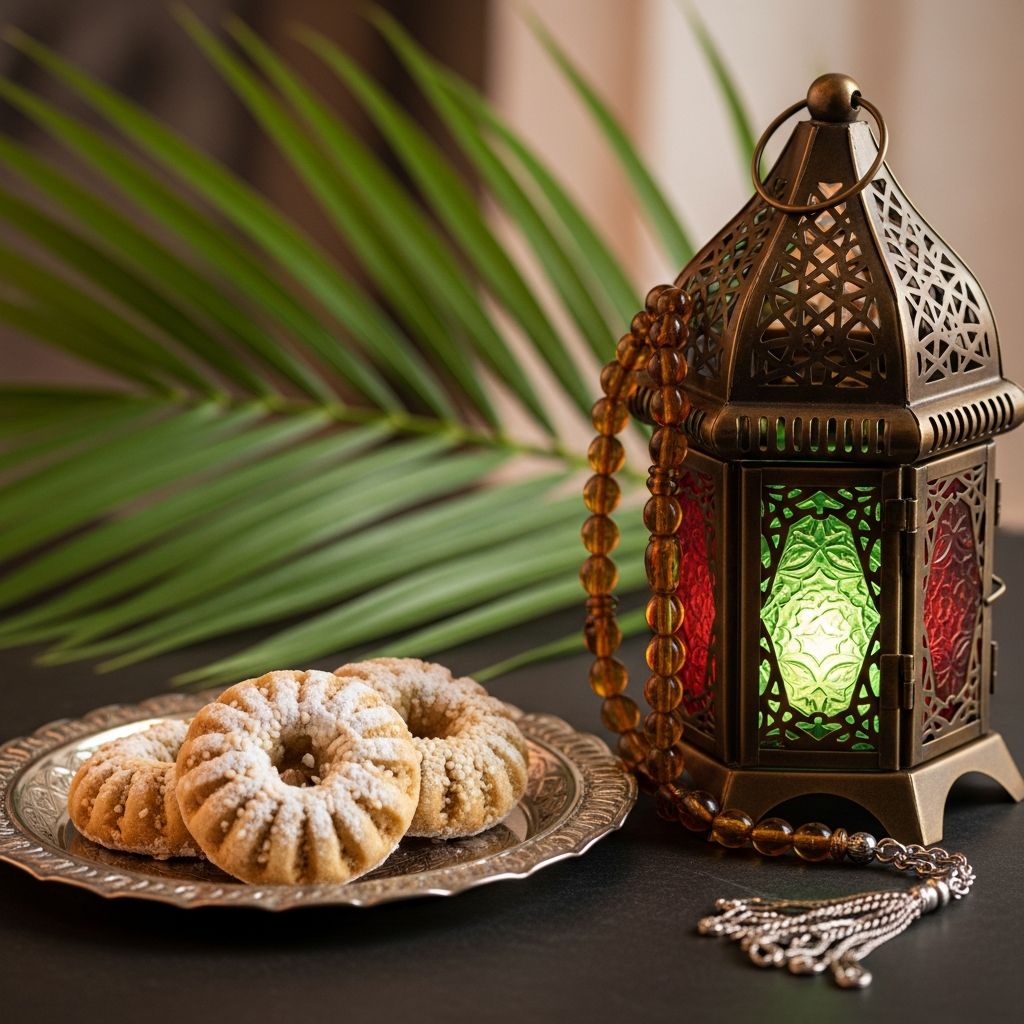
Eid al-Adha, known as the Festival of Sacrifice, is one of the most significant Islamic holidays, commemorating Prophet Ibrahim’s (Abraham’s) willingness to sacrifice his son in obedience to God. This joyous occasion emphasizes themes of faith, generosity, and community through prayer, sacrifice (Qurbani), and shared meals.
What is Eid al-Adha?
Eid al-Adha occurs on the 10th day of Dhu al-Hijjah, the final month of the Islamic lunar calendar, coinciding with the culmination of the Hajj pilgrimage. It honors the story where God commanded Ibrahim to sacrifice his son Isma’il, but provided a ram instead, symbolizing divine mercy and submission. The holiday lasts three to four days, during which Muslims worldwide perform special prayers, sacrifice animals, and distribute meat to family, friends, and the needy.
Nutritionally, this festival promotes balanced sharing: the sacrificial animal’s meat is traditionally divided into three equal parts—one for the family, one for relatives and friends, and one for the poor—ensuring no one goes hungry while encouraging moderation in consumption.
Traditions and Rituals of Eid al-Adha
Preparations begin days in advance with home cleaning, purchasing new clothes, and selecting healthy sacrificial animals that meet Islamic standards (e.g., sheep, goats, cows, or camels of specific age and quality). On Eid morning, families perform ghusl (ritual bath), don festive attire, and attend communal Eid prayer at mosques or open fields (Eidgah).
- Eid Prayer: Two rak’ahs followed by a khutbah (sermon), with takbir recitations en route.
- Qurbani (Sacrifice): Performed post-prayer using a sharp knife, facing the Qiblah, invoking ‘Bismillah, Allahu Akbar.’ Meat is divided as noted above.
- Charity and Visiting: Distribute meat, visit elders (kissing hands in respect), exchange Eidi (gifts for children), and share meals.
Regional variations enrich the festival: In Turkey, kavurma (braised meat) and baklava grace tables; Iraq features kleicha cookies and kahi breakfasts; Egypt includes blood-stamping rituals for protection; Morocco’s Boujloud parade with costumed youth; Sudan’s village gatherings; and Saudi communal breakfasts.
Healthy Eating During Eid al-Adha
While festive feasts are central, registered dietitians recommend balancing rich meats with vegetables, whole grains, and hydration to avoid digestive issues and excess calories. Lean Qurbani meat provides high-quality protein (20-25g per 100g), iron, zinc, and B vitamins essential for energy during celebrations.
Portion Control Tips:
- Aim for 3-4 oz meat per serving to meet protein needs without overindulgence.
- Pair with fiber-rich salads, yogurt, and fruits to stabilize blood sugar.
- Hydrate with water or herbal teas instead of sugary drinks.
Avoid common pitfalls like deep-frying all meat; opt for grilling, stewing, or baking to reduce fat intake by up to 30%.
Traditional Recipes for Eid al-Adha
Eid tables overflow with dishes symbolizing abundance and sharing. Here are nutritious adaptations of classics:
Kavurma (Turkish Braised Lamb)
Slow-cook lean lamb shoulder with onions, garlic, and spices. Per serving: 250 calories, 28g protein, 12g fat. Serve with bulgur pilaf and greens for a complete meal.
Related Stories



Kleicha (Iraqi Date Cookies)
Family-made with whole wheat flour, dates, and cardamom. Bake instead of fry: 150 calories each, rich in fiber and natural sweetness.
Qurbani Biryani (South Asian Rice Dish)
Layer spiced goat meat with brown rice, veggies, and yogurt. Nutritious twist: Use brown rice for extra fiber (6g per cup).
| Dish | Key Nutrients | Calories (per serving) | Prep Tip |
|---|---|---|---|
| Kavurma | Protein, Iron, Zinc | 250 | Trim visible fat |
| Kleicha | Fiber, Potassium | 150 | Whole wheat flour |
| Qurbani Biryani | Protein, Carbs, Veggies | 400 | Brown rice base |
| Ma’amoul | Dates for sweetness | 180 | Reduce sugar |
These recipes maintain cultural authenticity while prioritizing health.
Nutrition Tips from Registered Dietitian Nutritionists (RDNs)
RDNs advise:
- Balance Plates: Fill half with vegetables, quarter protein, quarter grains.
- Mindful Indulgence: Savor sweets like baklava or revani in small portions (1-2 pieces).
- Post-Feast Recovery: Light walks after meals aid digestion; include probiotics like kaymak yogurt.
- Special Diets: For diabetes, choose lean cuts and low-GI sides; vegetarians can donate Qurbani equivalents.
Children receive Eidi sweets, but pair with fruits to prevent sugar spikes.
Frequently Asked Questions (FAQs)
What animals are used for Qurbani?
Sheep, goats, cows, camels, or rams meeting health and age criteria (e.g., sheep at least 6 months old).
How is the sacrificial meat divided?
One-third to family, one-third to friends/relatives, one-third to the poor.
Can I freeze Qurbani meat?
Yes, portion and freeze immediately for up to 3 months; thaw safely before cooking.
What if I can’t perform sacrifice?
Delegate to trusted butchers or organizations; monetary contributions to charity are acceptable.
Are there vegan alternatives for Eid?
Focus on prayer, charity, and plant-based feasts while honoring the spirit of sacrifice.
Regional Celebrations Around the World
Eid al-Adha unites 1.8 billion Muslims with shared rituals amid local flavors:
- Turkey: Kavurma preserved for months; baklava feasts.
- Iraq: Kleicha-making marathons; kahi and kaymak breakfast.
- Egypt: Home sacrifices, blood prints on walls.
- Morocco: Boujloud parades with drums and sweets.
- Sudan/Saudi: Communal village meals and dances.
These customs foster community while allowing nutritional adaptations.
Eid al-Adha transcends feasting, embodying sacrifice, gratitude, and equity. By choosing lean proteins, vibrant veggies, and generous sharing, celebrants nourish body and soul.
References
- Eid al-Adha Traditions – Barut B’log — Barut Hotels Blog. 2023. https://blog.baruthotels.com/en/from-past-to-present-traditions-of-eid-al-adha
- Eid Al-Adha: Special Rituals and Traditions — Fanack. 2023. https://fanack.com/religions-in-the-middle-east-and-north-africa/islam/eid-al-adha-special-rituals-and-traditions/
- Eid al-Adha — Wikipedia. 2026-01-28. https://en.wikipedia.org/wiki/Eid_al-Adha
- US Employer’s Guide to Eid al-Adha — Mployer Advisor. 2024. https://mployeradvisor.com/blog/us-employers-guide-to-eid-al-adha
- How to Celebrate Eid Al-Adha Traditions, Rituals — IslamOnline. 2023. https://islamonline.net/en/how-to-celebrate-eid-al-adha-traditions-rituals-and-practices/
- Eid al-Adha | Meaning, Observances, Hajj, & Traditions — Encyclopædia Britannica. 2025. https://www.britannica.com/topic/Eid-al-Adha
Similar Articles








Read full bio of Sneha Tete