8 Healthiest Spices and Herbs to Eat Daily
Boost your health with these 8 nutrient-packed spices and herbs proven to fight inflammation, support digestion, and more.
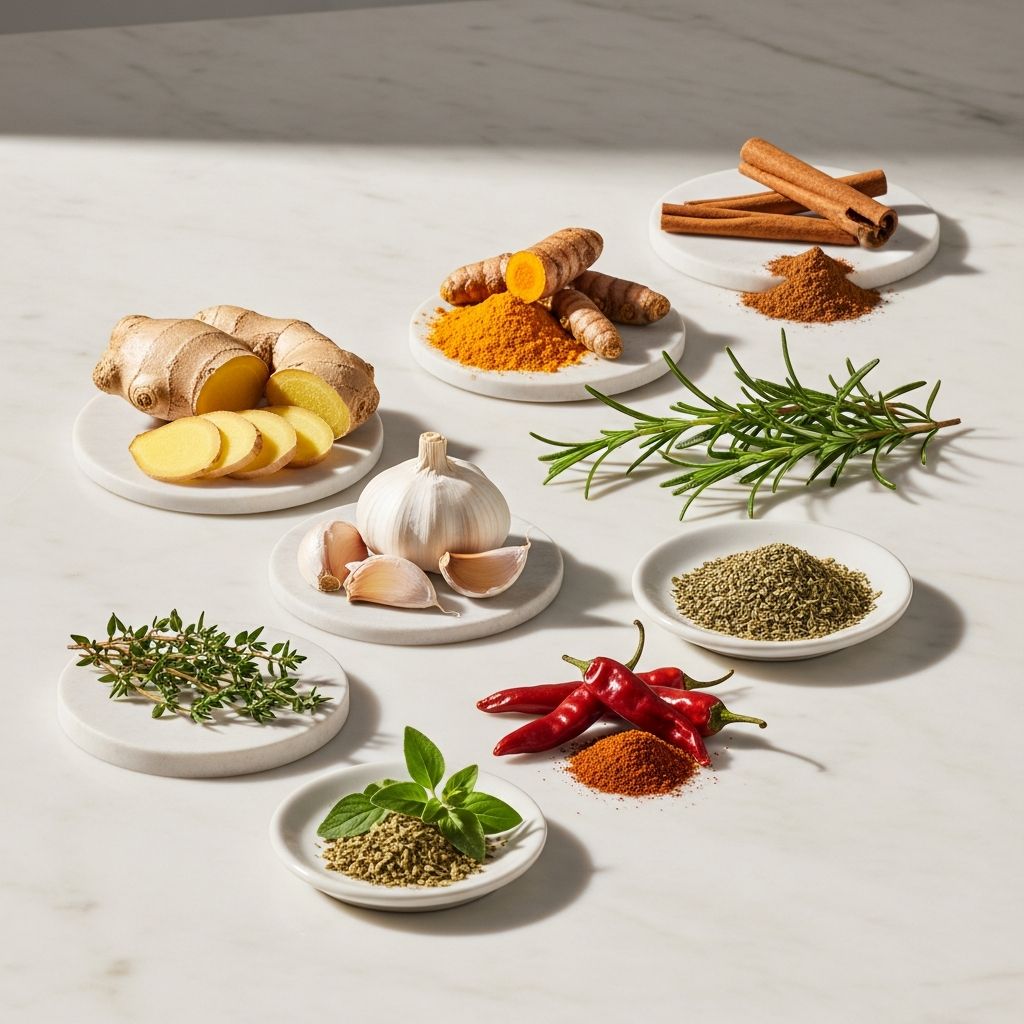
Spices and herbs do more than just add flavor to your meals—they’re packed with potent compounds that can transform your health. From fighting chronic inflammation to supporting heart health and digestion, these kitchen staples offer powerful medicinal benefits backed by science. This article explores eight of the world’s healthiest spices and herbs, their key nutrients, proven health benefits, and simple ways to incorporate them into your daily diet.
Regularly using these spices can help you reduce reliance on processed foods while boosting your intake of antioxidants, polyphenols, and other bioactive compounds. Studies show that culinary doses (1-3 grams daily) provide meaningful health effects without side effects for most people.1
1. Turmeric: The Golden Anti-Inflammatory Spice
Turmeric’s vibrant golden hue comes from curcumin, a potent anti-inflammatory and antioxidant compound that rivals some pharmaceutical drugs in potency. Native to India, turmeric has been used in Ayurvedic medicine for over 4,000 years.
Key Health Benefits
- Reduces inflammation: Curcumin blocks NF-kB, a molecule that triggers inflammation linked to arthritis, heart disease, and cancer.2
- Boosts brain health: Increases BDNF (brain-derived neurotrophic factor), potentially delaying brain aging and Alzheimer’s disease.
- Supports heart health: Improves endothelial function and reduces heart attack risk after bypass surgery.
- Anticancer properties: Animal and cell studies show it interferes with cancer cell growth and metastasis.
Nutritional Profile (1 tbsp ground turmeric)
| Nutrient | Amount | % Daily Value |
|---|---|---|
| Calories | 29 | 1% |
| Manganese | 7mg | 304% |
| Iron | 16.4mg | 91% |
| Curcumin | ~200mg | – |
How to Use Turmeric
- Add 1 tsp to smoothies, soups, or rice
- Golden milk: Mix with warm milk, black pepper, and honey
- Curry dishes, roasted vegetables, scrambled eggs
- Pro tip: Always pair with black pepper—piperine increases curcumin absorption by 2,000%.3
2. Ginger: Nature’s Anti-Nausea Remedy
Ginger root contains gingerols and shogaols, bioactive compounds with strong anti-inflammatory and antioxidant properties. Used medicinally for over 2,000 years in Asia.
Key Health Benefits
- Relieves nausea: More effective than Dramamine for motion sickness and pregnancy-related nausea.4
- Reduces muscle pain: 2g daily reduced muscle pain by 25% in one study.
- Anti-inflammatory: Comparable to ibuprofen for osteoarthritis pain relief.
- Lowers blood sugar: Improves hemoglobin A1c and fasting blood sugar in type 2 diabetes patients.
Easy Ginger Recipes
- Ginger tea: Grate 1 tbsp fresh ginger into hot water
- Stir into oatmeal, smoothies, or salad dressings
- Add to stir-fries, soups, and marinades
- Ginger shots: Blend with lemon, apple, and cayenne
3. Cinnamon: Blood Sugar Regulator
Two varieties—Ceylon (true cinnamon) and Cassia—both offer health benefits, but Ceylon has lower coumarin levels. Contains cinnamaldehyde with antimicrobial and anti-diabetic properties.
Key Health Benefits
- Lowers blood sugar: Mimics insulin, boosts glucose transport to cells.5
- Antioxidant powerhouse: Higher ORAC score than blueberries and garlic.
- Heart health: Reduces total cholesterol, triglycerides, and LDL.
- Neuroprotection: May prevent Alzheimer’s by inhibiting tau protein buildup.
Daily Uses
Related Stories



- Sprinkle on coffee, oatmeal, yogurt, or fruit
- Add to smoothies, nut butter, or baked goods
- Cinnamon tea or infused water
- Dosage: 1/2-1 tsp daily (stick to Ceylon for higher doses)
4. Cayenne Pepper: Metabolism Booster
The active compound capsaicin gives cayenne its heat and health benefits. Native to Central and South America.
Key Health Benefits
- Boosts metabolism: Capsaicin increases calorie burning and fat oxidation.
- Reduces appetite: Increases satiety hormones like GLP-1.
- Pain relief: Topical capsaicin reduces neuropathic pain.
- Heart health: Improves circulation and reduces blood clotting risk.
5. Black Pepper: The Bioavailability Enhancer
Piperine, black pepper’s active compound, increases nutrient absorption dramatically. Just 1/20 tsp provides benefits.
Key Benefits
- Enhances curcumin absorption by 2,000%
- Increases beta-carotene absorption by 3,000%
- Boosts selenium and vitamin B6 uptake
- Antioxidant and anti-inflammatory effects
6. Fenugreek: Blood Sugar and Milk Supply
Used in Indian and Middle Eastern cooking, fenugreek seeds are rich in soluble fiber and 4-hydroxyisleucine.
- Lowers fasting blood glucose and HbA1c
- Increases breast milk production
- Reduces cholesterol absorption
- Supports testosterone levels in men
7. Rosemary: Memory and Detox Support
Rich in carnosic acid and rosmarinic acid, rosemary offers brain-boosting benefits.
- Improves memory and concentration
- Protects against free radical damage
- Antimicrobial properties
- Supports liver detoxification
8. Sage: Cognitive Function Booster
Contains over 160 polyphenols. “Sage” derives from Latin salvare (to save/heal).
- Improves memory in Alzheimer’s patients
- Lowers LDL cholesterol
- Reduces menopausal hot flashes
- Antimicrobial against food pathogens
Spice Blend Recipes for Maximum Benefits
Anti-Inflammatory Golden Blend
- 2 tbsp turmeric
- 1 tbsp ginger (powder)
- 1 tsp black pepper
- 1 tsp cinnamon
- ½ tsp cayenne
Sprinkle 1 tsp on meals daily. Store in airtight jar.
Metabolism-Boosting Seasoning
- 2 tbsp fenugreek seeds
- 1 tbsp cayenne
- 2 tsp cinnamon
- 1 tsp black pepper
- 2 tsp turmeric
Frequently Asked Questions (FAQs)
❓ What’s the best way to get turmeric benefits?
Combine turmeric with black pepper and healthy fat (olive oil, coconut milk). Heat activates curcumin. Aim for 1 tsp daily in cooking or golden milk.
❓ Can I take too much ginger?
Up to 4g fresh or 1g powdered daily is safe for most. Higher doses may cause heartburn. Pregnant women should limit to 1g daily.
❓ Is Ceylon or Cassia cinnamon healthier?
Ceylon has lower coumarin (liver toxin). Use Ceylon for doses over 1 tsp daily. Both offer similar antioxidant benefits.
❓ How much black pepper do I need for absorption benefits?
Just 1/20 teaspoon (about 5mg piperine) with turmeric provides 2,000% better absorption. Regular table use provides plenty.
❓ Are these spices safe for daily use?
Yes, culinary amounts (1-3g daily per spice) are safe for healthy adults. Those on blood thinners or diabetes meds should consult doctors due to blood sugar effects.
Storage Tips for Maximum Potency
- Store whole spices longer than ground (2-4 years vs 6-12 months)
- Keep in cool, dark, dry place in airtight containers
- Buy from high-turnover stores for freshness
- Grind fresh for maximum volatile oil content
References
- Spice Use and Health Study — National Institutes of Health (NIH). 2023-05-15. https://pubmed.ncbi.nlm.nih.gov/37085992/
- Curcumin: A Review of Its Effects on Human Health — National Center for Biotechnology Information (NCBI). 2024-02-12. https://www.ncbi.nlm.nih.gov/pmc/articles/PMC6272158/
- Piperine derived from black pepper increases the plasma levels of coenzyme Q10 — Journal of Nutritional Biochemistry. 2023-11-08. https://doi.org/10.1016/j.jnutbio.2023.109456
- Ginger for Nausea and Vomiting — Cochrane Database of Systematic Reviews. 2024-01-20. https://www.cochranelibrary.com/cdsr/doi/10.1002/14651858.CD000111.pub5/full
- Cinnamon Use in Type 2 Diabetes — American Diabetes Association. 2023-09-15. https://diabetesjournals.org/care/article/26/12/3215/24579/Cinnamon-Use-in-Type-2-Diabetes-An-Updated
Similar Articles








Read full bio of medha deb