Eisoptrophobia: Fear Of Mirrors Guide To Symptoms & Treatments
Understanding eisoptrophobia: symptoms, causes, and effective treatment options.
Eisoptrophobia: Fear of Mirrors
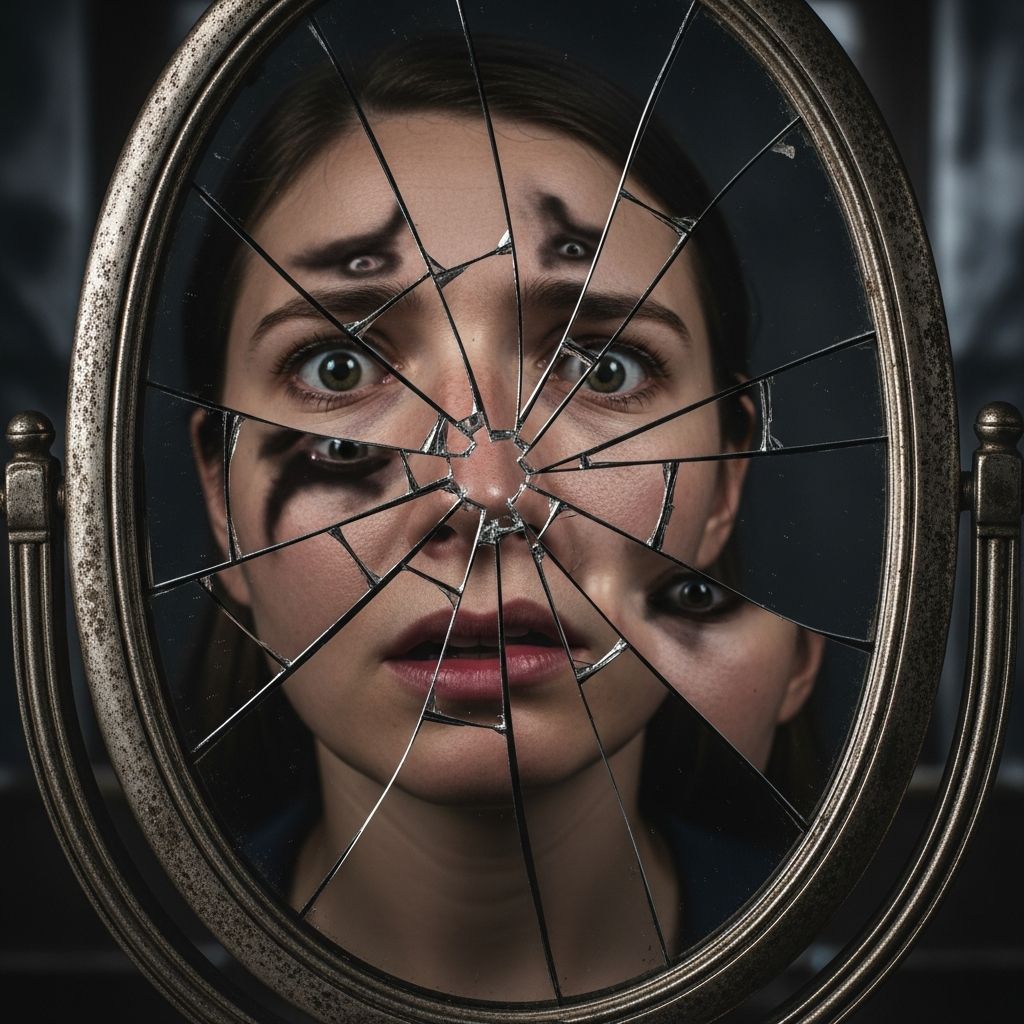
Eisoptrophobia is an intense, irrational fear of mirrors or seeing oneself reflected in any reflective surface. The term originates from the Greek word “eisoptro,” meaning mirror, combined with “phobia,” meaning fear. For individuals experiencing this condition, even the thought of encountering a mirror can trigger significant anxiety and distress. This specific phobia goes beyond simple vanity or occasional discomfort—it represents a persistent psychological condition that can substantially impact daily functioning, personal relationships, and overall quality of life.
Eisoptrophobia is classified as a simple phobia, also known as a specific phobia. According to the American Psychiatric Association, simple phobias affect approximately 9% of the United States population, making eisoptrophobia part of a relatively common category of anxiety disorders. What distinguishes this phobia from general anxiety is its specificity: the fear response is triggered exclusively by mirrors or reflective surfaces, rather than by generalized worry or multiple triggers.
What is Eisoptrophobia?
Eisoptrophobia involves an extreme and persistent fear response to mirrors and reflections. People with this condition often recognize that their fear is irrational, yet they find themselves unable to control the anxiety it produces. The phobia can manifest in varying degrees of severity, ranging from mild discomfort when seeing a reflection to severe panic attacks that prevent individuals from functioning in normal daily situations.
The condition differs from simple dislike or dissatisfaction with one’s appearance. Rather than being grounded in vanity or legitimate concerns about physical appearance, eisoptrophobia represents a pathological fear that viewing one’s reflection will result in something negative happening. This fear can be deeply rooted in psychological factors, past experiences, or learned behaviors that have become ingrained over time.
People with eisoptrophobia may experience a sense of dread, shame, or guilt associated with their fear. Many individuals recognize intellectually that their phobia is unreasonable, yet they feel powerless to overcome the automatic anxiety response when confronted with a mirror. This awareness of irrationality, combined with the inability to control the response, often leads to secondary emotional distress and frustration.
Symptoms of Eisoptrophobia
Eisoptrophobia manifests through both physical and psychological symptoms. These symptoms are real physiological responses triggered by activation of the nervous system’s fight-or-flight mechanism. Understanding these symptoms can help individuals recognize whether they may be experiencing this phobia and seek appropriate treatment.
Physical Symptoms
When confronted with a mirror or reflective surface, individuals with eisoptrophobia may experience various physical manifestations of anxiety:
- Chest tightness or difficulty breathing and shortness of breath
- Excessive sweating or clamminess of the skin
- Trembling, shaking, or muscle tension
- Rapid heartbeat or palpitations
- Dry mouth or difficulty swallowing
- Nausea or gastrointestinal distress
These physical symptoms result from the release of adrenaline and other stress hormones in response to perceived danger. The body’s fight-or-flight response, while protective in genuinely dangerous situations, becomes problematic when triggered by harmless stimuli like mirrors.
Psychological Symptoms
Beyond physical manifestations, eisoptrophobia produces several psychological symptoms:
Related Stories



- Persistent avoidance of mirrors and other reflective surfaces including windows, polished metal, or still water
- Intense dread or worry about situations where encountering a mirror is possible
- Feelings of guilt or shame about the fear itself
- Panic, intense distress, or an overwhelming urge to flee when seeing one’s reflection
- Recognition that the fear is irrational, despite inability to control it
- Negative self-talk or rumination about mirrors and reflections
Symptoms in Children
Children with eisoptrophobia may not be able to articulate their anxiety verbally. Instead, they may express their fear through behavioral responses such as crying, throwing tantrums, or refusing to enter bathrooms or bedrooms where mirrors are present. Parents and caregivers should be alert to these behavioral signs, as they may indicate underlying fear rather than simple misbehavior.
Causes of Eisoptrophobia
The development of eisoptrophobia typically involves a combination of genetic and environmental factors. While the exact causes remain not fully understood, research and clinical experience have identified several contributing mechanisms.
Traumatic Experiences
One significant cause of eisoptrophobia is past traumatic experiences involving mirrors or reflections. This may include witnessing a frightening event in a mirror, having a disturbing encounter with one’s own reflection, or experiencing a traumatic event that became associated with mirrors through context or conditioning. The amygdala, the brain’s emotional processing center that acts as a recorder for life events and emotional reactions, plays a crucial role in this process. Once a traumatic memory is encoded with mirror-related stimuli, encountering mirrors later can reactivate the original fear response.
Body Dysmorphic Disorder
Eisoptrophobia frequently co-occurs with Body Dysmorphic Disorder (BDD), a mental health condition characterized by obsessive preoccupation with perceived flaws in physical appearance. Individuals with BDD may develop an intense fear of mirrors because viewing their reflection triggers distressing thoughts about imagined or minor physical imperfections. This repeated pairing of mirror exposure with anxiety reinforces the phobic response.
Low Self-Esteem and Negative Body Image
Individuals with chronic low self-esteem or negative body image may develop eisoptrophobia as a way of avoiding the painful emotions associated with self-evaluation. For these individuals, mirrors represent a source of criticism and negative self-judgment. The fear develops as an avoidance mechanism to protect against emotional pain.
Superstitions and Cultural Beliefs
Cultural and religious traditions that associate mirrors with spiritual danger, supernatural occurrences, or bad luck can contribute to the development of eisoptrophobia. Some belief systems teach that mirrors are portals to other dimensions, gateways for malevolent spirits, or harbingers of misfortune. Media portrayals of mirrors in horror films and supernatural narratives can reinforce these beliefs and instill fear, particularly in impressionable individuals.
History of Bullying or Criticism
Individuals with a history of bullying, ridicule about appearance, or harsh criticism may develop eisoptrophobia by associating mirrors with the painful comments and judgments they have experienced. The mirror becomes a symbol of external judgment and shame.
Risk Factors
Certain factors increase the likelihood of developing eisoptrophobia:
- Family history of anxiety disorders: Genetic predisposition to anxiety increases vulnerability to specific phobias
- Past traumatic experiences: Previous frightening encounters with mirrors or reflections significantly elevate risk
- Existing mental health conditions: Pre-existing anxiety disorders, depression, or Body Dysmorphic Disorder increase susceptibility
- Low self-esteem and body image issues: Negative self-perception creates vulnerability to mirror-related anxiety
- Learned behavior: Observing family members or peers demonstrate fear of mirrors can lead to acquisition of the phobia through modeling
- Stress and life changes: Periods of intense stress may trigger or exacerbate mirror-related anxiety
How Eisoptrophobia Affects Daily Life
Eisoptrophobia can significantly impair quality of life and functional capacity. Individuals with this phobia may struggle with basic self-care activities such as grooming, shaving, applying makeup, or styling hair—all activities typically requiring mirror use. In professional settings, individuals may avoid bathrooms, locker rooms, or spaces with reflective surfaces, creating workplace challenges and social isolation.
The phobia can impact personal relationships, as individuals may avoid romantic or intimate situations where mirrors are present. Additionally, the constant anxiety about encountering mirrors creates mental burden and reduces overall quality of life. Secondary effects may include depression, social withdrawal, and compounded anxiety disorders.
Treatment Options for Eisoptrophobia
Early treatment for eisoptrophobia is typically successful at resolving anxiety and restoring normal functioning. Several evidence-based approaches have demonstrated effectiveness.
Cognitive Behavioral Therapy (CBT)
Cognitive Behavioral Therapy represents a cornerstone treatment for specific phobias including eisoptrophobia. This approach helps individuals identify and challenge irrational thoughts about mirrors, develop coping strategies, and gradually confront their fear in a controlled manner. Therapists work with patients to examine the evidence supporting their catastrophic beliefs and replace them with more realistic, balanced thinking.
Exposure Therapy and Desensitization
Exposure therapy, also called desensitization therapy, involves gradual, systematic exposure to the feared stimulus. The therapist begins with mild exposure—such as merely thinking about mirrors—and employs anxiety-reducing strategies to help the individual manage their response. Exposures gradually increase in intensity, progressing from indirect exposure (discussing mirrors, viewing pictures of mirrors) to direct exposure (standing before an actual mirror). The goal is to demonstrate that the individual can successfully manage their anxiety during these exposures and that the catastrophic consequences they fear do not materialize. Through repeated exposure, the fear response naturally diminishes through a process called habituation.
Relaxation and Coping Techniques
Therapists teach individuals various relaxation techniques to manage physical anxiety symptoms during mirror exposure. These may include deep breathing exercises, progressive muscle relaxation, mindfulness meditation, and grounding techniques. These tools help individuals regulate their nervous system and maintain control during the therapeutic process.
Medication
In some cases, anti-anxiety medications or antidepressants may be prescribed to help manage symptoms, particularly when anxiety is severe or when other treatments have been insufficient. Medications are typically used as an adjunct to psychotherapy rather than as a standalone treatment.
Self-Care Strategies
While professional treatment is recommended, individuals can implement self-care strategies to manage eisoptrophobia:
- Practice relaxation techniques such as deep breathing and progressive muscle relaxation daily
- Engage in regular physical exercise to reduce overall anxiety levels
- Maintain a healthy sleep schedule and sleep hygiene
- Limit caffeine and alcohol consumption, which can increase anxiety
- Practice mindfulness and acceptance-based techniques to observe anxiety without judgment
- Gradually challenge avoidance behaviors in small, manageable steps
- Seek social support from understanding friends, family, or support groups
Frequently Asked Questions
Q: Is eisoptrophobia a common condition?
A: While specific prevalence rates for eisoptrophobia are not precisely documented, it falls within the category of specific phobias, which affect approximately 9% of the U.S. population. This makes it relatively common compared to other rare phobias, though less prevalent than social anxiety or agoraphobia.
Q: Can eisoptrophobia be cured?
A: Yes, eisoptrophobia is highly treatable. With appropriate therapy, particularly exposure therapy and cognitive behavioral therapy, most individuals experience significant improvement or complete resolution of their symptoms. Early treatment tends to be more successful.
Q: Is eisoptrophobia related to vanity?
A: No. Eisoptrophobia is distinctly different from vanity or dissatisfaction with appearance. It is a psychological anxiety disorder involving an irrational fear response, not simply dislike of one’s reflection. Individuals with eisoptrophobia often recognize their fear is unreasonable.
Q: Can children outgrow eisoptrophobia?
A: Without treatment, phobias typically do not resolve on their own and may persist into adulthood. Early identification and treatment in childhood can prevent the phobia from becoming entrenched and affecting development.
Q: When should I seek professional help for eisoptrophobia?
A: You should consult a mental health professional if mirror avoidance interferes with daily functioning, causes significant distress, or impacts your quality of life. Early intervention typically leads to better outcomes.
Q: Are there alternatives to direct mirror exposure in treatment?
A: Yes. Therapists can use gradual exposure starting with indirect methods such as discussing mirrors, viewing images, or virtual reality exposure before advancing to direct mirror contact. This allows individuals to progress at a comfortable pace.
References
- Eisoptrophobia (Fear of Mirrors): Causes, Symptoms & Treatments — Healthgrades. 2024. https://resources.healthgrades.com/right-care/anxiety-disorders/eisoptrophobia-fear-of-mirrors
- Diagnostic and Statistical Manual of Mental Disorders (DSM-5) — American Psychiatric Association. 2013. Official diagnostic criteria for specific phobias and anxiety disorders.
- Eisoptrophobia (Fear Of Mirrors): Symptoms, Causes and Treatment — Medicover Hospitals. 2024. https://www.medicoverhospitals.in/diseases/eisoptrophobia-fear-of-mirrors/
- Rare but true: Eisoptrophobia- A Fear of Mirrors — Flushing Hospital Medical Center. 2024. https://flushinghospital.org/newsletter/rare-but-true-eisoptrophobia-a-fear-of-mirrors/
- Cognitive Behavioral Therapy for Anxiety Disorders — National Institute of Mental Health. U.S. Department of Health and Human Services. Established clinical approach to treating specific phobias.
Similar Articles








Read full bio of Sneha Tete