Elbow Pain: Causes, Diagnosis & Treatment
Comprehensive guide to understanding elbow pain, its causes, diagnosis methods, and effective treatment options.
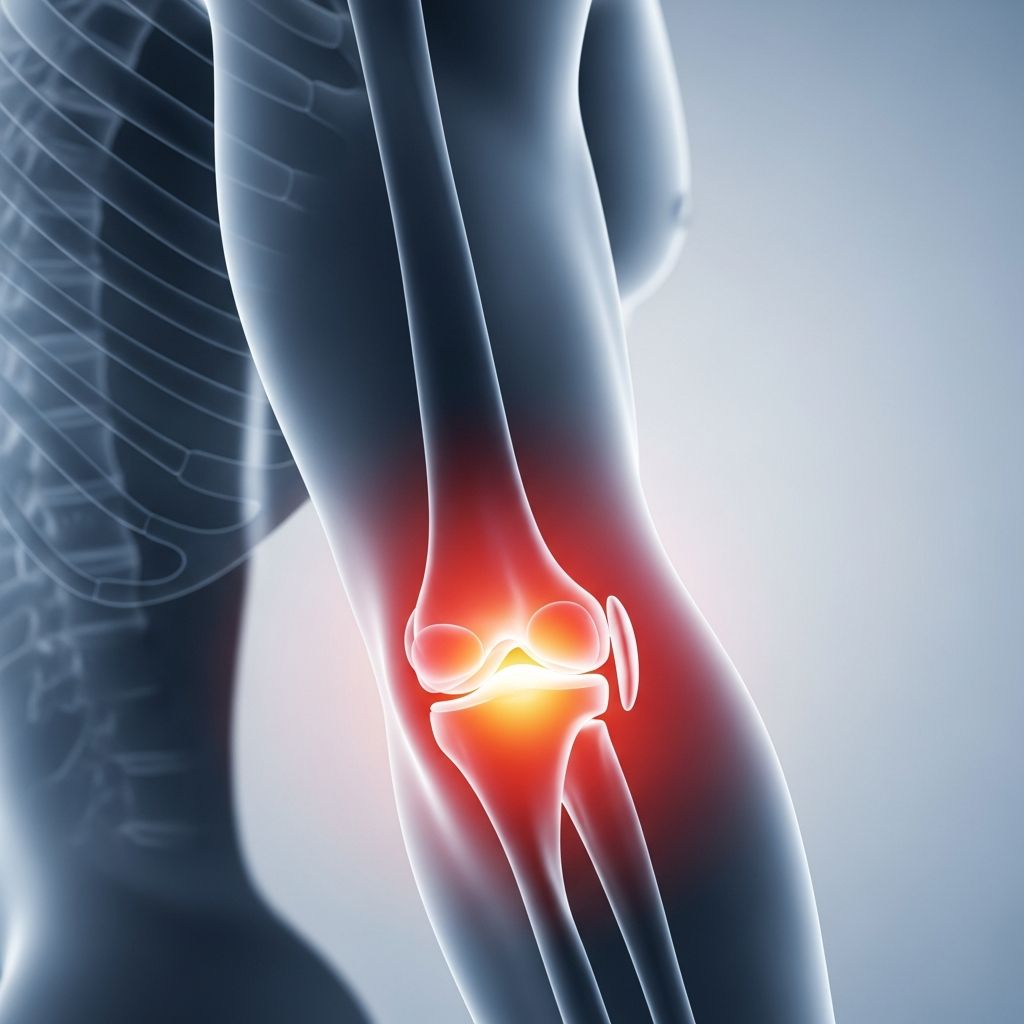
Elbow pain is a common condition that affects many people across different age groups and activity levels. Whether you’re experiencing sharp, burning sensations or a dull ache, elbow pain can significantly impact your daily activities, from simple tasks like holding your phone or cooking dinner to more demanding physical activities. Understanding the underlying causes of your elbow pain is the first step toward finding effective relief and getting back to the activities you enjoy.
Repetitive strain injuries are among the most common causes of elbow pain, and many of these conditions improve with rest and appropriate care. However, some types of elbow pain require professional medical intervention to ensure proper healing and prevent long-term complications. This comprehensive guide will help you understand what causes elbow pain, how healthcare providers diagnose the condition, and what treatment options are available to you.
Common Causes of Elbow Pain
Elbow pain can stem from various conditions and injuries. Understanding the specific cause of your pain is essential for determining the most appropriate treatment approach. The most common causes include:
Repetitive Strain Injuries
Repetitive strain injuries represent one of the leading causes of elbow pain. These injuries typically develop gradually as a result of performing the same motions repeatedly over time. Activities that require repetitive gripping, twisting, or throwing motions can strain the tendons and muscles around your elbow, leading to inflammation and pain. These injuries are particularly common among athletes, manual laborers, and individuals who spend extended periods typing or using computers.
Tennis Elbow (Lateral Epicondylitis)
Despite its name, tennis elbow isn’t limited to tennis players. This condition occurs when the tendons on the outside of the elbow become inflamed due to repetitive gripping or twisting motions. The pain typically feels sharp or burning and worsens when you twist or bend your arm. Tennis elbow can affect anyone who performs repetitive arm movements, including carpenters, plumbers, cooks, and office workers.
Golfer’s Elbow (Medial Epicondylitis)
Golfer’s elbow is similar to tennis elbow but affects the inside of the elbow. This condition develops when the tendons on the inner side of the elbow become inflamed. Like tennis elbow, golfer’s elbow can affect people who perform repetitive gripping or throwing motions, not just golfers. The pain is typically felt on the inner side of the elbow and may radiate down the arm.
Cubital Tunnel Syndrome
Cubital tunnel syndrome occurs when the ulnar nerve becomes compressed as it passes through the inside of the elbow. This condition causes inner elbow pain, numbness, and tingling in your hand, particularly when your elbow is bent. Symptoms often worsen when your elbow is in a bent position during activities like holding a phone, sleeping, or leaning on your arm.
Elbow Bursitis
Bursitis develops when fluid-filled sacs called bursa become inflamed at the elbow joint. This condition can result from prolonged pressure, repetitive friction, or infection. While elbow bursitis is usually quick to heal, it can cause significant discomfort during daily activities.
Related Stories



Elbow Fractures
Elbow fractures occur as a result of falls, twisting injuries, or blunt force trauma.[10] These injuries can range from minor hairline fractures to more severe breaks that require surgical intervention. Fractures require prompt medical attention to ensure proper healing and prevent complications.
Other Causes
Additional causes of elbow pain include arthritis, nerve compression, muscle strains, ligament sprains, and autoimmune conditions such as rheumatoid arthritis. Some individuals may also experience elbow pain as a result of referred pain from the neck or shoulder.
Symptoms of Elbow Pain
Elbow pain can manifest in different ways depending on the underlying cause. Common symptoms include:
- Sharp or burning pain in the elbow or forearm
- Dull, aching pain that persists throughout the day
- Swelling and inflammation around the elbow joint
- Stiffness or reduced range of motion
- Numbness or tingling sensations in the hand or fingers
- Weakness in the arm or difficulty gripping objects
- Pain that worsens with specific movements or activities
The severity and type of pain can vary significantly from person to person, and symptoms may develop suddenly or gradually over time.
Diagnosis of Elbow Pain
Accurate diagnosis is crucial for developing an effective treatment plan. When you visit a healthcare provider for elbow pain, they will typically follow a systematic diagnostic approach.
Initial Consultation
Your healthcare provider will begin by asking detailed questions about your symptoms. They will want to understand how and when the pain started, what activities make it worse or better, and how the pain affects your daily life. This information helps the provider understand the context of your condition and narrow down potential causes.
Physical Examination
During the physical examination, your healthcare provider will assess several aspects of your elbow function. They will check your range of motion to see how well you can move your wrist and elbow. The provider will also evaluate how well your nerves are working and check for pain, swelling, and tender areas around the elbow joint. This hands-on assessment provides valuable information about the nature and location of your problem.
Imaging Tests
Your provider may order imaging tests to visualize the structures inside your arm and identify any damage or abnormalities. Common imaging tests include:
- X-rays: These provide clear images of bones and can reveal fractures or other bone-related issues
- Ultrasound: Musculoskeletal ultrasound imaging can precisely show where the problem is located in soft tissues like tendons and muscles
- MRI: Magnetic resonance imaging provides detailed images of soft tissues and can reveal ligament injuries or inflammation
- CT scans: These are sometimes used to provide detailed images of the elbow joint
These diagnostic tools help your healthcare provider confirm the diagnosis and determine the severity of your condition.
Treatment Options for Elbow Pain
Treatment for elbow pain depends on the underlying cause, but healthcare providers typically follow a philosophy of beginning with the least invasive treatment options. Most cases of elbow pain can be managed successfully without surgery.
Conservative Treatment Approaches
Conservative treatments are usually the first line of defense against elbow pain and are effective for many conditions:
Rest and Activity Modification
One of the most important aspects of treating elbow pain is allowing your arm adequate rest. You should take a break from the physical activities that caused your elbow pain. This might mean stopping certain activities completely or modifying how you perform them, such as wearing a brace while you work or taking more frequent breaks. Rest allows the inflamed tissues to heal and prevents further injury.
Splinting and Bracing
Wearing a splint or brace can provide support and reduce stress on the affected tendons and muscles. For conditions like tennis elbow, a tennis elbow strap can help distribute pressure and reduce pain during activities. Night splints, especially those with thumb support, can prevent your arm from curling up while you sleep, which may prevent the condition from worsening.
Ice and Anti-inflammatory Medications
Applying ice to your elbow can help reduce swelling and numb the pain. Anti-inflammatory medications, available as pills or topical ointments, can help manage inflammation and pain. These medications can provide temporary relief while your body heals.
Physical Therapy and Exercises
Physical therapy plays a crucial role in treating elbow pain and preventing recurrence. A physical therapist can teach you specific exercises to strengthen weakened muscles and improve flexibility. Common therapeutic exercises include stretching your arms by gently pulling your wrists down from both front and back positions, as well as exercises using flex bars and performing supination and pronation movements to work muscles from the back of your hands up to the back of your elbow. Occupational therapy can also help you learn how to perform everyday tasks without aggravating your injury.
Corticosteroid Injections
For conditions like golfer’s elbow, corticosteroid injections may provide short-term symptom relief. These injections reduce inflammation in the affected area and can provide significant pain relief, though the effects are typically temporary.
Topical Treatments
Topical treatments such as nitroglycerin patches can help reduce inflammation in targeted areas. These non-invasive options provide localized treatment without systemic side effects.
Advanced Treatment Options
If conservative treatments don’t provide adequate relief after several months, your healthcare provider may recommend advanced diagnostic imaging and additional treatment options to stimulate the normal healing process. These may include:
- Platelet-rich plasma (PRP) injections
- Stem cell therapy
- Shock wave therapy
- Other regenerative medicine approaches
Surgical Treatment
Surgery is considered only when conservative treatments have failed to provide relief. When surgery is necessary, your healthcare provider may use either traditional (open) surgical techniques or minimally invasive surgical approaches such as arthroscopy. Minimally invasive surgery helps reduce pain and swelling and allows for faster recovery compared to open surgery. Surgical options may include removing damaged tissue and bone, repairing torn ligaments through procedures like Tommy John surgery (ulnar collateral ligament reconstruction), or performing joint replacement for severe arthritis.
Recovery and Prognosis
Most cases of elbow pain improve with conservative treatment within a few months. You should expect to take a break from the physical activities that caused your elbow pain, and most individuals need several months of rest and nonsurgical treatments to allow their injured tendons to heal properly. Your healthcare provider will guide you on which treatments are best for your specific situation and how long you’ll need to avoid certain activities or motions.
The timeline for recovery varies depending on the severity of your condition and your adherence to the treatment plan. Some mild cases may improve within weeks, while more severe conditions might require several months of consistent treatment.
When to Seek Professional Help
You should visit a healthcare provider if you think your elbow is injured or notice any of the following signs:
- Persistent elbow pain that doesn’t improve with rest
- Pain that significantly limits your daily activities
- Swelling, redness, or warmth around the elbow
- Numbness or tingling sensations in your hand or fingers
- Visible deformity or inability to straighten your arm
- Pain following an injury or fall
- Symptoms that worsen despite self-care measures
Cleveland Clinic’s Approach to Elbow Pain Treatment
Cleveland Clinic offers comprehensive elbow pain treatment through a multidisciplinary team of specialists. Board-certified orthopedic physicians and surgeons with advanced training work alongside occupational therapists and physician assistants to provide personalized care. For autoimmune conditions causing elbow pain, such as rheumatoid arthritis, rheumatology experts are included in the care team to ensure thorough treatment. The clinic’s providers are committed to helping patients heal with the least amount of impact on their daily lives and activities, with follow-up care to ensure ongoing improvement and pain relief.
Frequently Asked Questions
Q: How long does it take for elbow pain to go away?
A: The timeline for recovery depends on the cause and severity of your condition. Most cases of elbow pain improve within a few months with conservative treatment. However, chronic conditions or severe injuries may require longer recovery periods.
Q: Can elbow pain go away on its own?
A: Many cases of elbow pain, particularly those caused by repetitive strain injuries, can improve with rest and self-care measures. However, professional treatment often accelerates recovery and prevents complications.
Q: What activities should I avoid if I have elbow pain?
A: You should avoid or modify activities that aggravate your elbow pain. Your healthcare provider can recommend specific activity modifications based on your diagnosis.
Q: Is surgery always necessary for elbow pain?
A: No, surgery is rarely the first treatment option. Most cases of elbow pain respond well to conservative treatments. Surgery is typically considered only when other treatments have failed after several months.
Q: Can I prevent elbow pain?
A: Yes, you can reduce your risk by using proper ergonomics, taking regular breaks during repetitive activities, strengthening your arm muscles, and using protective equipment when appropriate.
References
- Wrist and Elbow Pain Treatment — Cleveland Clinic. 2025. https://my.clevelandclinic.org/services/wrist-elbow-pain-treatment
- Cubital Tunnel Syndrome: Causes, Symptoms & Treatment — Cleveland Clinic. 2025. https://my.clevelandclinic.org/health/diseases/21997-cubital-tunnel-syndrome
- Tennis Elbow (Lateral Epicondylitis): Treatment & Symptoms — Cleveland Clinic. 2025. https://my.clevelandclinic.org/health/diseases/7049-tennis-elbow-lateral-epicondylitis
- How To Stop a Painful Elbow From Messing With Your Life — Cleveland Clinic Health. 2025. https://health.clevelandclinic.org/stop-painful-elbow-messing-life
- Golfer’s Elbow (Medial Epicondylitis): Symptoms & Treatment — Cleveland Clinic. 2025. https://my.clevelandclinic.org/health/diseases/21711-golfers-elbow-medial-epicondylitis
- Elbow (Olecranon) Bursitis: Symptoms, Causes & Treatment — Cleveland Clinic. 2025. https://my.clevelandclinic.org/health/diseases/22553-elbow-olecranon-bursitis
Similar Articles








Read full bio of Sneha Tete