Elderberry Benefits: 5 Science-Backed Health Perks
Discover the potential health benefits of elderberry, from immune support to heart health, backed by science and traditional use.
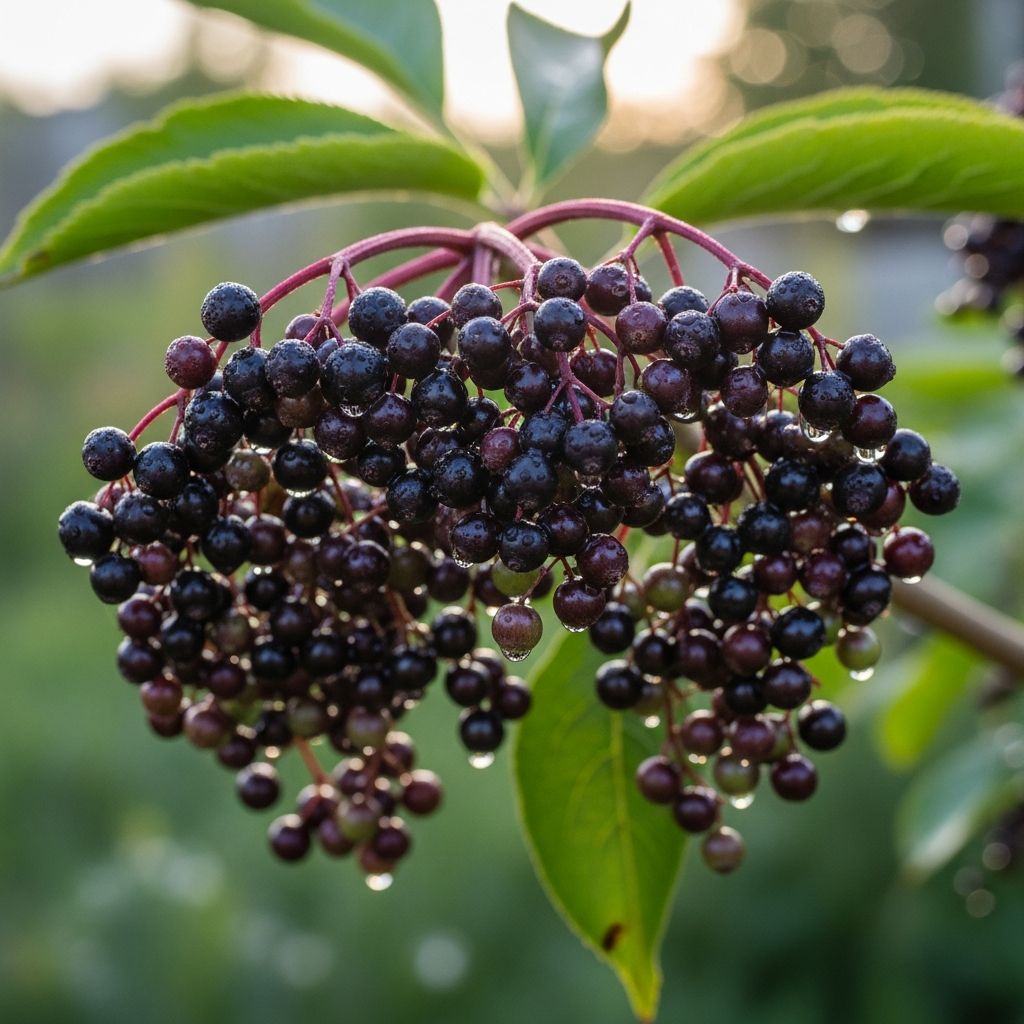
Elderberry, derived from the Sambucus nigra plant, has been a staple in traditional medicine for centuries, particularly for immune support and respiratory health. Modern interest stems from its rich nutrient profile and preliminary research suggesting benefits for colds, inflammation, and more. While promising, many claims require further human studies.
What Is Elderberry?
Elderberry refers to the dark purple berries and white flowers of the elder tree, native to Europe, North America, and parts of Asia. Historically used by Native Americans and Europeans for treating fevers, headaches, and infections, it’s now popular in supplements, syrups, and teas. The berries must be cooked, as raw ones contain cyanogenic glycosides that can cause nausea or toxicity.
Nutritionally, one cup (145g) of fresh elderberries provides 52mg vitamin C (57% DV), 10g fiber (36% DV), 27g carbs, and small amounts of protein and fat. It’s loaded with antioxidants like flavonols (quercetin, kaempferol) and phenolic acids, which combat oxidative stress.
Potential Health Benefits of Elderberry
Elderberry’s appeal lies in its antioxidants and bioactive compounds. Here’s a breakdown of researched benefits:
- Immune System Support: Elderberry may reduce cold and flu duration. Some studies show it shortens symptoms by 2-4 days, possibly by inhibiting viral entry into cells.
- Antioxidant Power: High in flavonols, it neutralizes free radicals, potentially lowering chronic disease risk like diabetes and cancer.
- Heart Health: May lower cholesterol, blood pressure, uric acid, and blood sugar, supporting cardiovascular function.
- Anti-Inflammatory Effects: Reduces inflammation markers in lab studies, aiding joint pain and stress.
- Other Uses: Traditional remedies for constipation, skin issues, and bacterial infections like H. pylori.
Nutrition Facts for Elderberries
Elderberries pack a nutrient punch. Per cup (145g) serving:
| Nutrient | Amount | % Daily Value |
|---|---|---|
| Vitamin C | 52mg | 57% |
| Dietary Fiber | 10g | 36% |
| Carbohydrates | 27g | 10% |
| Protein | 1g | 2% |
| Calories | 106 | 5% |
Source: USDA data via Healthline. These nutrients contribute to its health halo, especially antioxidants that outpace many berries.
5 Elderberry Benefits Backed by Science
- Rich in Antioxidants: Flavonols like quercetin improve antioxidant status within hours of consumption. Animal studies show reduced oxidative damage.
- Reduces Cold and Flu Symptoms: A review supports elderberry shortening upper respiratory infections. Experts recommend it alongside flu shots.
- Supports Heart Health: Lowers fats in blood, cholesterol, and uric acid. Flavonoid-rich diets cut heart disease risk. Rat studies confirm blood pressure drops.
- Anticancer Potential: Test-tube studies show cancer cell inhibition, but human evidence is lacking.
- Antibacterial Properties: Inhibits bacteria like H. pylori; may ease sinusitis.
Possible Downsides of Elderberry
While generally safe when cooked, risks include:
- Toxicity: Raw berries cause vomiting, diarrhea due to cyanogenic glycosides.
- Interactions: May amplify immunosuppressants or diabetes meds; consult doctors.
- Limited Evidence: Most benefits from lab/animal studies; human trials small. Cleveland Clinic notes skepticism without definitive data.
- Side Effects: Rare nausea or allergic reactions.
How to Use Elderberry Safely
Cooked Forms Only: Boil berries into jams, pies, or syrups. Flowers for teas.
Supplements: Lozenges, gummies, extracts (300-1500mg/day). No standard dose; follow labels.
Recipes:
- Elderberry Syrup: Simmer berries with ginger, honey; use for tea or pancakes.
- Smoothie: Blend cooked berries with yogurt, banana.
- Tea: Steep dried flowers.
Related Stories



Start low to test tolerance. Pregnant/nursing? Avoid supplements.
Should You Take an Elderberry Supplement?
Elderberry shines as a diet addition for vitamin C and fiber, but supplements lack strong proof for most claims. Reasonable for flu symptom relief, per evidence. Prioritize whole foods; supplements if needed, from reputable sources. Not a vaccine substitute.
Bottom Line
Elderberry offers antioxidants, nutrients, and potential immune/heart benefits, rooted in tradition and early science. Consume cooked, use cautiously, and view as diet complement—not cure-all. More human research needed.
Frequently Asked Questions (FAQs)
Can elderberry help with colds and flu?
Yes, studies suggest it may shorten symptoms by days, but get vaccinated too.
Is raw elderberry safe?
No, raw forms are toxic; always cook.
What’s the best elderberry form?
Cooked berries, syrups, or tested supplements.
Does elderberry lower blood sugar?
Lab/rat studies indicate yes, but human data limited.
Can kids take elderberry?
Possibly for colds, but consult pediatrician.
References
- Elderberry: Health Benefits, Risks, Uses, Effectiveness — WebMD. 2023. https://www.webmd.com/diet/elderberry-health-benefits
- The Pros and Cons of Elderberry — Healthline. 2023-10-23. https://www.healthline.com/nutrition/elderberry
- What Elderberries Can (and Can’t) Do for Your Health — Cleveland Clinic. 2024. https://health.clevelandclinic.org/elderberry-benefits
Similar Articles








Read full bio of medha deb