Elderberry Health Benefits: Complete Guide
Discover the science-backed health benefits of elderberry for immunity, heart health, and more.
Elderberry Health Benefits: A Comprehensive Guide
Elderberry, derived from the Sambucus tree native to Europe, has been a cornerstone of traditional folk medicine for centuries. Today, modern science is beginning to validate many of the health claims associated with this dark purple berry. Rich in essential nutrients and powerful antioxidants, elderberry has gained significant attention as a natural remedy for various ailments, from seasonal colds to chronic health conditions. This comprehensive guide explores the evidence-based benefits of elderberry and its potential role in a healthy lifestyle.
What Is Elderberry?
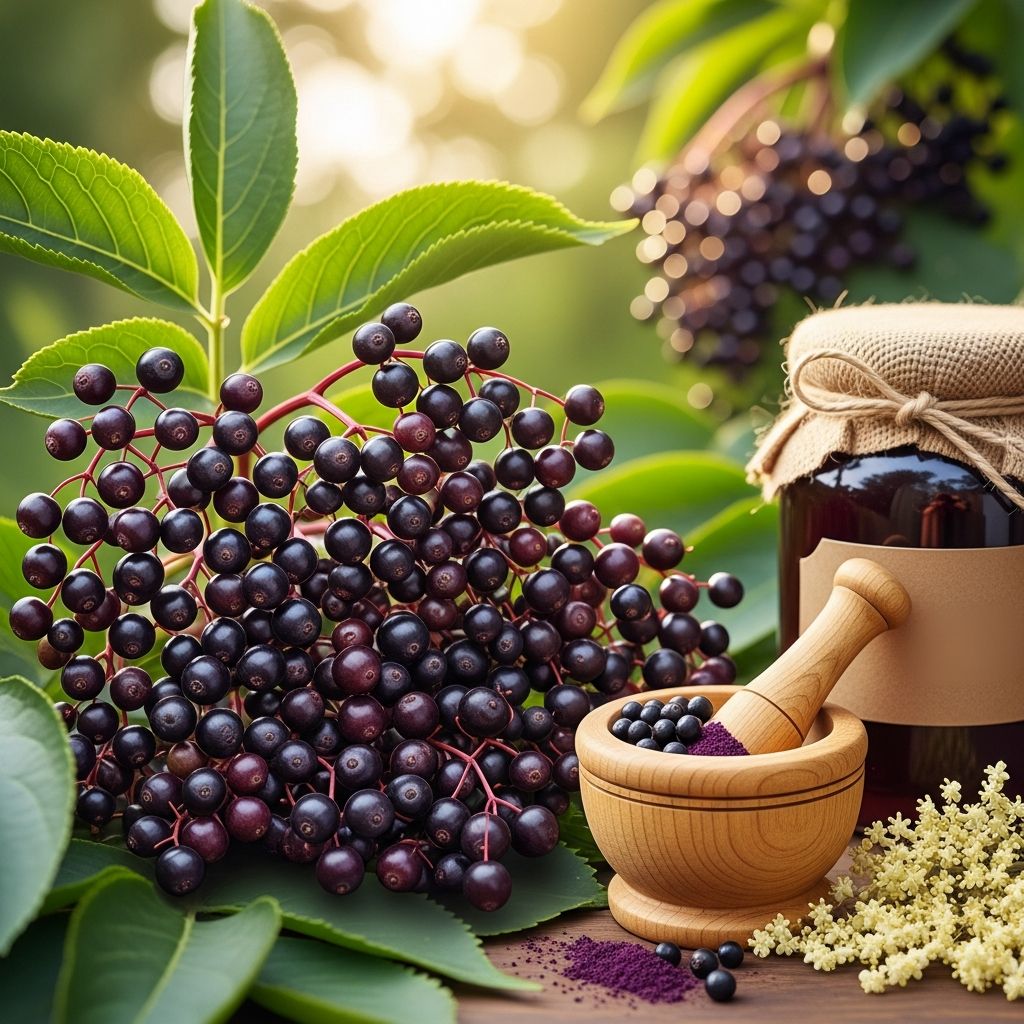
Elderberries are small, dark purple berries that grow on the elder plant, botanically known as Sambucus. While the berries themselves are the most commonly used part for health purposes, elderberry flowers are equally valuable and actually contain up to 10 times more flavonols than the berries themselves. These versatile berries can be consumed in various forms, including fresh juice, dried berries, syrups, lozenges, capsules, and even face washes.
Historically, elderberry has been used across multiple cultures as a natural medicine. In European and Native American traditional medicine, elderberry was employed to treat everything from fevers and infections to nerve pain and headaches. The berry’s popularity has endured through the centuries, and today it remains one of the most widely used herbal remedies in natural health practices.
Nutritional Profile of Elderberry
One of the primary reasons elderberry is so beneficial is its impressive nutritional composition. A single cup of elderberries contains approximately 58% of the recommended daily value of vitamin C, making it an excellent choice for those seeking to boost their immune system. Beyond vitamin C, elderberries are remarkably nutrient-dense.
Elderberries are an outstanding source of dietary fiber, providing 10.2 grams per cup, which represents a substantial portion of the recommended daily fiber intake. This fiber content alone offers numerous health benefits, including improved digestion, prevention of constipation, and protection against colorectal cancer. Additionally, elderberries are low in calories while being high in essential vitamins and minerals that support overall health.
The real power of elderberries lies in their antioxidant compounds. These include phenolic acids, flavonols (quercetin, kaempferol, and isorhamnetin), and anthocyanins—the compounds responsible for the berry’s distinctive dark purple color. These antioxidants work together to combat oxidative stress in the body, which is linked to chronic diseases like type 2 diabetes and cancer.
Fighting Colds and Flu
Perhaps the most well-known use of elderberry is its potential role in treating and preventing colds and flu. There is measurable evidence to support the claim that elderberry can help alleviate cold and flu symptoms, though the available research remains limited. In one notable study, participants with flu-like symptoms who took lozenges containing 175 milligrams of elderberry extract four times daily for two days reported significant improvement in symptoms such as fever, headache, muscle aches, and nasal congestion within 24 hours.
Research has also found that while elderberry may not prevent cold and flu symptoms entirely, people who consumed elderberry products experienced less severe symptoms that lasted for a shorter duration compared to control groups. This makes elderberry a potentially valuable tool for managing seasonal illness, particularly during cold and flu season when respiratory infections are most prevalent.
Related Stories



High in Antioxidants
Antioxidants are natural compounds found in foods that help remove harmful reactive molecules from the body. During normal metabolism, these reactive molecules accumulate and can cause oxidative stress, leading to chronic diseases. Research indicates that diets high in antioxidants may help prevent chronic disease and support long-term health.
Elderberries contain multiple types of antioxidants that work synergistically:
- Phenolic acids: Potent antioxidants that reduce damage from oxidative stress in the body
- Flavonols: Including quercetin, kaempferol, and isorhamnetin, with elderflower containing up to 10 times more than the berries
- Anthocyanins: Powerful anti-inflammatory antioxidants that give elderberries their dark purple color
Studies have demonstrated that antioxidant status improved in people within just 1 hour of drinking 400 milliliters of elderberry juice. Additionally, research on animals found that elderberry extract helped reduce inflammation and oxidative tissue damage. While these results are promising, it’s important to note that consuming elderberry in a regular diet typically has only a modest effect on overall antioxidant status, though every contribution to antioxidant intake can be beneficial.
May Support Heart Health
Emerging research suggests that elderberry may have positive effects on several markers of heart and blood vessel health. Studies have shown that elderberry juice may reduce the level of fat in the blood and decrease cholesterol levels. Since a diet high in flavonoids like anthocyanins has been associated with reduced risk of heart disease, the compounds found abundantly in elderberries may offer cardiovascular protection.
Research on animals has revealed additional cardiovascular benefits. Rats fed foods containing polyphenols extracted from elderberry showed reductions in blood pressure. Furthermore, elderberries may reduce levels of uric acid in the blood—a compound that, when elevated, is linked to increased blood pressure and negative effects on heart health.
Another important benefit related to heart health is elderberry’s potential to improve blood sugar control. Elderberry can increase insulin secretion and improve blood sugar levels, which is particularly important since type 2 diabetes is a major risk factor for heart and vascular disease. Studies have found that elderberry flowers inhibit the enzyme alpha-glucosidase, which may help lower blood sugar levels, and research on rats with diabetes given elderberry showed improved blood sugar control.
While these findings are encouraging, it’s crucial to acknowledge that a direct reduction in heart attacks or other symptoms of heart disease has not yet been demonstrated in human studies. Further research in humans is needed to confirm whether these promising laboratory and animal study results translate to significant cardiovascular benefits in people.
Treating Acne and Skin Health
Beyond internal health benefits, elderberry’s high levels of flavonoids suggest potential benefits for skin health. These compounds possess anti-inflammatory and antioxidant properties that help protect healthy cells from harmful free radicals, which play a role in skin problems like acne. The American Nutrition Association suggests that using an elderberry face wash can help combat acne because of its antiseptic effects.
Additionally, elderberries contain high levels of vitamin A, a nutrient essential for skin health. The American Nutrition Association also indicates that elderberries may soothe the skin, help ease the appearance of age spots, and prevent or lessen the development of wrinkles. While more research is needed to establish the efficacy of topical elderberry products for acne and aging skin, the nutrient profile suggests promising potential.
Anti-Inflammatory Effects
Inflammation is at the root of many chronic diseases, making anti-inflammatory compounds particularly valuable for long-term health. Elderberry contains anthocyanin, which acts as a powerful anti-inflammatory antioxidant. These compounds reduce the damage that oxidative stress can cause when free radicals are metabolized in the body, helping to maintain cellular health and prevent inflammation-related diseases.
Additional Health Claims
Beyond the well-documented benefits, elderberry has been associated with numerous other potential health effects, though many require further scientific validation:
- Fighting cancer: Both European and American elder varieties have demonstrated some cancer-inhibiting properties in test-tube studies, though human research is needed
- Fighting bacteria: Elderberry has been found to inhibit the growth of bacteria like Helicobacter pylori and may improve symptoms of sinusitis and bronchitis
- Digestive health: The high fiber content supports healthy digestion and may help prevent constipation
- Colorectal cancer prevention: The significant fiber content may offer protection against colorectal cancer
While these claims are interesting and supported by preliminary evidence, it’s important to approach them with appropriate caution. Many of these benefits have been observed primarily in laboratory settings or animal studies and have not been thoroughly tested in humans.
How to Use Elderberry
Elderberries can be consumed in multiple forms, each with its own advantages. The dried berries or juice are traditionally used to treat various conditions and can be prepared at home or purchased commercially. Elderberries can be cooked to create juice, jams, chutneys, and pies, or fermented to make elderberry wine. The flowers are often boiled with sugar to create a sweet syrup or infused into tea.
Modern convenience has led to the development of various commercial products, including elderberry syrup, lozenges, capsules, and topical applications. These products are widely available in online stores and health retailers, making it easy to incorporate elderberry into your health regimen in whatever form suits your preferences and lifestyle.
Important Safety Considerations
While elderberry is generally considered safe, there are important precautions to understand. Raw elderberries, as well as the seeds, leaves, and bark of the tree, contain a toxic substance and should not be consumed raw. Cooking elderberries eliminates this toxin, making cooked berries, extracts, and syrups safe for consumption. Additionally, raw elderberries can cause nausea, vomiting, and diarrhea in some individuals.
Another consideration is that commercial elderberry syrup often contains high levels of sugar. Those monitoring their sugar intake or managing conditions like diabetes should choose low-sugar alternatives or consult healthcare providers before use.
What the Research Says: A Balanced Perspective
While elderberry has been associated with many promising health benefits, it’s crucial to maintain a balanced perspective. Most research has been conducted in laboratory settings and has not been extensively tested in humans. The National Center for Complementary and Integrative Health notes that some preliminary research suggests elderberry may relieve symptoms of flu, colds, or other upper respiratory infections, though conclusive evidence is limited.
According to current evidence, reasonable support exists for using elderberry to help reduce the length and severity of flu symptoms. Additionally, elderberry may support heart health, improve antioxidant status, and potentially offer anti-cancer, anti-diabetes, and anti-inflammatory effects. However, elderberry cannot be recommended for any particular health benefit as a standalone treatment without further clinical research.
Frequently Asked Questions
Q: Is elderberry safe for children?
A: Elderberry is generally considered safe for children when properly prepared and used in appropriate doses. However, parents should ensure that raw elderberries are not given to children and should consult with pediatricians before introducing elderberry supplements, especially for very young children.
Q: Can I consume raw elderberries?
A: No, raw elderberries should not be consumed as they contain a toxic substance and can cause nausea, vomiting, and diarrhea. Only cooked elderberries, extracts, syrups, and other processed forms are safe for consumption.
Q: How much elderberry should I take daily?
A: Dosage varies depending on the form and product. Studies have used various doses, such as 175 mg of elderberry extract taken four times daily. Always follow product instructions and consult healthcare providers for personalized recommendations.
Q: Does elderberry interact with medications?
A: Some elderberry products may interact with certain medications. Individuals taking prescription medications, especially immunosuppressants or diabetes medications, should consult healthcare providers before using elderberry supplements.
Q: Can elderberry prevent the flu?
A: While elderberry may help reduce the severity and duration of flu symptoms, current evidence does not conclusively show that it prevents flu infection. It should be considered a complementary approach alongside traditional preventive measures like vaccination.
Q: Are there any side effects from elderberry?
A: When properly prepared and consumed in appropriate amounts, elderberry is generally well-tolerated. However, some individuals may experience mild digestive upset. Those with certain medical conditions or taking specific medications should consult healthcare providers first.
References
- The Pros and Cons of Elderberry — Healthline. 2024. https://www.healthline.com/nutrition/elderberry
- Elderberry: Health benefits, uses, and risks — Medical News Today. 2024. https://www.medicalnewstoday.com/articles/323288
- Health Benefits of Elderberry Syrup — WebMD. 2024. https://www.webmd.com/diet/health-benefits-elderberry-syrup
- What Elderberries Can (and Can’t) Do for Your Health — Cleveland Clinic. 2024. https://health.clevelandclinic.org/elderberry-benefits
- Elderberry: Usefulness and Safety — National Center for Complementary and Integrative Health (NCCIH). 2024. https://www.nccih.nih.gov/health/elderberry
Similar Articles








Read full bio of Sneha Tete