Elderberry Tea: Benefits, Nutrition, Recipes
Discover the potential immune-boosting, antioxidant-rich benefits of elderberry tea, plus how to brew it safely at home.
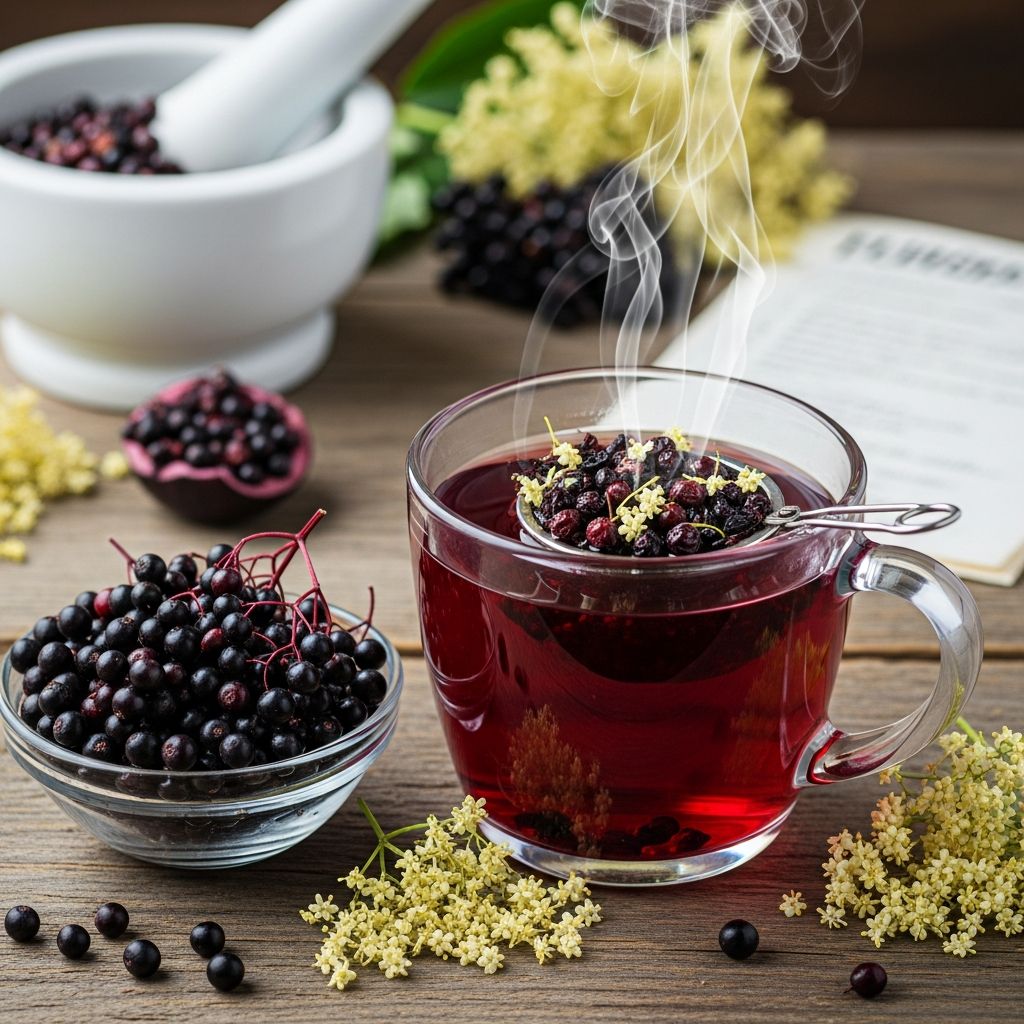
Elderberry tea, brewed from the dark purple berries of the Sambucus nigra plant, has gained popularity as a natural remedy for immune support and cold relief. Rich in antioxidants like anthocyanins, it may help reduce inflammation and shorten respiratory illness duration, though human studies remain limited. Registered dietitians emphasize its role as a flavorful, low-calorie addition to a healthy diet rather than a cure-all.
What Is Elderberry Tea?
Elderberry tea derives from elderberries, small berries from the elder tree native to Europe, North America, and parts of Asia. These berries have been used in folk medicine for centuries to treat colds, flu, and digestive issues. The tea is typically made by steeping dried or fresh elderberries in hot water, often combined with herbs like ginger or cinnamon for enhanced flavor and benefits.
Unlike elderberry syrup, which is concentrated and sweetened, tea offers a lighter, caffeine-free beverage option. Black elderberry (Sambucus nigra) is the most studied variety for health effects, containing bioactive compounds like flavonoids, phenolic acids, and vitamins. Always use commercially prepared berries, as raw elderberries contain cyanogenic glycosides that can cause nausea if not properly processed.
Nutrition Facts of Elderberry Tea
A typical 8-ounce (240 ml) cup of plain elderberry tea is low in calories (about 5-10 kcal) and provides minimal macronutrients. Key nutrients include:
- Vitamin C: Up to 58% of daily value per cup of berries, supporting immune function.
- Dietary Fiber: Aids digestion when berries are consumed whole.
- Antioxidants: Anthocyanins and flavonols combat oxidative stress.
- Polyphenols: May improve blood sugar and cholesterol levels.
Tea form dilutes these nutrients compared to eating berries or taking extracts, but it remains a good source of hydration and mild antioxidants. No significant protein, fat, or carbs per serving.
Potential Health Benefits of Elderberry Tea
While research focuses more on extracts and syrups, elderberry tea shares similar compounds and may offer comparable benefits in milder form.
Immune Support and Cold/Flu Relief
Elderberry shows promise in reducing cold and flu duration and severity. A 2019 meta-analysis found black elderberry syrup cut upper respiratory symptoms in 180 participants. A review of RCTs indicated faster recovery rates with elderberry versus placebo for influenza-like symptoms. Drinking tea daily may modulate cytokines without overstimulation risks, even during viral illnesses like COVID.
High in Antioxidants
Elderberries rank high in antioxidants, helping neutralize free radicals linked to chronic diseases like diabetes and cancer. Studies show improved antioxidant status post-elderberry juice consumption, with reduced inflammation markers like CRP and IL-6. Tea provides a gentle delivery method for these benefits.
Supports Heart Health
Related Stories



Polyphenols in elderberry may lower blood pressure, cholesterol, and uric acid levels. Animal studies report reduced liver cholesterol and improved vascular health. Human evidence is preliminary but suggests cardiovascular support.
Benefits for Blood Sugar Control
Elderberry may enhance insulin secretion and lower blood sugar, aiding type 2 diabetes management. Rat studies confirm these effects, though human trials are needed.
Relief for Constipation
Dried elderberry tea contains anthraquinones, laxative compounds similar to those in senna. Small studies show it promotes gut motility and relieves chronic constipation when combined with other herbs. Fiber content further supports digestion.
Anti-Inflammatory and Pain Relief
Topical elderberry eased knee osteoarthritis pain in a 2016 study. Oral tea may reduce inflammatory cytokines like TNF-alpha.
How to Make Elderberry Tea
Brewing elderberry tea is simple and customizable. Use dried organic berries for safety.
Basic Recipe
- Boil 2 cups water.
- Add 1-2 tablespoons dried elderberries (or 1 elderberry tea bag).
- Simmer 10-15 minutes.
- Strain, sweeten with honey if desired, and serve hot.
Variations:
- Ginger-Elderberry Tea: Add fresh ginger slices for extra immune boost.
- Cinnamon Clove Tea: Spice with cinnamon sticks and cloves for soothing warmth.
- Iced Version: Brew strong, chill, and add lemon.
Yield: 2 servings. Store refrigerated up to 3 days.
Nutrition Per Serving (Basic Recipe):
| Nutrient | Amount | % Daily Value |
|---|---|---|
| Calories | 8 kcal | 0% |
| Vitamin C | 10 mg | 11% |
| Antioxidants (Anthocyanins) | ~15 mg | – |
Estimates based on berry content; actual varies.
Is Elderberry Tea Good for You?
Yes, in moderation as part of a balanced diet. Evidence supports symptom relief for colds, antioxidant intake, and mild digestive aid. It’s not a substitute for vaccines or medications but a complementary option. Vulnerable groups should consult doctors.
Can You Drink Elderberry Tea Every Day?
Daily consumption (1-2 cups) appears safe for most adults, with studies showing no adverse effects up to 30 days. Benefits may accumulate for immune support, but rotate with other teas to avoid over-reliance. Monitor for digestive upset.
Risks and Side Effects
Generally safe when prepared correctly, but risks include:
- Gastrointestinal Issues: Nausea, diarrhea from raw berries.
- Allergic Reactions: Rare, but possible in pollen-sensitive individuals.
- Drug Interactions: May affect immunosuppressants or diabetes meds.
- Pregnancy/Breastfeeding: Avoid due to insufficient safety data.
No evidence of cytokine storm risk.
Who Should Not Drink Elderberry Tea?
- Pregnant or lactating women.
- Children under 1 year.
- Those with autoimmune diseases (consult physician).
- People on blood sugar-lowering medications.
Expert Tips from Dietitians
“Elderberry tea is a delicious way to hydrate and get antioxidants, but pair it with proven habits like sleep and handwashing for immunity.” – RD expert.
Choose organic, third-party tested products. Combine with vitamin C-rich foods for synergy.
Frequently Asked Questions (FAQs)
Q: Does elderberry tea help with colds?
A: Yes, studies suggest it shortens cold/flu duration by 2-4 days via antiviral effects.
Q: Is elderberry tea safe daily?
A: For most adults, 1-2 cups daily is safe short-term; long-term data limited.
Q: Can kids drink elderberry tea?
A: For children over 1, diluted versions ok; consult pediatrician.
Q: Does it boost immunity?
A: It supports via antioxidants; not a vaccine replacement.
Q: Raw elderberries safe?
A: No, cook to neutralize toxins.
References
- Elderberry: Help or Hype? — Food and Health Communications. 2022. https://www.foodandhealth.com/blog-free/elderberry-help-or-hype
- Elderberry for prevention and treatment of viral respiratory illnesses — PMC (PubMed Central). 2021-04-21. https://pmc.ncbi.nlm.nih.gov/articles/PMC8026097/
- The Pros and Cons of Elderberry — Healthline. 2023. https://www.healthline.com/nutrition/elderberry
- Health Benefits of Elderberry Syrup — WebMD. 2024. https://www.webmd.com/diet/health-benefits-elderberry-syrup
- What Elderberries Can (and Can’t) Do for Your Health — Cleveland Clinic. 2023. https://health.clevelandclinic.org/elderberry-benefits
Similar Articles








Read full bio of Sneha Tete