Elderberry: What You Need To Know About Uses And Safety
Explore elderberry's potential health benefits, current research, and safety considerations for respiratory health.
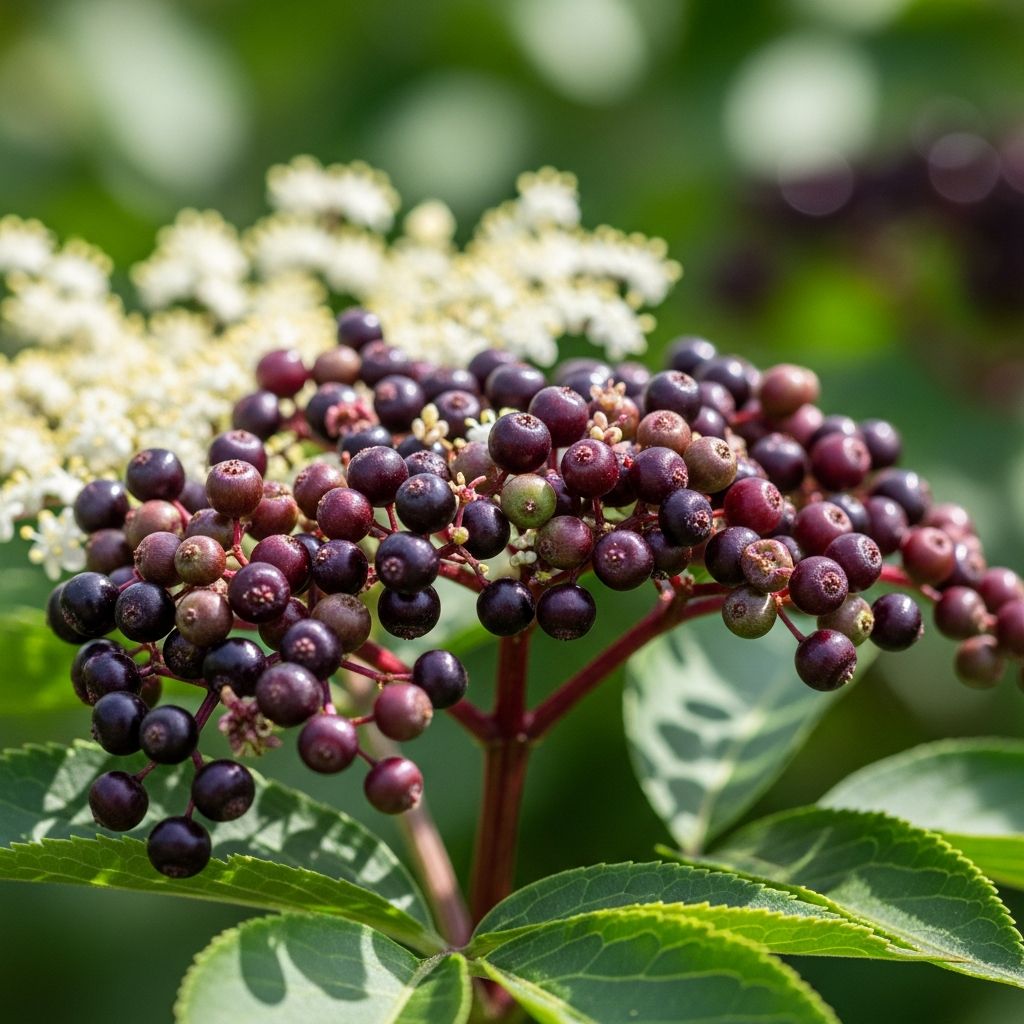
Elderberry, derived from the dark purple berries of the European or black elder tree, commonly known as Sambucus nigra, has emerged as one of the most popular herbal supplements in modern wellness practices. For centuries, traditional healers and herbalists have promoted elderberry for its purported health benefits, particularly for supporting respiratory health and boosting immune function. Today, elderberry supplements are widely available in various forms, including syrups, lozenges, capsules, and dried berries, marketed for managing colds, flu, and other upper respiratory infections. However, consumers and healthcare providers must understand what scientific evidence actually supports these uses and what safety considerations exist.
Understanding Elderberry: Origins and Traditional Uses
The elderberry comes from the Sambucus nigra tree, which is characterized by clusters of small white or cream-colored elderflowers and bunches of small blue or black elderberries. Native Americans and European herbalists have utilized elderberry for centuries in traditional medicine practices. Indigenous peoples brewed tea from elderberry flowers to treat respiratory infections and used the leaves and flowers in poultices applied to wounds. They also used the aged bark as a laxative, demonstrating the plant’s historical significance in folk medicine across multiple cultures.
In modern herbal practice, elderberry is frequently combined with other botanical ingredients such as echinacea and bee propolis to potentially enhance immune system function and alleviate viral symptoms. The berries themselves have been transformed into beverages, pies, and preserves throughout history, making elderberry a part of both culinary and medicinal traditions.
What Does the Research Show?
While elderberry enjoys considerable popularity as a dietary supplement, the scientific evidence supporting its effectiveness remains limited and uncertain. A comprehensive evaluation of available research reveals both promising findings and significant gaps in our understanding.
Evidence for Cold and Flu Treatment
Some preliminary research suggests that elderberry may relieve symptoms of flu, colds, or other upper respiratory infections. A 2019 meta-analysis examining four randomized controlled trials found that supplementation with black elderberry was significantly effective at reducing the total duration and severity of upper respiratory symptoms compared with placebo. This analysis suggests that elderberry may help individuals recover more quickly from common respiratory illnesses.
A 2016 double-blind, randomized controlled trial evaluating elderberry in air travelers provided additional evidence that elderberry may reduce cold symptom duration and severity. This research is particularly noteworthy because it examined elderberry’s effects in a population with frequent exposure to pathogens, demonstrating potential real-world applicability.
Further support comes from a larger-scale 2019 analysis of randomized controlled trials that found elderberry supplementation significantly reduced symptoms of upper respiratory infection. Some researchers conducting these studies concluded that for certain individuals, elderberry may represent a safer alternative to prescription drugs for treating flu and cold symptoms.
Limitations of Current Evidence
Despite these promising findings, a 2020 review of studies concluded that although there is a hypothetical benefit of elderberry for the treatment of viral infections, there is insufficient conclusive evidence from high-quality clinical trials. A comprehensive systematic review found that elderberry may reduce the duration and severity of colds, but the evidence remains uncertain. Similarly, while elderberry may reduce the duration of influenza, the evidence supporting this benefit is also uncertain.
Related Stories



Researchers have noted that a smaller number of studies in people have evaluated elderberry for flu and other upper respiratory infections, limiting the ability to draw firm conclusions. The current body of evidence, while suggesting potential benefits, does not provide the level of certainty needed for definitive health claims.
Nutritional Composition and Broader Health Claims
Elderberry contains several nutritionally significant compounds that have led researchers and consumers to explore its potential for additional health benefits. The fruit is rich in vitamin C, dietary fiber, and antioxidants. These components, particularly the antioxidant content, have generated interest in elderberry’s potential anti-inflammatory effects.
Proponents of complementary and alternative medicine suggest that elderberry could offer various other health benefits beyond respiratory support. Research has suggested that antioxidants can have anti-inflammatory effects and may show promise in preventing or treating many diseases, such as diabetes and cancer. However, no conclusive evidence has been determined to support these broader health claims.
Elderberry has shown some preliminary promise for other health conditions. Research into elderberry’s properties has suggested potential benefits for herpes and even support for HIV infection, though evidence remains limited. Additionally, a small double-blind, placebo-controlled study examined the potential benefits of elderberry for improving cholesterol levels. At the dose used in this study, no benefits were evident.
Safety Considerations and Potential Risks
Understanding the safety profile of elderberry is essential for consumers considering supplementation. While elderberry is generally recognized as a safe option for treating viral respiratory illness, important safety considerations exist.
Toxicity of Raw and Unripe Forms
Raw or unripe elderberries and other parts of the elder tree, such as the leaves and stem, contain toxic substances capable of causing nausea, vomiting, and severe diarrhea. However, cooking eliminates this toxin, making properly prepared elderberry products safe for consumption. This distinction is crucial for consumers purchasing elderberry supplements, as commercially available supplements are typically processed to remove these toxic components.
Immune System Stimulation Concerns
During the COVID-19 pandemic, concerns emerged that elderberry might overstimulate the immune system and increase the risk of ‘cytokine storm,’ a potentially dangerous excessive immune response. However, comprehensive research has found no evidence that elderberry overstimulates the immune system. A systematic review found no studies linking elderberry to clinical inflammatory outcomes.
While researchers did identify three studies measuring production of cytokines ex vivo after ingestion of elderberry, evidence shows that elderberry has some effect on inflammatory markers, although this effect may decline with ongoing supplementation. Notably, one small study comparing elderberry to diclofenac (a nonsteroidal anti-inflammatory drug) provided some evidence that elderberry is as effective or less effective than diclofenac in cytokine reduction over time.
FDA Guidance and Regulatory Status
The U.S. Food and Drug Administration (FDA) and Federal Trade Commission have taken significant action regarding elderberry marketing practices. Both agencies have taken action against companies that marketed elderberry products with unsubstantiated claims of effectiveness for COVID-19. The FDA has cautioned that claims regarding elderberry’s ability to improve immunity have not been substantiated.
These regulatory actions reflect the gap between commercial marketing claims and scientific evidence. While elderberry may offer some benefits for respiratory symptoms, claims that it can prevent COVID-19, treat COVID-19, or comprehensively boost immune function lack adequate scientific support.
Comparative Safety Profile
Compared to oseltamivir (Tamiflu), a prescription antiviral medication commonly used for influenza, an elderberry-containing product may be associated with a lower risk of influenza complications and adverse events. This suggests that for some individuals, elderberry may represent a gentler option with fewer side effects, though its efficacy may differ from pharmaceutical interventions.
Practical Use and Supplementation
For individuals considering elderberry supplementation for respiratory health, several practical considerations apply. The research showing the most promise involves using elderberry at the onset of cold or flu symptoms or during periods of known exposure to illness, such as frequent air travel. A 2016 study specifically examined elderberry’s effects in air travelers, finding that it reduced the cold and flu symptoms of this high-risk population.
While elderberry appears to have a favorable safety profile when properly processed, consumers should select products from reputable manufacturers and follow recommended dosage instructions. The wide variety of elderberry products available—from syrups to capsules—may influence absorption and effectiveness, though research comparing different formulations remains limited.
What We Still Need to Know
There is not enough information to show whether elderberry is helpful for any health purposes beyond the preliminary evidence for upper respiratory symptoms. Future research should focus on large-scale, high-quality clinical trials to establish whether elderberry’s benefits for colds and flu are clinically significant and consistent across different populations.
Information from recent and ongoing studies is necessary to make firm conclusions about elderberry’s benefits and harms. Researchers must continue investigating optimal dosages, appropriate patient populations, ideal timing for supplementation, and potential interactions with medications or other supplements.
Frequently Asked Questions
Q: Is elderberry effective for treating COVID-19?
A: No. There is no good evidence to support elderberry’s use for COVID-19. The FDA and Federal Trade Commission have taken action against companies making unsubstantiated claims about elderberry’s effectiveness for this disease.
Q: Can elderberry overstimulate the immune system?
A: No. There is no evidence that elderberry overstimulates the immune system or increases the risk of cytokine storm.
Q: Are raw elderberries safe to consume?
A: Raw or unripe elderberries and other parts of the elder tree contain toxic substances that can cause nausea, vomiting, and severe diarrhea. However, cooking eliminates the toxin, making properly prepared elderberry supplements safe for consumption.
Q: How much research supports elderberry for colds and flu?
A: While some preliminary research suggests elderberry may relieve cold and flu symptoms, the evidence is limited. A 2020 review concluded that high-quality clinical trial evidence is lacking, and more research is needed to make firm conclusions.
Q: Can elderberry be combined with other supplements?
A: In modern herbal practice, elderberry is often combined with echinacea and bee propolis. However, consumers should consult healthcare providers before combining supplements, particularly if taking medications.
Q: What is the most common type of elderberry used in supplements?
A: Sambucus nigra, also known as black elderberry or European elderberry, is the most common type used in supplements and herbal remedies.
References
- The Common Cold and Complementary Health Approaches – Science — National Center for Complementary and Integrative Health. 2024. https://www.nccih.nih.gov/health/providers/digest/the-common-cold-and-complementary-health-approaches-science
- Elderberry’s Therapeutic Uses — EBSCO Information Services. 2024. https://www.ebsco.com/research-starters/complementary-and-alternative-medicine/elderberrys-therapeutic-uses
- Elderberry for Prevention and Treatment of Viral Respiratory Illnesses — National Center for Complementary and Integrative Health. 2021. https://pubmed.ncbi.nlm.nih.gov/33827515/
- Elderberry: Health Benefits, Uses, and Risks — Medical News Today. 2024. https://www.medicalnewstoday.com/articles/323288
- Elderberry: Usefulness and Safety — National Center for Complementary and Integrative Health. 2024. https://www.nccih.nih.gov/health/elderberry
- Elderberry: Science and Safety — National Center for Complementary and Integrative Health. 2025-01-16. https://content.govdelivery.com/accounts/USNIHNCCIH/bulletins/3cc6a32
Similar Articles








Read full bio of medha deb