Elderflower Benefits: 6 Health Uses & Key Insights
Discover the potential health benefits of elderflower, from immune support to antioxidant effects and traditional remedies.
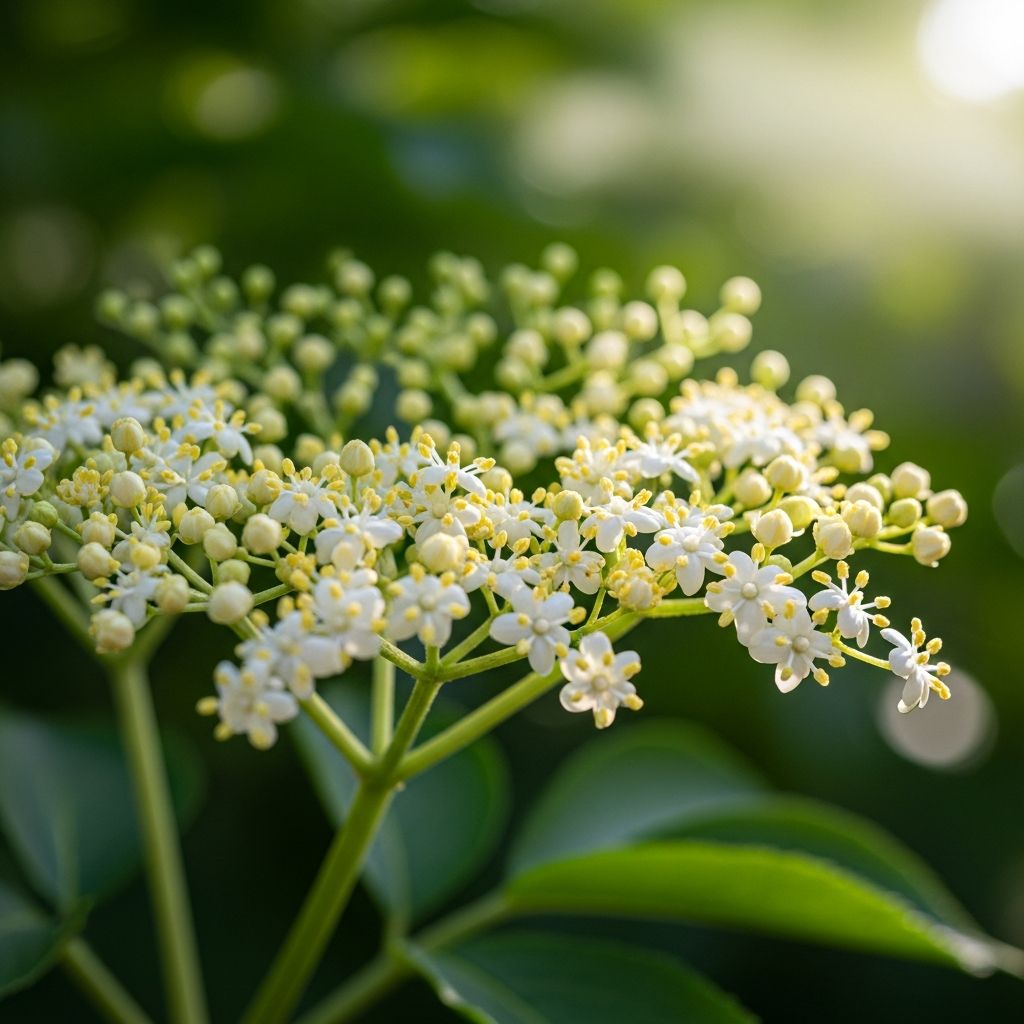
Elderflower, derived from the Sambucus nigra tree, has been used for centuries in traditional medicine for its potential health-promoting properties. Rich in bioactive compounds like flavonoids, phenolic acids, and triterpenes, elderflower exhibits antioxidant, anti-inflammatory, and immune-modulating effects. Modern research supports some traditional uses, particularly for respiratory health and metabolic support, though more human studies are needed.
What Is Elderflower?
Elderflower refers to the creamy-white blossoms of the elder tree (Sambucus nigra), a deciduous shrub native to Europe, North America, and parts of Asia. Unlike elderberries, which are the dark purple fruits, elderflowers are harvested in late spring to early summer for culinary and medicinal purposes. They contain essential oils, flavonoids (such as quercetin and kaempferol), phenolic acids (chlorogenic, caffeic, ferulic, and p-coumaric acids), triterpenes (α- and β-amyrin, ursolic acid), and sterols (β-sitosterol). These compounds contribute to its high antioxidant activity and potential therapeutic effects.
Historically, elderflowers have been brewed into teas, cordials, and infusions for treating colds, fevers, and skin issues. Today, they appear in supplements, herbal teas, and skincare products. The flowers are distinguished from elderberries by their lighter color and milder flavor, offering a floral, slightly sweet taste ideal for beverages.
Potential Health Benefits of Elderflower
Elderflower’s bioactive profile supports various health areas, backed by preliminary lab, animal, and traditional evidence.
1. High in Antioxidants
Elderflowers are rich in phenols and flavonoids, providing potent antioxidant activity that combats oxidative stress. These compounds neutralize free radicals, potentially reducing cellular damage linked to aging, inflammation, and chronic diseases. Studies show elderflower extracts have higher antioxidant capacity than some fruits and vegetables, aiding in the prevention of cardiovascular issues by capturing reactive oxygen species (ROS) and inhibiting their formation.
2. May Promote Respiratory Health
Traditionally used for colds, flu, and upper respiratory infections, elderflower acts as an expectorant, increasing mucus production and the cough reflex to clear airways. It reduces catarrh (excess mucus) in sinuses, making it effective for hay fever, sinusitis, and tonsillitis. Triterpenes enhance mucus secretion, while anti-inflammatory flavonoids soothe irritated tissues. In vitro studies indicate elderflower inhibits pathogens like MRSA more effectively than elderberries or leaves.
3. Could Help Lower Blood Sugar
Preliminary research suggests elderflower supports healthy blood sugar levels. Animal studies demonstrate triterpenes stimulate insulin production, slow glucose absorption, and lower post-meal spikes. Rat models showed reduced glucose, LDL, and total cholesterol, indicating antidiabetic potential and protection against complications like diabetic nephropathy. Chlorogenic acid further aids by stimulating glucose uptake and intestinal peristalsis.
4. Might Reduce Inflammation
Flavonoids and triterpenes in elderflower exhibit anti-inflammatory effects by inhibiting elastase, a proteolytic enzyme that promotes inflammation. This may benefit conditions like atherosclerosis, where elderflower reduces vascular inflammation. Triterpenes also limit pro-inflammatory cells, potentially aiding cancer prevention by altering the tumor microenvironment. Its diaphoretic action supports fever management by promoting sweating and heat dissipation.
5. May Aid Skin Health
Elderflower’s diaphoretic and detoxifying properties clear skin pores, improving complexion and treating blemishes. Topical applications, like elderflower water, brighten skin and reduce inflammation from burns or wounds. Its antioxidants protect against UV damage and aging.
6. Other Potential Benefits
- Diuretic Effects: Promotes urine production, aiding detoxification and reducing edema.
- Circulatory Support: Acts as a peripheral vasodilator, improving blood flow to extremities.
- Neuroprotection: Stem cell studies suggest extracts suppress neurotoxicity from environmental stressors.
- Antimicrobial: Inhibits bacterial growth, including antibiotic-resistant strains.
Related Stories



How to Use Elderflower
Elderflower is versatile for internal and external use. Always source from reputable suppliers to avoid contamination.
Tea/Infusion
Steep 1-2 teaspoons of dried elderflowers in 8 oz hot water for 10 minutes. Drink 2-3 cups daily for colds or fever. Add honey or lemon for taste.
Cordials and Syrups
Combine flowers with sugar, water, and citrus for a soothing cordial. Use diluted for hydration during illness.
Topical
Brew strong tea as a wash for skin issues or add to baths for detoxification.
Supplements
Available as capsules (300-500 mg) or tinctures (1-2 ml). Follow label instructions.
| Form | Dosage | Best For |
|---|---|---|
| Tea | 1-3 cups/day | Respiratory, fever |
| Tincture | 1-2 ml, 3x/day | Immune support |
| Capsules | 300-500 mg/day | Antioxidants |
| Topical | As needed | Skin health |
Side Effects and Precautions
Elderflower is generally safe in moderation but unripe or improperly prepared parts can cause nausea or cyanide poisoning due to cyanogenic glycosides. Avoid if pregnant, breastfeeding, or on diabetes medications without consulting a doctor, as it may lower blood sugar. Rare allergic reactions include rash or breathing issues. Start with small doses.
Who Should Avoid Elderflower?
- Those with Sambucus allergies.
- Autoimmune disease patients (may overstimulate immunity).
- Children under 12 without supervision.
- Individuals on immunosuppressants or diuretics.
FAQs
Is elderflower the same as elderberry?
No. Elderflower is from the flowers; elderberry from the fruit. Flowers focus on antioxidants and respiratory aid; berries on immunity and nutrients.
Can elderflower help with colds?
Yes, its expectorant and anti-catarrhal properties relieve symptoms like congestion and fever.
Does elderflower lower blood sugar?
Animal studies suggest yes, via insulin stimulation and glucose modulation, but human evidence is limited.
Is elderflower safe for daily use?
In food amounts, yes. Consult a healthcare provider for supplements.
How do you make elderflower tea?
Steep dried flowers in hot water 5-10 minutes. Strain and enjoy.
References
- Elderberry vs. Elderflower: What’s The Difference? — Starwest Botanicals. 2023. https://www.starwest-botanicals.com/blog/elderberry-vs-elderflower-whats-the-difference-starwest-botanicals/
- Elderflowers (Sambuci flos L.): A Potential Source of Health … — PMC (PubMed Central). 2024-09-05. https://pmc.ncbi.nlm.nih.gov/articles/PMC11354468/
- Elderflower (Sambucus nigra): Benefits, Safety, Uses — Herbal Reality. 2023. https://www.herbalreality.com/herb/elderflower/
- Elderflower – Uses, Side Effects, and More — WebMD. 2025. https://www.webmd.com/vitamins/ai/ingredientmono-708/elderflower
- Elder — Spring To Health. 2024. https://springtohealth.com/herbs/elder/
Similar Articles








Read full bio of Sneha Tete