Electric Shock Injury: Causes, Effects & First Aid
Understand electrical shock injuries, their effects on the body, and essential first aid and emergency response procedures.
Understanding Electric Shock and Electrical Injury
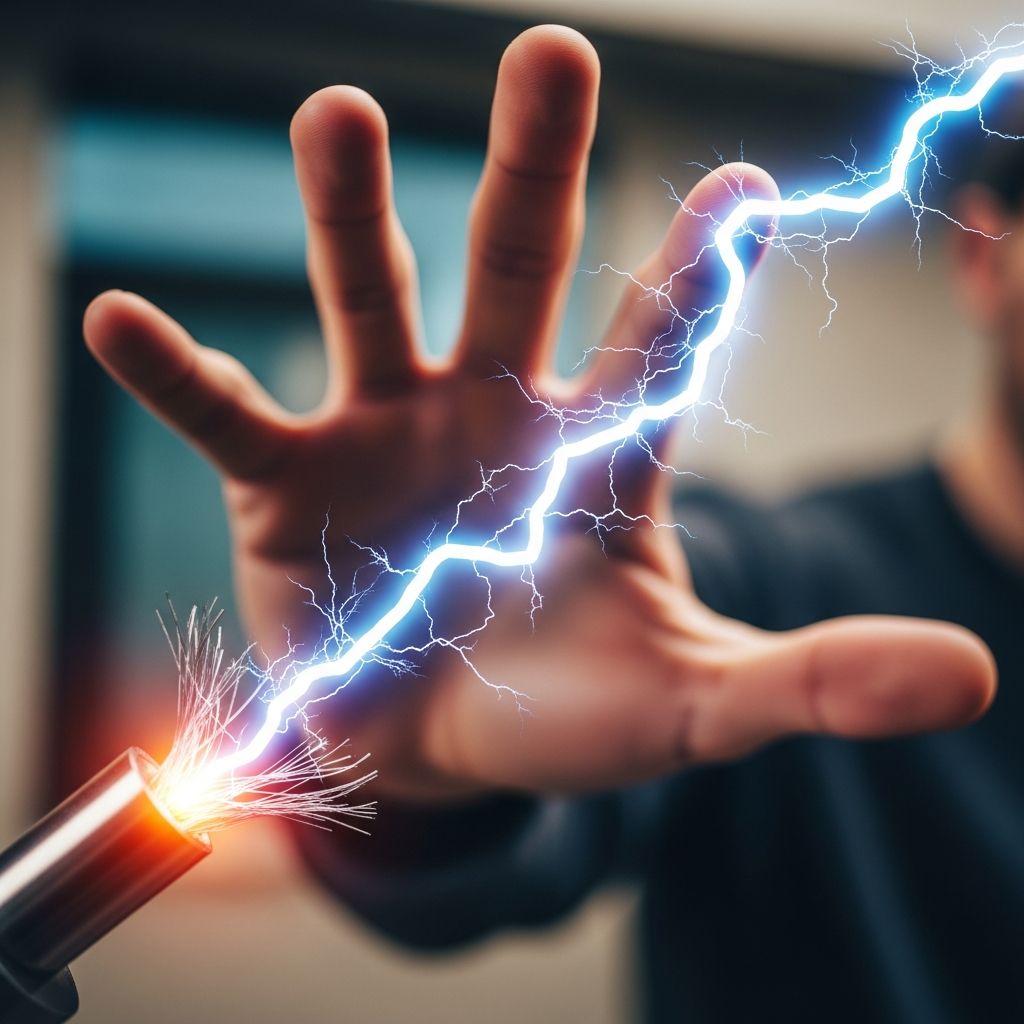
An electric shock occurs when an electrical current touches or passes through your body. The severity of these injuries can vary dramatically, ranging from mild tingling sensations to severe complications or even death. Understanding how electricity affects your body is crucial for both prevention and appropriate response during emergencies.
Electrocution specifically refers to situations where an electric shock causes severe injury or fatal consequences. While many people experience minor electrical incidents without serious harm, it’s essential to recognize that electricity poses a genuine threat to human health and safety.
How Electricity Damages the Body
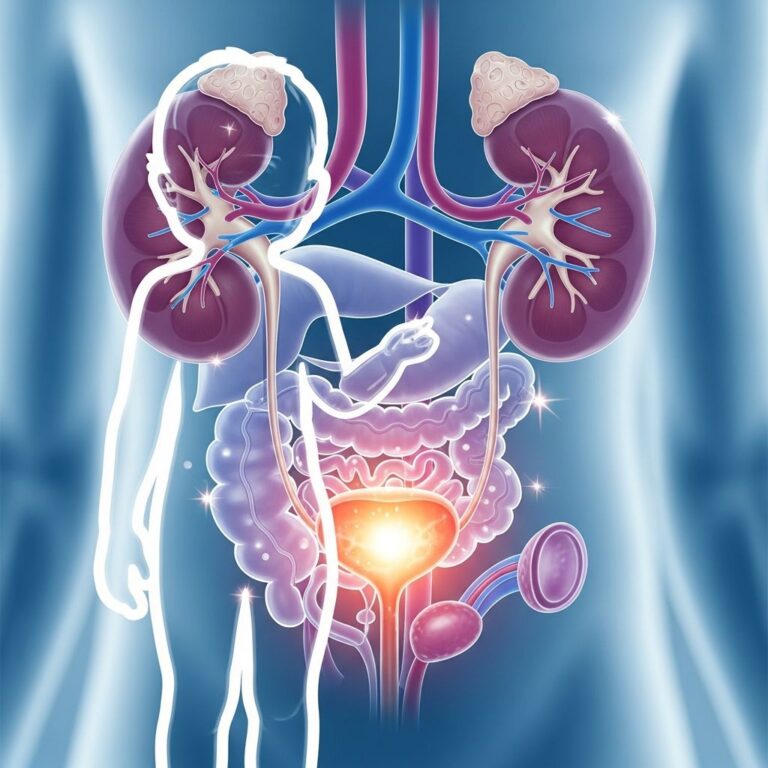
Your skin acts as a poor conductor of electricity, providing some natural protection against electrical current. However, your body contains numerous excellent electrical conductors that are far more vulnerable. Your blood vessels, muscles, and nerves—particularly your spinal cord—conduct electricity very effectively. Additionally, organs that rely heavily on electrical signals for their function, such as your heart and brain, are extremely susceptible to damage from electrical current.
When electricity passes through your body, it follows the path of least resistance and generates heat along the way. This heat causes thermal damage to tissues throughout the current’s pathway. Different tissues have varying levels of resistance to electrical current. Bone, tendon, and fat have high resistance and experience significant heat damage, while nerve and vascular tissue have lower resistance. Muscle tissue carries the majority of electrical current due to its larger volume, making it especially vulnerable to injury from electrical exposure.
Types of Electrical Current and Their Effects
The type of electrical current you’re exposed to significantly influences the severity of injury. Alternating current (AC) at 60 Hz, which is standard in household electrical systems, can trigger involuntary muscle contractions. This “no-let-go” phenomenon causes affected individuals to grip the electrical source uncontrollably, prolonging their contact with the current and dramatically increasing injury severity. High-voltage electricity typically causes greater acute injury, though both low and high-voltage exposures can result in serious long-term complications regardless of initial severity.
Immediate Effects and Complications
Electric shock produces obvious immediate effects on your body:
- Thermal burns at entry and exit points
- Cardiac arrhythmias and heart rhythm disturbances
- Tingling sensations and abnormal nerve sensations (paresthesias)
- Seizures
- Loss of sensory and motor function
- Loss of consciousness
- Respiratory arrest
- Internal tissue damage
Importantly, acute neurologic symptoms that appear immediately after electrical injury generally have better recovery prospects than delayed-onset neurologic symptoms. The initial injury might cause temporary nerve dysfunction, but progressive cellular damage can lead to worsening symptoms over time.
Long-Term Sequelae of Electrical Injury
For survivors of electrical injury, long-term complications can be subtle, pervasive, and difficult to diagnose. Many patients and physicians fail to recognize connections between the electrical injury and subsequent symptoms that develop days, weeks, or even years afterward.
Neurological Complications
Permanent peripheral nerve injury at the current’s entry site is extremely common following electrical injury. Peripheral mononeuropathies or polyneuropathies frequently develop as long-term sequelae. Nerve damage can result from structural lesions including hemorrhage, brain swelling, or cell death in critical nerve regions. Pain becomes a chronic and challenging complaint for many survivors.
Related Stories



Psychological Effects
Psychological consequences are significant, particularly for those who experience the “no-let-go” phenomenon of involuntary muscle contraction. Depression and post-traumatic stress disorder occur more frequently in these patients. Loss of consciousness, memory loss, and being violently thrown from the electrical source are also correlated with increased rates of depression and PTSD diagnosis.
Cataract Development
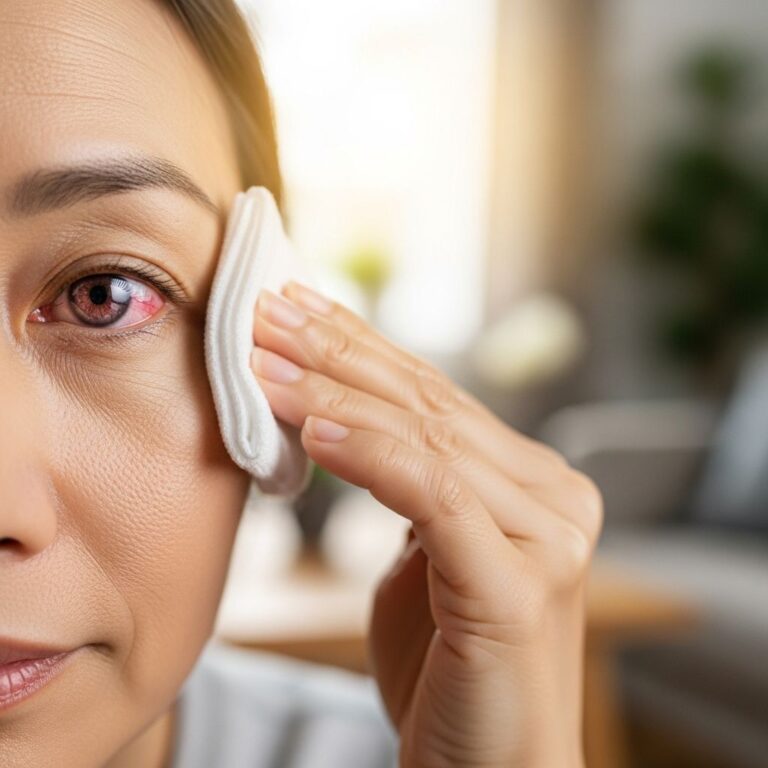
As many as 6% of electrical injury survivors develop cataracts within the first year following exposure, with additional patients developing cataracts within three years. This delayed ophthalmologic complication emphasizes the importance of ongoing medical follow-up.
Diagnostic Approaches
Healthcare providers employ multiple diagnostic methods and tools to assess electrical injuries. They begin with a comprehensive physical and neurological examination to identify effects of the electrical damage. They’ll ask detailed questions about what happened during the incident, and if you’re unable to communicate, they’ll interview witnesses or first responders.
Several diagnostic tests help identify related injuries and complications, though these tests don’t directly diagnose the electrical injury itself. Common testing includes:
- Electrocardiogram (ECG) to monitor heart rhythm
- Blood tests to detect muscle damage and other internal injuries
- Imaging studies to visualize internal damage
- Electromyography (EMG) to assess nerve and muscle function
- Neurological testing
First Aid and Immediate Response
If you encounter someone experiencing an electrical shock who cannot let go of the electrical source, follow these critical steps:
- Do not touch the person directly—you risk being shocked yourself
- Turn off the power entirely if possible
- Use a non-conductive object made entirely of plastic or wood to break the electrical connection
- Move away from the electrical source once contact is broken
- Call emergency services immediately
- Begin CPR if the person is unresponsive and not breathing
Medical Treatment and Care
There is no direct treatment for electrical shock itself. Instead, medical care focuses on managing the effects and symptoms caused by the electrical injury. Treatment approaches may include:
- Wound care and management of electrical burns
- Cardiac monitoring and treatment of arrhythmias
- Pain management
- Treatment of seizures if they occur
- Respiratory support if needed
- Fluid and electrolyte management
- Surgical intervention for severe burns or tissue damage
- Psychological counseling and support
When to Seek Medical Care
The appropriate level of medical care depends on the type and severity of the electrical shock:
- High-voltage electrical shocks: Always constitute a medical emergency. Call 911 or local emergency services immediately.
- Low-voltage shocks with burns: Require immediate emergency room treatment. Do not attempt self-treatment.
- Low-voltage shocks without visible burns: Still warrant medical evaluation. See your primary care provider within two days, or visit an urgent care clinic.
- Any electrical shock with symptoms: Seek hospital or emergency room care, even if symptoms develop later.
Anyone who receives an electrical shock should obtain medical care, even when there are no immediately noticeable symptoms. Electrical injuries can cause damage inside your body that remains invisible without proper medical evaluation.
Delayed Effects of Electrical Injury
Delayed effects are absolutely possible after electrical shock. The most likely causes of delayed complications include irregular heart rhythms that develop after the initial injury and infections from contaminated wounds. If you’re shocked and develop burns or notice any unusual symptoms—even those that seem unrelated to the electrical injury—seek medical attention promptly. A medical professional can determine whether these symptoms connect to your electrical exposure.
Prognosis and Recovery
Electrical shocks can range from very mild to severe and fatal. The outlook for any individual depends on numerous factors including the electrical source, duration of the shock, voltage and amperage, current type, and your personal health history. The severity of visible burns does not necessarily correlate with the extent of internal damage. This is why your healthcare provider is the best resource for understanding what you can realistically expect in terms of recovery and long-term outcomes.
It’s important to note that electrical injury is unique in that it typically results in relatively low mortality rates compared to other serious injuries, yet it produces very high rates of short-term and long-term complications among survivors. This means that while many people survive electrical injuries, they often face significant ongoing health challenges.
Prevention Strategies
Preventing electrical injuries is far superior to treating them. One highly effective prevention tool is the Ground Fault Circuit Interrupter (GFCI) outlet. GFCI outlets can make a tremendous difference in protecting you from outlet-related electrical shocks. These devices automatically cut off electricity at much lower levels than standard circuit breakers or fuses, potentially saving you from serious harm or worse.
Additional prevention measures include:
- Keeping electrical appliances away from water sources
- Avoiding the use of electrical devices with wet hands
- Having a qualified electrician inspect and maintain your electrical system
- Teaching children about electrical safety
- Using properly grounded electrical outlets
- Keeping cords in good condition and replacing damaged ones
Important Reminders
Most electrical shocks are minor and don’t cause dangerous effects. However, it’s essential to remember that electrical shocks can cause internal damage you cannot see. When in doubt, the safest approach is to err on the side of caution. Call your healthcare provider or go to the hospital after experiencing an electrical shock. Getting medical care quickly can catch any issues you might have and provide peace of mind. Many people who experience electrical shocks worry about whether they truly need emergency care—the answer is that prompt medical evaluation is always the safer choice.
Frequently Asked Questions
Q: What is the difference between an electrical shock and electrocution?
A: An electrical shock is any incident where electrical current touches or passes through your body. Electrocution specifically refers to a situation where an electrical shock causes severe injury or death.
Q: Can electrical damage happen internally without visible burns?
A: Yes. Electricity can cause significant internal damage to muscles, nerves, and organs even when there are no visible external burns. This is why medical evaluation is important even for seemingly minor shocks.
Q: Is it safe to touch someone being electrocuted?
A: No. Never touch someone who is actively being shocked, as you will be shocked as well. Instead, turn off the power or use a non-conductive object to break the connection.
Q: What should I do if I experience delayed symptoms after an electrical shock?
A: Seek medical attention immediately. Delayed symptoms such as heart rhythm problems, nerve pain, or infection can develop after electrical injury and require professional evaluation and treatment.
Q: Are GFCI outlets effective at preventing serious electrical injuries?
A: Yes. GFCI outlets are highly effective because they cut off electricity at much lower levels than standard circuit breakers, significantly reducing the risk of serious harm from electrical shock.
References
- Electrical Shock (Electrical Injury) First Aid — Cleveland Clinic. 2025-11-18. https://my.clevelandclinic.org/health/diseases/electric-shock-injury
- Long-term sequelae of electrical injury — National Center for Biotechnology Information, U.S. National Library of Medicine. https://pmc.ncbi.nlm.nih.gov/articles/PMC3771718/
- Electrical Burn First Aid Treatment — Cleveland Clinic. https://my.clevelandclinic.org/health/diseases/electrical-burn
- Are we all clear? Unintended shocks to caregivers during defibrillation — Cleveland Clinic Journal of Medicine, Vol. 87, No. 1. https://www.ccjm.org/content/87/1/16
- EMG (Electromyography) — Cleveland Clinic. https://my.clevelandclinic.org/health/diagnostics/4825-emg-electromyography
Similar Articles








Read full bio of Sneha Tete