Electrocardiogram: Comprehensive Guide to EKG Testing
Understanding electrocardiograms: How EKG tests diagnose and monitor heart health effectively.
Understanding the Electrocardiogram: A Comprehensive Guide to EKG Testing
An electrocardiogram, commonly abbreviated as EKG or ECG, is one of the most fundamental and widely used diagnostic tools in modern medicine. This simple, non-invasive test measures the electrical activity of your heart and provides valuable information about how well your heart is functioning. Whether you’re experiencing symptoms of heart problems or undergoing routine health screening, understanding what an electrocardiogram is and how it works can help you make informed decisions about your cardiac health.
What Is an Electrocardiogram?
An electrocardiogram is a diagnostic test that records the electrical signals produced by your heart as it beats. With each heartbeat, an electrical wave travels through your heart, causing the muscle tissue to contract and pump blood throughout your body. Your heart’s electrical system is responsible for maintaining a steady, regular rhythm that allows proper blood circulation. The electrocardiogram captures these electrical impulses and displays them as a series of waves on a graph, creating a visual representation that healthcare providers can analyze to assess cardiac function.
The test works by detecting the small electrical changes on the surface of your skin that result from your heart’s muscle contractions. These electrical signals are detected by electrodes placed on specific areas of your body and transmitted to a machine that records and displays them. The resulting EKG tracing shows the rate at which your heart is beating, whether the rhythm is regular or irregular, and the strength and timing of electrical signals in each part of your heart.
Historical Background
The electrocardiogram has a rich history in medical diagnostics. It was first invented in 1902 by Dutch physician Willem Einthoven, whose groundbreaking work established the foundation for modern cardiac assessment. Einthoven’s development of this technology revolutionized the field of cardiology and provided physicians with an objective method to evaluate heart function. Since its invention, the EKG has remained a cornerstone of cardiac diagnosis and continues to be refined and improved with technological advances.
Why an Electrocardiogram Is Performed
Electrocardiograms are performed for numerous clinical reasons. They serve as both a diagnostic tool for identifying existing heart problems and a monitoring tool for tracking the progression of known cardiac conditions. Healthcare providers order EKGs to evaluate symptoms, assess treatment effectiveness, and screen for cardiac abnormalities in various patient populations.
Common Reasons for EKG Testing
Your healthcare provider may recommend an electrocardiogram if you’re experiencing specific symptoms that suggest a cardiac condition. These symptoms include chest pain or discomfort, a rapid or irregular heartbeat, shortness of breath, dizziness, unexplained fatigue, or a noticeable decrease in your ability to exercise. An EKG can help determine whether these symptoms are related to heart problems or other underlying conditions.
Beyond symptom evaluation, EKGs are used to diagnose and monitor various heart conditions, including arrhythmias (irregular heartbeats), cardiomyopathy (disease of the heart muscle), congenital heart defects (heart problems present from birth), coronary artery disease (narrowing of blood vessels supplying the heart), heart attacks, heart failure, and heart valve disease. Additionally, your doctor may order an EKG to determine if you have had a previous heart attack that went unrecognized, to monitor the effectiveness of your current heart medications or medical devices like pacemakers, or as part of routine health screening before surgery or for occupational requirements.
Related Stories



What an EKG Can Reveal
An electrocardiogram provides specific information about your cardiac electrical system. It shows how fast your heart is beating by measuring your heart rate. It demonstrates whether your heartbeat is steady and regular or irregular and chaotic. The test also reveals the strength of electrical signals traveling through your heart and the timing of these signals, helping physicians identify where abnormalities may be occurring in the cardiac system.
Understanding EKG Components and Waves
When a heart beats normally and steadily, the electrocardiogram produces a characteristic pattern with distinct waves and complexes. Understanding these components helps explain what healthcare providers are looking for when interpreting your results.
The P Wave
The first peak visible on an EKG tracing is called the P wave. This wave represents the electrical impulse spreading across the two upper chambers of the heart, known as the atria. When you see the P wave on the tracing, it indicates that the atrial muscle is contracting and squeezing blood down into the lower chambers of the heart, called the ventricles.
The QRS Complex
After the P wave, the electrical impulse reaches the ventricles, which are recorded as the QRS complex. This complex consists of three distinct deflections labeled Q, R, and S. The QRS complex represents the electrical activity as it spreads through the ventricles, causing these powerful chambers to contract and pump blood throughout the entire body. The QRS complex is typically the most prominent feature on an EKG tracing.
The T Wave
Following the QRS complex, the T wave appears on the EKG. This wave indicates that the electrical impulse has stopped spreading through the ventricles and that the ventricular muscle is relaxing, or repolarizing. After the T wave, the cycle is complete, and the heart is ready for the next heartbeat. By examining the shape, size, and timing of each of these waves, healthcare providers can identify abnormalities in your heart’s electrical function.
The EKG Procedure: What to Expect
Standard 12-Lead EKG
The standard electrocardiogram used in most clinical settings is called a 12-lead EKG. This test uses a total of ten electrodes to measure electrical activity from twelve different angles, providing a comprehensive view of your heart’s electrical system. Six electrodes are placed on your chest wall, specifically on the front and sides of your chest. One electrode is placed on each of your forearms, and one electrode is placed on each of your calves, for a total of ten electrodes attached to your body.
Preparation for Your EKG
An electrocardiogram requires minimal preparation on your part. Before the test, you should wear comfortable, loose-fitting clothing that allows easy access to your chest, arms, and legs where the electrodes will be placed. If you have excessive body hair on your chest or other electrode placement sites, your healthcare provider may shave small areas to ensure good contact between the electrodes and your skin. No fasting or special dietary restrictions are necessary before an EKG. You should avoid caffeinated beverages and strenuous exercise immediately before the test, as these can affect your heart rate and potentially alter the results.
During the Test
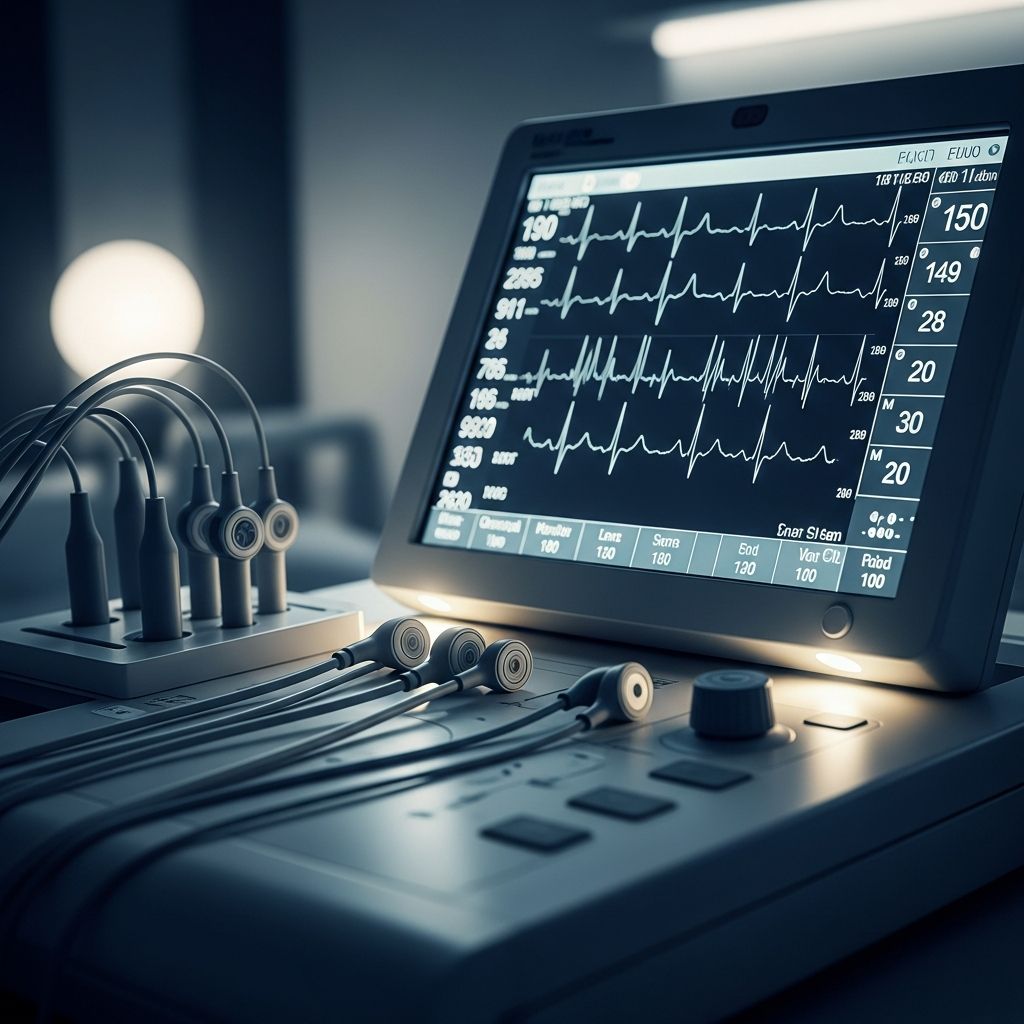
During an electrocardiogram, you will be asked to lie down on an examination table. The electrodes are then attached to the prepared areas of your skin using adhesive pads. These electrodes are connected by cables to the electrocardiograph machine, which receives the electrical signals from your heart. The entire process is painless and non-invasive. The machine converts the signals it receives into an EKG graph and stores the information digitally. Some machines can also print out paper copies of the graph for your medical record. A standard resting EKG typically takes only five to ten minutes to complete, making it one of the quickest diagnostic tests available.
Exercise EKG (Stress Test)
In some cases, your healthcare provider may recommend an exercise electrocardiogram, also known as a stress test or treadmill test. During this type of EKG, your heart’s electrical activity is measured while you are physically active. The test usually involves riding an exercise bike or walking on a treadmill. The level of exertion is gradually increased throughout the test by making the pedals harder to turn or increasing the treadmill’s speed and incline. Your blood pressure is monitored regularly during the procedure. The test is stopped if any irregular patterns appear on the EKG or if you experience chest discomfort or other concerning symptoms. Exercise EKGs help identify cardiac problems that may not be apparent during rest and can evaluate how well your heart functions under physical stress.
How EKG Results Are Interpreted
Interpreting an EKG requires careful analysis of the tracing by a trained healthcare provider. The EKG shows a series of wavy lines with specific patterns that represent your heart’s electrical activity. Your healthcare provider examines the shape, size, and timing of each wave and complex to identify any abnormalities. They look at the overall heart rate to determine if it falls within the normal range. They assess the rhythm to see if the intervals between heartbeats are regular and consistent. They also examine the size and shape of each wave to identify signs of heart chamber enlargement, muscle damage, or electrical conduction problems.
Abnormal EKG patterns can indicate various cardiac conditions. Changes in the normal EKG pattern may reveal cardiac rhythm disturbances such as atrial fibrillation or ventricular tachycardia, inadequate blood flow to heart muscle such as myocardial ischemia or myocardial infarction (heart attack), electrolyte imbalances, or other cardiac abnormalities. However, it’s important to note that an EKG must often be interpreted in conjunction with your clinical symptoms, medical history, and other diagnostic tests to reach an accurate diagnosis.
Clinical Applications and Uses
Diagnostic Applications
The electrocardiogram serves as a critical tool for detecting myocardial injury, ischemia (reduced blood flow to the heart muscle), and the presence of prior heart attacks. It helps identify rheumatic heart disease and can reveal important information in emergency situations such as drowning or electrocution, where EKG changes are valuable in determining necessary medical interventions. For patients with pacemakers or defibrillators, the EKG helps detect device malfunction, evaluate programming and function, verify the analysis of arrhythmias, and monitor for appropriate electrical pacing delivery.
Screening and Monitoring
Beyond acute diagnosis, EKG is increasingly used for monitoring patients taking antiarrhythmic medications and other drugs that affect cardiac function. It serves as an integral part of preoperative assessment for patients scheduled to undergo non-cardiac surgery, helping to identify cardiac risks before procedures. EKGs are also used to screen individuals in high-risk occupations and those participating in competitive sports to identify cardiac abnormalities that could pose health risks. Additionally, EKG serves as a valuable research tool for surveillance and experimental trials of new drugs with recognized cardiac effects.
Advantages of Electrocardiogram Testing
The electrocardiogram offers numerous advantages as a diagnostic tool. It is simple, painless, and quick, requiring only five to ten minutes to complete. The test is non-invasive, meaning no needles, catheters, or other instruments are inserted into your body. There are no known risks or side effects associated with EKG testing, making it safe for all patients, including pregnant women and children. The test is also relatively inexpensive compared to other cardiac diagnostic procedures, making it accessible to a broad population. Furthermore, EKG can be performed in various settings, including clinics, hospitals, emergency departments, and even some primary care offices, enhancing its availability and convenience.
Limitations of the Electrocardiogram
While the EKG is a valuable diagnostic tool, it does have certain limitations. A normal EKG does not completely rule out heart disease, as some cardiac conditions may not produce detectable electrical changes. Some patients may have EKG abnormalities without having actual heart disease, leading to false positive results. The test provides information only about electrical activity and does not directly assess blood flow or structural heart problems. For these reasons, EKG results are typically interpreted alongside other clinical information, including patient symptoms, medical history, and other diagnostic tests such as echocardiograms or cardiac imaging studies.
Frequently Asked Questions
Q: Is an electrocardiogram painful?
A: No, an EKG is completely painless. You may feel a slight pulling sensation when the electrodes are removed from your skin, but this causes no discomfort during the test itself.
Q: How long does an electrocardiogram take?
A: A standard resting EKG typically takes five to ten minutes to complete, including electrode placement and the actual recording of your heart’s electrical activity.
Q: Can I eat or drink before an EKG?
A: Yes, you can eat and drink normally before an EKG. There are no dietary restrictions. However, you should avoid caffeine and strenuous exercise immediately before the test.
Q: What do the different waves on an EKG mean?
A: The P wave shows atrial contraction, the QRS complex shows ventricular contraction, and the T wave shows ventricular relaxation. Together, these waves represent one complete heartbeat cycle.
Q: Will a normal EKG result mean I don’t have heart disease?
A: While a normal EKG is reassuring, it does not completely rule out all forms of heart disease. Some cardiac conditions may not produce detectable electrical changes. Your healthcare provider may recommend additional tests based on your symptoms and risk factors.
Q: What should I wear for my EKG test?
A: Wear comfortable, loose-fitting clothing that allows easy access to your chest, arms, and legs. Avoid tight clothing that may be difficult to remove for electrode placement.
References
- Electrocardiogram (EKG) — American Heart Association. 2025. https://www.heart.org/en/health-topics/heart-attack/diagnosing-a-heart-attack/electrocardiogram
- What is an electrocardiogram (ECG)? — InformedHealth.org, National Center for Biotechnology Information. 2025. https://www.ncbi.nlm.nih.gov/books/NBK536878/
- Electrocardiogram — MedlinePlus, U.S. National Library of Medicine. 2025. https://medlineplus.gov/lab-tests/electrocardiogram/
- Electrocardiogram – StatPearls — NCBI Bookshelf, National Institutes of Health. 2024. https://www.ncbi.nlm.nih.gov/books/NBK549803/
- Electrocardiogram (EKG or ECG): Test & Results — Cleveland Clinic. 2025. https://my.clevelandclinic.org/health/diagnostics/16953-electrocardiogram-ekg
Similar Articles








Read full bio of Sneha Tete