Electrolysis for Hair Removal: Methods, Effectiveness, and Safety
Complete guide to electrolysis: understanding permanent hair removal techniques, effectiveness rates, and safety considerations.
What is Electrolysis?
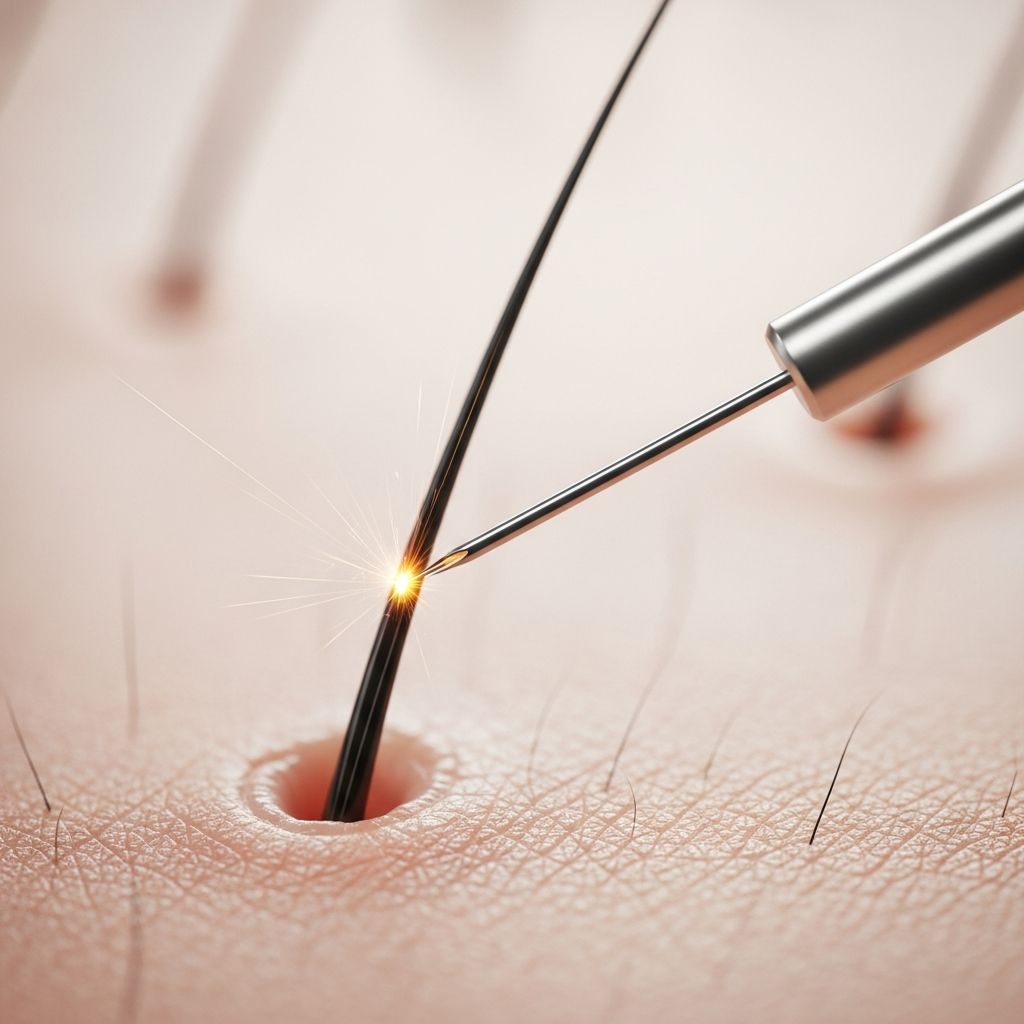
Electrolysis is one of the most established methods for permanent hair removal, offering individuals seeking long-term solutions a reliable option supported by decades of clinical use. The procedure involves the insertion of a small fine needle directly into the hair follicle, followed by the application of a small electrical current that progressively damages and eventually destroys the hair follicle structure. Unlike temporary hair removal methods such as shaving, waxing, or plucking, electrolysis and laser hair epilation are among the only hair removal methods that may provide a permanent result.
The fundamental principle behind electrolysis is that by targeting the hair follicle at its source—the bulb where hair growth originates—permanent destruction can be achieved. This makes electrolysis particularly valuable for individuals with unwanted hair on various body areas and with different hair types and colors.
Three Methods of Electrolysis
There are three different modalities or methods to achieve permanent hair removal through electrolysis, each utilizing electrical current in distinct ways to destroy the hair follicle.
Galvanic Electrolysis
Galvanic electrolysis uses direct current electrolysis, meaning a direct electric current is passed down a needle into the hair follicle where it creates a specific chemical reaction. This reaction converts tissue saline into sodium hydroxide, a caustic agent that then destroys the hair bulb. This method has been used for many years and represents one of the earliest forms of electrolytic hair removal. The chemical reaction produced is reliable and predictable, making it a preferred choice for many experienced electrologists.
Thermolysis
Thermolysis represents a different approach to electrolysis, utilizing a high frequency alternating current that is passed down through the needle to the hair follicle. The high frequency causes vibration in the cells of the hair follicle, producing enough heat to cauterize the hair bulb. This method is often faster than galvanic electrolysis, as the thermal energy can quickly destroy the follicle tissue. However, precision in application is crucial to ensure effective treatment while minimizing tissue damage.
Blend Method
The blend method combines both the galvanic and thermolysis modalities, utilizing the advantages of both electrical current approaches simultaneously. By combining direct current with high frequency alternating current, the blend method aims to maximize effectiveness by utilizing both chemical and thermal destruction mechanisms. This combination approach allows electrologists to potentially achieve results with fewer insertions into the hair follicle.
Comparing the Methods
| Method | Current Type | Mechanism | Speed |
|---|---|---|---|
| Galvanic | Direct Current | Chemical reaction creating sodium hydroxide | Slower (1+ minute per hair) |
| Thermolysis | High Frequency Alternating | Heat generation through cell vibration | Faster |
| Blend | Combined Direct and Alternating | Chemical and thermal destruction | Moderate to Fast |
It is important to note that no clinical trials have been carried out to compare the methods, and any claims of one method being more effective over the other is based on anecdotal evidence only. This means that individual results may vary, and the choice of method often depends on the electrologist’s experience and the patient’s preferences.
Effectiveness of Electrolysis
Related Stories



The effectiveness of electrolysis is highly dependent on the skill of the technician, known as an electrologist, performing the procedure. Proper electrolysis requires accurate needle insertion technique and use of appropriate intensity and duration of current. The technician, based on the patient’s pain threshold, sets the intensity measured in milliamps, and the duration of the current is controlled by how long the technician presses down on the hand or foot pedal.
A common estimate of effectiveness is that approximately 75% of treated hair do not regrow, meaning that a significant majority of hair follicles that are properly treated will not produce new hair. However, this statistic emphasizes the importance of selecting a skilled and experienced electrologist, as the precision of needle placement and current application directly influences whether hair follicles are successfully destroyed.
It is also worth noting that electrolysis is a very slow method of hair removal that may be prolonged by having to do repeat insertions into the hair follicle. It may take a minute or more to remove each hair using galvanic electrolysis. This means that treating large areas of the body can require multiple sessions spanning weeks or months. Patients should have realistic expectations about the time commitment involved in electrolysis treatment.
Pain and Discomfort During Treatment
The amount of pain experienced during electrolysis is dependent on the individual’s pain threshold. Each person has different sensitivity levels, and what one patient finds tolerable may be uncomfortable for another. Factors such as the area being treated, the density of hair, and the patient’s overall pain sensitivity all contribute to the level of discomfort experienced.
Topical anaesthetic creams applied one hour before the procedure may help to reduce discomfort. These numbing agents can significantly improve the treatment experience for patients with low pain tolerance. However, it is desirable to maintain some sensation during treatment, as the pain is related to the amount of damage to the hair follicle. Complete numbness may result in over-treatment, potentially causing unnecessary tissue damage, so a balance between comfort and effectiveness must be achieved.
Patients are encouraged to communicate with their electrologist about their pain experience, as adjustments to current intensity and treatment duration can be made to optimize comfort while maintaining treatment efficacy.
Who is a Candidate for Electrolysis?
Almost anyone wanting to remove unwanted hair is a candidate for electrolysis. For men and women, electrolysis is usually a safe and permanent process of hair removal. The procedure works on all hair types and colors, making it a versatile option for diverse populations. This universal applicability is one of the key advantages of electrolysis compared to some other hair removal methods that may be less effective on certain hair colors or skin types.
However, electrolysis should not be used for patients with pacemakers because it can interrupt the electronics to cause potentially dangerous heart rhythms. Patients with cardiac devices should consult with their cardiologist and dermatologist before considering electrolysis treatment. Additionally, patients should delay treatment if they have a recent wound, skin graft, or scar in the area requiring treatment, as electrolysis may be painful and the treatment less effective in these circumstances.
Side Effects and Risks of Electrolysis
While electrolysis is generally a safe procedure, several potential risks and side effects should be understood by patients considering this treatment.
Common Side Effects
- Redness: Some degree of redness about treated hair follicles for a few days is not uncommon.
- Mild discomfort: Temporary tenderness in the treated area is expected and typically resolves within days.
Potential Serious Complications
Potential risks of electrolysis include scarring and increased or reduced pigmentation, resulting in brown or white marks. These pigmentation changes may be temporary or permanent depending on the extent of treatment and individual healing response.
Secondary local infection with bacteria, such as impetigo, or reactivation of herpes simplex are also possible complications. Patients with a history of cold sores should inform their electrologist, as the procedure may trigger reactivation of herpes simplex virus. Proper aftercare and infection prevention practices are essential to minimize this risk.
Additionally, people with dark skin may develop a keloid, which is a thick scar that raises from the skin. This is an important consideration for individuals with skin types prone to keloid formation, and a consultation with a dermatologist experienced in treating diverse skin types is advisable.
Aftercare and Recovery
Proper aftercare following electrolysis treatment is important for optimal healing and to minimize complications. Patients should keep the treated area clean and avoid touching or picking at any scabs that may form. The application of emollients or moisturizers several times daily can help reduce irritation and promote healing. Sunscreen should be applied to treated areas if they will be exposed to sunlight, as the skin may be more sensitive following treatment.
If topical corticosteroids are recommended by the electrologist or dermatologist, they can be applied to reduce inflammation. Patients experiencing significant redness, swelling, or signs of infection should contact their healthcare provider promptly.
Advantages and Disadvantages of Electrolysis
Advantages
- Permanent results: Approximately 75% of treated hairs do not regrow
- Works on all hair colors and types
- Suitable for all skin tones
- Can treat facial hair and other sensitive areas
- No ongoing maintenance costs after treatment completion
Disadvantages
- Slow process requiring multiple sessions over months or years
- Can be painful, though topical anesthetics may help
- Requires a skilled electrologist for optimal results
- Risk of scarring, pigmentation changes, or infection
- Not suitable for patients with pacemakers
- Time-intensive treatment commitment
Frequently Asked Questions
Q: How many electrolysis sessions will I need?
A: The number of sessions varies depending on the area being treated, hair density, and the electrologist’s skill. Since approximately 25% of treated hairs may regrow, multiple sessions are typically required for complete permanent hair removal. Most patients need 12-24 sessions or more.
Q: Is electrolysis painful?
A: Pain levels vary by individual pain threshold. Topical anesthetic creams applied one hour before treatment can help reduce discomfort. Some sensation should be maintained during treatment, as pain indicates the electrical current is effectively damaging the hair follicle.
Q: Can electrolysis be used on all skin types?
A: Yes, electrolysis works on all skin types and all hair colors. However, individuals with darker skin tones should be aware of the potential for keloid formation and should consult with an experienced dermatologist before treatment.
Q: How long does each electrolysis session take?
A: Treatment time depends on the area and hair density. Since it can take one minute or more to remove each hair using galvanic electrolysis, sessions treating larger areas may take 30 minutes to several hours.
Q: What are the long-term results of electrolysis?
A: Electrolysis provides permanent results, with approximately 75% of treated hairs not regrowing. However, the untreated 25% may require occasional follow-up treatments to maintain complete hair removal.
Q: Can I use electrolysis if I have a pacemaker?
A: No, electrolysis should not be used by patients with pacemakers as the electrical current can interfere with the device and cause dangerous heart rhythm disturbances. Patients with cardiac devices should consult their cardiologist.
Q: What is the difference between electrolysis and laser hair removal?
A: Both electrolysis and laser hair removal can provide permanent results. Electrolysis uses electrical current to destroy individual hair follicles and works on all hair colors, while laser uses light energy and is generally faster but may be less effective on light-colored or fine hair.
References
- Electrolysis — DermNet New Zealand. 2003. https://dermnetnz.org/topics/electrolysis
- Hair removal: Types and how to choose — Medical News Today. https://www.medicalnewstoday.com/articles/hair-removal
- Hair Disorders — Geeky Medics. https://geekymedics.com/hair-disorders/
- Falsetti L, Gambera A, Platto C, Legrenzi L. Management of hirsutism. — American Journal of Clinical Dermatology. 2000 Mar-Apr;1(2):89-99. https://pubmed.ncbi.nlm.nih.gov/11702301/
Similar Articles








Read full bio of Sneha Tete