Electrolyte Drinks: What Are They and Do You Need Them?
Discover what electrolyte drinks are, their benefits for hydration, when you truly need them, and healthier homemade alternatives.
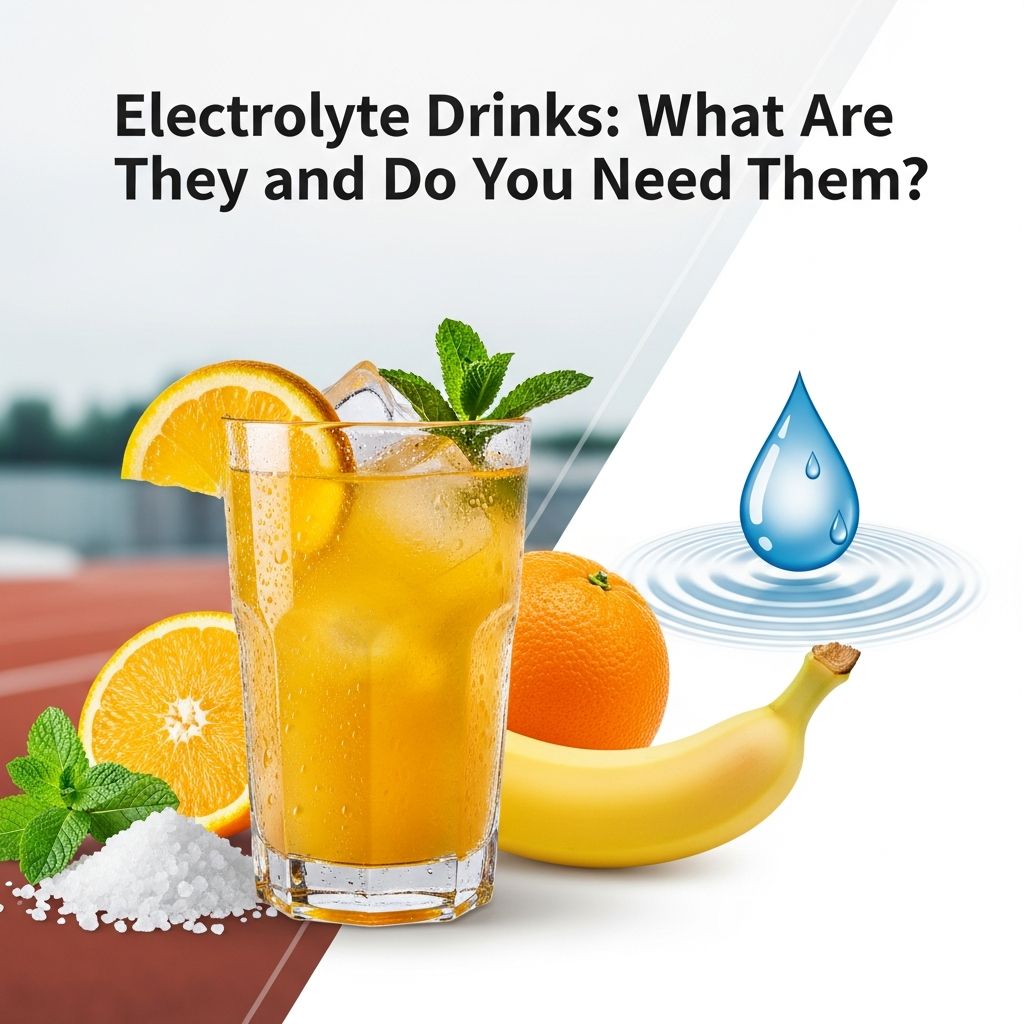
Electrolyte drinks are beverages formulated to replenish minerals like sodium, potassium, magnesium, and calcium that your body loses through sweat, vomiting, diarrhea, or excessive fluid loss. These drinks enhance hydration beyond plain water by restoring electrical charges essential for muscle function, nerve signaling, fluid balance, and pH regulation.
While marketed heavily to athletes, most people don’t need them daily. They prove useful during prolonged exercise over one hour, heavy sweating, hot environments, or illness with fluid loss. Regular water and a balanced diet suffice for everyday hydration.
What Are Electrolytes?
Electrolytes are minerals that carry an electrical charge when dissolved in water, enabling key bodily functions. They include
sodium
,potassium
,magnesium
,calcium
,chloride
,phosphate
, andbicarbonate
.These substances regulate fluid balance, blood pressure, muscle contractions (including the heart), nerve impulses, blood pH, and bone health. For instance, sodium and potassium maintain electrical gradients across cell membranes for proper signaling. Without them, dehydration sets in, impairing performance and health.
- Sodium: Controls fluid balance and nerve signals; lost heavily in sweat.
- Potassium: Supports muscle function and blood pressure.
- Magnesium: Aids energy production and muscle relaxation.
- Calcium: Essential for bone health and contractions.
Your body obtains electrolytes from foods like bananas (potassium), dairy (calcium), nuts (magnesium), and salted items (sodium). Imbalances occur from sweat, illness, or poor diet.
What Are Electrolyte Drinks?
Electrolyte drinks, often called sports drinks or enhanced waters, contain water plus electrolytes, sometimes carbohydrates, flavors, and vitamins. Brands like Gatorade add significant sodium (around 110mg per 8oz) and sugars for quick absorption via osmosis.
They work by using sodium and sugars to pull water into cells faster than plain water, aiding rapid rehydration. Concentrations vary: some have trace amounts for taste, others match sports drink levels for heavy use.
| Component | Function | Typical Sources |
|---|---|---|
| Sodium | Fluid retention, nerve function | 110-200mg per serving |
| Potassium | Muscle/nerve signals | 30-50mg per serving |
| Magnesium | Energy, cramps prevention | 10-20mg per serving |
| Carbs/Sugars | Quick energy, absorption aid | 6-14g per serving |
Low-sugar versions exist for daily use, avoiding blood sugar spikes.
Do You Need Electrolyte Drinks?
No, most healthy adults don’t need them routinely. Plain water and electrolyte-rich foods meet daily needs. They’re beneficial if:
- Exercising >1 hour intensely.
- Sweating heavily (e.g., hot yoga, marathons).
- Ill with vomiting/diarrhea.
- Exposed to extreme heat.
For casual workouts under 60 minutes, water suffices—a 2% body weight loss from sweat impairs cognition, but food restores electrolytes. Children, elderly, or those with high metabolic rates may benefit more due to dehydration risks.
Benefits of Electrolyte Drinks
These drinks excel in specific scenarios by restoring minerals for optimal function. Key benefits include:
- Enhanced Hydration: Faster fluid absorption via osmosis.
- Muscle Performance: Prevents cramps, aids recovery.
- Reduced Fatigue: Maintains energy, fights dehydration fog.
- Nerve/Heart Function: Supports impulses and beats.
- pH/Blood Pressure Balance: Regulates acidity and pressure.
Related Stories



Athletes see improved endurance; illness recovery speeds up. Low-sugar options support weight management.
Risks and Downsides of Electrolyte Drinks
Many contain high sugar (14g+ per serving), adding empty calories (50-100 per bottle), risking weight gain, diabetes. Artificial colors/flavors may upset stomachs. Overuse in non-active people leads to excess sodium, raising blood pressure.
Cost is another issue—commercial drinks are pricier than homemade. For daily use, they offer little over water/food.
Best Electrolyte Drink Alternatives
Opt for natural sources or DIY options:
- Foods: Bananas, spinach, yogurt, avocados, salty snacks.
- Coconut Water: Natural potassium (600mg/cup), low sugar.
- Milk: Balanced electrolytes, protein for recovery.
- Homemade Recipes: Cost-effective, customizable.
Simple Homemade Electrolyte Drink Recipe
Mix: 4 cups water, 1/4 tsp salt (sodium), 1/4 cup lemon juice (potassium/vitamin C), 2 tbsp honey (carbs). Yields ~500mg sodium, natural flavors. Adjust for taste.
Another: 1 liter water + 1/2 tsp baking soda + 1/4 tsp salt + orange juice. Provides balanced minerals without additives.
When to Use Electrolyte Drinks
- Endurance sports >60min.
- Heavy sweaters/hot climates.
- Post-illness rehydration.
- High-altitude or diuretic use (alcohol/caffeine).
Avoid daily unless deficient. Consult doctors for conditions like kidney issues.
Frequently Asked Questions (FAQs)
Are electrolyte drinks better than water?
Only for intense activity/illness; water works for daily needs.
Can kids drink electrolyte drinks?
Yes, in moderation for sports/heat; choose low-sugar.
Do electrolyte drinks help hangovers?
Yes, they combat alcohol-induced dehydration.
What’s the best low-sugar electrolyte drink?
Homemade or brands with <5g sugar/serving.
Can too many electrolytes be harmful?
Yes, excess sodium risks hypertension.
This comprehensive guide empowers informed choices for hydration. Prioritize whole foods and water, reserving electrolyte drinks for high-demand situations.
References
- Electrolyte Drinks: Why Do You Need Them? — BetterYou. 2023. https://betteryou.com/blogs/product-guides/electrolyte-drinks-guide
- Benefits of Electrolyte Drinks – Explained — Leisure Hydration. 2023. https://leisureproject.co/blogs/electrolyte-drinks/the-benefits-of-electrolyte-drinks-explained
- Electrolyte Water: Benefits and Myths — Healthline. 2023-10-01. https://www.healthline.com/nutrition/electrolyte-water
- Do I need electrolyte drinks? — Harvard T.H. Chan School of Public Health. 2024. https://nutritionsource.hsph.harvard.edu/electrolyte-drinks/
- Electrolytes: Types, Purpose & Normal Levels — Cleveland Clinic. 2023-12-20. https://my.clevelandclinic.org/health/diagnostics/21790-electrolytes
Similar Articles








Read full bio of medha deb