Electronystagmography (ENG): Test for Eye Movement and Balance
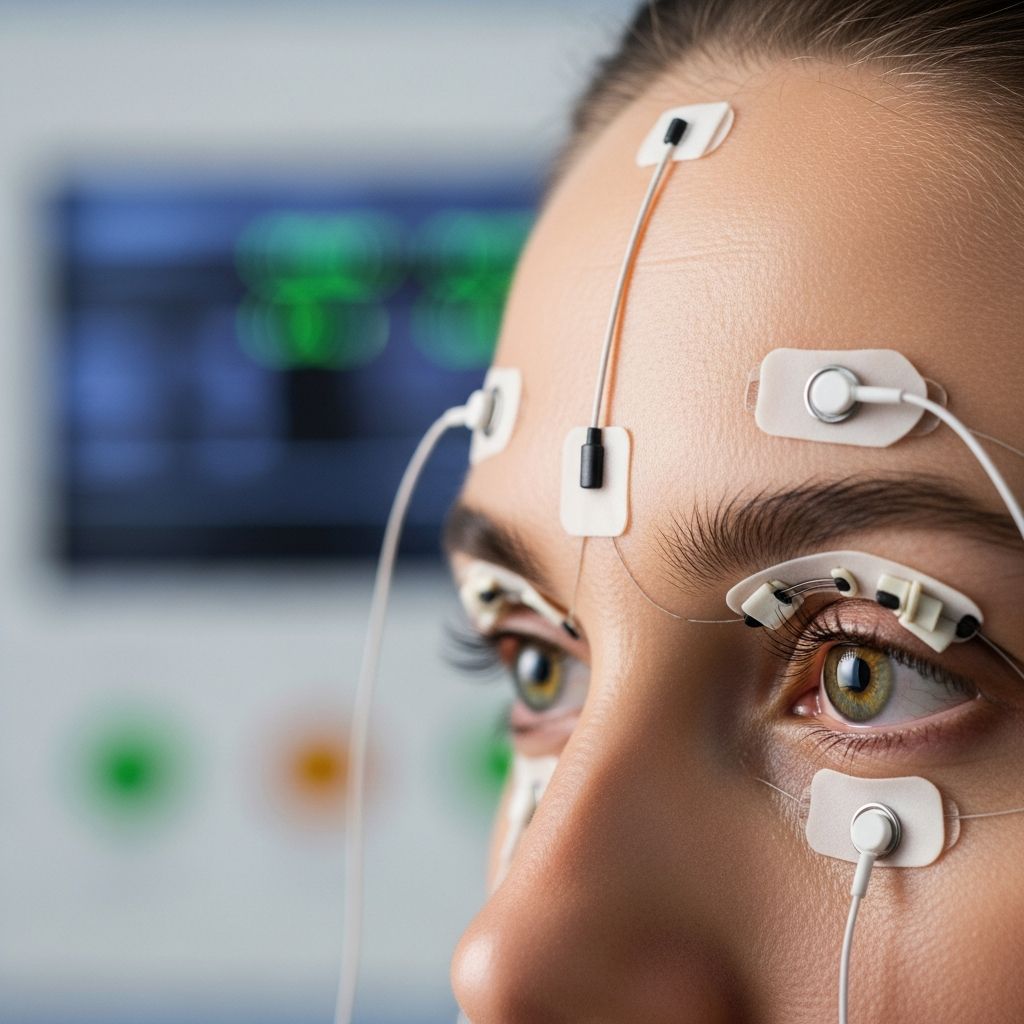
Understanding ENG testing: How electrodes measure eye movements to diagnose balance and nerve disorders.
What is Electronystagmography (ENG)?
Electronystagmography, commonly abbreviated as ENG, is a specialized diagnostic test that measures and records eye movements to evaluate the function of the nerves that control vision, hearing, and balance. The test specifically examines involuntary eye movements known as nystagmus, which are rapid, uncontrolled movements that can indicate underlying neurological or vestibular system dysfunction. By analyzing these eye movement patterns, healthcare providers can identify disorders affecting the inner ear, vestibular system, and the cranial nerves responsible for coordinating eye movements and maintaining balance.
The ENG test is a non-invasive procedure that uses small metal electrodes placed strategically around the eyes to detect and record the electrical activity associated with eye movements. This test has been recognized as a gold standard diagnostic tool in evaluating vestibular function and determining the cause of symptoms such as dizziness, vertigo, and balance problems. The information gathered from an ENG test helps physicians differentiate between central nervous system disorders and peripheral vestibular disorders, leading to more accurate diagnoses and targeted treatment plans.
Understanding the Vestibular System and Eye Movements
The vestibular system, located in the inner ear, plays a critical role in maintaining balance and spatial orientation. This system continuously monitors the position and movements of the head and communicates this information to the brain through the vestibular nerve, also known as the eighth cranial nerve. The brain then integrates this information with visual input and signals from the spinal cord to produce the vestibulo-ocular reflex (VOR), a mechanism that stabilizes vision during head movements and maintains proper eye positioning.
When the vestibular system functions normally, it automatically adjusts eye position to keep visual images stable on the retina, even when the head is moving. However, when disease or dysfunction affects the vestibular system or related nerves, this reflex can become impaired, leading to involuntary eye movements and the sensation of dizziness or vertigo. The ENG test evaluates this entire system by measuring how well the eyes respond to various stimuli and movements, providing valuable diagnostic information about where any dysfunction may originate.
Why Your Healthcare Provider Might Order an ENG Test
Healthcare providers order ENG testing when patients present with symptoms that suggest problems with balance, hearing, or the nerves controlling eye movements. Common reasons for ordering this test include:
- Unexplained dizziness or vertigo that persists without an obvious cause
- Balance problems or difficulty maintaining equilibrium
- Hearing loss, particularly when accompanied by balance issues
- Suspected inner ear disorders such as benign paroxysmal positional vertigo (BPPV) or vestibular neuritis
- Evaluation of medication side effects known to affect vestibular function
- Investigation of suspected brain stem or central nervous system disorders
- Pre-operative assessment before ear surgery
- Post-operative monitoring following inner ear or neurological procedures
The ENG test is particularly valuable for patients with chronic or recurrent symptoms because it provides objective, measurable data about nerve and inner ear function. This objective information helps healthcare providers distinguish between different causes of dizziness and develop appropriate treatment strategies. Additionally, the test can help identify whether a patient’s symptoms originate from a problem in the peripheral vestibular system (the inner ear and related nerves) or from a central nervous system disorder affecting the brain.
Related Stories



Cranial Nerves Evaluated During ENG Testing
The ENG test evaluates the function of several important cranial nerves that control eye movements and vestibular function. These nerves include the oculomotor nerve (cranial nerve III), which controls most of the eye’s muscles; the trochlear nerve (cranial nerve IV), which controls the superior oblique muscle of the eye; the abducens nerve (cranial nerve VI), which controls the lateral rectus muscle; and the vestibulocochlear nerve (cranial nerve VIII), which carries balance and hearing information from the inner ear to the brain. By analyzing eye movements in response to various stimuli, the ENG test provides information about the health and function of all these critical nerves.
The ENG Test Procedure: What to Expect
Pre-Test Preparation
Before your ENG test, your healthcare provider will provide specific instructions to optimize test accuracy. You may be asked to avoid caffeine, alcohol, and certain medications for several days before the test, as these substances can affect eye movements and vestibular responses. Some patients are instructed to eat only a light meal or to fast for three to four hours before the procedure, as the test can sometimes cause nausea and vomiting. Your healthcare provider will give you detailed instructions about which medications to continue or discontinue before your appointment.
On the day of your test, wear comfortable clothing and plan to have someone drive you home if you experience significant dizziness during the procedure. Arrive early to allow time for check-in and to ask any final questions about the testing process. Let your healthcare provider know if you have any concerns about ear infections, perforated eardrums, or other conditions that might affect your ability to complete the test.
Electrode Placement and Setup
Once you’re in the test room, your healthcare provider will clean the skin around your eyes with an alcohol-saturated cotton pad and allow it to air dry completely. This cleaning step removes oils and dead skin cells that might prevent the electrodes from adhering properly. Your provider will then apply a special paste to secure small metal disc electrodes in specific locations around your eyes.
Typically, electrodes are placed in the following positions: one above each eyebrow, one below each eye, and one or two on the outer corners of each eye. An additional electrode is placed in the center of your forehead to serve as a ground reference point. These electrodes may be attached individually as sticky patches or may be connected to a comfortable headband that you wear during the test. Although the electrode placement might feel slightly unusual, you will be able to close your eyes naturally and should not experience significant discomfort.
Testing Components
An ENG test typically consists of several different components designed to evaluate various aspects of eye movement and vestibular function. These components may include calibration tests where you follow a moving light with your eyes to establish baseline eye movement patterns. Gaze nystagmus tests require you to stare at a fixed light while your eye movements are recorded. Tracking tests measure your ability to smoothly follow a moving target, while saccade tests evaluate your ability to make rapid, voluntary eye movements between two fixed points.
Another important component is the caloric stimulation test, in which your healthcare provider introduces warm or cold air (or occasionally water) into each ear canal separately. This stimulation activates the vestibular system and typically produces predictable eye movements. When cold stimuli enter the ear, you should experience rapid, side-to-side eye movements. When warm stimuli are introduced, your eyes should move toward the warm source and then slowly away from it. These responses are recorded and analyzed to assess vestibular function and determine whether any asymmetry exists between the left and right ears.
The entire ENG test procedure typically takes approximately 90 minutes to complete, though the actual recording time is usually much shorter. During the test, you’ll sit in a darkened examination room to reduce visual distractions and ensure accurate measurements of eye movements.
What You Might Experience During the Test
During an ENG test, most patients experience minimal discomfort, though some sensations are normal and expected. The electrode placement itself is painless, though you might feel slight tugging as electrodes are applied or adjusted. The most noticeable sensation occurs during the caloric portion of the test when warm or cold air enters your ear canal. Many patients describe a sensation of mild discomfort or pressure, but this typically resolves quickly once the stimulus is removed.
Some patients experience transient dizziness or vertigo during testing, particularly during the caloric stimulation phase. Nausea or a brief sensation of spinning may also occur, but these symptoms generally resolve within a few minutes after the stimulus is removed. If you experience severe symptoms or feel extremely uncomfortable, inform your healthcare provider immediately, as they can adjust the testing protocol or provide reassurance and support.
Understanding Your ENG Test Results
Your healthcare provider will analyze the recorded eye movements and compare the results to established normal values. Results are typically presented as graphs showing eye movement patterns in response to various stimuli. Abnormal findings might include asymmetrical responses between the left and right ears during caloric testing, nystagmus that appears spontaneously or persists longer than expected, or impaired ability to track moving objects smoothly.
Results indicating potential peripheral vestibular dysfunction may suggest inner ear disorders, vestibular neuritis, benign paroxysmal positional vertigo, or other conditions affecting the balance system in the ear. Results suggesting central vestibular dysfunction may indicate brain stem disorders, multiple sclerosis, stroke, or other neurological conditions. Your healthcare provider will discuss your results in detail and explain what they mean in the context of your symptoms and clinical history. Additional testing may be recommended based on the findings.
Types of Related Tests
In addition to traditional ENG testing, your healthcare provider might recommend videonystagmography (VNG), a modern variation that uses infrared cameras and special goggles instead of surface electrodes to track eye movements. VNG provides similar diagnostic information but may be more comfortable for some patients. Vestibular evoked myogenic potentials (VEMP) testing evaluates the vestibular system through a different mechanism. Magnetic resonance imaging (MRI) or computed tomography (CT) scans might be ordered to evaluate the inner ear structure or rule out structural abnormalities. Rotatory chair testing uses a motorized chair to evaluate vestibular responses during controlled head movements.
Conditions Diagnosed with ENG Testing
ENG testing can help diagnose numerous conditions affecting balance, hearing, and eye movement control. These conditions include benign paroxysmal positional vertigo (BPPV), vestibular neuritis, labyrinthitis, Meniere’s disease, acoustic neuromas, multiple sclerosis, cerebellar ataxia, brain stem stroke, medication-induced vestibular toxicity, and various central nervous system disorders. By providing objective data about eye movement and vestibular responses, the ENG test helps physicians narrow down the cause of a patient’s symptoms and develop an appropriate treatment plan.
Frequently Asked Questions About ENG Testing
Q: Is ENG testing painful?
A: No, ENG testing is not painful. The electrode placement is painless, and while you may feel mild sensations during caloric stimulation, this is not typically described as pain. Some patients experience brief dizziness or nausea, which resolves quickly.
Q: How long does an ENG test take?
A: The complete ENG test procedure typically takes approximately 90 minutes, though the actual recording time is usually shorter. Most of the time involves electrode placement, positioning, and waiting between different test components.
Q: Can I eat or drink before my ENG test?
A: Your healthcare provider will give you specific pre-test instructions. Generally, eating a light meal or fasting for 3 to 4 hours before the test is recommended, as the test can sometimes cause nausea and vomiting.
Q: Will I need someone to drive me home after ENG testing?
A: It’s recommended to arrange transportation home, as some patients experience dizziness or vertigo after testing. Having a driver ensures your safety and allows you to rest if needed.
Q: What medications should I avoid before ENG testing?
A: Your healthcare provider will advise you about which medications to avoid. Generally, caffeine, alcohol, and certain medications affecting the nervous system should be avoided for several days before testing. Always consult your provider before stopping any prescribed medications.
Q: When will I receive my test results?
A: Your healthcare provider will typically review your results with you within a few days of testing. The exact timeframe depends on the facility and whether additional analysis or consultation is needed.
References
- Electronystagmography (ENG): What It Is, Procedure & Results — Cleveland Clinic. 2023. https://my.clevelandclinic.org/health/diagnostics/22704-electronystagmography-eng
- Electronystagmography: MedlinePlus Medical Encyclopedia — U.S. National Library of Medicine. Updated 2023. https://medlineplus.gov/ency/article/003448.htm
- Electronystagmography (ENG) — University of Rochester Medical Center. 2023. https://www.urmc.rochester.edu/encyclopedia/content?contenttypeid=92&contentid=p07659
- Electronystagmography a Very Useful Diagnostic Tool in Cases of Vertigo — PubMed Central, National Center for Biotechnology Information. 2015. https://pmc.ncbi.nlm.nih.gov/articles/PMC4678276/
- Electronystagmography (ENG) – MyHealth Alberta — Government of Alberta Health Services. 2023. https://myhealth.alberta.ca/Health/pages/conditions.aspx?hwid=aa76377
Similar Articles








Read full bio of Sneha Tete