Electrophysiological Studies: Diagnosis and Treatment
Understanding electrophysiological studies: Advanced cardiac testing for arrhythmia diagnosis and management.
Understanding Electrophysiological Studies
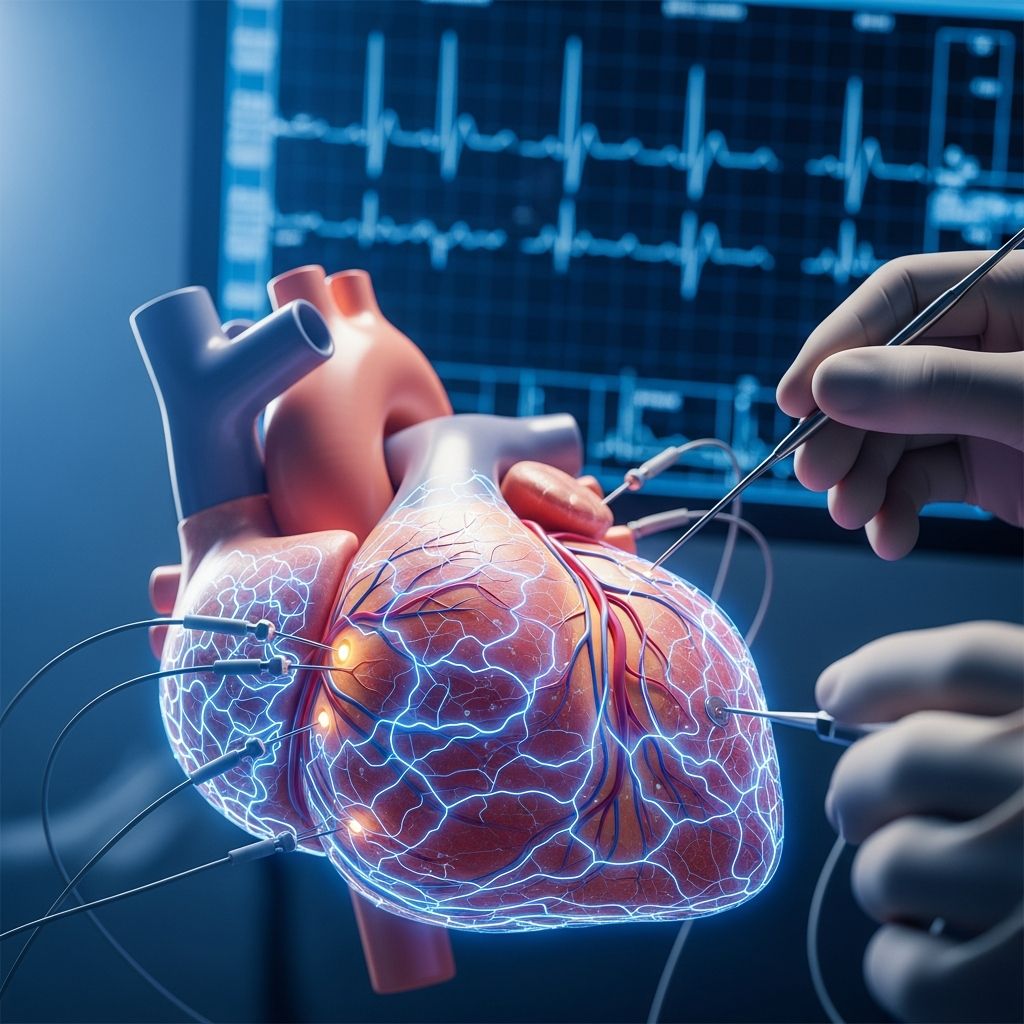
An electrophysiological (EP) study is a sophisticated diagnostic and therapeutic procedure designed to evaluate the electrical system of the heart. This minimally invasive test allows cardiologists to identify abnormal heart rhythms, determine their origin, and assess the best treatment approach. Electrophysiological studies have become an essential tool in modern cardiology, particularly for patients experiencing arrhythmias or irregular heartbeats that affect their quality of life or pose health risks.
The heart’s electrical system controls how and when the heart beats. When this system malfunctions, it can lead to various arrhythmias, ranging from minor palpitations to life-threatening conditions. An EP study provides detailed information about the heart’s electrical activity by using specialized catheters and monitoring equipment to map the electrical pathways within the heart.
What is an Electrophysiological Study?
An electrophysiological study is a catheter-based procedure that involves inserting thin, flexible tubes called catheters through blood vessels into the heart. These catheters are equipped with electrodes that can detect electrical signals from the heart muscle. During the procedure, the electrophysiologist can precisely locate where abnormal electrical impulses originate and understand the mechanism behind the arrhythmia.
The primary goal of an EP study is to create a detailed electrical map of the heart’s interior. This map shows how electrical signals travel through the heart’s chambers and identifies any abnormal pathways or areas of dysfunction. The information gathered during the study guides treatment decisions and can lead to immediate therapeutic interventions, such as catheter ablation, which destroys the problematic tissue causing the arrhythmia.
Indications for Electrophysiological Studies
Electrophysiological studies are recommended for patients with various cardiac conditions. Common indications include:
- Recurrent or persistent atrial fibrillation (irregular heartbeats in the upper chambers)
- Atrial flutter (rapid, regular beating in the upper chambers)
- Supraventricular tachycardia (rapid heartbeat originating above the ventricles)
- Ventricular tachycardia (rapid heartbeat originating in the lower chambers)
- Unexplained syncope or fainting episodes
- Palpitations with uncertain causes
- Evaluation of implantable cardioverter-defibrillator (ICD) function
- Risk stratification for sudden cardiac death in high-risk patients
Preparation for the Procedure
Proper preparation is essential for a successful EP study. Patients typically receive detailed instructions from their healthcare team about how to prepare for the procedure.
Pre-Procedure Requirements
- Fasting for 4-6 hours before the procedure (no food or drink)
- Arranging for someone to drive you home after the procedure
- Wearing comfortable, loose-fitting clothing
- Informing your physician about all medications, especially blood thinners and antiarrhythmic drugs
- Completing any required blood tests or imaging studies beforehand
- Removing jewelry, makeup, and nail polish on the day of the procedure
- Discussing any allergies, particularly to contrast dye or medications
Patients are typically admitted to the hospital early on the day of the procedure for final preparation. An intravenous line is placed to administer medications, and the patient is connected to continuous cardiac monitoring equipment.
Related Stories



The Procedure Process
An electrophysiological study typically takes 30 minutes to several hours, depending on the complexity of the arrhythmia and whether therapeutic intervention is performed simultaneously.
Step-by-Step Procedure
Local Anesthesia and Sedation: The procedure begins with administration of local anesthesia at the catheter insertion site, usually in the groin. Patients also receive conscious sedation to ensure comfort during the procedure while maintaining the ability to respond to commands.
Catheter Insertion: The electrophysiologist makes a small puncture in a blood vessel, typically the femoral vein in the groin. Multiple catheters are then carefully threaded through the vessel into the heart. Modern imaging techniques help guide catheter placement.
Electrical Mapping: Once catheters are positioned in the heart, electrodes record the electrical activity from different heart regions. The physician paces the heart at various rates to provoke arrhythmias, allowing observation of how the heart’s electrical system responds and identifying the source of abnormal rhythms.
Therapeutic Intervention: If an ablation procedure is planned, radiofrequency energy or cryotherapy (extreme cold) is delivered through the catheter to destroy the tissue causing the arrhythmia. The area is treated until electrical activity ceases and normal conduction is restored.
Verification: After ablation, the electrophysiologist verifies that normal electrical conduction has been restored and that the arrhythmia cannot be induced.
Types of Ablation Techniques
Several ablation techniques are available for treating arrhythmias discovered during EP studies:
| Ablation Technique | Description | Advantages |
|---|---|---|
| Radiofrequency Ablation | Uses high-frequency electrical current to generate heat and destroy abnormal tissue | Precise, well-established, rapid healing |
| Cryoablation | Uses extreme cold to freeze and eliminate problematic tissue | Effective for specific arrhythmias, reversible initial lesions |
| Electroporation | Applies electrical pulses to create microscopic pores in cell membranes | Newer technique, potentially reduces collateral damage |
| Laser Ablation | Uses laser energy to destroy arrhythmogenic tissue | Precise targeting, useful for specific applications |
Risks and Complications
While electrophysiological studies are generally safe procedures, potential complications exist, though they occur infrequently when performed by experienced specialists. Understanding these risks helps patients make informed decisions.
Common Risks
- Bleeding or bruising at the catheter insertion site
- Infection at the puncture site
- Blood clots in leg veins (deep vein thrombosis)
- Temporary chest discomfort or palpitations
- Mild allergic reactions to contrast dye
Serious but Rare Complications
- Cardiac perforation or tamponade (fluid accumulation around the heart)
- Stroke or transient ischemic attack (TIA)
- Pulmonary vein stenosis (narrowing of veins leading to the lungs)
- Esophageal injury during atrial fibrillation ablation
- Arrhythmia recurrence requiring repeat procedures
- Damage to normal conduction pathways requiring pacemaker implantation
Johns Hopkins Medicine has established exceptional safety records in electrophysiological procedures, utilizing advanced imaging techniques and experienced specialists to minimize complication rates.
Recovery and Aftercare
Recovery from an electrophysiological study is typically straightforward. Most patients go home the same day or after an overnight observation period.
Immediate Aftercare
Following the procedure, patients remain under observation for several hours while medications wear off. Vital signs are monitored continuously, and the catheter insertion site is assessed for bleeding or swelling. Before discharge, patients receive detailed aftercare instructions including:
- Keeping the insertion site clean and dry for 48 hours
- Avoiding heavy lifting and strenuous activity for 3-7 days
- Managing mild discomfort with prescribed or over-the-counter pain relievers
- Wearing compression stockings if recommended to reduce clot risk
- Gradually resuming normal activities over 1-2 weeks
- Attending follow-up appointments to assess treatment success
- Reporting any signs of infection, bleeding, or recurrent arrhythmias
Success Rates and Long-Term Outcomes
Success rates for electrophysiological studies and ablation procedures vary depending on the specific arrhythmia being treated. Atrial fibrillation ablation procedures achieve initial success rates of 60-80%, with some patients requiring repeat procedures. Supraventricular tachycardia and atrial flutter ablations generally have higher success rates exceeding 90%. Long-term freedom from arrhythmia recurrence depends on factors including arrhythmia type, patient age, underlying heart disease, and adherence to prescribed medications.
Advances in Electrophysiology Research
Johns Hopkins Medicine continues to advance the field of cardiac electrophysiology through cutting-edge research. Recent innovations include machine learning applications for automatic ECG interpretation, advanced imaging techniques for precise anatomical mapping, and development of novel ablation strategies. Research programs explore improved methods for predicting treatment response and identifying high-risk patients who would benefit from early intervention.
Frequently Asked Questions
Q: Is an electrophysiological study painful?
A: The procedure involves local anesthesia and conscious sedation, so patients typically experience minimal discomfort. Some patients report mild pressure or warmth during ablation, but these sensations are usually well-tolerated.
Q: How long does the procedure take?
A: Most electrophysiological studies last 30 minutes to 3 hours, depending on complexity and whether ablation is performed. Simple diagnostic studies are faster, while therapeutic ablation procedures may require longer.
Q: Can I drive home after the procedure?
A: No. Due to sedation effects, patients must have someone else drive them home. It is unsafe to operate a vehicle for 24 hours after sedation administration.
Q: Will I need a pacemaker after ablation?
A: Most patients do not require a pacemaker. However, if ablation damages the heart’s normal conduction pathways, pacemaker implantation may be necessary. This occurs in a small percentage of cases.
Q: Can the arrhythmia come back after ablation?
A: Yes, arrhythmia recurrence is possible depending on the arrhythmia type. Some patients remain arrhythmia-free indefinitely, while others may experience recurrence requiring repeat procedures or alternative treatments.
Q: Are there alternatives to electrophysiological studies?
A: Alternatives include medication management, cardioversion, and implantable devices. However, for diagnostic purposes and definitive treatment of many arrhythmias, EP studies remain the gold standard approach.
References
- Johns Hopkins University Program in Clinical Cardiac Electrophysiology — Johns Hopkins Medicine. 2025. https://residencyadvisor.com/program/johns-hopkins-university-program-clinical-cardiac-electrophysiology-baltimore-md-1542321024
- Electrocardiogram Interpretation Research Overview — Johns Hopkins Medicine. October 22, 2024. https://www.youtube.com/watch?v=Sq6CvG5-Ohk
- Machine Learning in Arrhythmia and Electrophysiology — PubMed/National Center for Biotechnology Information. 2021. https://pubmed.ncbi.nlm.nih.gov/33600229/
- Atrial Fibrillation at Johns Hopkins: Q&A with Hugh Calkins — Johns Hopkins Medicine. https://www.youtube.com/watch?v=AgvNresbaLI
- Advances in Cardiac Electrophysiology — Johns Hopkins University Research Database. https://pure.johnshopkins.edu/en/publications/advances-in-cardiac-electrophysiology/
Similar Articles








Read full bio of medha deb