Elephantiasis: Causes, Symptoms, Diagnosis & Treatment
Understanding elephantiasis: A comprehensive guide to lymphatic filariasis causes, symptoms, and treatment options.
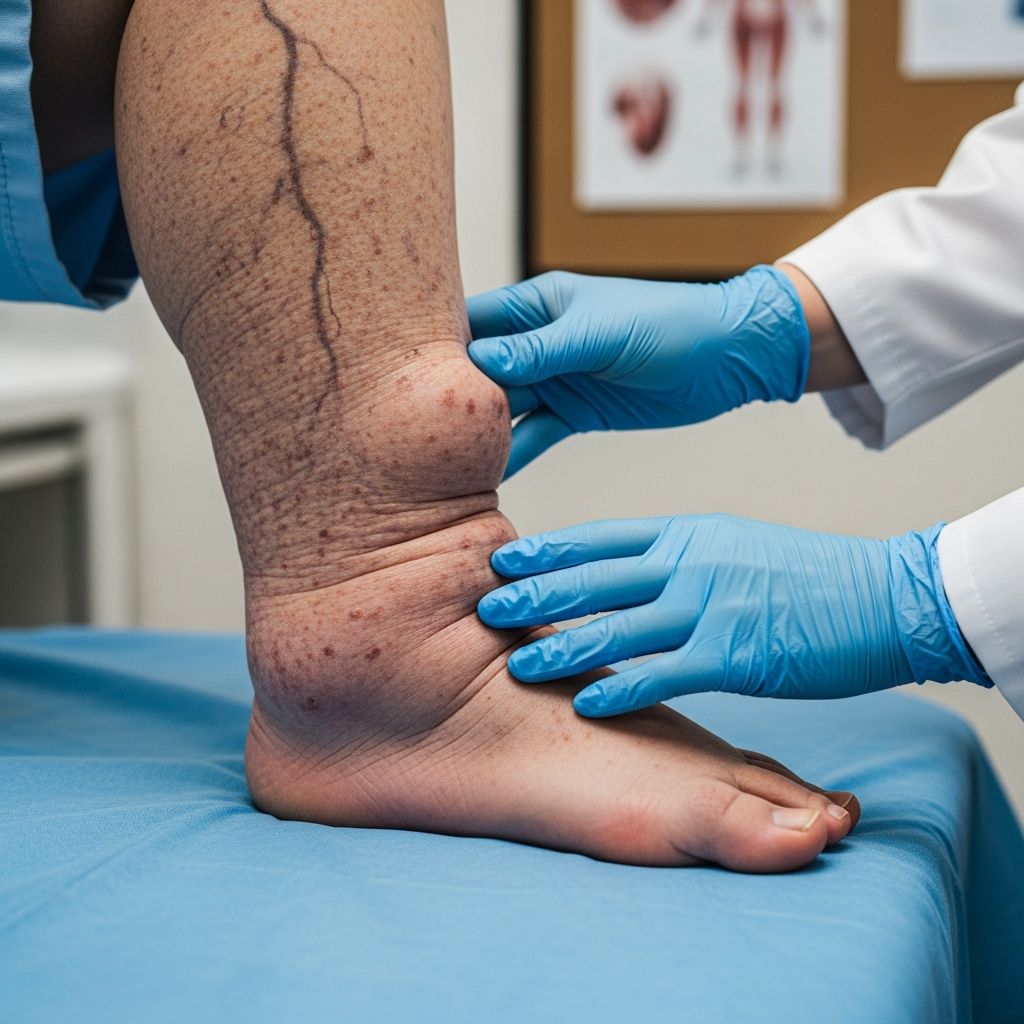
What Is Elephantiasis?
Elephantiasis, medically known as lymphatic filariasis, is a painful and profoundly disfiguring parasitic disease that affects millions of people worldwide. The condition is caused by infection with parasites classified as nematodes (roundworms) of the family Filarioidea, which are transmitted through the bites of infected mosquitoes. This chronic disease results in severe inflammation and obstruction of the lymphatic vessels, leading to dramatic swelling of the affected limbs and, in some cases, the genitals. The condition can cause temporary or permanent disability, significantly impacting the quality of life for those affected.
The disease gets its common name from the characteristic appearance it produces—the severely enlarged limbs resemble the thick, pillar-like legs of an elephant. This distinctive swelling occurs primarily in the lower limbs and is more common in women. While the infection may be acquired during childhood, the visible manifestations typically appear later in life, sometimes years or even decades after initial infection.
How Common Is Elephantiasis?
Lymphatic filariasis is a significant global health burden, affecting over 120 million people in 72 countries throughout the tropics and sub-tropics. The disease is endemic in parts of Asia, Africa, the Western Pacific, the Caribbean, and South America. In endemic countries, lymphatic filariasis has a major social and economic impact, affecting communities and individual families devastatingly.
All ages are affected in communities where filariasis is transmitted, though most infections are acquired during childhood. The vast majority of infected individuals are asymptomatic, but virtually all of them suffer from damage to the lymphatic system and kidneys, along with an altered immune system response.
What Causes Elephantiasis?
Elephantiasis is caused by a parasitic infection transmitted through mosquito bites. The transmission process involves several stages:
The Transmission Cycle
When an infected mosquito bites a person, mosquito-transmitted larvae are deposited on the skin. These larvae can enter the body and migrate to the lymphatic vessels, where they develop into adult worms. The adult filarial worms cause inflammation of the lymphatic system, leading to lymphatic vessel damage and lymphatic dysfunction. This damage predisposes the lower limbs, in particular, to recurrent bacterial infections, which play an important role in the progression of lymphedema to elephantiasis.
The parasite perpetuates a cycle of transmission as infected individuals continue to harbor microfilariae in their blood, making them potential sources for mosquitoes to transmit the disease to other people.
Symptoms and Signs of Elephantiasis
Lymphatic filariasis can cause a variety of clinical manifestations that can be grouped into three categories: acute attacks, lymphedema/elephantiasis, and hydrocoele. Understanding these symptoms is crucial for early recognition and management.
Acute Attacks
Acute attacks are the commonest symptom of lymphatic filariasis and play an important role in the progression of lymphedema. These attacks are usually associated with local pain and swelling, and they frequently occur with fever and chills. Secondary bacterial infections of the damaged lymphatic vessels provoke these acute inflammatory responses.
Lymphedema and Elephantiasis
Lymphedema and its more advanced form, elephantiasis, occur primarily in the lower limbs and are more common in women. The condition progresses through distinct stages. Early stages feature soft pitting edema, while later stages show fibrosis and induration. In its most advanced form, elephantiasis may prevent people from carrying out their normal daily activities, causing profound disability and social stigma.
Related Stories



The progressive nature of the disease means that initial swelling may worsen over time, with trophic skin changes, acanthosis, fat deposits, and warty overgrowth often developing in advanced stages.
Genital Involvement (Hydrocoele)
Lymphatic filariasis may also evolve towards a genital disease characterized by massive swelling of the scrotum and penis, known as hydrocoele. This manifestation of the disease can significantly impact physical comfort and psychological well-being.
Diagnosis of Elephantiasis
Diagnosis of lymphatic filariasis and elephantiasis involves both clinical assessment and laboratory testing to confirm parasitic infection.
Clinical Diagnosis
Lymphedema is usually diagnosed clinically through a thorough history and physical examination. Healthcare providers assess the onset and location of swelling and evaluate for specific risk factors including travel to areas with endemic filariasis, history of parasitic infection, previous cellulitis, surgical procedures, radiation therapy, and any trauma to the affected area.
Laboratory and Imaging Tests
People infected with filariasis are identified through microfilaremia testing or positive antigen tests. These laboratory tests confirm the presence of parasites in the blood and help guide treatment decisions. Physical examination findings combined with laboratory confirmation establish the diagnosis definitively.
Stages of Lymphedema Progression
Understanding the stages of disease progression helps clinicians and patients recognize the severity of their condition:
- Stage 1 (Spontaneously reversible): Pitting edema present; limb elevation reduces swelling
- Stage 2 (Spontaneously irreversible): Pitting may be present depending on degree of fibrosis; limb elevation does not reduce swelling
- Stage 3 (Lymphostatic elephantiasis): Trophic skin changes are present; acanthosis, fat deposits, and warty overgrowth often develop
Treatment Options for Elephantiasis
Management of lymphatic filariasis involves both medical treatment and disability prevention strategies. Early diagnosis and treatment can help slow the progression of this disease.
Antifilarial Drug Treatment
People infected with filariasis who have microfilaremia or a positive antigen test should receive antifilarial drug treatment to eliminate microfilariae. Unfortunately, the medicines available have limited effect on adult worms, which is why comprehensive management approaches are necessary.
Morbidity and Disability Prevention (MMDP)
Treatment also involves the management of morbidity and disability prevention that includes simple hygiene measures, such as basic skin care and exercise, to prevent acute attacks and progression of lymphedema to elephantiasis. Patients should be referred to a lymphedema specialist to learn about evidence-based coping strategies.
Surgical Intervention
For management of hydrocoele, surgery may be appropriate to relieve the severe genital swelling associated with this manifestation of the disease.
Conservative Management
Conservative management approaches include:
- Manual lymph drainage techniques
- Sequential pneumatic compression pumps
- Compression garments (circular or flat knit)
- Physical therapy to improve mobility and muscle strength
- Anti-inflammatory dietary modifications
- Patient education on self-management
Psychological and Socioeconomic Support
MMDP includes psychological and socioeconomic support for people with disabling conditions to ensure that they have equal access to rehabilitation services and opportunities for health, education and income. Activities beyond medical care and rehabilitation include promoting positive attitudes towards people with disabilities, preventing the causes of disabilities, providing education and training, supporting local initiatives, and supporting micro- and macro-income-generating schemes.
Prevention of Elephantiasis
Prevention strategies operate at both individual and community levels to reduce transmission and control the disease.
Preventive Chemotherapy
Preventive chemotherapy is used at the community level to eliminate microfilariae from the blood of infected individuals in order to interrupt transmission of infection by mosquitoes. This population-based approach aims to break the transmission cycle and protect uninfected individuals.
Mosquito Control
Since the disease is transmitted through mosquito bites, mosquito control measures are essential in endemic areas. This includes using insecticide-treated bed nets, indoor residual spraying, and environmental modifications to reduce mosquito breeding sites.
Personal Protection
In endemic areas, individuals should use insect repellents, wear protective clothing, and sleep under mosquito nets to reduce the risk of infection.
Living with Elephantiasis
People living with elephantiasis face significant physical, emotional, and social challenges. The visible nature of the disease often leads to stigma and social discrimination. Comprehensive support systems, including access to rehabilitation services, psychological counseling, and economic opportunities, are essential for improving quality of life. Community education and awareness campaigns help reduce stigma and promote acceptance of people with this debilitating condition.
Frequently Asked Questions
Q: Is elephantiasis contagious from person to person?
A: No, elephantiasis is not directly contagious from person to person. The disease is transmitted only through the bites of infected mosquitoes. However, infected individuals can serve as a source of infection for mosquitoes that can then transmit the parasite to other people.
Q: Can elephantiasis be cured completely?
A: While antifilarial medications can eliminate microfilariae from the blood, they have limited effect on adult worms already established in the lymphatic system. The lymphatic damage that has already occurred cannot be fully reversed, but treatment and management strategies can prevent further progression and improve quality of life.
Q: What is the difference between elephantiasis and lymphedema?
A: Elephantiasis is specifically the severe form of lymphedema caused by lymphatic filariasis, a parasitic infection. Lymphedema is a broader term that refers to swelling caused by impaired lymph drainage, which can result from various causes including surgery, radiation therapy, infection, or congenital abnormalities. Elephantiasis represents the most advanced stage of lymphedema resulting from parasitic infection.
Q: How long does it take for elephantiasis to develop after infection?
A: While the infection may be acquired during childhood, visible manifestations such as limb edema typically occur later in life, sometimes years or decades after initial infection. The disease progresses through a long period of subclinical disease before clinical symptoms become apparent.
Q: Are there any travel precautions for people visiting endemic areas?
A: Yes, travelers to endemic areas should use insect repellents, wear protective clothing that covers the skin, particularly during dawn and dusk when mosquitoes are most active, and sleep under insecticide-treated bed nets. These measures reduce the risk of mosquito bites and potential infection.
Q: Can children develop elephantiasis?
A: While most infections are acquired during childhood, the visible manifestations of elephantiasis typically appear later in life. However, children can develop complications and require treatment and monitoring if infected to prevent progression to severe disease.
References
- Lymphatic Filariasis (Elephantiasis) — World Health Organization (WHO). 2024. https://www.who.int/health-topics/lymphatic-filariasis
- Lymphedema vs Lipedema: Similar but Different — Cleveland Clinic Journal of Medicine. 2024. https://www.ccjm.org/content/91/7/425
- Lymph Node Locations & Function — Cleveland Clinic. 2025-03-19. https://my.clevelandclinic.org/health/body/23131-lymph-nodes
- Lymph: Function, Importance & What It’s Made Of — Cleveland Clinic. 2024. https://my.clevelandclinic.org/health/body/25209-lymph
- Elephantiasis of the Lips and of the Male Genitalia — JAMA Dermatology. 2024. https://jamanetwork.com/journals/jamadermatology/fullarticle/519376
- Lymph — EBSCO Research Starters Health and Medicine. 2024. https://www.ebsco.com/research-starters/health-and-medicine/lymph
Similar Articles








Read full bio of medha deb