Understanding Elevated Blood Pressure: Causes and Management
A comprehensive guide to recognizing, understanding, and managing hypertension effectively
What Constitutes Elevated Blood Pressure?
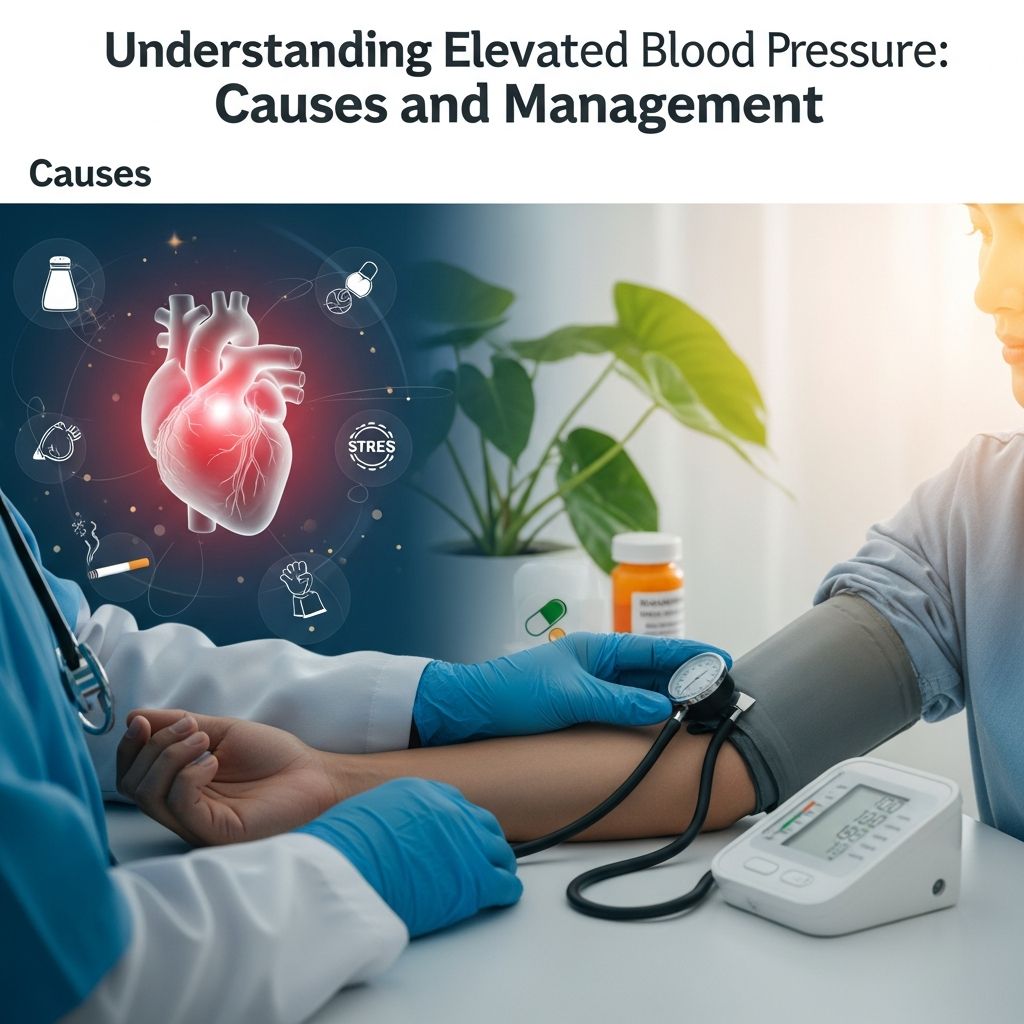
Elevated blood pressure, commonly referred to as hypertension, occurs when the force of blood against artery walls becomes consistently higher than normal ranges. This condition develops when the heart pumps more blood than usual or when arteries become narrower, forcing blood to move through with greater pressure. Blood pressure readings consist of two numbers: systolic pressure (the force when the heart beats) and diastolic pressure (the force when the heart rests between beats).
One of the most concerning aspects of elevated blood pressure is that most people experience no noticeable symptoms, earning it the nickname “the silent killer.” This means many individuals have the condition without realizing it, which is why regular blood pressure monitoring becomes essential for early detection and prevention of serious complications.
Distinguishing Between Primary and Secondary Hypertension
Healthcare professionals categorize elevated blood pressure into two distinct types based on their underlying origins.
Primary Hypertension: The Most Common Form
Primary hypertension, also called essential hypertension, accounts for the majority of high blood pressure cases in adults. In this type, doctors cannot identify a single specific cause for the elevated readings. Instead, the condition develops gradually over many years due to a combination of genetic factors and lifestyle choices. The buildup of plaque within artery walls, a process known as atherosclerosis, significantly increases the likelihood of developing primary hypertension.
Secondary Hypertension: Caused by Underlying Conditions
Secondary hypertension develops as a result of another medical condition or medication. This type typically appears more suddenly and often produces higher blood pressure readings compared to primary hypertension. Several health conditions and medications can trigger secondary hypertension, including:
- Kidney disease
- Thyroid disorders
- Adrenal gland tumors
- Sleep apnea and breathing disorders
- Congenital heart defects and blood vessel abnormalities
- Certain medications including birth control pills, decongestants, and pain relievers
- Substance use including cocaine and amphetamines
Identifying whether a patient has secondary hypertension is important because treating the underlying condition may help control or resolve the elevated blood pressure.
Identifying Risk Factors and Lifestyle Contributors
Multiple factors influence blood pressure levels, and understanding these contributors helps individuals take preventive action.
Controllable Risk Factors
Several lifestyle factors directly impact blood pressure and can be modified:
- Dietary Choices: Consuming excessive sodium causes the body to retain fluid, increasing blood pressure. Conversely, adequate potassium intake helps balance salt levels in cells and supports heart health.
- Physical Activity Levels: Sedentary lifestyles contribute to weight gain and higher resting heart rates, both of which elevate blood pressure. Regular physical activity strengthens the cardiovascular system and improves overall health.
- Tobacco and Nicotine Use: Smoking, chewing tobacco, and vaping immediately raise blood pressure and damage blood vessel walls, accelerating the hardening of arteries.
- Alcohol Consumption: Excessive alcohol intake has been linked to increased blood pressure, particularly in men.
- Stress Management: High stress levels cause temporary blood pressure increases, and stress-related behaviors such as overeating, tobacco use, and increased alcohol consumption compound the problem.
- Body Weight: Excess weight places additional strain on the cardiovascular system, requiring the heart to work harder to circulate blood.
Related Stories



Non-Modifiable Risk Factors
Certain factors cannot be changed but should be understood:
- Family history and genetic predisposition
- Age (blood pressure naturally increases with age)
- Sex (men typically develop hypertension earlier than women)
- Chronic health conditions such as diabetes and kidney disease
Recognizing Symptoms of Critically High Blood Pressure
While most people with elevated blood pressure have no symptoms, those experiencing very high readings (typically 180/120 mm Hg or higher) may notice warning signs. These symptoms require immediate medical attention:
- Severe headaches that don’t respond to typical pain relief
- Blurred vision or other vision disturbances
- Chest pain or tightness in the chest
- Shortness of breath or difficulty breathing
- Dizziness and lightheadedness
- Nausea and vomiting
- Anxiety and confusion
- Heart palpitations or unusual heartbeat sensations
- Nosebleeds without apparent cause
- Buzzing sensations in the ears
The presence of these symptoms alongside very high blood pressure readings indicates a hypertensive crisis requiring emergency medical intervention.
Long-Term Complications of Unmanaged Hypertension
When elevated blood pressure remains untreated, it causes progressive damage to multiple organ systems:
Cardiovascular Complications
The heart and blood vessels suffer significant damage from prolonged hypertension. High blood pressure forces arteries to lose their natural elasticity, becoming stiff and narrow. This creates an environment where fatty deposits accumulate more easily, a condition called atherosclerosis. These changes can lead to:
- Heart Attack: When blood supply to the heart muscle is blocked, depriving it of oxygen and causing cell death. The longer blood flow remains blocked, the greater the damage.
- Heart Failure: The continuous strain of pumping against elevated pressure causes the heart’s walls to thicken. Eventually, the weakened heart cannot pump sufficient blood to meet the body’s needs.
- Aneurysm: Elevated pressure can weaken blood vessel walls, causing them to bulge outward. If the aneurysm ruptures, it becomes life-threatening.
- Irregular Heart Rhythm: Hypertension can cause abnormal heartbeats, which may lead to sudden cardiac death.
Stroke and Brain Damage
High blood pressure can burst or block arteries supplying blood to the brain, causing stroke. The stiffening and narrowing of cerebral blood vessels increases stroke risk, and in some cases, chronic hypertension contributes to vascular dementia, affecting cognitive function.
Kidney Damage
The kidneys are particularly vulnerable to hypertension-related damage. Elevated blood pressure can harm the blood vessels in the kidneys, reducing their ability to filter waste and regulate fluid balance. This may eventually progress to kidney failure.
Vision Problems
Hypertension damages the delicate blood vessels in the eyes, potentially causing vision problems and sight loss if left untreated.
Lifestyle Modifications for Blood Pressure Management
Most healthcare providers recommend beginning treatment with lifestyle changes, as these modifications address the root causes of elevated blood pressure and provide long-term health benefits.
Dietary Approaches
Nutrition plays a crucial role in blood pressure control. A heart-healthy diet emphasizes whole foods while limiting sodium intake. Reducing salt consumption helps prevent fluid retention and supports healthier blood pressure readings. Additionally, foods rich in potassium, calcium, and magnesium support cardiovascular function. Healthcare providers often recommend adopting eating patterns that naturally support lower blood pressure, including abundant vegetables, fruits, whole grains, and lean proteins.
Regular Physical Activity
Exercise strengthens the cardiovascular system and improves blood vessel function. Regular physical activity helps lower blood pressure, aids in weight management, and reduces overall cardiovascular disease risk. Most guidelines recommend at least 150 minutes of moderate-intensity aerobic activity per week.
Weight Management
For individuals carrying excess weight, gradual weight loss through healthy eating and exercise can significantly reduce blood pressure. Even modest weight reductions can produce measurable improvements in blood pressure readings.
Smoking and Tobacco Cessation
Quitting tobacco use in all forms—smoking, chewing, and vaping—is essential for blood pressure management. Smoking causes immediate blood pressure spikes and causes long-term arterial damage. Healthcare providers can offer strategies and medications to support successful cessation.
Alcohol Moderation
Limiting alcohol consumption helps maintain healthier blood pressure readings. Healthcare providers can provide guidance on appropriate intake levels based on individual health status.
Stress Reduction Techniques
Managing stress through meditation, deep breathing exercises, yoga, or other relaxation techniques helps prevent stress-related blood pressure spikes. Breaking stress-related habits like emotional eating or increased substance use further supports blood pressure control.
Medication Options for Blood Pressure Control
When lifestyle modifications alone do not achieve target blood pressure goals, medications become necessary. Healthcare providers select medications based on individual health conditions, other medications, and treatment response.
Classes of Blood Pressure Medications
| Medication Class | How It Works | Examples |
|---|---|---|
| ACE Inhibitors | Relax blood vessels and prevent kidney damage by decreasing chemicals that tighten vessels | Enalapril, Lisinopril |
| Angiotensin II Receptor Blockers (ARBs) | Block substances that tighten blood vessels, allowing smoother blood flow | Losartan, Telmisartan |
| Beta Blockers | Relax blood vessels and slow heart rate to improve blood flow | Various formulations available |
| Calcium Channel Blockers | Relax blood vessel muscles, reducing how hard the heart works | Amlodipine, Felodipine |
| Diuretics | Eliminate excess water and sodium from the body, lowering blood volume and pressure | Hydrochlorothiazide, Chlorthalidone |
| Centrally-Acting Alpha Adrenergics | Decrease heart rate and relax blood vessels for easier blood flow | Various formulations available |
| Vasodilators | Directly relax blood vessel muscles to allow easier blood flow | Various formulations available |
| Renin Inhibitors | Decrease natural chemicals that tighten blood vessels | Available through prescribing providers |
Most people require more than one medication to achieve their target blood pressure goals. Healthcare providers carefully evaluate the benefits and risks of each medication type and adjust combinations as needed.
Monitoring and Managing Your Blood Pressure
Regular blood pressure checking is the most reliable way to detect elevated readings, as symptoms often do not appear until the condition becomes severe. Home monitoring devices allow individuals to track readings regularly and share results with healthcare providers. Maintaining a record helps identify patterns and assess whether current treatment strategies are working effectively.
When blood pressure reaches 180/120 mm Hg or higher with accompanying symptoms such as chest pain, shortness of breath, or back pain, emergency medical care is necessary. These readings indicate a hypertensive crisis requiring immediate intervention.[10]
The Integrated Approach to Blood Pressure Control
Successful blood pressure management typically combines lifestyle modifications with appropriate medications when necessary. This integrated approach provides the best outcomes for preventing serious complications and maintaining overall cardiovascular health. Working closely with healthcare providers to develop personalized treatment plans ensures that individuals receive the most appropriate care for their specific situation.
References
- High Blood Pressure (Hypertension) – Symptoms & Causes — Mayo Clinic. 2024. https://www.mayoclinic.org/diseases-conditions/high-blood-pressure/symptoms-causes/syc-20373410
- Hypertension – WHO Fact Sheet — World Health Organization. 2024. https://www.who.int/news-room/fact-sheets/detail/hypertension
- High Blood Pressure (Hypertension) – Causes and Symptoms — British Heart Foundation. 2024. https://www.bhf.org.uk/informationsupport/risk-factors/high-blood-pressure
- High Blood Pressure–Understanding the Silent Killer — U.S. Food and Drug Administration. 2024. https://www.fda.gov/drugs/special-features/high-blood-pressure-understanding-silent-killer
- Managing High Blood Pressure — Centers for Disease Control and Prevention. 2024. https://www.cdc.gov/high-blood-pressure/living-with/index.html
- High Blood Pressure – Treatment — National Heart, Lung, and Blood Institute. 2024. https://www.nhlbi.nih.gov/health/high-blood-pressure/treatment
- High Blood Pressure – American Heart Association — American Heart Association. 2024. https://www.heart.org/en/health-topics/high-blood-pressure
Similar Articles








Read full bio of medha deb