Understanding Elevated Brain Pressure: Causes, Symptoms & Treatment
Learn how raised intracranial pressure develops, its warning signs, and when immediate medical care is essential.
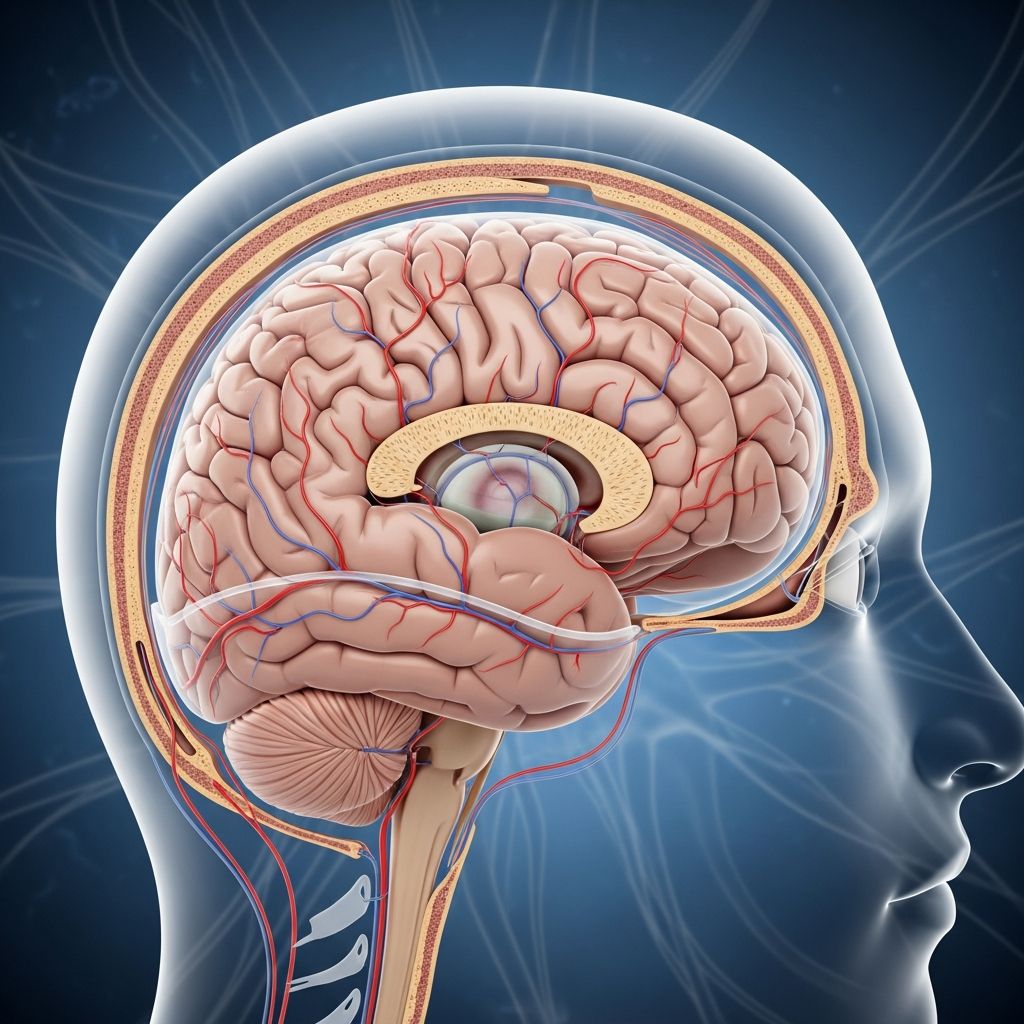
The human brain exists within a rigid protective chamber formed by the skull. Inside this compartment, three vital components maintain a delicate balance: brain tissue, blood, and cerebrospinal fluid. When the volume of any of these components increases abnormally, pressure inside the cranium rises, creating a potentially life-threatening condition known as elevated intracranial pressure (ICP). This serious medical emergency demands immediate professional intervention to prevent permanent neurological damage.
What Constitutes Elevated Brain Pressure?
Intracranial hypertension occurs when the pressure within the skull exceeds normal physiological ranges. In healthy adults, normal intracranial pressure typically measures between 7 and 15 millimeters of mercury (mmHg) when lying flat. When readings climb above 20 to 25 mmHg, the condition becomes pathological and may require urgent medical treatment. This elevation can result from various mechanisms, including increased cerebrospinal fluid volume, expanding brain tissue, or enhanced blood circulation within the cranial vault.
The challenge with elevated ICP lies in the skull’s rigid structure. Unlike other body compartments that can expand when internal volume increases, the skull remains fixed. Therefore, any increase in the volume of its contents directly translates to heightened pressure, which can compress vital brain structures and compromise their function.
Primary Mechanisms Behind Pressure Elevation
Understanding how intracranial pressure rises helps explain why this condition develops and why different patients may experience different presentations.
Cerebrospinal Fluid Abnormalities
Cerebrospinal fluid (CSF) normally circulates throughout the brain and spinal cord, providing cushioning and nutritional support. Pressure elevation can occur when the body produces excessive CSF or when the brain cannot reabsorb it efficiently. Tumors within the choroid plexus—the structure responsible for CSF production—can lead to fluid accumulation. Similarly, obstructions in normal fluid pathways prevent proper drainage, causing fluid backup and pressure accumulation.
Blood Volume Changes
The brain maintains precise control over its blood supply through specialized mechanisms. When these regulatory systems fail, increased cerebral blood flow or impaired venous drainage can elevate intracranial pressure. Conditions such as venous sinus thrombosis (blood clots in brain veins) or elevated central venous pressure from heart failure can restrict normal blood outflow from the cranium.
Brain Tissue Swelling
Brain swelling, or cerebral edema, represents another significant contributor to pressure elevation. Traumatic brain injuries, infections, strokes, and tumors all trigger inflammatory responses that cause brain tissue to swell beyond normal limits.
Recognizing Warning Signs Across Different Ages
The presentation of elevated intracranial pressure varies considerably depending on age, with infants, children, and adults displaying distinct symptom patterns.
Infant-Specific Indicators
Infants cannot communicate their discomfort verbally, making observation of behavioral and physical changes crucial. Warning signs in this age group include drowsiness beyond normal sleep patterns, separation or bulging of the skull sutures (the seams holding skull bones together), bulging of the anterior fontanelle (the soft spot on the crown), and persistent vomiting. A bulging fontanelle that does not flatten when the infant is upright represents a particularly concerning sign requiring immediate evaluation.
Related Stories



Childhood Presentations
Young children may exhibit behavioral changes including extreme irritability, difficulty being consoled, or unusual passivity. A shrill, high-pitched cry differs notably from an infant’s normal vocalization. Morning headaches, nausea upon waking, and morning vomiting patterns warrant attention. Additional concerning signs include seizures, one-sided weakness, uncoordinated movement or staggering, eye abnormalities (crossed eyes, droopy lids, unequal pupil sizes, or downward gaze), and loss of consciousness.
Adult and Adolescent Symptoms
Adults typically experience a constant throbbing headache, often worse in the morning or when coughing and straining. Transient vision loss—where vision darkens or “greys out” for seconds—can occur with coughing, sneezing, or bending. Other common symptoms include nausea and vomiting, drowsiness or lethargy, irritability, sensitivity to bright light, a pulsating sound in the ears (tinnitus), coordination difficulties, mental confusion, and sensory changes or weakness.
Serious Clinical Indicators Requiring Emergency Response
Certain symptom combinations signal dangerously elevated pressure requiring immediate intervention. A severe headache accompanied by blurred vision, decreased alertness, and vomiting constitutes a medical emergency. Seizures, sudden changes in behavior, weakness affecting movement or speech, and loss of consciousness demand immediate professional assessment.
One particularly ominous sign is Cushing triad, a classic presentation consisting of high blood pressure, an unusually slow heart rate (bradycardia), and irregular breathing patterns. This combination indicates impending brain herniation—a life-threatening event where brain tissue is forced downward through the skull’s opening, compressing vital structures. When intracranial pressure becomes sufficiently elevated, it triggers protective cardiovascular reflexes that paradoxically signal imminent danger.
Diagnostic Approaches and Medical Evaluation
Healthcare providers employ multiple diagnostic strategies to confirm elevated intracranial pressure and identify underlying causes.
Physical Examination Findings
During examination, healthcare professionals assess mental status, pupil reactivity, and eye movement. A fixed, dilated pupil often indicates worsening pressure and potential herniation. Fundoscopic examination—visualization of the optic disc—may reveal papilledema, a characteristic sign where the optic nerve becomes swollen due to elevated cerebrospinal fluid pressure surrounding it.
Imaging Studies
Magnetic resonance imaging (MRI) and computed tomography (CT) scans provide detailed views of brain structure, revealing tumors, bleeding, swelling, or obstructions. These imaging studies help identify the underlying cause of pressure elevation and guide treatment planning.
Neurological Monitoring
Continuous observation of neurological status plays a crucial role in detecting deterioration early. Healthcare teams closely monitor consciousness level, speech clarity, motor function, and other neurological parameters.
Potential Long-Term Consequences
Even after successful pressure normalization, elevated intracranial pressure can cause lasting neurological damage. Compromised cerebral perfusion pressure—the pressure gradient necessary to maintain adequate brain blood flow—can lead to brain tissue death (ischemia). Survivors may experience cognitive impairments, motor dysfunction, permanent vision loss from optic nerve damage, and other neurological deficits.
When to Contact Healthcare Providers
Seek immediate medical attention if experiencing severe headache, significant vision changes, decreased alertness, repeated vomiting, behavioral changes, weakness or movement problems, speech difficulties, or seizures. In younger children, contact healthcare providers for excessive sleepiness, shrill crying, morning headaches or vomiting, weakness, coordination problems, or eye abnormalities.
Key Takeaways
- Elevated intracranial pressure occurs when skull pressure exceeds normal ranges (above 20-25 mmHg in adults), creating a medical emergency
- Three primary mechanisms drive pressure elevation: cerebrospinal fluid abnormalities, increased blood volume, and brain tissue swelling
- Symptoms vary significantly by age, with infants showing fontanelle bulging and behavior changes, while adults experience progressive headaches and vision problems
- Cushing triad—high blood pressure, slow heart rate, and irregular breathing—signals impending brain herniation
- Prompt medical intervention is essential to prevent permanent neurological damage and complications including vision loss or cognitive impairment
- Multiple diagnostic tools including imaging, physical examination, and continuous neurological monitoring help confirm diagnosis and guide treatment
Frequently Asked Questions
What is the difference between intracranial pressure and intracranial hypertension?
Intracranial pressure refers to the normal pressure exerted by brain tissue, blood, and cerebrospinal fluid within the skull. Intracranial hypertension, also called raised intracranial pressure or elevated ICP, specifically refers to abnormally high pressure—above 20-25 mmHg in adults—that exceeds safe limits and requires treatment.
Can elevated brain pressure develop suddenly?
Yes. Sudden pressure elevation can result from acute events including severe head injuries, strokes, ruptured brain aneurysms, or acute infections like meningitis. Other conditions develop more gradually, such as slow-growing tumors or progressive swelling from chronic conditions.
Is elevated intracranial pressure always caused by a tumor?
No. While brain tumors represent one cause, many other conditions elevate intracranial pressure, including head trauma, infections (meningitis, encephalitis), bleeding within the skull, blocked cerebrospinal fluid pathways, brain swelling from various causes, and venous sinus thrombosis.
Can temporary vision loss indicate elevated brain pressure?
Yes. Transient vision loss lasting a few seconds, where vision becomes dark or “greyed out,” can occur with elevated intracranial pressure, particularly when triggered by activities like coughing, sneezing, or bending. This symptom warrants medical evaluation to identify the underlying cause.
What does papilledema mean?
Papilledema refers to swelling of the optic nerve disc visible during eye examination. It occurs when elevated cerebrospinal fluid pressure is transmitted along the nerves surrounding the optic nerve, causing the nerve head to swell. This finding confirms elevated intracranial pressure and helps guide treatment decisions.
References
- Increased Intracranial Pressure — National Center for Biotechnology Information (NCBI), U.S. National Library of Medicine. 2024. https://www.ncbi.nlm.nih.gov/books/NBK482119/
- Increased Intracranial Pressure (ICP) — UR Medicine, University of Rochester Medical Center. Accessed 2024. https://www.urmc.rochester.edu/encyclopedia/content?contentid=67&contenttypeid=134
- Increased Intracranial Pressure — MedlinePlus Medical Encyclopedia, U.S. National Library of Medicine. Reviewed 2024. https://medlineplus.gov/ency/article/000793.htm
- Intracranial hypertension — National Health Service (NHS). Reviewed 2024. https://www.nhs.uk/conditions/intracranial-hypertension/
- Increased Intracranial Pressure (ICP) — Nationwide Children’s Hospital. Accessed 2024. https://www.nationwidechildrens.org/conditions/increased-intracranial-pressure
Similar Articles








Read full bio of Sneha Tete