Elevated Liver Enzymes: Causes, Symptoms & Treatment
Understanding elevated liver enzymes: causes, diagnosis, and when to seek medical care.
Understanding Elevated Liver Enzymes
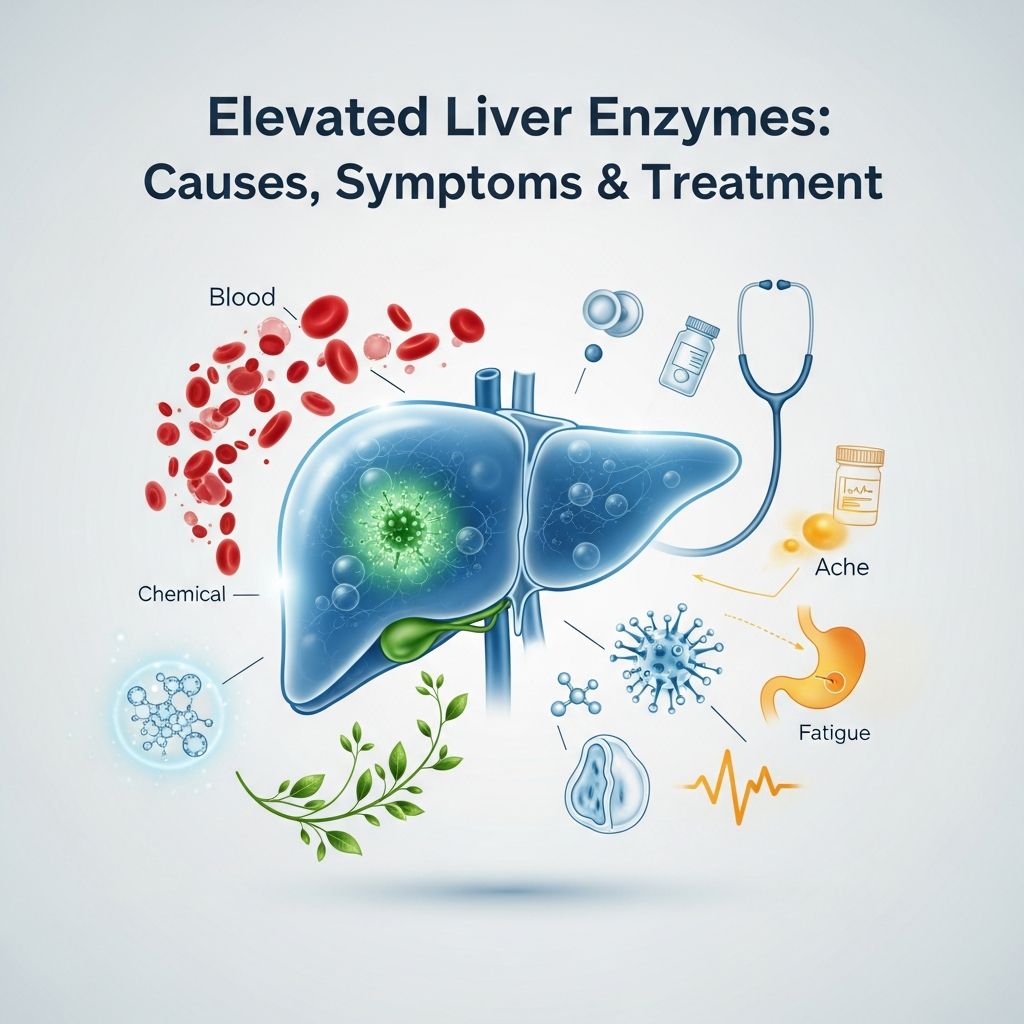
Elevated liver enzymes are a common finding in clinical practice, often detected during routine blood work or when investigating specific health concerns. These enzymes serve as important markers of liver health and function. When liver cells are damaged or stressed, they release enzymes into the bloodstream, causing elevated levels that can be detected through laboratory testing. Understanding what elevated liver enzymes mean, what causes them, and how they are managed is essential for maintaining optimal liver health.
Liver enzymes are proteins produced by liver cells that facilitate important biochemical reactions within the body. The most commonly measured liver enzymes include alanine aminotransferase (ALT), aspartate aminotransferase (AST), alkaline phosphatase (ALP), and gamma-glutamyl transferase (GGT). When these enzyme levels rise above normal ranges, it indicates potential liver stress or damage, even in the absence of symptoms.
What Are Liver Enzymes?
Liver enzymes are specialized proteins that catalyze essential metabolic processes within hepatocytes, the primary functional cells of the liver. Each enzyme plays a distinct role in maintaining liver function and overall metabolic health. ALT is primarily found in liver cells and is released when hepatocytes are damaged, making it a sensitive marker for liver-specific injury. AST, while also present in liver cells, is found in other tissues as well, including heart and muscle cells.
Alkaline phosphatase and gamma-glutamyl transferase are typically elevated in conditions affecting the bile ducts and cholestasis, representing a different pattern of liver injury compared to hepatocellular damage. Understanding these enzyme patterns helps healthcare providers identify the underlying cause of liver dysfunction and guide appropriate treatment decisions.
Common Causes of Elevated Liver Enzymes
The three most common causes of elevated liver enzymes are alcohol toxicity, medication side effects, and nonalcoholic fatty liver disease. These conditions account for the majority of elevated enzyme cases encountered in clinical practice.
Alcohol Toxicity
Alcohol consumption is a significant risk factor for elevated liver enzymes. “Significant” alcohol consumption is defined as more than 21 drinks per week for men or more than 14 drinks per week for women, sustained over a period of at least 2 years. Alcohol is primarily metabolized by the liver, and during this metabolic process, the liver cells can be damaged, leading to enzyme elevation.
In alcoholic liver disease, AST elevations tend to be higher than ALT elevations. This pattern occurs because hepatic deficiency of pyridoxal 5′-phosphate, a cofactor necessary for ALT enzymatic activity, results in proportionally less ALT increase compared to AST. This distinctive AST/ALT pattern can help clinicians identify alcohol-related liver injury.
Medication Side Effects
Medications are a common culprit behind elevated liver enzymes. A detailed medication history is crucial for identifying drug-induced liver injury, with particular attention to recently added medications, dosage changes, and medication overuse. Common medications known to cause hepatic dysfunction include statins (which frequently cause enzyme elevation during the first three months of therapy), nonsteroidal anti-inflammatory drugs (NSAIDs), antiepileptic drugs, antibiotics, anabolic steroids, and acetaminophen.
Related Stories



Over-the-counter medications, herbal supplements, and illicit drugs should also be considered in the evaluation. Some herbal remedies can cause toxin-mediated hepatitis and should be discussed openly with healthcare providers to ensure accurate diagnosis and appropriate management.
Fatty Liver Disease
Nonalcoholic fatty liver disease (NAFLD) has become increasingly prevalent and represents one of the most common causes of elevated liver enzymes in developed countries. This condition involves excessive fat accumulation within liver cells without significant alcohol consumption. Metabolic syndrome, obesity, type 2 diabetes, and insulin resistance are closely associated with fatty liver disease.
Fatty liver disease can range from simple steatosis (fat accumulation) to nonalcoholic steatohepatitis (NASH), which involves inflammation and hepatocellular injury. Early detection through elevated liver enzymes provides an opportunity for intervention before progressive liver damage occurs.
Other Important Causes
Beyond the three most common causes, several other disorders can lead to elevated liver enzymes. Hereditary hemochromatosis, a genetic condition affecting iron metabolism, can cause progressive liver damage if untreated. Viral hepatitis, including hepatitis A, B, and C, causes acute or chronic liver inflammation and enzyme elevation.
Autoimmune hepatitis occurs when the immune system attacks liver cells, leading to inflammation and enzyme elevation. Primary biliary cholangitis and primary sclerosing cholangitis are autoimmune conditions affecting the bile ducts, characterized by elevated alkaline phosphatase and bilirubin. Alpha-1 antitrypsin deficiency, a hereditary metabolic disorder, can lead to early-onset liver and lung disease if not managed appropriately.
Importantly, elevated transaminases can result from nonhepatic causes as well. Rhabdomyolysis, a condition involving muscle breakdown, causes elevations in AST in more than 90% of cases and ALT in more than 75% of cases. Markers of muscle injury, including serum creatine kinase, should be obtained in settings involving heat stroke, muscle weakness, strenuous activity, or seizures to differentiate muscle-related from liver-related enzyme elevations.
Patterns of Liver Enzyme Elevation
Understanding the pattern of enzyme elevation helps identify the underlying mechanism of liver injury. Causes of elevated liver enzymes can be categorized into two main patterns: cholestatic and hepatocellular injury.
Hepatocellular Injury Pattern
Hepatocellular injury typically involves direct damage to liver cells, resulting in the elevation of aminotransferases, particularly ALT and AST. Elevated transaminases are among the earliest signs of liver stress, especially when both ALT and AST rise together. Damaged liver cells release these enzymes into the bloodstream, making transaminitis an indicator of hepatitis or other hepatocellular conditions before other clinical signs appear.
Cholestatic Pattern
Cholestatic disorders affect bile flow and typically cause elevations in alkaline phosphatase, bilirubin, and gamma-glutamyl transferase (GGT). These enzymes are more suggestive of bile duct disease and obstruction. Conditions such as primary sclerosing cholangitis, which involves inflammation and fibrosis of intrahepatic and extrahepatic bile ducts, characteristically present with elevated alkaline phosphatase as the hallmark finding.
Clinical Evaluation and Diagnosis
Primary care physicians play a crucial role in screening for abnormal liver enzyme levels and investigating likely causes through a systematic approach. The evaluation process begins with obtaining a detailed history and physical examination, followed by appropriate laboratory and diagnostic workup.
Medical History
A comprehensive medical history should ascertain alcohol intake patterns, with specific attention to quantity and duration. The medical and family history should include details of associated conditions such as right heart failure (a cause of congestive hepatopathy), metabolic syndrome (associated with fatty liver disease), inflammatory bowel disease, and early-onset emphysema suggesting alpha-1 antitrypsin deficiency.
Medication Review
A detailed medication history should focus especially on recently added medications, dosage changes, medication overuse, and use of nonprescription drugs and herbal supplements. This comprehensive review helps identify drug-induced liver injury as a contributing or primary cause of enzyme elevation.
Physical Examination
The physical examination should be thorough, with emphasis on abdominal assessment and careful search for stigmata of advanced liver disease. These signs include hepatomegaly (enlarged liver), splenomegaly (enlarged spleen), ascites (fluid accumulation), peripheral edema, spider angiomata (abnormal blood vessels), jaundice (yellowing of skin and eyes), and asterixis (flapping tremor).
Laboratory Testing
Laboratory evaluation typically includes measurement of liver function tests, including AST, ALT, alkaline phosphatase, bilirubin, and GGT levels. The pattern of elevation helps determine whether the injury is hepatocellular or cholestatic. Additional testing may include coagulation studies, albumin levels, and viral serology depending on clinical suspicion.
Imaging and Advanced Diagnostics
Liver imaging, such as ultrasound or magnetic resonance cholangiopancreatography (MRCP), may be requested to assess liver structure, exclude obstruction, and confirm diagnoses such as fatty liver disease or primary sclerosing cholangitis. Liver biopsy may be considered in selected cases to definitively diagnose conditions like primary biliary cholangitis or to assess the degree of fibrosis and inflammation.
Significance of Asymptomatic Elevations
An important principle in hepatology is that there are no trivial elevations in liver enzymes, bilirubin, or related substances. Elevated levels of circulating enzymes that frequently originate from hepatic origin are common in clinical practice, and even asymptomatic elevations warrant methodical evaluation and appropriate working diagnosis.
Between 1% to 9% of asymptomatic individuals have elevated liver enzymes detected during routine screening. While extensive evaluation of all abnormal results could expose many patients to undue risk and expense, failure to evaluate minor liver enzyme elevations could result in missing early diagnosis of potentially treatable disorders. Therefore, a balanced approach guided by clinical context is essential.
Management and Treatment
The management of elevated liver enzymes depends on identifying and addressing the underlying cause. Once the etiology is determined, specific interventions can be implemented to prevent further liver damage and promote recovery.
For alcohol-related liver disease, cessation of alcohol consumption is paramount. Patients should be counseled about the importance of abstinence and supported with appropriate resources and referrals to addiction specialists if needed.
For medication-induced liver injury, discontinuation of the offending agent is typically necessary, with careful consideration of alternative medications when appropriate. Herbal supplements and over-the-counter medications that may contribute to liver injury should be identified and eliminated.
Management of fatty liver disease focuses on lifestyle modifications, including weight loss, increased physical activity, improved diet, and management of associated metabolic conditions such as diabetes and dyslipidemia. In some cases, medications such as pioglitazone or vitamin E may be considered for specific patient populations.
Patients with evidence of chronic liver disease should be referred to a hepatology subspecialist for further evaluation and management. This is particularly important for patients with signs of cirrhosis or advanced fibrosis, as they may require specialized interventions and close monitoring.
When to Seek Specialist Care
Referral to a hepatology specialist is warranted in several clinical scenarios. Any patient demonstrating physical examination findings suggestive of advanced liver disease, such as ascites, jaundice, or asterixis, requires subspecialty evaluation. Additionally, patients with persistently elevated enzymes despite identification and management of potential causes, or those with evidence of synthetic liver dysfunction (elevated INR, low albumin, or thrombocytopenia), should be evaluated by a hepatologist.
Patients with specific liver conditions such as chronic viral hepatitis, autoimmune hepatitis, primary biliary cholangitis, or primary sclerosing cholangitis require specialized management and monitoring. Early subspecialty referral ensures appropriate treatment and surveillance to prevent progression to cirrhosis and liver failure.
Frequently Asked Questions
Q: What do elevated liver enzymes mean?
A: Elevated liver enzymes indicate that liver cells may be damaged or stressed. The liver is releasing these enzymes into the bloodstream, which can be detected through blood tests. This may signal various conditions ranging from mild to serious, requiring evaluation to determine the underlying cause.
Q: Can elevated liver enzymes be normal?
A: While mild elevations occasionally occur and may resolve spontaneously, there are no truly trivial elevations in liver enzymes. All persistent elevations warrant investigation to identify potential causes and rule out serious conditions.
Q: What is the difference between ALT and AST?
A: ALT is more liver-specific, while AST is found in multiple tissues including liver, heart, and muscle. When ALT is disproportionately elevated compared to AST, it suggests liver-specific injury. When AST is higher than ALT, it may suggest alcoholic liver disease or muscle-related causes.
Q: How long does it take for liver enzymes to normalize?
A: The timeline for normalization depends on the underlying cause and how quickly it is addressed. Medications may be metabolized from the system within days to weeks, while lifestyle modifications for fatty liver disease may take months to show improvement in enzyme levels.
Q: Should I be concerned if I have elevated liver enzymes but no symptoms?
A: Yes, asymptomatic elevations warrant investigation. Many serious liver conditions can present with elevated enzymes before symptoms develop, making early detection and intervention crucial for preventing progression.
Q: What lifestyle changes help reduce elevated liver enzymes?
A: Lifestyle modifications include limiting or eliminating alcohol consumption, achieving and maintaining a healthy weight, increasing physical activity, adopting a balanced diet, managing metabolic conditions like diabetes, and avoiding hepatotoxic substances and excessive over-the-counter medication use.
References
- Liver Enzymes: No Trivial Elevations, Even if Asymptomatic — Cleveland Clinic Journal of Medicine. 2018. https://www.ccjm.org/content/85/8/612
- When and How to Evaluate Mildly Elevated Liver Enzymes — Cleveland Clinic Journal of Medicine. 2010. https://www.ccjm.org/content/77/3/195
- Transaminitis: What it is, Symptoms, Causes & Treatment — Cleveland Clinic. 2025. https://my.clevelandclinic.org/health/symptoms/transaminitis
- Fatty Liver Disease — Cleveland Clinic Abu Dhabi. 2025. https://www.clevelandclinicabudhabi.ae/en/health-hub/health-resource/diseases-and-conditions/fatty-liver
- Liver Disease: Signs & Symptoms, Causes, Stages, Treatment — Cleveland Clinic. 2025. https://my.clevelandclinic.org/health/diseases/17179-liver-disease
Similar Articles








Read full bio of medha deb