Dairy-Free Diet: 7-Day Meal Plan, Recipes, And Tips
Discover how to thrive on a dairy-free diet with smart alternatives, meal ideas, and health benefits for better wellness.
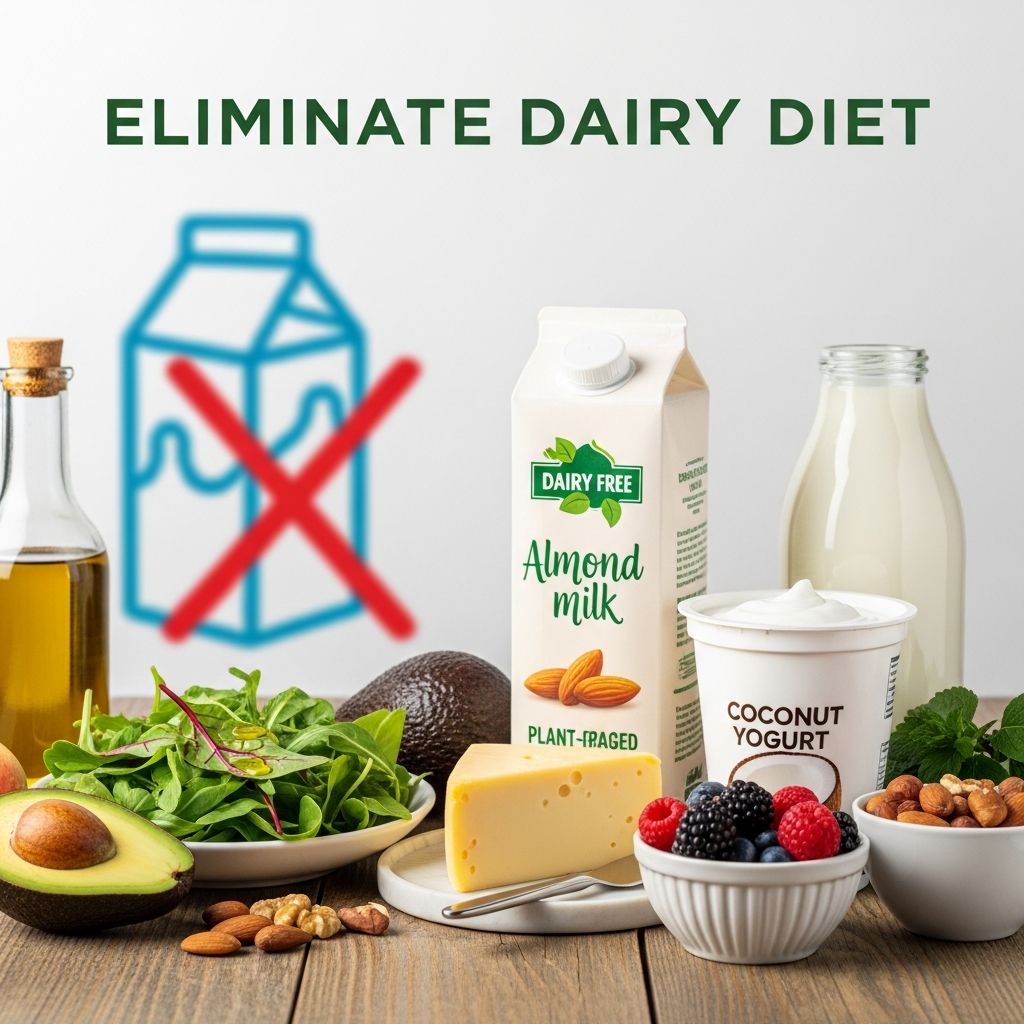
Eliminating dairy from your diet can improve digestion, reduce inflammation, and support heart health, especially if you’re lactose intolerant or following a plant-based lifestyle. This guide covers everything from reasons to go dairy-free to practical tips, alternatives, and recipes for success.
What Is a Dairy-Free Diet?
A dairy-free diet excludes all products derived from animal milk, including cow’s milk, cheese, yogurt, butter, cream, and ice cream. It allows plant-based substitutes like almond, oat, soy, and coconut milks, which are naturally lactose-free and fit vegan or vegetarian lifestyles.
Key principles include reading labels for hidden dairy (casein, whey), choosing fortified alternatives for nutrients like calcium and vitamin D, and ensuring balanced intake of protein and other essentials.
Reasons to Eliminate Dairy
- Lactose Intolerance: Affects up to 68% of the global population; symptoms include bloating, gas, and diarrhea from undigested lactose.
- Milk Allergies: Immune reactions to milk proteins causing hives, vomiting, or anaphylaxis, especially in children.
- Ethical and Environmental Concerns: Dairy farming contributes to greenhouse gases; plant alternatives have a lower carbon footprint.
- Health Issues: Links to acne, inflammation, and higher cholesterol in some studies; plant milks often lower in saturated fat.
- Plant-Based Shift: Supports weight management with lower-calorie options like unsweetened almond milk.
Health Benefits of Going Dairy-Free
Switching to plant-based milks can reduce calorie and fat intake by 37-75% compared to whole cow’s milk, aiding weight loss. Unsweetened varieties cut sugar significantly, as cow’s milk has 12g carbs from lactose versus 1g in many alternatives.
Other perks include heart health from omega-3s in hemp milk, soluble fiber in oat milk for cholesterol reduction, and MCTs in coconut milk for better HDL cholesterol. Fortified options match dairy for calcium and vitamin D when chosen wisely.
| Milk Type | Key Benefits | Calories (per cup, unsweetened) |
|---|---|---|
| Almond | Low-calorie, vitamin E | 30-40 |
| Oat | Soluble fiber, lowers cholesterol | 100-120 |
| Soy | High protein, similar to dairy | 80-100 |
| Coconut | MCTs for heart health | 45-60 |
| Hemp | Omega-3/6 for blood pressure | 70-80 |
Best Dairy Alternatives
Choose unsweetened, fortified plant milks for optimal nutrition. Soy is nutritionally closest to cow’s milk and included in federal dietary guidelines. Look for at least 7-8g protein, 276mg calcium, 349mg potassium, and 100 IU vitamin D per serving.
- Soy Milk: 7-9g protein, fortified with calcium, A, D; best for muscle repair.
- Almond Milk: Low-cal (30-40/cup), zero saturated fat; ideal for weight loss.
- Oat Milk: Creamy texture, beta-glucans for gut health; high fiber.
- Pea Milk: High protein (8g+), low carbs; good vitamin D.
- Others: Hemp for fats, coconut for MCTs; avoid rice milk due to high carbs.
Non-milk swaps: Cashew cheese, coconut yogurt, nut butters, olive oil for butter.
Nutritional Considerations
Dairy provides protein, calcium, potassium, vitamin D—nutrients of public health concern. Plant milks vary; soy and pea match closely if fortified, but absorption may differ (e.g., calcium carbonate is better absorbed).
Supplement with leafy greens (kale, broccoli), fortified OJ, sardines for calcium/protein. Kids need careful choices to match dairy’s natural nutrients.
- Protein: Aim 7g+ per cup; soy/pea excel.
- Calcium/Vit D: Fortified options provide 30% DV.
- Fats: Prefer polyunsaturated over saturated.
- Sugars: Unsweetened only; avoid added carbs.
7-Day Dairy-Free Meal Plan
This plan emphasizes variety, balance, and ~2000 calories/day for adults. Adjust portions as needed.
Related Stories



| Day | Breakfast | Lunch | Dinner | Snacks |
|---|---|---|---|---|
| 1 | Oatmeal with almond milk, berries | Quinoa salad w/ chickpeas, veggies | Stir-fry tofu, broccoli, brown rice | Apple, almond butter |
| 2 | Soy yogurt parfait w/ granola | Lentil soup, side salad | Grilled tempeh, sweet potato | Hummus, carrots |
| 3 | Smoothie: banana, spinach, oat milk | Chickpea wrap w/ avocado | Veggie curry w/ coconut milk | Trail mix (nuts/seeds) |
| 4 | Chia pudding w/ hemp milk | Falafel bowl w/ tahini | Baked falafel, quinoa | Pear, pea milk |
| 5 | Peanut butter banana toast (almond bread) | Black bean salad | Portobello “steak,” mashed cauliflower | Celery, nut butter |
| 6 | Oat milk latte, avocado toast | Tofu stir-fry wrap | Lentil dal w/ rice | Berries, coconut yogurt |
| 7 | Soy smoothie bowl | Veggie sushi rolls | Stuffed peppers w/ quinoa | Handful seeds |
Dairy-Free Recipes
Golden Turmeric Latte (Serves 2)
Ingredients: 2 cups oat milk, 1 tsp turmeric, ½ tsp ginger, pinch black pepper, 1 tbsp maple syrup, cinnamon.
- Heat milk, whisk in spices/syrup. Simmer 5 min. Serve hot.
Coconut Yogurt Parfait (Serves 1)
Ingredients: 1 cup coconut yogurt, granola, fruits, chia seeds.
- Layer yogurt, granola, fruits. Top with seeds. Chill 10 min.
Cashew Cheese Sauce (Serves 4)
Ingredients: 1 cup soaked cashews, ½ cup nutritional yeast, 1 cup water, garlic, lemon juice, salt.
- Blend until smooth. Heat gently for nachos/mac.
Almond Milk Pancakes (Serves 4)
Ingredients: 1 cup flour, 1 cup almond milk, 1 tbsp baking powder, banana, vanilla.
- Mix batter. Cook on non-stick pan. Top with berries.
FAQs
Is soy milk healthy?
Yes, fortified soy milk matches dairy’s protein/calcium and supports heart health; choose unsweetened.
Do I need supplements on dairy-free diet?
Possibly B12/vit D if not fortified foods; consult doctor. Greens/fish help calcium.
Best milk for kids?
Soy or pea, fortified for protein/calcium/potassium; not all plants equal dairy.
Can dairy-free help lose weight?
Yes, lower calories/fats in almond/oat vs. whole milk.
How to spot hidden dairy?
Check for casein, whey, lactose on labels.
Transition Tips
- Start gradual: Swap milk first, then cheese.
- Stock pantry: Fortified milks, nuts, legumes.
- Experiment textures: Blends for creaminess.
- Track nutrients via apps.
- Dine out: Request dairy-free options.
Thriving dairy-free requires planning but offers digestive relief and versatility.
References
- Almond, Oat, Soy and Other Milk Alternatives – The Health Benefits — Brown University Health. 2023. https://www.brownhealth.org/be-well/almond-oat-soy-and-other-milk-alternatives-health-benefits
- Dairy and alternatives in your diet – NHS — National Health Service (NHS). 2024-10-01. https://www.nhs.uk/live-well/eat-well/food-types/milk-and-dairy-nutrition/
- Should you switch to plant-based milk? — UCLA Health. 2023. https://www.uclahealth.org/news/article/should-you-switch-to-plant-based-milk
- Milk and Plant-Based Milk Alternatives: Know the Nutrient Difference — U.S. Food and Drug Administration (FDA). 2024-08-15. https://www.fda.gov/consumers/consumer-updates/milk-and-plant-based-milk-alternatives-know-nutrient-difference
- 6 nutrients to look for when choosing dairy or plant-based milk — Kaiser Permanente. 2024. https://healthy.kaiserpermanente.org/georgia/health-wellness/healtharticle.plant-based-milk-alternatives
- Plant-Based Milk Alternatives Fact Sheet — Healthy Eating Research. 2025-01-01. https://healthyeatingresearch.org/wp-content/uploads/2025/01/Plant-Based-Milk-Alternatives-Fact-Sheet.pdf
- What to Know About Non-Dairy Milks — NewYork-Presbyterian Health Matters. 2023. https://healthmatters.nyp.org/what-to-know-about-non-dairy-milks/
Similar Articles








Read full bio of medha deb