Embrace Your Scars: A Guide to Skin Cancer Surgery Healing
Transform your perspective on skin cancer surgery scars and discover effective healing strategies.
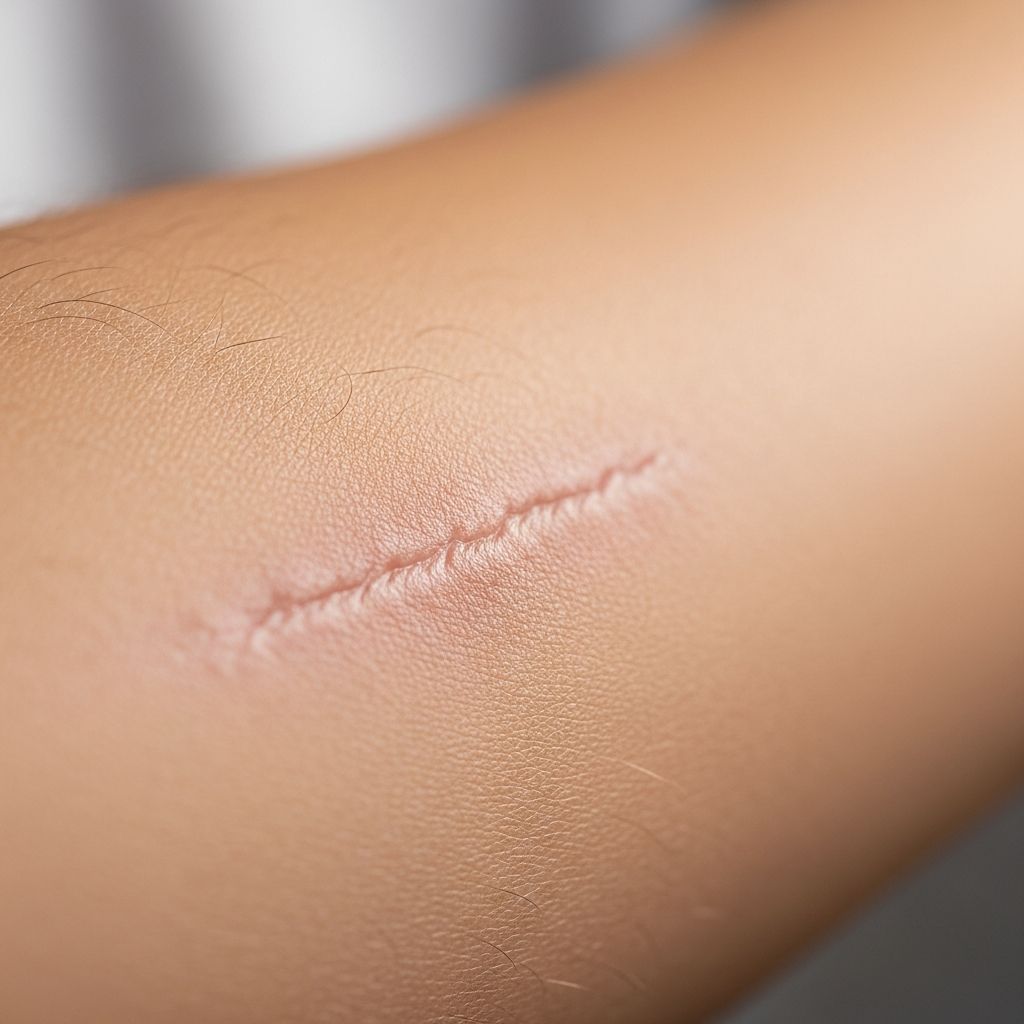
If you have been diagnosed with skin cancer and are preparing for treatment, that is excellent news. Early detection and prompt treatment are vastly preferable to allowing the condition to progress undetected. When skin cancer is caught and treated while small, you may not develop a scar at all. However, if surgical removal is necessary, you will likely develop some type of scar as part of your healing journey. Rather than viewing this scar as a negative outcome, dermatologists encourage patients to see it as a
badge of courage and healing
—a visible sign that you took action to protect your health.Understanding Skin Cancer Surgery and Scar Formation
When skin cancer requires surgical intervention, the specific approach depends on the type and extent of the cancer. One of the most advanced techniques available is
Mohs micrographic surgery
(MMS), which has revolutionized skin cancer treatment by combining effectiveness with tissue preservation.What is Mohs Micrographic Surgery?
Mohs surgery is a specialized surgical technique that removes skin cancer layer by layer, examining each layer microscopically to ensure all cancer cells are eliminated. During the procedure, the surgeon removes a layer of tissue and immediately examines it under a microscope. If cancer cells remain, they are precisely identified and removed. The surgeon repeats this process until no evidence of cancer exists. This technique boasts a high cure rate while achieving the smallest possible scar compared to other surgical methods.
The precision of Mohs surgery means that only cancerous tissue and a minimal margin of healthy tissue are removed, preserving as much healthy skin as possible. This approach is particularly valuable for facial skin cancers where cosmetic outcomes are important to patients.
Managing Patient Expectations About Scar Size
One of the most critical aspects of skin cancer surgery involves setting realistic expectations about scarring. Research reveals important insights about how patients and physicians estimate scar size differently.
The Reality of Scar Size Estimates
Studies show that
83.2% of patients receiving Mohs micrographic surgery significantly underestimate their scar size
. On average, postoperative scars are a median of 2.2 times larger than patients expected, whereas physicians’ estimates are typically only 1.1 times larger than the actual result. This substantial discrepancy between expectations and reality underscores why surgeons must communicate clearly with patients before surgery.Several factors explain why skin cancer surgery wounds are larger than patients anticipate:
- Hidden cancer extensions: What appears as a small red spot on the skin surface may have invisible “roots” or extensions of cancer beneath the skin that require removal during surgery
- Type of cancer: Melanoma typically requires larger excisions and results in longer, more noticeable scars (median 80 mm) compared to nonmelanoma skin cancers (median 40.5 mm)
- Surgical margins: Surgeons must remove not only the visible cancer but also a border of surrounding tissue to ensure complete cancer removal
Location and Individual Factors Affecting Scars
The final appearance of a skin cancer surgery scar depends on multiple factors:
Related Stories



- Cancer location: Scars on the face are more visible than those on less exposed body areas, making cosmetic concerns more significant
- Individual healing capacity: Some people are genetically prone to developing keloid scars—raised, thick scars that can be more challenging to manage
- Cancer type: Melanoma excision scars tend to be larger and more noticeable because melanoma grows deeper into the skin, while basal cell carcinoma scars may be smaller but still permanent
- Wound closure method: The technique used to close the surgical wound affects final scar appearance
The Scar Healing Timeline
Understanding that scar healing is a gradual process helps patients maintain realistic expectations.
Scars can take over a year, and sometimes up to two years, to reach their full healing potential
. During this extended healing period, scar appearance may fluctuate and change significantly.Early Scar Changes
In the immediate post-surgery period, scars typically appear red and may be raised or slightly swollen. This is a normal part of the healing process.
Redness indicates that blood vessels have formed to heal the wound and are still engorged with blood
. As healing progresses, blood vessel activity decreases and redness gradually fades.The timeline for visible improvement includes:
- First 6 weeks: Initial wound healing and scab formation
- 6 weeks to 3 months: Early remodeling begins; redness may intensify before improving
- 3 to 12 months: Significant improvement in color and texture as collagen reorganizes
- 12 to 24 months: Continued refinement toward final appearance
Recognizing Warning Signs in Healing Scars
While most scars heal normally, patients should watch for signs that may indicate complications. Although rare, research shows that between 0.1–2.5% of chronic scars can undergo malignant transformation. Warning signs that warrant medical evaluation include:
- Texture changes: Scar tissue becoming hardened or developing a rough surface, particularly concerning in melanoma scars
- Ulceration: Development of open sores, ulcers, or lesions, which could indicate cancer cells growing beneath the skin
- Tenderness or pain: Unexplained soreness or tenderness to touch, which may result from inflammation or irritation caused by malignant changes
Any of these changes should be reported to a dermatologist immediately for evaluation.
Early Scar Treatment Options
Modern dermatology offers multiple evidence-based approaches to improve scar appearance.
Early scar treatment can be more beneficial than waiting, as early scars are more receptive to change
. Dermatologists typically recommend starting scar treatments six weeks after surgery, particularly for cosmetically sensitive facial areas.Non-Surgical Treatment Approaches
| Treatment Option | How It Works | Best For | Timeline |
|---|---|---|---|
| Laser Therapy | Resurfacing the skin and promoting collagen production for even healing | Red, raised, or discolored scars | Multiple sessions spaced weeks apart |
| Pressure Garments | Applying consistent pressure to minimize scar thickness and prevent keloid formation | Large excisions or burn-related scars | Months of consistent wear |
| Topical Treatments | Various creams and ointments to support healing and hydration | Early-stage scars | Daily application during healing |
| Dermal Fillers | Injectable materials that temporarily improve depressed scar appearance | Depressed or sunken scars | Repeated injections over time |
Laser Treatment Specifics
Laser therapy is particularly effective for improving melanoma surgery scars. Different laser types target specific scar characteristics:
- Vascular lasers: Target blood vessels in red scars, reducing redness and improving color match with surrounding skin
- Resurfacing lasers: Remove superficial layers of scarred tissue and stimulate collagen remodeling for improved texture
- Fractional lasers: Create controlled micro-injuries to stimulate healing response without damaging surrounding tissue
The number of laser treatment sessions needed varies based on scar characteristics, but multiple sessions spaced several weeks apart typically yield the best results.
Advanced Treatment Options
For scars that do not respond adequately to early interventions, advanced treatment options are available. These may include surgical scar revision techniques, chemical peels, microneedling, or combination approaches tailored to the specific scar characteristics.
In rare cases where basal cell carcinoma or squamous cell carcinoma becomes advanced, additional treatment with medications beyond surgery may be recommended. Your dermatologist will discuss these options based on your individual situation.
Patient Perspectives on Scarring
Patient reactions to scarring from skin cancer surgery vary widely. Some patients prioritize cancer elimination above all else, while others express significant concern about cosmetic appearance. Both perspectives are valid, and dermatologists recognize this spectrum of concerns.
Quality of Life Considerations
Research indicates that
patient-reported appearance-related psychosocial distress is low following facial skin cancer surgery, and distress decreases over time
. This positive finding reflects both the effectiveness of modern surgical techniques and the psychological benefit of knowing that the cancer has been eliminated.However, scars can still affect some patients’ quality of life, which is why setting realistic expectations and offering treatment options when desired is important. The key is ensuring that patients understand their options and feel supported throughout the healing process.
Education and Communication
Dermatologists emphasize that
public education about scar size is crucial
. Many patients are surprised by the final scar length because they do not understand that the surgical wound must extend beyond the visible cancer to ensure complete removal. When surgeons thoroughly explain the reasons for larger-than-expected scars and show patients visual references or measurements before surgery, patient satisfaction typically improves.Key communication points include:
- Why the surgical wound must be larger than the visible skin cancer
- How hidden cancer extensions beneath the skin influence wound size
- The typical healing timeline and expected changes over months and years
- Available treatment options to improve scar appearance
- Realistic expectations for final scar appearance
Living with Skin Cancer Surgery Scars
Many dermatologists and skin cancer survivors encourage viewing scars not as disfigurements but as evidence of survival and successful cancer treatment. A scar represents:
- Early detection and prompt action against skin cancer
- Successful removal of a potentially life-threatening condition
- Your body’s remarkable healing capacity
- A proactive step toward long-term health
While it is completely reasonable to pursue treatments to improve scar appearance if that is important to you, many patients find that accepting their scars becomes easier over time, particularly as they recognize the scar’s significance in their health journey.
Frequently Asked Questions
Q: Will I definitely have a scar after skin cancer removal?
A: If skin cancer is detected and treated when very small, you may not develop a scar. However, most skin cancers requiring surgical removal will result in some scarring. The extent depends on cancer type, size, location, and individual healing factors.
Q: How long does it take for a skin cancer surgery scar to fully heal?
A: Scars typically take one to two years to reach their full healing potential. During this time, appearance changes significantly as redness fades, texture improves, and the scar matures.
Q: When can I start treatment to improve my scar appearance?
A: Early treatment is more effective, with many dermatologists recommending starting six weeks after surgery. However, even older scars can benefit from various treatments.
Q: Is Mohs surgery better for minimizing scarring?
A: Yes, Mohs micrographic surgery achieves the smallest possible scar for skin cancer removal because it removes only cancerous tissue and minimal surrounding healthy tissue through layer-by-layer examination.
Q: What should I watch for in a healing skin cancer surgery scar?
A: Contact your dermatologist if you notice unexpected texture changes, ulceration (open sores), or increasing tenderness or pain, as these could indicate complications.
Q: Are melanoma scars larger than other skin cancer scars?
A: Yes, melanoma typically requires larger excisions because it grows deeper into the skin. Melanoma scars are usually significantly longer than nonmelanoma skin cancer scars.
Q: Can I do anything immediately after surgery to improve my scar?
A: Follow your surgeon’s wound care instructions carefully. Keep the area clean, protected from sun exposure, and moisturized. Avoid picking at scabs or stretching the wound. Sun protection is particularly important during healing.
References
- Skin Cancer in a Scar – What You Need to Know — BIOCORNEUM. 2024. https://biocorneum.com/blogs/news/skin-cancer-in-a-scar
- Embrace Your Scars — Skin Cancer Foundation. https://www.skincancer.org/blog/embrace-your-scars/
- Accuracy of Patient and Physician Scar Length Estimates Before Mohs Micrographic Surgery for Facial Skin Cancers — JAMA Network Open. 2020. https://jamanetwork.com/journals/jamanetworkopen/fullarticle/2762631
- Appearance-Related Psychosocial Distress: Facial Skin Cancer Surgery and Patient-Reported Outcomes — National Center for Biotechnology Information. 2020. https://pmc.ncbi.nlm.nih.gov/articles/PMC7474556/
- Skin Cancer Surgical Scars: Coping and Finding Support — Skin Cancer Net. https://skincancer.net/living/treatment-side-effects-appearance-scars
Similar Articles








Read full bio of Sneha Tete