Emedastine Eye Drops for Hay Fever: 5 Key Usage & Safety FAQs
Effective relief from itchy, red eyes caused by hay fever and seasonal allergies with emedastine drops.
| Type of medicine | Antihistamine eye preparation |
|---|---|
| Used for | Eye irritation associated with seasonal allergic conjunctivitis |
| Also called | Emadine® (discontinued in some regions) |
| Available as | Eye drops |
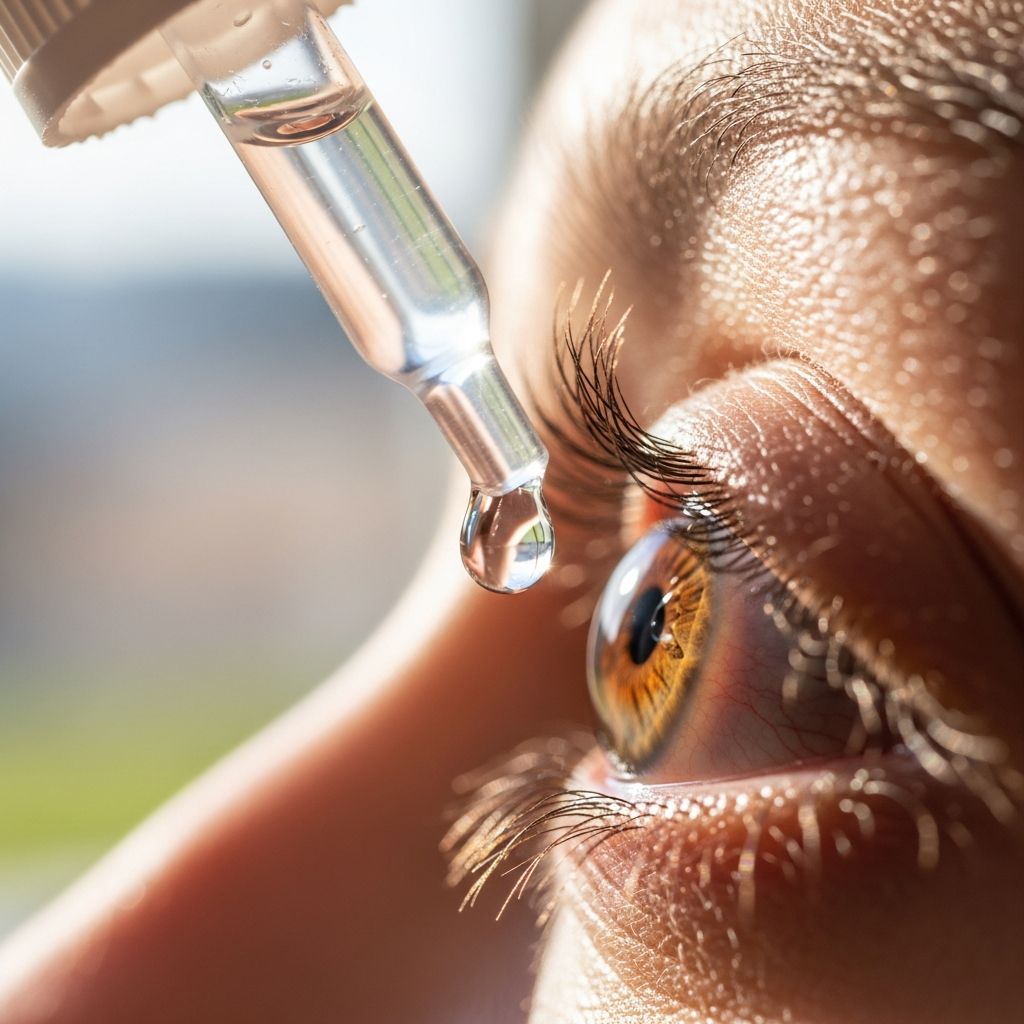
Emedastine eye drops are a targeted treatment for relieving eye symptoms caused by allergies, particularly hay fever. These drops work quickly to block histamine, the chemical responsible for itchy, red, and watery eyes during pollen season.
About emedastine eye drops
Hay fever, medically known as seasonal allergic conjunctivitis, affects millions each year when pollen triggers an immune response. The body’s reaction releases histamine from cells in the eye’s lining, leading to inflammation, redness, itching, and excessive tearing. These symptoms typically peak during specific seasons, such as spring or summer, depending on local pollen types.
Emedastine is a potent antihistamine specifically formulated for ocular use. It belongs to the class of H1-receptor antagonists, which selectively block histamine’s effects on the eyes without significant systemic absorption. Administered as a 0.05% solution (0.5 mg/ml), one drop is instilled into the affected eye(s) twice daily—usually morning and evening.
Clinical studies demonstrate emedastine’s rapid onset, reducing itching and redness within 5 minutes of application. In a multicenter, randomized trial involving 222 patients aged 4 and older, emedastine significantly outperformed levocabastine (another antihistamine drop) in alleviating symptoms over 6 weeks. Itching scores dropped from 5.1 to 2.7 within 2 hours, with sustained improvement. The European Medicines Agency (EMA) approves its use for adults and children over 3 years for up to 6 weeks.
Unlike oral antihistamines, emedastine acts locally, minimizing side effects elsewhere in the body. It’s prescription-only, available in multi-dose bottles or single-dose containers to prevent contamination.
Before using emedastine eye drops
Consult your doctor before starting emedastine to ensure it’s suitable. Key considerations include:
- Contact lenses: Do not wear soft contact lenses during treatment due to the preservative benzalkonium chloride, which can accumulate and cause discoloration or irritation. Wait at least 10-15 minutes after drops before reinserting lenses, if approved by your doctor.
- Pregnancy and breastfeeding: Limited data exists, but emedastine is generally considered safe in pregnancy (Category B). Inform your doctor if pregnant or planning pregnancy. Use during breastfeeding only if benefits outweigh risks, as small amounts may pass into milk.
- Medical history: Disclose allergies to emedastine, other antihistamines, or preservatives. Caution in glaucoma, dry eye syndrome, or corneal conditions.
- Children: Safe for ages 3+, but dosing may adjust for younger patients.
- Other medications: No major interactions, but inform about other eye drops or systemic drugs.
A full medical review ensures no contraindications, optimizing safety and efficacy.
How to use emedastine eye drops
Follow these steps for proper administration to maximize relief and minimize waste:
- Wash hands thoroughly with soap and water to prevent introducing bacteria.
- Shake the bottle gently if required (check label).
- Tilt head back slightly, look up, and pull down the lower eyelid to create a pocket.
- Hold the dropper tip close to the eye without touching it. Squeeze to release one drop into the pocket.
- Close the eye gently for 1-2 minutes. Press the inner corner of the eye (near nose) to block tear duct drainage, enhancing retention.
- Repeat for the other eye if needed. Wait 5-10 minutes before other drops.
- Replace cap immediately, tightening securely.
Related Stories



Use exactly as prescribed: twice daily. Overuse won’t speed relief and may increase side effects. Effects last up to 12 hours, covering peak symptom times.
Getting the most from your treatment
To optimize outcomes:
- Read the patient information leaflet (PIL) for full details, including side effects.
- Continue use throughout pollen season, often several weeks, even if symptoms ease.
- Avoid touching the dropper to eyes, fingers, or surfaces to prevent contamination. Discard if solution changes color or becomes cloudy.
- Expect temporary blurred vision post-instillation; wait until clear before driving or operating machinery.
- Space other eye drops by 5-10 minutes; apply ointments last.
- Combine with non-drug measures: stay indoors on high-pollen days, use wraparound sunglasses, shower after outdoors, and keep windows closed. Air purifiers and saline rinses complement treatment.
- If no improvement in 7 days or worsening, consult your doctor—may indicate infection or need alternative therapy.
Track symptoms in a diary to monitor progress and guide adjustments.
Can emedastine eye drops cause problems?
Emedastine is well-tolerated, with low systemic absorption. Most side effects are mild and transient.
| Common side effects | How to manage |
|---|---|
| Blurred vision, burning/stinging, itchiness, redness | Resolve in minutes; avoid driving until vision clears |
| Headache (occasional) | Use over-the-counter pain relief if needed |
Rare issues include corneal erosion, keratitis, or allergic reactions (rash, swelling). Discontinue and seek medical help for severe symptoms like vision loss or persistent pain. Long-term studies up to 6 weeks show good safety; no serious adverse events in trials.
In comparative research, emedastine matched levocabastine’s tolerability while proving superior in efficacy.
How to store emedastine eye drops
- Store below 25°C, away from direct light and moisture.
- Do not freeze.
- Keep out of reach of children.
- Discard 4 weeks after opening (multi-dose) or use single-dose immediately.
- Do not use past expiry date.
Important information about all medicines
Never share prescriptions. Report new symptoms promptly. Vaccines and interactions are minimal, but discuss with pharmacists/doctors. Dispose of unused drops via pharmacy take-back programs, not household waste.
Frequently Asked Questions (FAQs)
Q: How quickly do emedastine drops work?
A: Relief from itching and redness starts within 5 minutes, with peak effect in 2 hours.
Q: Can I wear contact lenses with emedastine?
A: No soft lenses during treatment; preservatives can damage them. Consult for hard lenses.
Q: Is emedastine safe for children?
A: Yes, for ages 3+; efficacy shown in pediatric trials.
Q: How long can I use emedastine?
A: Up to 6 weeks; re-evaluate with doctor if needed longer.
Q: What if I miss a dose?
A: Apply as soon as remembered; resume schedule. Don’t double dose.
References
- Emedastine eye drops for hay fever – Emadine — Patient.info. 2023. https://patient.info/medicine/emedastine-eye-drops-for-hay-fever
- Emadine — European Medicines Agency (EMA). 2023-10-01. https://www.ema.europa.eu/en/medicines/human/EPAR/emadine
- Clinical evaluation of twice-daily emedastine 0.05% eye drops — PubMed (Am J Ophthalmol). 2001-05. https://pubmed.ncbi.nlm.nih.gov/11384563/
Similar Articles








Read full bio of medha deb