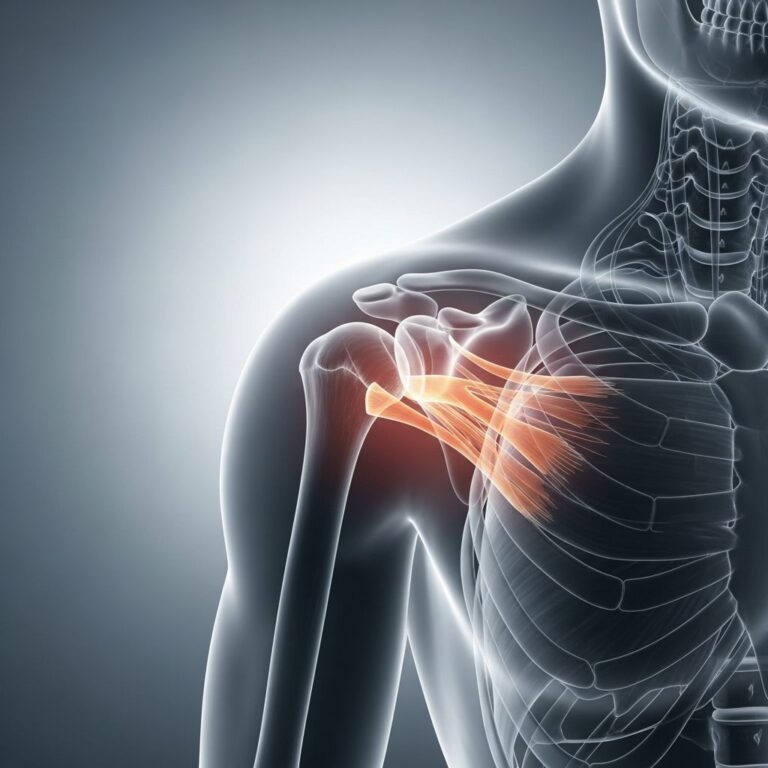
EMG (Electromyography): Complete Diagnostic Guide
Understand how EMG testing evaluates muscle and nerve health for accurate diagnosis.
What Is EMG (Electromyography)?
Electromyography (EMG) is a diagnostic test that measures the electrical activity of muscles and evaluates how well your muscles and the nerves that control them are working. This non-invasive procedure records electrical signals produced by muscles in response to nerve activity, providing valuable information about neuromuscular health. EMG has been used in medical settings since the 1960s and has evolved into a standard diagnostic tool for identifying muscle and nerve disorders.
An EMG typically involves two complementary components: a nerve conduction study (NCS) and a needle EMG examination. Together, these tests create a comprehensive assessment of your neuromuscular system, helping healthcare providers distinguish the cause of various symptoms and determine the appropriate course of treatment.
Why You Might Need an EMG Test
Your healthcare provider may recommend an EMG if you are experiencing symptoms that suggest a muscle or nerve disorder. EMG testing helps physicians identify the underlying causes of various neuromuscular conditions and guide treatment decisions.
Common reasons for EMG testing include:
- Muscle weakness or unexplained loss of strength
- Tingling or numbness in your arms, legs, hands, feet, or face
- Muscle cramps, spasms, or twitching
- Paralysis or loss of muscle function
- Pain in specific areas of the body
- Suspected nerve compression or entrapment
- Evaluation of neuromuscular diseases
EMG is particularly useful for diagnosing conditions such as carpal tunnel syndrome, sciatica, muscular dystrophy, myasthenia gravis, and various other nerve and muscle disorders. The test can also help evaluate the severity of a condition and monitor how well treatment is working.
Understanding the EMG Components
Nerve Conduction Study (NCS)
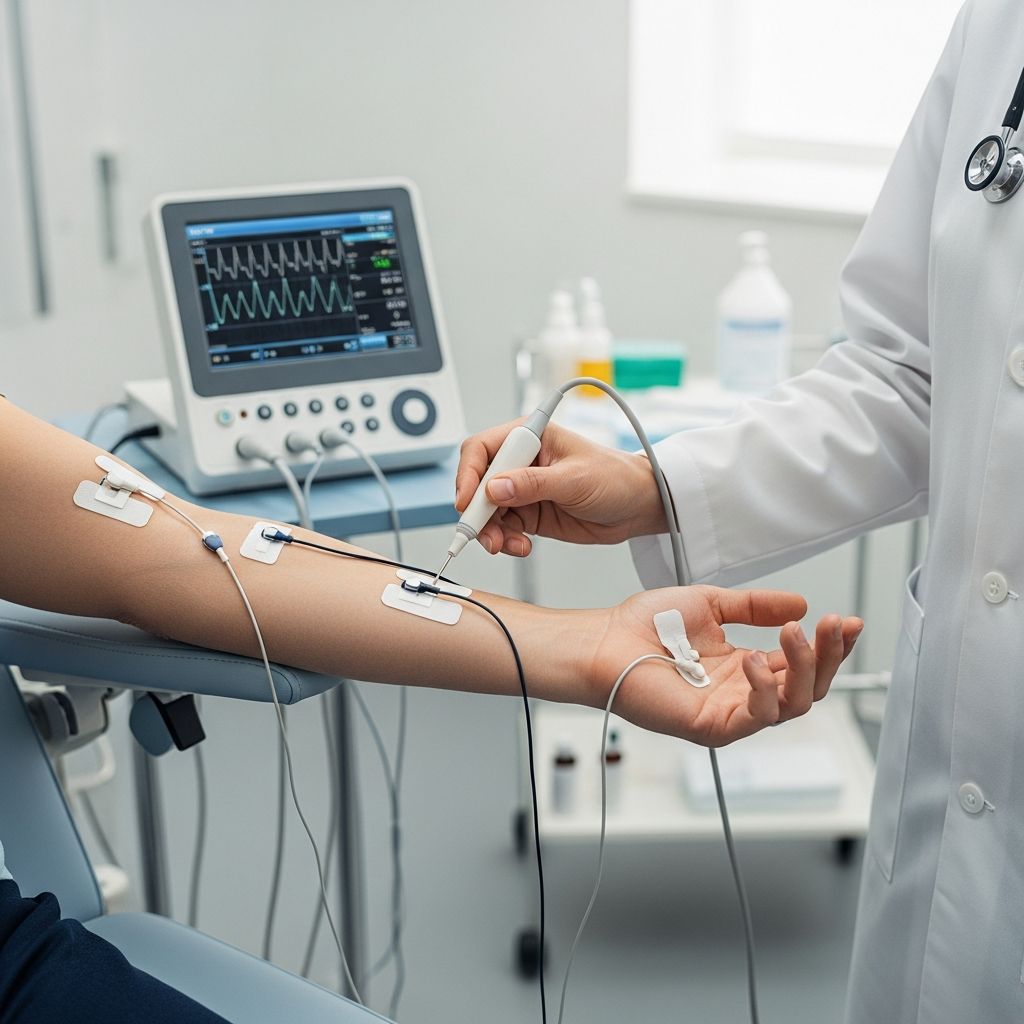
The nerve conduction study is typically performed first and measures the speed at which electrical impulses travel through a nerve. During this portion of the test, your healthcare provider places electrodes on your skin above specific nerves. These electrodes deliver mild electrical pulses that stimulate the nerves and cause your muscles to respond.
The NCS measures the conduction velocity—the speed at which your muscle responds to the nerve signal. By recording the distance between electrodes and the time it takes for electrical impulses to travel between them, providers can assess whether nerves are functioning properly. This information helps identify nerve compression, damage, or dysfunction.
Needle EMG
The needle EMG portion involves inserting small, thin needles into specific muscles to record their electrical activity directly. Unlike the nerve conduction study, this component evaluates how muscles respond at rest and during contraction. Your healthcare provider will ask you to relax completely while the machine records baseline muscle activity, then gradually contract the muscle while continuing to record electrical signals.
Related Stories



The electrical activity recorded during needle EMG appears as waveforms on a computer screen, called action potentials. The exact size, shape, and pattern of these waveforms provide information about how your muscles are responding to signals from nerve cells. This helps identify whether muscle weakness results from a primary muscle disease or a nerve problem affecting the muscle.
What to Expect During Your EMG
Before Your Appointment
Preparation for an EMG is minimal, but there are important steps to follow. Inform your healthcare provider about any medications you are taking, especially blood thinners or anticoagulants such as Coumadin or Lovenox, as these may affect the procedure. Avoid caffeine and stimulant medications for several hours before your test, as they can increase muscle activity and affect results.
Wear comfortable, loose-fitting clothing that allows easy access to the areas being tested. You should plan to arrive 10-15 minutes early to complete registration and discuss any concerns with the medical staff.
During the Procedure
An EMG typically lasts between 30 and 60 minutes, though the exact duration depends on your specific symptoms and the number of muscles being evaluated. During the nerve conduction study portion, you will sit or lie on a table while your provider applies electrodes to your skin. You may feel a mild tingling sensation when electrical pulses are delivered through the stimulating electrodes.
During the needle EMG portion, your healthcare provider will insert thin needles into specific muscles. You may experience mild discomfort or a slight pricking sensation during needle insertion, but this is generally minimal and temporary. The procedure room will have a video screen displaying your muscle’s electrical activity as wavy and spiky lines, and you may also hear popping or crackling sounds through an audio speaker as your muscles contract.
Throughout the test, your provider may move electrodes to different locations to record activity in various muscles and obtain a comprehensive assessment.
After the Procedure
EMG is a safe procedure with no significant side effects. You may experience minor bruising at needle insertion sites, but this typically resolves within a few days. You can return to your normal activities immediately after the test. There are no restrictions on physical activity or diet following an EMG.
EMG Results and Interpretation
Your test results will be compiled and sent to the physician who ordered the test. The timing of result availability varies by facility, but many providers receive results the same day as your appointment or within a few working days. During your follow-up appointment, your healthcare provider will discuss the findings with you and explain what the results indicate about your muscle and nerve function.
EMG results can reveal important information about:
- The location of nerve or muscle problems
- Whether the condition is acute, chronic, or ongoing
- The severity of the problem
- The underlying cause or pathophysiology of your symptoms
- Whether surgery might be necessary
- How well current treatment is working
Your provider will interpret the electrical patterns and action potentials recorded during your EMG to make an accurate diagnosis and recommend appropriate treatment options.
Conditions Diagnosed With EMG
EMG is valuable for diagnosing and evaluating a wide range of neuromuscular conditions, including:
- Carpal tunnel syndrome and other nerve compression disorders
- Peripheral neuropathy and polyneuropathy
- Muscular dystrophy
- Myasthenia gravis
- Amyotrophic lateral sclerosis (ALS)
- Guillain-Barré syndrome
- Charcot-Marie-Tooth disease
- Chronic inflammatory demyelinating polyneuropathy (CIDP)
- Sciatica and nerve root injuries
- Muscle or nerve injuries from trauma
- Myositis and inflammatory muscle conditions
EMG is particularly useful when the diagnosis is uncertain or when initial conservative treatment has not provided relief.
EMG vs. Other Diagnostic Tests
While EMG and nerve conduction studies are highly effective for evaluating neuromuscular problems, healthcare providers may recommend additional tests to create a comprehensive diagnostic picture. These complementary tests include blood tests to identify chemical markers of disease, genetic testing for hereditary conditions, imaging studies such as MRI to examine the brain and spinal cord, skin or muscle biopsies to assess tissue pathology, and specialized neurologic examinations.
It is important to note that EMG cannot evaluate brain or spinal cord diseases directly. Therefore, providers often combine EMG with other diagnostic tools to establish a complete and accurate diagnosis.
Advantages and Limitations
Advantages
EMG offers several significant advantages as a diagnostic tool. The procedure is non-invasive and generally safe with minimal side effects. It provides objective, measurable data about nerve and muscle function rather than relying solely on subjective symptom descriptions. EMG can pinpoint the exact location of problems, determine disease severity, and help differentiate between primary muscle disease and nerve-related muscle dysfunction. The procedure is relatively quick and can be performed in outpatient settings, allowing patients to return home immediately afterward.
Limitations
While EMG is highly valuable, it has certain limitations. The procedure cannot assess brain or spinal cord diseases, so additional imaging or testing may be necessary for complete diagnosis. EMG results can sometimes be difficult to interpret in patients with severe obesity or extensive scar tissue. Additionally, some patients may find the needle insertion uncomfortable, though discomfort is generally minimal and temporary.
Patient Comfort and Experience
Many healthcare providers recognize that electrodiagnostic testing can feel daunting or uncomfortable for some patients. Modern EMG procedures prioritize patient comfort and satisfaction. Healthcare teams typically answer all patient questions before the procedure, walk patients through what to expect, and check in regularly during the test to ensure comfort. Providers use the smallest possible needles and employ gentle techniques to minimize discomfort. The goal is to make the EMG experience as smooth and stress-free as possible while obtaining accurate diagnostic information.
EMG in Clinical Practice
Since its introduction to clinical medicine in the 1960s, EMG has become an indispensable tool for neurologists, orthopedic surgeons, physiatrists, and other healthcare providers specializing in neuromuscular medicine. Electrodiagnostic testing, consisting of nerve conduction studies and needle electrode examination, serves as an extension of a neurologic examination, providing important clues about the location, chronicity, severity, and underlying cause of neuromuscular problems.
EMG is particularly valuable in clinical decision-making, helping providers determine whether surgery is necessary, assess patients who have not improved as expected after surgery, and guide rehabilitation and treatment planning. Ongoing research continues to expand the applications of EMG, enabling diagnoses for an increasingly broad range of disorders.
Frequently Asked Questions
Q: Is EMG painful?
A: EMG may cause mild discomfort from needle insertion and electrical stimulation, but pain is usually minimal and temporary. Most patients tolerate the procedure well, and discomfort resolves immediately after the test ends.
Q: How long does an EMG take?
A: An EMG typically lasts between 30 and 60 minutes, depending on the number of muscles being tested and the complexity of your condition.
Q: Are there any side effects from EMG?
A: There are no significant side effects from EMG. You may experience minor bruising at needle insertion sites, but this typically resolves within a few days. You can return to normal activities immediately after the test.
Q: Do I need to prepare for an EMG?
A: Preparation is minimal. Inform your provider about medications, especially blood thinners, and avoid caffeine before the test. Wear loose-fitting clothing to allow easy access to test areas.
Q: Can EMG diagnose all nerve and muscle problems?
A: EMG is very valuable but cannot evaluate brain or spinal cord diseases. Providers often combine EMG with other tests like imaging or blood work for a complete diagnosis.
Q: When will I get my EMG results?
A: Results are typically available within several working days. Many facilities share results with your referring provider the same day as your appointment. Your healthcare provider will discuss findings during a follow-up visit.
References
- What is an Electromyogram (EMG)? — Cleveland Clinic Abu Dhabi. 2024. https://www.clevelandclinicabudhabi.ae/en/health-hub/health-resource/diagnostics-and-testing/what-is-an-electromyogram
- Electromyography (EMG) and Nerve Conduction Studies — MedlinePlus, National Library of Medicine. 2024. https://medlineplus.gov/lab-tests/electromyography-emg-and-nerve-conduction-studies/
- Electromyography — EBSCO Research Starters in Health and Medicine. 2024. https://www.ebsco.com/research-starters/health-and-medicine/electromyography
- ALS, Neuromuscular & Electrodiagnostic Services — Cleveland Clinic Florida. 2024. https://my.clevelandclinic.org/florida/departments/neurological/depts/neuromuscular-electrodiagnostic
- Using and Interpreting Electrodiagnostic Tests — Cleveland Clinic Journal of Medicine, Vol. 87, No. 11. 2020. https://www.ccjm.org/content/87/11/671
Similar Articles








Read full bio of Sneha Tete