Emollients And Moisturisers: 3 Key Mechanisms For Skin Repair
Essential guide to emollients and moisturisers for treating dry skin conditions like eczema, psoriasis and ichthyosis.
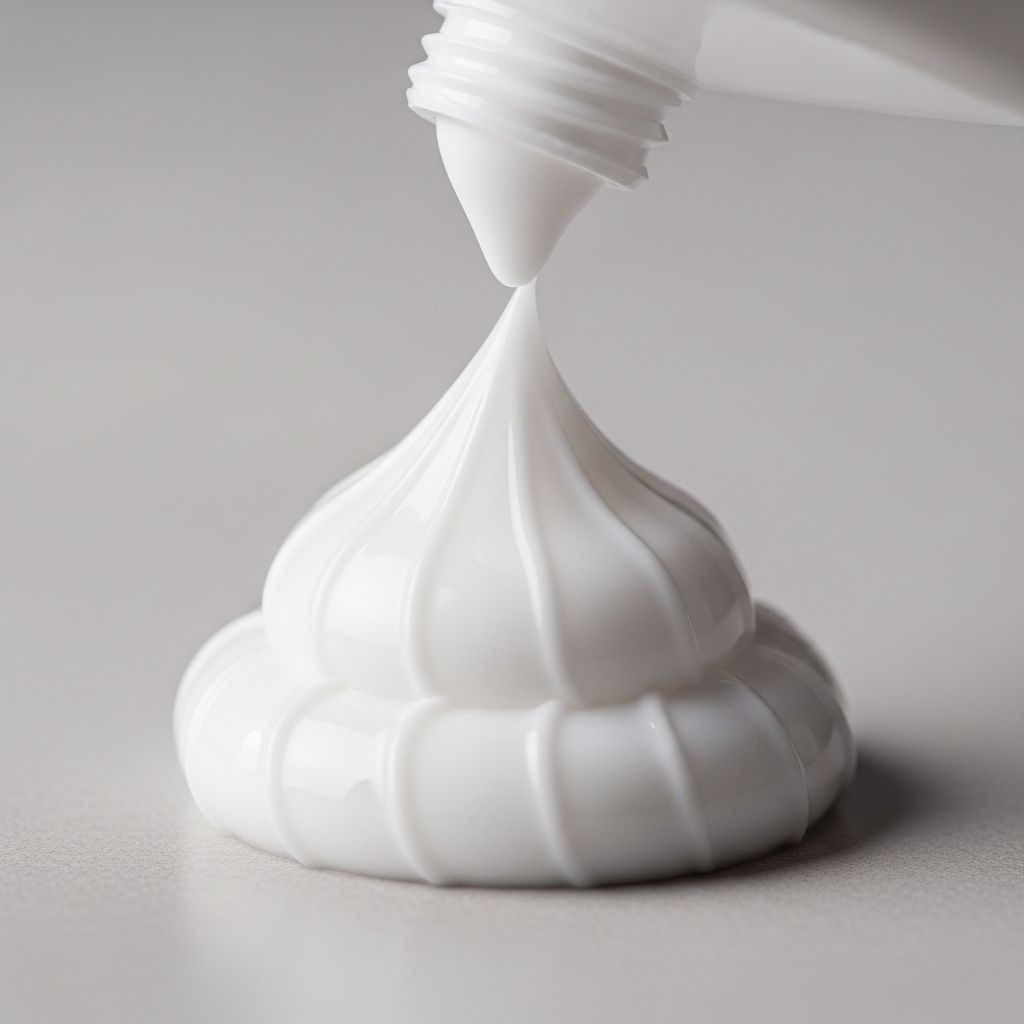
Emollients and moisturisers are fundamental in dermatological care, used to hydrate, soften, and protect the skin. Moisturisers add moisture to the skin, while emollients specifically soften and smooth by filling gaps between skin cells.
What are they?
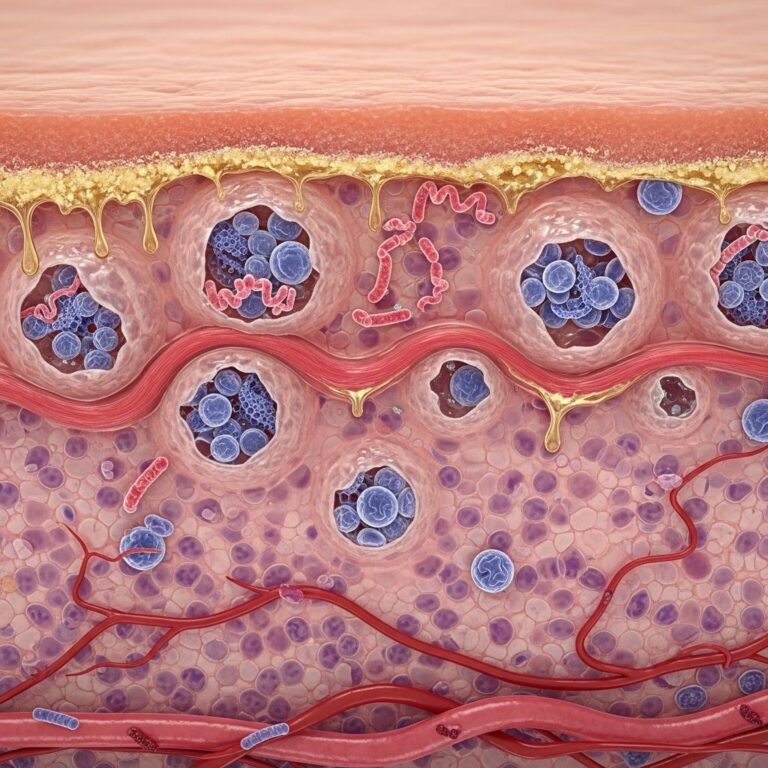
Moisturisers are products designed to increase the skin’s hydration levels, addressing dryness and supporting the skin barrier. Emollients, often key ingredients in moisturisers, work by softening and smoothing the skin surface, creating an occlusive layer that reduces transepidermal water loss (TEWL).
These products have been utilised for over 5,000 years and form the cornerstone of therapy for dry skin conditions.
Who gets dry skin and why?
Dry skin, or xerosis, affects individuals across all ages and is exacerbated by factors such as low humidity, frequent washing, ageing, and underlying conditions like atopic dermatitis. It results from impaired skin barrier function, leading to increased TEWL and vulnerability to irritants.
- Environmental factors: Low humidity, cold weather, and excessive bathing strip natural oils.
- Skin conditions: Eczema, psoriasis, and ichthyosis inherently compromise the barrier.
- Lifestyle: Harsh soaps, hot water, and ageing reduce lipid production.
How do emollients and moisturisers work?
Emollients and moisturisers function through three main mechanisms: humectants draw moisture into the skin, emollients fill intercellular gaps for smoothness, and occlusives seal the surface to prevent evaporation.
- Humectants (e.g., glycerol, urea): Attract water from the environment or deeper skin layers.
- Emollients (e.g., oils, shea butter): Soften by filling cracks between corneocytes.
- Occlusives (e.g., petrolatum): Form a hydrophobic barrier reducing TEWL by up to 99%.
This combination restores barrier integrity, reduces inflammation, and aids active ingredient penetration.
What is the composition of emollients/moisturisers?
Modern formulations blend water, oils, emulsifiers, humectants, and preservatives. Key components include:
| Component | Examples | Function |
|---|---|---|
| Humectants | Glycerol, hyaluronic acid, urea | Bind water |
| Emollients | Mineral oil, lanolin, squalene | Soften skin |
| Occlusives | Petrolatum, dimethicone, beeswax | Seal moisture |
| Emulsifiers | Stearic acid | Stabilise oil-water mix |
Medical emollients avoid fragrances and irritants, unlike cosmetic versions.
What types of emollients and moisturisers are there?
Products vary by consistency and occlusivity:
- Ointments: greasy, highly occlusive (e.g., 80% petrolatum), ideal for severe dryness.
- Creams: 50/50 oil-water emulsion, balanced for daily use.
- Lotions: light, fluid, suitable for hairy areas.
- Gels: water-based, non-greasy, for oily skin.
Humectant-enhanced versions last 6-24 hours.
What are emollients and moisturisers used for?
They treat and prevent dry skin conditions:
- Eczema: Restore barrier, reduce flares and steroid need.
- Psoriasis: Soften plaques, enhance topicals.
- Ichthyosis: Reduce scaling with keratolytics.
- Contact dermatitis: Protect and soothe.
- Ageing skin: Hydrate, plump wrinkles.
Additional benefits: antipruritic, antimitotic, wound healing.
Yield and frequency of application
Adults require 250-500g weekly; children 100-200g. Apply liberally 2-3 times daily, more during flares. Frequency: every 4-6 hours for lotions, up to 8 for ointments.
Do emollients interfere with topical steroids?
Emollients do not reduce steroid efficacy and can be applied before or after. ‘Mixing’ is safe; apply steroid first if concerned.
Related Stories



What vehicles for topical medications?
| Vehicle | Properties | Uses |
|---|---|---|
| Lotion | Light, non-greasy | Hairy areas, weeping lesions |
| Cream | Emulsion, absorbs well | Daily maintenance |
| Gel | Alcohol-based, drying | Acne, oily skin |
| Ointment | Greasy, occlusive | Dry, thick plaques |
How to apply?
Apply to warm, damp skin post-bath for best absorption. Use fingertip unit (0.5g) per area. Avoid sharing to prevent infection.
- Pat dry gently.
- Apply within 3 minutes.
- Liberal amounts.
Precautions when using emollients
- Fire risk: Flammable, avoid naked flames.
- Infection: Use fresh products, clean hands.
- Bacterial contamination: Discard if changed smell/texture.
- Allergies: Patch test new products.
Side effects and risks
Rare: contact dermatitis (1-10%), folliculitis from occlusion, or acne from comedogenic ingredients. Medical emollients minimise risks.
Product acquisition
Available OTC or prescription (subsidised in some regions). Choose unperfumed, soap substitutes.
Special emollient formulations
- Antimicrobial: With antiseptics for infected eczema.
- Keratolytic: Urea/salicylic acid for ichthyosis.
- Cooling: Menthol/urea for itch.
Frequently Asked Questions
What is the difference between emollients and moisturisers?
Moisturisers hydrate; emollients soften. Most products combine both.
Can I use emollients with steroid creams?
Yes, they complement each other.
How often should I apply?
At least twice daily, more as needed.
Are emollients safe for babies?
Yes, essential for childhood eczema.
Do they expire?
Check dates; discard if contaminated.
References
- Emollient – Dr. Pooya Beigi — Dr. Pooya Beigi. 2023. https://drpooyabeigi.com/emollient/
- What Are Emollients (moisturisers)? — Dr Davin Lim. 2024. https://drdavinlim.com/a-z-skin-care/emollients-moisturisers/
- Emollients — National Eczema Society. 2024. https://eczema.org/information-and-advice/treatments-for-eczema/emollients/
- The Role of Moisturizers in Addressing Various Kinds of Dermatitis — PMC (NCBI). 2018-05-15. https://pmc.ncbi.nlm.nih.gov/articles/PMC5849435/
- What Are Emollients, Humectants, and Occlusives? — CeraVe. 2024. https://www.cerave.com/skin-smarts/skincare-tips-advice/emollient-vs-humectant-vs-occlusive
- Emollients — NHS. 2024. https://www.nhs.uk/tests-and-treatments/emollients/
Similar Articles








Read full bio of Sneha Tete