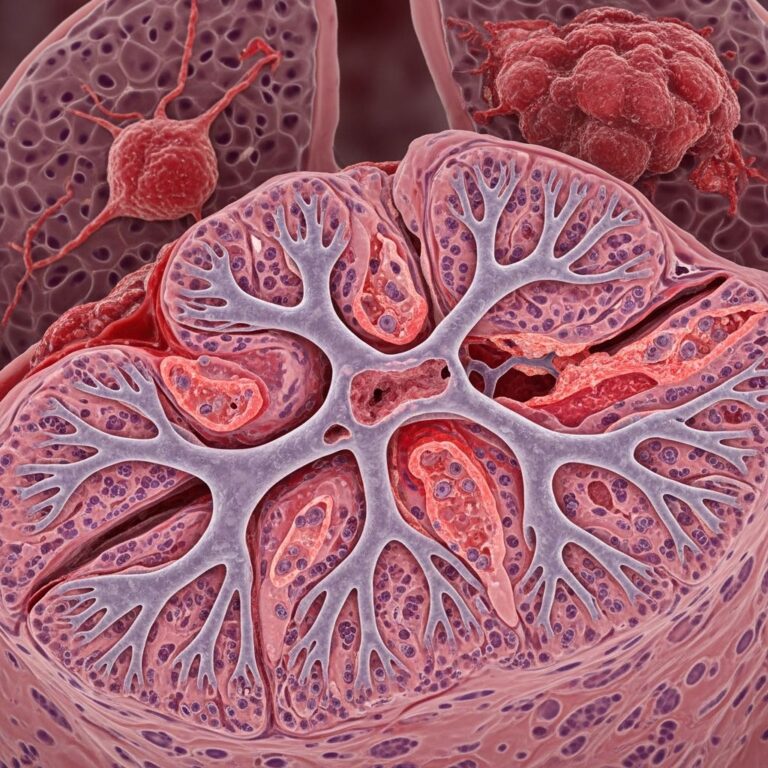
Emollients: Creams, Soaps, Moisturizers & Ointments
Discover how emollients relieve dry, irritated skin and support your skincare routine effectively.
Understanding Emollients: Your Guide to Skin Care
Emollients are ingredients found in skin care products that work to soothe dryness and irritation on your skin. These substances form a protective film on your skin’s outer layer, which is why they are also called barrier creams. Healthcare providers frequently recommend emollients for various skin conditions that cause scaling or dryness, such as eczema, psoriasis, and sensitive skin conditions. Whether you are dealing with occasional dry patches or chronic skin conditions, emollients can be a valuable addition to your daily skin care routine.
What Are Emollients and How Do They Work?
An emollient is an ingredient in moisturizers whose primary job is to soften skin and improve its texture. Unlike humectants that draw water into the skin or occlusives that seal moisture in, emollients function by filling in gaps between skin cells. This gap-filling action prevents the skin from appearing rough, dry, and flaky. By creating a smoother surface, emollients help restore the skin’s natural appearance and comfort.
Moisturizers typically contain multiple types of ingredients working together to hydrate the skin effectively. While emollients provide the softening action, they work alongside other components to bring water into your skin and lock it in place. The combination of these different ingredients creates a comprehensive moisturizing effect that addresses multiple aspects of skin dryness and irritation.
Types of Emollients
There are two main types of emollients, and many moisturizing skin care products contain a combination of both to maximize their benefits. Understanding these categories helps you choose the right products for your skin type and concerns.
Natural and Synthetic Emollients
Emollients can be derived from natural sources or manufactured synthetically in laboratories. Natural emollients include ingredients like jojoba oil, which has been shown to possess antibacterial and antioxidant properties and is full of beneficial compounds for skin health. Other natural options include lanolin and mineral oils, which are commonly used to lock in moisture. Synthetic emollients are formulated to mimic the properties of natural ingredients or to provide specific benefits that are difficult to obtain from natural sources alone.
Common Emollient Ingredients
One of the most popular emollients found in skincare products is ceramides. These lipids are a key component of your skin’s natural protective barrier, which is essential for keeping moisture in your skin and harmful irritants out. Ceramides are so effective because they are identical or very similar to the lipids naturally present in healthy skin. Products containing three essential ceramides that match those found naturally in your skin provide optimal barrier support.
Other commonly used emollients include petroleum jelly, hyaluronic acid, and various plant-based oils. Each of these ingredients works through slightly different mechanisms but all contribute to improving skin hydration and comfort. Petroleum jelly, for example, acts as both an emollient and an occlusive, making it particularly effective for severe dryness.
Skin Care Products That Contain Emollients
Emollients are found in a variety of skin care formulations, each designed to deliver benefits in different ways. The choice of product format depends on your skin type, the severity of your condition, and your personal preferences.
Product Types
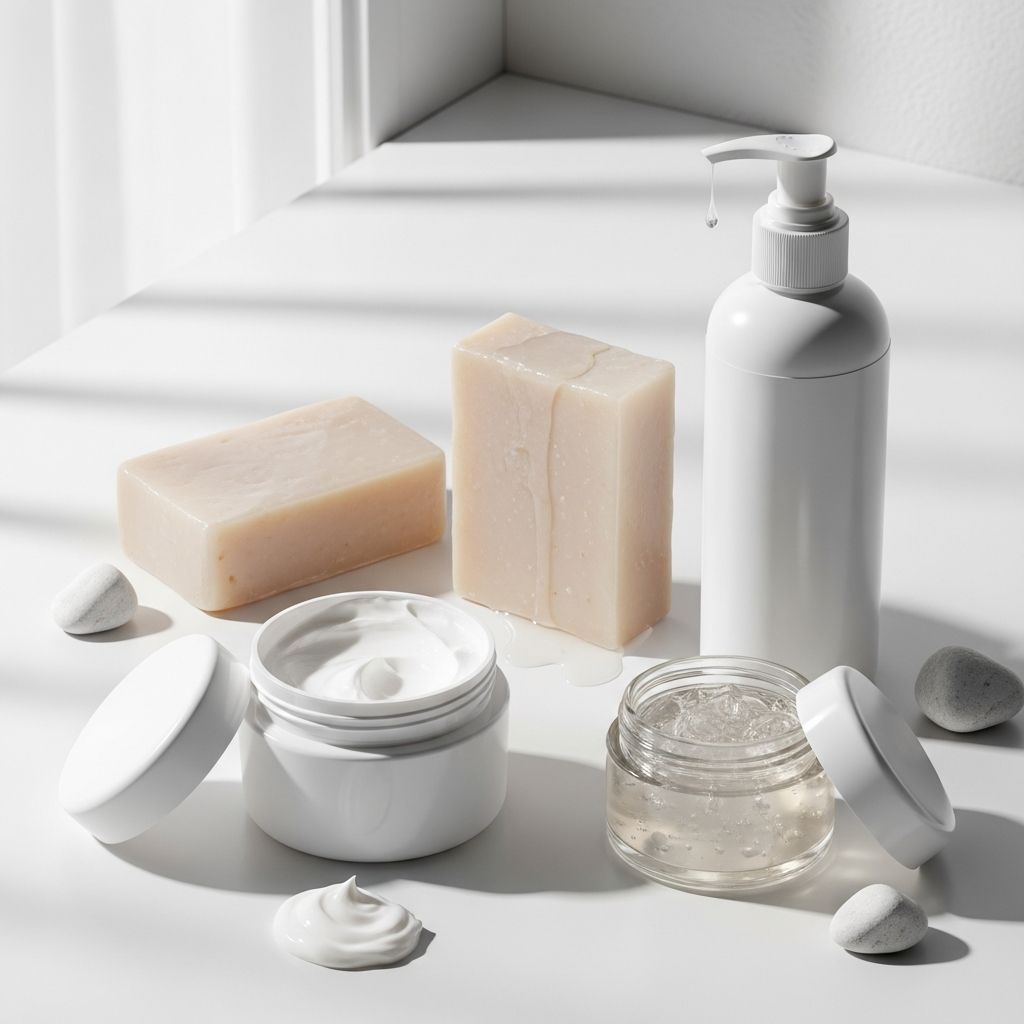
Emollient ingredients appear in creams, lotions, moisturizers, ointments, and soaps. Creams provide a richer texture than lotions and are ideal for very dry or sensitive skin. Lotions offer a lighter consistency that absorbs quickly, making them suitable for less severe dryness or for use on the body. Ointments are the most intensive formulations, containing the highest concentration of emollient ingredients and providing maximum barrier protection. Moisturizers are specifically formulated to combine emollients with hydrating ingredients for comprehensive skin care. Even specialized soaps can contain emollients to prevent the typical drying effects associated with regular cleansing.
Related Stories



Benefits of Using Emollients
Skin care creams, lotions and ointments that contain emollients can provide numerous benefits for your skin health and comfort. Understanding these advantages can help you make informed decisions about incorporating emollients into your daily routine.
Relief From Dryness and Irritation
Emollients can make your skin feel more comfortable by relieving itching and pain from dryness or irritation. For individuals with conditions like eczema and psoriasis, this relief is particularly significant. Studies have demonstrated that emollient treatment can produce measurable clinical improvements, with one investigation showing that after 3 months of emollient treatment, clinical symptoms of atopic dermatitis improved in 72% of patients, with an average decrease in severity scores of 38%.
Prevention of Skin Damage
Daily use of emollients can help prevent skin cracks, helping you avoid infections that could develop from broken skin barriers. This preventive benefit is especially important for elderly individuals and those at risk of skin tears or pressure ulcers. When healthy, hydrated epidermal cells maintain their water content of roughly 70%, they provide an effective layer of cushioning to protect the skin. Dehydration leads to xerosis (dry skin) and reduced elasticity, increasing the risk of damage.
Support for Specific Skin Conditions
Emollients can help heal dryness, irritation and scaling associated with eczema, psoriasis, dry or sensitive skin. Beyond these primary conditions, emollients play a crucial role in managing xerosis and preventing skin tears in vulnerable populations. Healthcare settings recognize the importance of emollients so significantly that guidelines now recommend their incorporation into standard skin care protocols.
Emollients and Atopic Dermatitis
Emollient treatment has shown particular promise in managing atopic dermatitis and improving the skin’s microbial balance. Research has revealed that microbial diversity and community composition differ between affected and unaffected skin of atopic dermatitis patients prior to treatment, with differences driven primarily by an overabundance of Staphylococcus species on affected skin and decreased bacterial diversity. Emollient treatment may induce beneficial microbial changes in the mycobiome and augment host-microbe balance on skin in atopic dermatitis patients.
Using Emollients Safely
Emollients are generally safe for most people to use. However, consider these important considerations before trying a new product:
Patch Testing and Allergies
Before applying a new emollient product to your entire face or body, test it on a small patch of skin to ensure you don’t have an adverse reaction. Some individuals may be sensitive to specific ingredients, even though emollients are generally well-tolerated. This is particularly important if you have known allergies or very reactive skin.
Product Selection for Your Skin Type
With many creams and ointments available for different skin types, most people can find one that fits their needs. Those with oily skin may prefer lighter lotions over heavy ointments, while individuals with very dry or compromised skin barriers may benefit from richer formulations. If you have any skin conditions, ask your healthcare provider which products will work best for you.
Timing and Application
For optimal results, incorporate the use of emollients into skincare routines, particularly when skin is still damp from washing. This timing helps retain moisture and rebuild the skin’s protective barrier more effectively. Regular daily application produces better results than occasional use, as consistent hydration is key to managing chronic dryness.
Complementing Other Treatments
Using emollients regularly may help you manage dry or itchy skin and can be a helpful addition to prescription skin creams. Emollients work synergistically with other treatments, including topical medications, to enhance overall efficacy. Even when using prescription creams for specific skin conditions, emollients can complement your treatment and make your skin look and feel better by providing ongoing hydration and barrier support.
Clinical Evidence for Emollient Effectiveness
Research has demonstrated the effectiveness of emollients in various clinical settings. Studies have shown that emollients can significantly reduce the incidence of skin tears in elderly populations, with one randomized controlled trial showing that twice-daily application of pH-neutral, perfume-free emollient reduced skin tears by almost 50% in aged care residents. These findings have influenced clinical practice guidelines in multiple regions, establishing emollients as a standard part of skin care protocols in healthcare settings.
Choosing the Right Emollient for Your Needs
Selecting an appropriate emollient depends on several factors including your skin type, the severity of your dryness or irritation, and your personal preferences regarding product texture and scent. For individuals with sensitive skin or allergies, fragrance-free options are typically recommended. Those with very compromised skin barriers may benefit from products containing ceramides, as these closely mimic the skin’s natural lipid composition.
The consistency of the product also matters for user compliance. While ointments provide maximum benefit, many people find them too heavy for regular use and may prefer creams or lotions. Finding a product you enjoy using increases the likelihood that you will apply it consistently, which is essential for achieving and maintaining skin health.
Frequently Asked Questions About Emollients
Q: Can I use emollients if I have oily skin?
A: Yes, but choose lighter formulations like lotions rather than heavy ointments. Look for oil-free or non-comedogenic emollient products specifically designed for oily skin types to avoid clogging pores.
Q: How often should I apply emollients?
A: Daily application is recommended for best results, particularly after bathing or showering when skin is still slightly damp. Some individuals with severe dryness may benefit from twice-daily application.
Q: Are there natural alternatives to synthetic emollients?
A: Yes, natural emollients include jojoba oil, lanolin, mineral oils, and plant-based oils. However, natural products can still cause allergic reactions in sensitive individuals, so patch testing is recommended regardless of ingredient source.
Q: Can emollients help with eczema?
A: Absolutely. Emollients are recommended as a first-line treatment for eczema, helping to restore the skin barrier, reduce itching, and improve symptoms. Many dermatologists recommend emollients even when using prescription medications.
Q: Will emollients make my skin feel greasy?
A: This depends on the formulation and how much you apply. Start with a small amount and adjust as needed. Lotions typically feel less greasy than ointments, while creams offer a middle ground.
Q: Can I use emollients on my face and body?
A: Yes, though you may want to use different products for face and body based on your skin’s needs. Facial emollients are often lighter and may contain additional beneficial ingredients, while body emollients can be richer formulations.
References
- Effect of an Emollient on the Mycobiome of Atopic Dermatitis Patients — Journal of Dermatological Online Journal. 2018. https://jddonline.com/articles/effect-of-an-emollient-on-the-mycobiome-of-atopic-dermatitis-patients-S1545961618P1039X/
- Role of Emollients in Treating Xerosis in Individuals at Risk of Skin Tears and Pressure Ulcers — Wounds UK. 2024. https://wounds-uk.com/journal-articles/role-of-emollients-in-treating-xerosis-in-individuals-at-risk-of-skin-tears-and-pressure-ulcers/
- Emollients: Creams, Soaps, Moisturizers, Ointments, Benefits — Cleveland Clinic. 2022-06-17. https://my.clevelandclinic.org/health/treatments/23305-emollients
- What Are Emollients, Humectants, and Occlusives? – CeraVe — CeraVe Skincare. 2024. https://www.cerave.com/skin-smarts/skincare-tips-advice/emollient-vs-humectant-vs-occlusive
- How Jojoba Oil Benefits Your Hair and Skin — Cleveland Clinic Health. 2023. https://health.clevelandclinic.org/jojoba-oil-benefits
- Emollient | Description, Forms, Effects, & Facts — Britannica. 2024. https://www.britannica.com/topic/emollient
Similar Articles








Read full bio of Sneha Tete