Emollients And Moisturizers: 4 Types And How To Use Them
Discover how emollients and moisturisers restore skin health, prevent dryness, and manage conditions like eczema for smoother, hydrated skin.
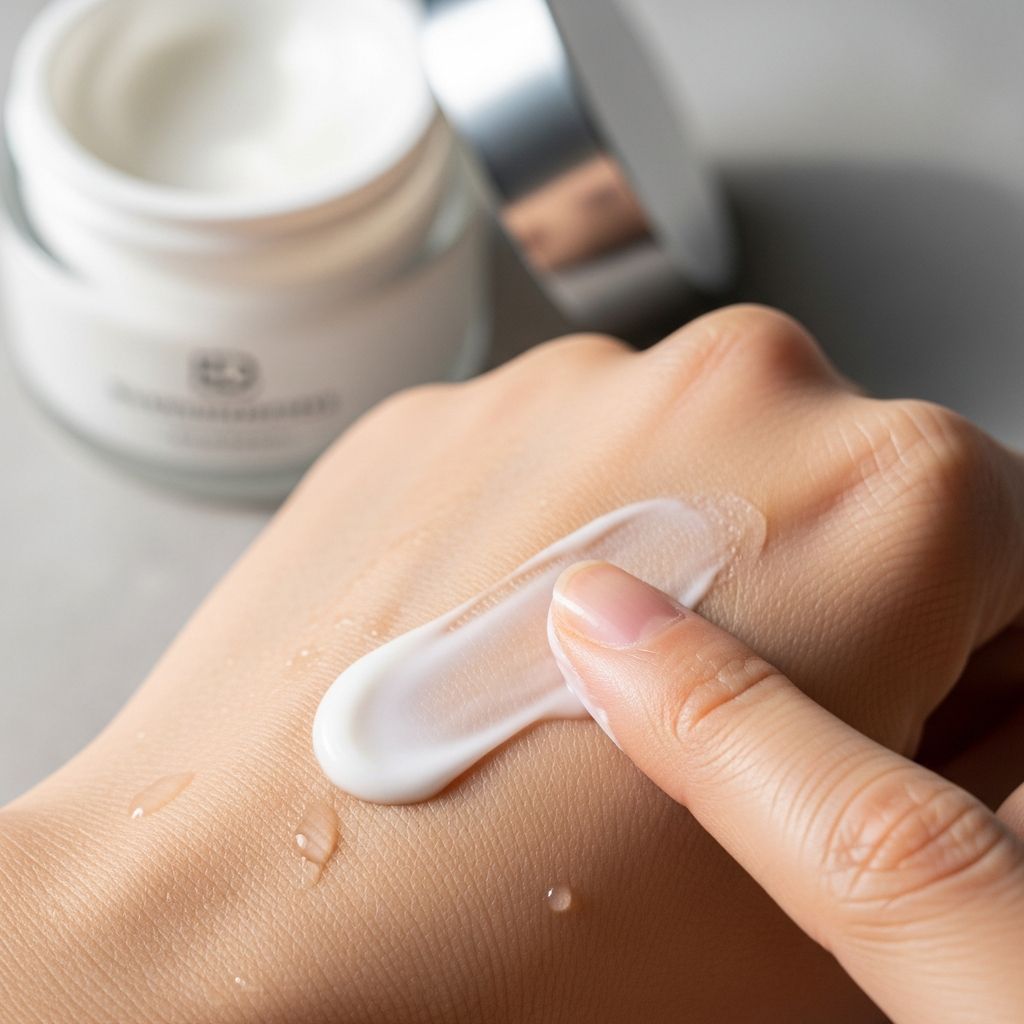
Emollients and moisturisers play a vital role in everyday skincare by softening rough skin, locking in moisture, and protecting the skin’s natural barrier. These products are particularly beneficial for individuals dealing with chronic dryness or inflammatory conditions, offering relief and long-term maintenance.
The Science Behind Skin Dryness and Hydration
The skin’s outermost layer, known as the stratum corneum, acts as a protective barrier composed of lipids, proteins, and water. When this barrier is compromised—due to environmental factors, harsh soaps, or medical conditions—trans-epidermal water loss (TEWL) increases, leading to dryness, flakiness, and irritation. Emollients address this by replenishing lipids, while moisturisers enhance overall hydration.
Research shows that regular use of these products improves skin integrity by reducing water evaporation and filling gaps between skin cells. For instance, lipid-rich formulas mimic the skin’s natural oils, promoting repair and resilience against daily stressors.
Key Differences: Emollients vs. Moisturisers vs. Other Ingredients
While often used interchangeably, emollients and moisturisers have distinct functions. Emollients primarily soften and smooth by filling intercellular spaces with fatty substances like oils and butters. Moisturisers, on the other hand, actively draw in or retain water.
| Ingredient Type | Primary Function | Examples | Best For |
|---|---|---|---|
| Emollients | Soften and smooth skin | Shea butter, squalane, ceramides | Rough, flaky skin |
| Humectants | Draw moisture into skin | Glycerin, hyaluronic acid | Dehydrated skin |
| Occlusives | Seal in moisture | Petrolatum, dimethicone | Preventing water loss |
Many products combine these for comprehensive care: emollients prepare the skin, humectants hydrate, and occlusives protect.
Types of Emollients and Moisturisers
Available in various textures, these products cater to different needs and preferences.
- Lotions: Lightweight and quick-absorbing, ideal for humid climates or less severe dryness. They contain more water and less oil.
- Creams: Balanced oil-water emulsions, suitable for everyday use on hands, face, and body.
- Ointments: Thick, greasy, and highly occlusive, perfect for severe dryness or overnight application.
- Gels: Water-based and non-greasy, great for oily skin types or hairy areas.
Choosing the right type depends on skin condition severity and climate. Ointments excel in cold, dry weather by minimizing TEWL, while lotions suit warmer environments.
Health Benefits for Common Skin Concerns
Emollients and moisturisers offer multifaceted benefits, supported by clinical evidence.
- Eczema and Psoriasis Management: By restoring the lipid barrier, they reduce inflammation, itching, and flare-ups. Daily application can cut steroid cream needs by up to 50% in some cases.
- Xerosis (Chronic Dry Skin): They alleviate cracking, scaling, and discomfort associated with aging, diabetes, or kidney disease.
- Burns and Wounds: Soothe minor burns, aid healing post-radiation therapy, and prevent infections in cracked skin.
- Anti-Aging Effects: Hydrated skin appears plumper, reducing fine lines and improving elasticity over time.
Studies confirm that consistent use enhances skin barrier function, making it more resistant to irritants and allergens.
Practical Application Techniques for Maximum Effectiveness
To optimize results, apply products correctly:
- Timing: Use within 3 minutes post-bath to trap water in the skin. Reapply 2-3 times daily, especially after handwashing.
- Generosity: Use fingertip amounts per area; liberal application ensures better coverage.
- Layering: Start with humectant serums, follow with emollient creams, and seal with occlusives at night.
- Body Areas: Prioritize folds, legs, and hands where dryness accumulates.
For children or infants, emollient baths (adding to bathwater) can provide full-body hydration without excessive washing.[10]
Safe Usage Guidelines and Precautions
Related Stories



These products are generally safe for all ages, including newborns and elderly users. However:
- Allergies: Patch test new products; rare reactions include contact dermatitis from fragrances or preservatives.
- Infection Risk: Avoid dipping fingers into tubs to prevent bacterial contamination; use pumps or spatulas.
- Fire Hazard: Ointments are flammable; keep away from open flames.
- Prescription Interactions: Apply before medicated creams to enhance absorption.
Consult a dermatologist for persistent issues or if using on broken skin.
Selecting the Best Product for Your Skin
Look for fragrance-free, preservative-minimal formulas with high concentrations of barrier-repairing ingredients like ceramides or natural oils. Check labels for emollient content (e.g., 20-50% for ointments). Affordable pharmacy brands often match premium ones in efficacy.
For sensitive skin, opt for medical-grade emollients recommended by bodies like the NHS.
Emollients in Daily Routines and Long-Term Care
Incorporate into routines: morning lotion for daytime protection, thick ointment at night. Combine with gentle cleansers to avoid stripping natural oils. Over weeks, expect smoother texture, reduced itch, and fewer flare-ups.
Long-term, they support skin microbiome health and resilience, potentially lowering healthcare visits for dermatitis.
Frequently Asked Questions (FAQs)
Can emollients cure eczema?
No, but they manage symptoms effectively by preventing flares and reducing reliance on steroids.[10]
Are emollients safe for babies?
Yes, especially fragrance-free ones; they’re first-line for diaper rash and cradle cap.
How often should I apply moisturiser?
At least twice daily, more if skin is very dry or after water exposure.
Do emollients clog pores?
Non-comedogenic formulas don’t; choose oil-free for acne-prone skin.
Can I use emollients with makeup?
Yes, lightweight versions under makeup hydrate without greasiness.
Building a Personalized Skincare Regimen
Assess your skin type, environment, and conditions. Example regimen:
- Morning: Gentle cleanse + lightweight lotion.
- Day: Reapply as needed.
- Evening: Exfoliate mildly + thick cream/ointment.
Track improvements over 4 weeks; adjust based on response.
References
- The Skinsmith Guide To Emollients & Moisturisers — The Skinsmith. Accessed 2026. https://www.theskinsmith.co.uk/skinsmiths-guide-to-emollients-moisturisers/
- Emollients | Uses, Types, And Benefits — Coop Market. Accessed 2026. https://www.coopmarket.com/blog/emollients-uses-types-and-benefits
- What Are Emollients, Humectants, and Occlusives? — CeraVe. Accessed 2026. https://www.cerave.com/skin-smarts/skincare-tips-advice/emollient-vs-humectant-vs-occlusive
- The Role of Moisturizers in Addressing Various Kinds of Dermatitis — PMC (NCBI). 2017-12-01. https://pmc.ncbi.nlm.nih.gov/articles/PMC5849435/
- Emollient: Benefits, Types, and Uses — Healthline. Accessed 2026. https://www.healthline.com/health/emollient
- Emollients — NHS.uk. Accessed 2026. https://www.nhs.uk/tests-and-treatments/emollients/
Similar Articles








Read full bio of medha deb