Emotional Dysregulation: What It Is and How to Cope
Understanding emotional dysregulation and practical coping strategies for managing intense emotions effectively.
What is Emotional Dysregulation?
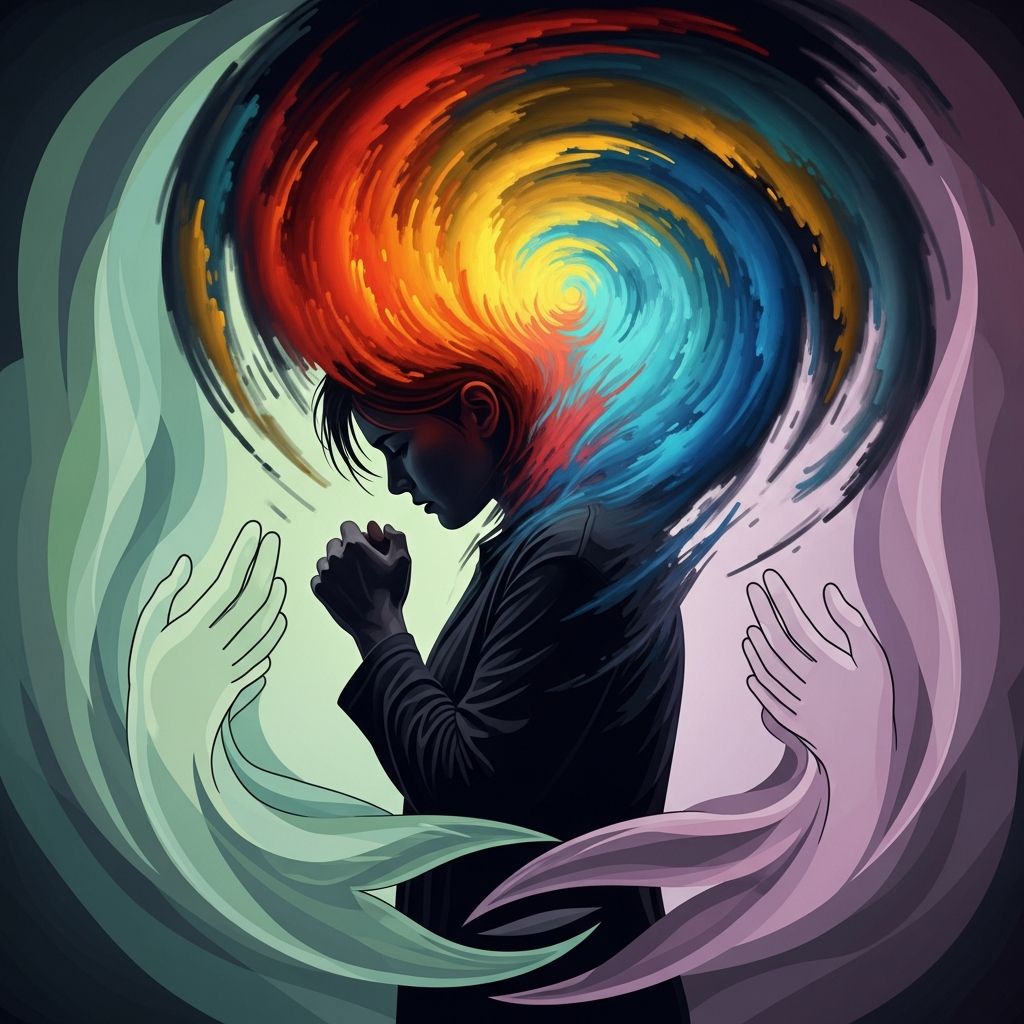
Emotional dysregulation is characterized by an inability to flexibly respond to and manage emotional states, resulting in intense and prolonged emotional reactions that deviate from social norms. Also referred to as affect dysregulation, this condition means you struggle to control feelings of sadness, anxiety, or anger, and find it difficult to return to your baseline emotional state after becoming overwhelmed.
When someone experiences emotional dysregulation, their emotional responses are poorly regulated and fall outside the traditionally accepted range of emotional reaction. This goes beyond the normal emotional fluctuations everyone experiences. Rather, it represents a significant difficulty in soothing yourself when feeling overwhelmed and a prolonged inability to return to normal after strong emotions arise.
Emotional dysregulation involves extreme sensitivity to emotional triggers combined with a reduced ability to return to baseline within a reasonable timeframe. The condition can manifest in various ways, from procrastination and crying spells to intense mood swings and emotional numbness.
Understanding the Symptoms and Signs
Recognizing emotional dysregulation requires awareness of its diverse manifestations. Symptoms can present differently from person to person, but several common indicators are widely recognized.
Common Symptoms Include:
- Being easily overwhelmed by emotions
- Feeling overly emotional or crying easily without apparent reason
- Frequent mood shifts and rapid changes in emotional state
- Impulsivity and difficulty controlling impulses
- Finding it hard to manage stress or cope with frustration
- Angry outbursts and explosive anger that seems disproportionate to the situation
- High levels of anxiety and persistent worry
- Severe depression or prolonged sadness
- High levels of shame and guilt
- Extreme perfectionism and self-criticism
- Intense emotions that feel very difficult to control
- Random excitement bursts or sudden emotional spikes
- Difficulty focusing on anything beyond emotional situations
Harmful Coping Behaviors
People with emotional dysregulation often attempt to decrease their emotional distress through harmful behaviors, which may include:
- Substance misuse or excessive substance use
- Self-harm behaviors
- Suicidal ideation or suicidal actions
- High-risk sexual behaviors
- Disordered eating and eating disorders
- Relationship conflict and difficulty maintaining interpersonal relationships
Associated Mental Health Conditions
Emotional dysregulation is not a standalone diagnosis but rather a key feature in several mental health conditions. Understanding these associations can help individuals recognize whether dysregulation may be part of a larger diagnostic picture.
Conditions Linked to Emotional Dysregulation:
- Borderline Personality Disorder (BPD): Emotional dysregulation is a core characteristic, manifesting as rapid and frequent mood shifts with delayed return to emotional stability
- Bipolar Disorder: Characterized by significant mood fluctuations and emotional instability
- Attention-Deficit/Hyperactivity Disorder (ADHD): Includes difficulty managing emotional responses alongside attention and impulse control challenges
- Anxiety Disorders: Often accompanied by difficulty regulating anxious responses
- Autism Spectrum Disorder: May include challenges with emotional regulation and sensory sensitivities
- Post-Traumatic Stress Disorder (PTSD): Trauma-related emotional dysregulation involving fear, anxiety, and anger
- Disruptive Mood Dysregulation Disorder: Characterized by severe mood dysregulation in children and adolescents
- Fetal Alcohol Spectrum Disorders: Neurological conditions that can affect emotional regulation
- Cyclothymia: Early-onset mood fluctuations with extreme mood instability and reactivity
It is important to note that emotional dysregulation can occur in anyone, and not everyone with dysregulation has a diagnosed mental health disorder.
Understanding the Causes and Risk Factors
Emotional dysregulation develops through various pathways, including developmental, environmental, and neurobiological factors. Understanding these causes can help individuals and clinicians identify the root of dysregulation and address it appropriately.
Early Childhood Trauma
Early childhood trauma represents one of the most significant contributors to emotional dysregulation. Children exposed to traumatic events during critical developmental periods may develop lasting difficulties with emotion regulation. These experiences can shape the developing brain’s ability to process and respond to emotional stimuli appropriately.
Related Stories



Child Neglect and Abuse
Child neglect, a form of abuse from caregivers, results in deprivation of a child’s basic needs, including inadequate supervision, healthcare, clothing, housing, and emotional support. The absence of nurturing and safe attachment relationships during childhood can impair the development of healthy emotion regulation skills.
Trauma and PTSD
Individuals with complex trauma or post-traumatic stress disorder often display emotional dysregulation involving fear, anxiety, sadness, or anger. Trauma can leave a person in a persistent “fight, flight, or freeze” mode, where the brain and body remain in heightened alert status. Even minor triggers—whether people, places, or things that remind someone of the trauma—can activate overwhelming emotional responses.
Frontal Lobe Disorders
When the brain’s frontal lobes are damaged, typically through injury, it can cause emotional dysregulation alongside impulsivity, lack of impulse control, attention difficulties, impaired decision-making, and reduced motivation. Frontal lobe damage often results from explosive violence, particularly in combat situations, but can also occur from brain infections, cancer, stroke, or neurodegenerative diseases.
Neurobiological and Genetic Factors
Some individuals may have a genetic predisposition toward emotional dysregulation, making them more susceptible to developing the condition when exposed to environmental stressors. Brain chemistry imbalances and structural differences in brain regions responsible for emotion processing can contribute to dysregulation.
Impact on Daily Life and Relationships
Emotional dysregulation extends beyond momentary emotional difficulty; it can significantly interfere with overall quality of life, social interactions, and relationships at home, work, or school. The cumulative effect of struggling with emotion regulation often leads to:
- Difficulty maintaining stable relationships due to emotional volatility
- Workplace challenges including difficulty concentrating and conflict with colleagues
- Academic struggles for students experiencing emotional overwhelm
- Social withdrawal and isolation
- Reduced ability to engage in meaningful activities
- Increased risk for developing secondary mental health conditions
Coping Strategies and Management Techniques
While emotional dysregulation presents real challenges, numerous evidence-based coping strategies can help individuals manage their emotional responses more effectively. These techniques work by developing emotional awareness, building regulation skills, and creating healthier responses to triggers.
Mindfulness and Grounding Techniques
Mindfulness practices help individuals observe their emotions without judgment, creating space between feeling and reaction. Grounding techniques—such as the 5-4-3-2-1 sensory method (noticing five things you see, four you can touch, three you hear, two you smell, and one you taste)—can interrupt emotional escalation by anchoring attention to the present moment.
Deep Breathing and Progressive Muscle Relaxation
Controlled breathing exercises activate the parasympathetic nervous system, countering the stress response. Progressive muscle relaxation, which involves tensing and releasing muscle groups sequentially, can reduce physical tension accompanying emotional dysregulation.
Cognitive-Behavioral Techniques
Cognitive-behavioral strategies involve identifying thought patterns that amplify emotional distress and developing alternative, more balanced perspectives. This approach helps interrupt cycles where unhelpful thoughts fuel intense emotions.
Dialectical Behavior Therapy (DBT) Skills
Originally developed for borderline personality disorder, DBT provides four core skill modules: mindfulness, distress tolerance, emotion regulation, and interpersonal effectiveness. These skills are widely applicable for anyone struggling with emotional dysregulation.
Physical Activity and Exercise
Regular physical activity reduces emotional intensity by regulating neurotransmitters and reducing stress hormones. Exercise provides both immediate relief during emotional distress and long-term improvement in emotional resilience.
Creative Expression
Art, music, writing, and other creative outlets provide healthy channels for processing and expressing intense emotions. Creative activities can help externalize internal emotional experiences in a safe manner.
Social Support and Connection
Building and maintaining supportive relationships provides emotional validation and reduces isolation. Connecting with others—whether through support groups, therapy, or trusted relationships—creates opportunities for emotional co-regulation.
Professional Mental Health Treatment
Various therapeutic approaches address emotional dysregulation effectively. Psychotherapy, particularly trauma-informed therapy, cognitive-behavioral therapy, or DBT, can provide structured support. In some cases, medication prescribed by a psychiatrist may help regulate underlying neurochemical imbalances.
Frequently Asked Questions
Q: Is emotional dysregulation a mental health disorder?
A: Emotional dysregulation is not itself a diagnosis but rather a symptom or key feature of various mental health conditions, including borderline personality disorder, bipolar disorder, ADHD, and PTSD. Some people may experience dysregulation without having a diagnosed disorder.
Q: Can emotional dysregulation be treated?
A: Yes, emotional dysregulation responds well to various treatments including psychotherapy (particularly DBT and cognitive-behavioral therapy), medication, and the development of coping skills. Treatment effectiveness depends on the underlying cause and individual factors.
Q: What is the difference between emotional dysregulation and normal mood swings?
A: Normal mood swings are proportionate to life circumstances and resolve within a reasonable timeframe. Emotional dysregulation involves extreme intensity, prolonged duration, and reactions disproportionate to triggers. Dysregulation significantly interferes with functioning and relationships.
Q: Can children experience emotional dysregulation?
A: Yes, children and adolescents can experience emotional dysregulation, particularly those with ADHD, autism spectrum disorder, or histories of trauma. Early identification and intervention are crucial for developing healthy emotion regulation skills.
Q: How can I help someone with emotional dysregulation?
A: Support someone with emotional dysregulation by remaining calm during their emotional distress, validating their feelings, helping them identify triggers, encouraging professional help, and maintaining consistent, compassionate boundaries.
Q: Are there lifestyle changes that help with emotional dysregulation?
A: Yes, several lifestyle modifications support better emotional regulation, including regular exercise, consistent sleep schedules, limiting caffeine and alcohol, practicing stress management, maintaining social connections, and establishing daily mindfulness or meditation routines.
When to Seek Professional Help
If you or someone you know experiences persistent emotional dysregulation that interferes with daily functioning, relationships, or safety, professional help is essential. Mental health professionals can provide accurate assessment, diagnosis, and evidence-based treatment. If you are experiencing suicidal thoughts or feelings of self-harm, please contact the 988 Suicide and Crisis Lifeline by calling, texting, or chatting for support from a trained professional.
Conclusion
Emotional dysregulation presents real challenges, but understanding its nature, recognizing its symptoms, and learning effective coping strategies can significantly improve emotional well-being and quality of life. Whether stemming from trauma, neurobiological factors, or environmental influences, dysregulation is treatable through professional support, skill development, and compassionate self-care. With appropriate intervention and practice, individuals can develop greater emotional resilience and achieve more stable, fulfilling relationships and lives.
References
- Emotional Dysregulation: Definition, Signs, Conditions, and Coping — PsychCentral. 2024. https://psychcentral.com/blog/what-is-affect-or-emotion-dysregulation
- Emotional Dysregulation | Types, Causes, & Top Treatments — Sandstone Care. 2024. https://www.sandstonecare.com/blog/emotional-dysregulation/
- Emotional Dysregulation: What It Is and How You Can Cope — WebMD. 2024. https://www.webmd.com/mental-health/what-is-emotional-dysregulation
- Emotional dysregulation — Wikipedia. 2024. https://en.wikipedia.org/wiki/Emotional_dysregulation
- Emotional Dysregulation in Children and Adolescents With ADHD — National Center for Biotechnology Information (NCBI). PMC8573252. https://pmc.ncbi.nlm.nih.gov/articles/PMC8573252/
- Emotional dysregulation: Causes, symptoms, and related disorders — Medical News Today. 2024. https://www.medicalnewstoday.com/articles/dysregulation
- Emotional Dysregulation Facts — Rogers Behavioral Health. 2024. https://rogersbh.org/resource/emotional-dysregulation-facts/
Similar Articles








Read full bio of Sneha Tete