Understanding Emotional Tears: Science and Psychology
Explore the fascinating neurobiological and chemical mechanisms behind human emotional crying
Introduction to Emotional Tears
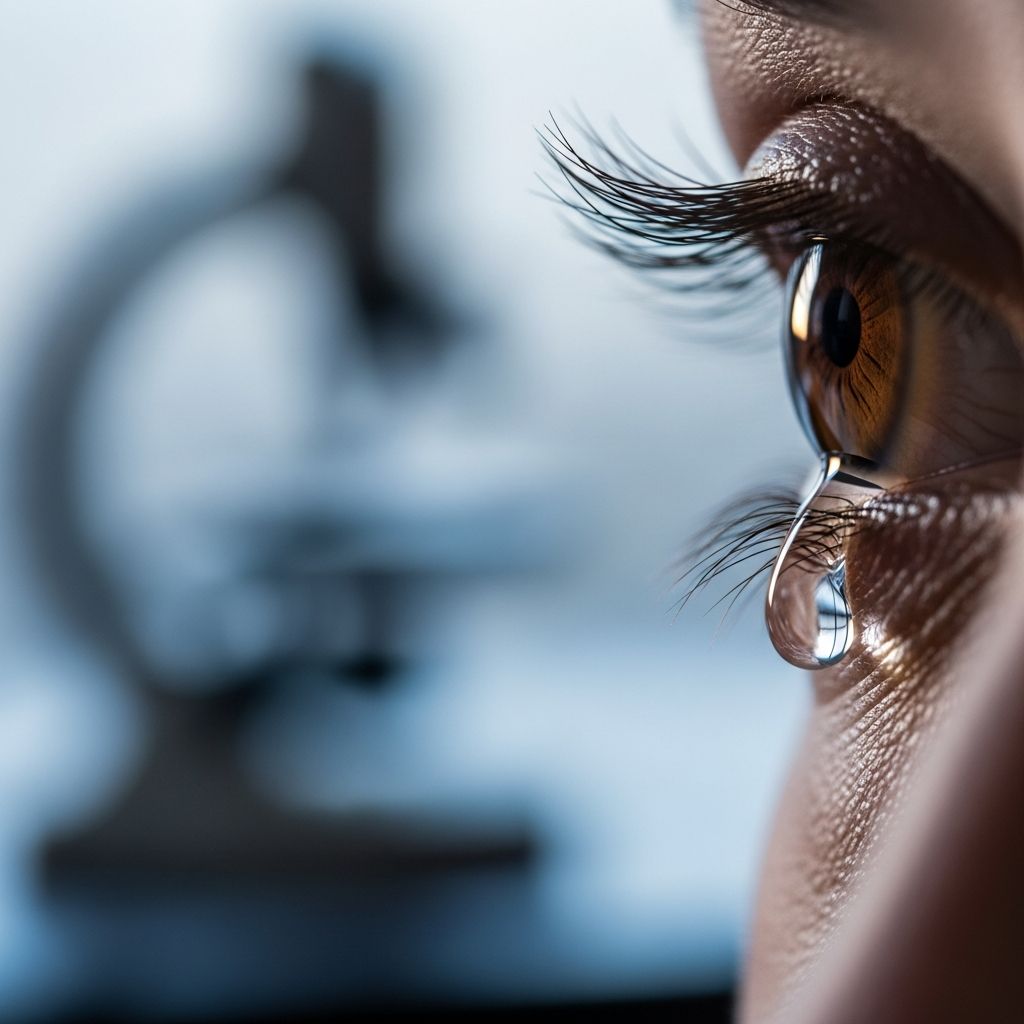
Humans possess a remarkable biological response that distinguishes us from virtually all other species on Earth: the ability to produce tears in response to emotional experiences. While many animals shed tears for survival purposes—such as lubricating the eyes or washing away irritants—emotional tear production appears to be uniquely human. Whether triggered by profound sadness, overwhelming joy, intense anger, or deep empathy, emotional tears represent a complex interplay of neurological, chemical, and psychological processes that scientists have only recently begun to understand fully.
The phenomenon of crying has fascinated researchers for centuries. In the 1600s, scientists theorized that emotions heated the heart, which generated water vapor to cool itself. This understanding evolved significantly when Danish scientist Niels Stensen identified the lacrimal gland as the source of tears in 1662. Since then, researchers have discovered that emotional tears serve purposes far beyond simple eye lubrication, functioning as a sophisticated signaling mechanism and a natural healing response.
The Three Types of Tears and Their Functions
To understand emotional tears, it is essential to recognize that not all tears are created equal. The human eye produces three distinct types of tears, each with specific functions and origins:
- Basal tears continuously coat the eye surface, providing essential lubrication and nourishment while creating a protective barrier against environmental contaminants
- Reflex tears are produced in response to irritants such as smoke, dust, or onion fumes, functioning to wash away harmful substances from the ocular surface
- Emotional tears emerge in response to powerful feelings—both negative emotions like grief and sadness as well as positive emotions like joy and happiness
The distinction between these tear types is not merely functional but also chemical. While basal and reflex tears serve protective purposes, emotional tears carry a distinctly different composition that reflects their role in emotional processing and communication.
The Unique Chemical Composition of Emotional Tears
One of the most significant discoveries in tear research involves the chemical makeup of emotional tears. All tears contain fundamental components including enzymes, lipids, electrolytes, and metabolites that provide basic eye protection. However, emotional tears distinguish themselves through their elevated protein content and the presence of additional hormones and stress-related compounds.
Research indicates that emotional tears may contain increased levels of several biochemically significant substances:
- Prolactin, a hormone involved in stress response and emotional regulation
- Potassium and manganese, essential mineral elements
- Leu-enkephalin, a naturally occurring peptide with pain-relieving properties
- Adrenocorticotropic hormones, which play a role in the body’s stress response system
The higher protein concentration in emotional tears makes them more viscous than other tear types, causing them to adhere to facial skin more effectively and descend more slowly down the cheeks. This physical characteristic may serve an evolutionary purpose, making emotional tears more visible to observers and enhancing their communicative value.
Neurobiological Pathways of Emotional Crying
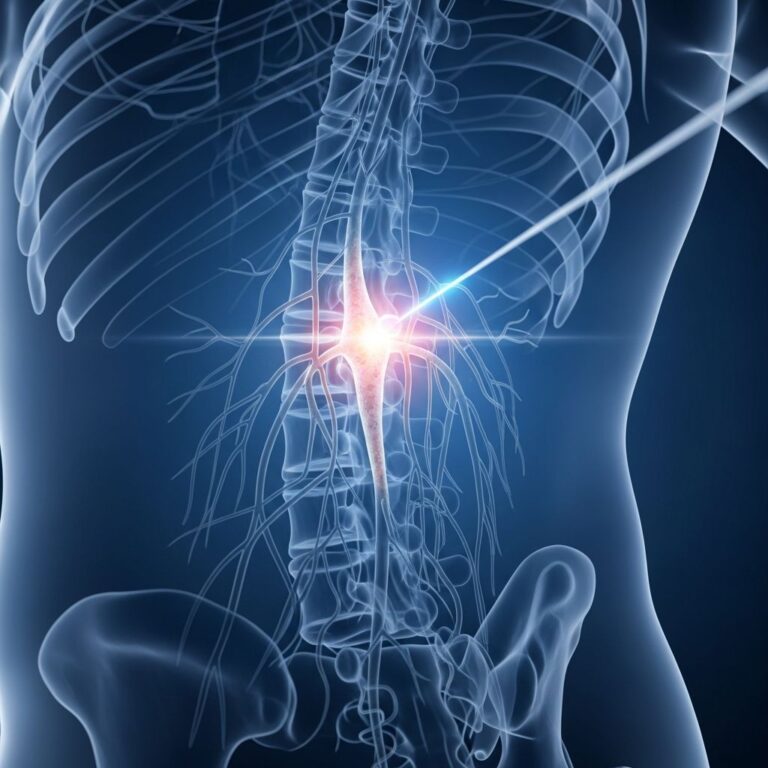
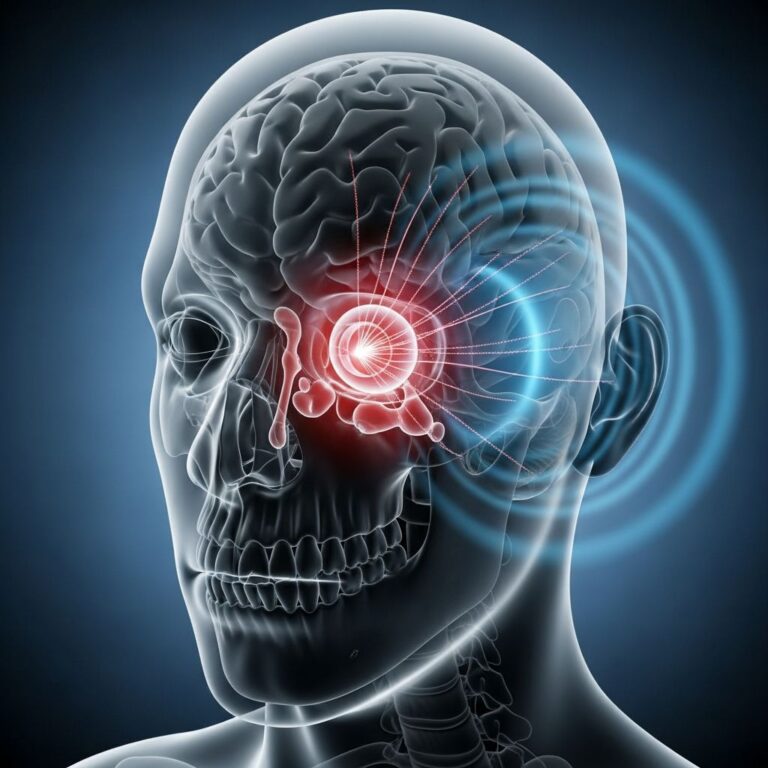
The production of emotional tears involves intricate coordination between multiple brain systems and neural pathways. The process begins when the limbic system—the brain region responsible for emotional arousal and processing—signals the necessity for tears. This signal is transmitted through the brain’s central message systems to activate the lacrimal system.
Related Stories



The lacrimal glands, situated in the upper outer portion of the eye sockets, contain specialized tissue composed of two lobes connected to the eye surface through approximately a dozen excretory ducts. These glands receive dual innervation from both parasympathetic and sympathetic nervous systems, with the parasympathetic system playing the dominant role in tear production.
When emotional stimuli trigger crying responses, the parasympathetic nervous system increases in activity, signaling the lacrimal glands to secrete tears. Acetylcholine, a neurotransmitter in the parasympathetic system, stimulates the release of water, electrolytes, proteins, and mucins into the tear film. Research has revealed that parasympathetic activation remains elevated longer after crying begins compared to other physiological responses, while sympathetic activity returns toward baseline levels.
The Evolutionary Foundation of Human Emotional Crying
Understanding why humans developed emotional tear production requires examining our evolutionary history. One compelling hypothesis suggests that emotional tears evolved from animal distress vocalizations—the cries and calls young animals use to signal their caregivers when they need assistance. Human infants similarly need mechanisms to communicate distress and signal their caregiving requirements, but their lacrimal glands are not fully developed at birth and cannot produce tears.
As humans evolved increasingly complex emotional capacities and social structures, the ability to produce emotional tears may have emerged as an enhancement to vocal signaling, allowing for more nuanced and sophisticated communication about internal emotional states. This evolutionary advantage would have promoted social bonding and increased the likelihood of receiving help during times of physical or emotional distress.
Supporting this theory, certain neural structures appear uniquely suited to emotional crying. Insular spindle neurons, specialized brain cells involved in empathy, social awareness, and self-control, are far more abundant in humans than in our closest living relatives, the great apes. These neurons also appear in the brains of some whale and elephant species, suggesting a pattern of convergent evolution linked to the development of large, complex brains.
Emotional Tears as a Communication Signal
Beyond their physiological functions, emotional tears serve as a powerful social signal. The visible presence of tears on the face communicates to others that the person is experiencing significant emotional intensity, whether stemming from pain, sadness, joy, or empathy. This signaling function appears to be nearly automatic and largely involuntary, making it a reliable indicator of genuine emotional experience.
The body cannot distinguish between overwhelming negative emotions such as fear or sadness and intensely positive emotions such as excitement or happiness. When emotional arousal reaches sufficiently high levels, the physiological systems respond by activating tear production regardless of whether the stimulus is pleasant or distressing. This explains why people may cry both at funerals and at weddings, during moments of profound grief and during moments of overwhelming joy.
Physiological and Psychological Benefits of Crying
The act of shedding emotional tears triggers multiple beneficial responses within the body and brain. When emotional crying occurs, the release of endorphins—the body’s natural pain-relieving compounds—helps manage emotional states and reduce physical discomfort. Additionally, oxytocin, often called the “bonding hormone,” is released during emotional experiences, promoting feelings of comfort and security.
One of the most significant benefits of emotional tears involves stress regulation. The hormones and compounds released during crying, particularly prolactin and other stress-response elements, help regulate cortisol levels in the body. Cortisol, the primary stress hormone, can become elevated during prolonged periods of anxiety or distress. Crying appears to facilitate a return to physiological balance by lowering these stress markers.
From a psychological perspective, emotional crying may serve cathartic functions, allowing individuals to process and release intense emotions. However, researchers caution that the supposedly transformative power of “a good cry” may be somewhat overstated. While crying does provide measurable stress relief and emotional benefits, the therapeutic effects may be more modest than popular understanding suggests.
Cultural and Individual Variations in Crying
While emotional tear production appears to be a universal human capacity, the frequency, circumstances, and social acceptability of crying vary significantly across cultures and individuals. Some cultures encourage emotional expression through crying, while others promote emotional restraint. Gender differences in crying frequency have been documented, though these differences may reflect cultural conditioning and social norms rather than purely biological factors.
Individual variations in crying thresholds may be influenced by hormonal factors, with testosterone and prolactin potentially playing roles in determining how readily an individual tears up in response to emotional stimuli. Additionally, genetic predispositions and developmental experiences likely shape an individual’s propensity for emotional crying throughout their lifetime.
Frequently Asked Questions About Emotional Tears
Why do emotional tears feel different from other tears?
Emotional tears contain higher concentrations of proteins and stress-related hormones, making them chemically and physically distinct from basal and reflex tears. This composition may contribute to a different sensory experience and stronger communicative effect.
Can crying actually help reduce stress?
Yes, emotional crying triggers the release of stress-reducing hormones and compounds, including prolactin and endorphins, which help lower cortisol levels and promote emotional regulation.
Are humans the only animals that cry emotionally?
Emotional tear production in response to feelings appears to be uniquely human. While other animals produce tears for protective and cleansing purposes, humans are distinctive in their capacity to shed tears driven by emotional experiences.
Why do people cry at happy events?
The body cannot distinguish between intense positive and negative emotions; both trigger sufficient emotional arousal to activate tear production. This explains why weddings, moments of triumph, or profound joy can produce the same tear response as sad occasions.
How long does it take to develop the ability to cry emotionally?
Infants cannot produce emotional tears at birth because their lacrimal glands are not fully developed. The capacity for emotional tear production develops gradually during infancy and childhood as the lacrimal system matures.
Current Research and Future Understanding
Scientists continue to investigate the neurobiological underpinnings of human emotional crying. While substantial progress has been made in understanding the chemical composition of emotional tears and the nervous system pathways involved, many questions remain. Researchers are examining the specific neural circuits responsible for emotional crying, investigating how these processes integrate with broader emotional functioning, and exploring connections between tear production and social behaviors.
Future research may reveal additional insights into why humans uniquely developed this capacity and how individual and cultural variations in crying patterns relate to overall mental and physical health. As understanding deepens, the seemingly simple act of shedding a tear will continue to reveal the extraordinary complexity of human emotional biology.
References
- Why Do We Cry? The Science of Crying — Time Magazine. https://time.com/collections/guide-to-happiness/4254089/science-crying/
- Tears: What Are They, Why We Cry, and More — Psych Central. https://psychcentral.com/blog/the-science-of-tears
- The neurobiology of human crying — PMC, National Institutes of Health. https://pmc.ncbi.nlm.nih.gov/articles/PMC6201288/
- The Science of Tears — YouTube. https://www.youtube.com/watch?v=s5sOQ82cN8g
- Why we cry — American Psychological Association Monitor on Psychology. https://www.apa.org/monitor/2014/02/cry
Similar Articles








Read full bio of Sneha Tete