Empagliflozin: Complete Guide To Uses, Dosage & Side Effects
Empagliflozin: SGLT2 inhibitor for type 2 diabetes, heart failure, and kidney disease management.
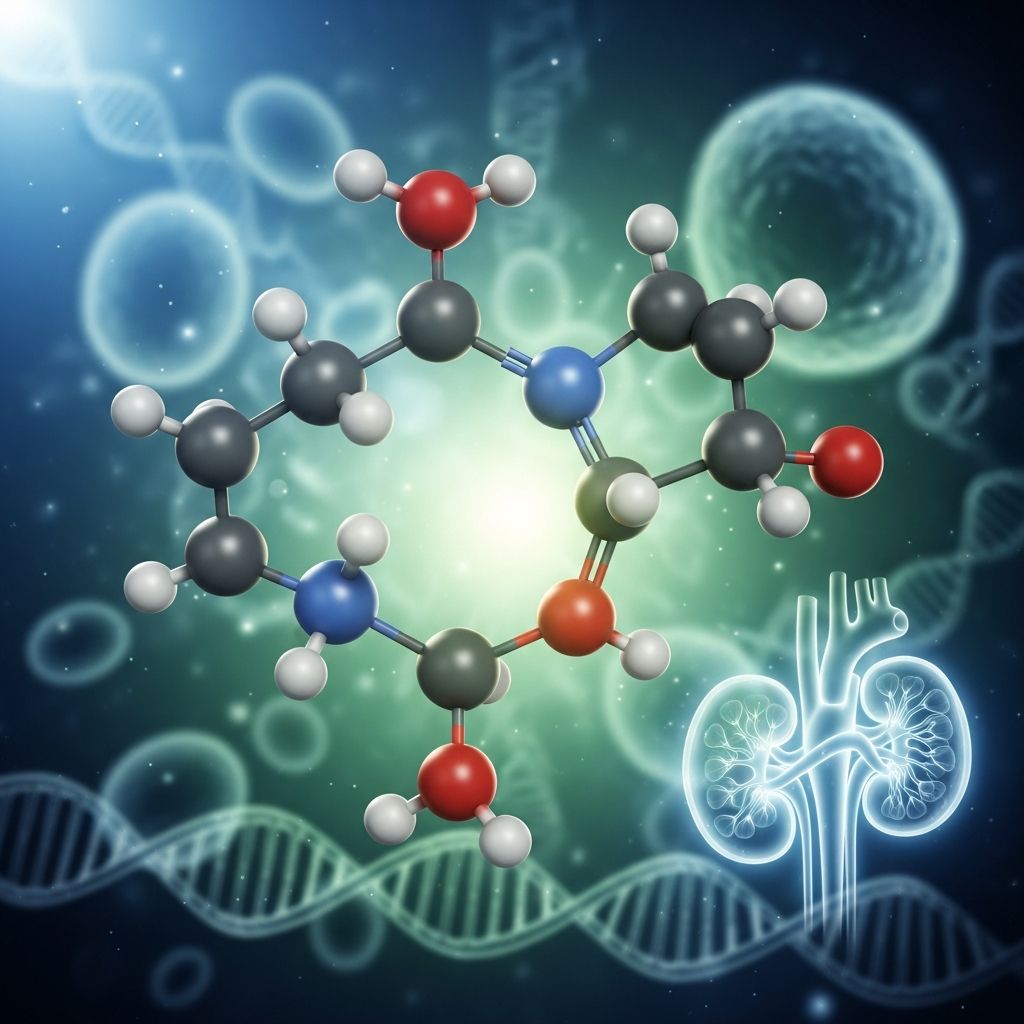
Empagliflozin, commonly known by the brand name
Jardiance
, is a medication belonging to the class ofSGLT2 inhibitors
. It plays a crucial role in managingtype 2 diabetes
by helping the kidneys excrete excess glucose through urine, thereby lowering blood sugar levels. Beyond glycemic control, empagliflozin has proven benefits in reducing cardiovascular death risk, managing heart failure, and slowing chronic kidney disease progression.What is empagliflozin?
Empagliflozin is an oral tablet prescribed primarily for adults with
type 2 diabetes
. It works by blocking thesodium-glucose co-transporter 2 (SGLT2)
protein in the kidneys. Normally, SGLT2 reabsorbs glucose back into the bloodstream; empagliflozin inhibits this process, leading to increased glucose excretion in urine. This mechanism lowers blood glucose independently of insulin, making it suitable for patients with insulin resistance typical in type 2 diabetes.This drug is not indicated for
type 1 diabetes
ordiabetic ketoacidosis
, as it does not address insulin deficiency. Available in 10 mg and 25 mg tablets, it is often combined with diet, exercise, and other antidiabetic agents like metformin.Who might be prescribed empagliflozin?
Healthcare providers prescribe empagliflozin to adults with
type 2 diabetes
when lifestyle changes and metformin alone are insufficient. It is particularly beneficial for those with:- **Established cardiovascular disease**, to reduce the risk of cardiovascular death.
- **Heart failure** (with reduced or preserved ejection fraction), to lower hospitalization and mortality risks.
- **Chronic kidney disease** (CKD), to slow progression, reduce end-stage kidney disease risk, and decrease cardiovascular events.
- **High cardiovascular risk** or nephropathy (urine albumin-to-creatinine ratio >300 mg/g).
It can be used as monotherapy or in combination with other drugs like linagliptin or metformin. Guidelines recommend it as a second- or third-line agent, especially when weight loss, blood pressure reduction, or avoiding hypoglycemia is desired.
How does empagliflozin work?
Empagliflozin targets the
proximal tubules in the kidneys
, where SGLT2 is responsible for reabsorbing about 90% of filtered glucose. By inhibiting SGLT2, it promotes glucosuria (glucose in urine), reducing blood glucose by 64-78 grams per day depending on the dose.Additional effects include:
- Natriuresis and diuresis: Increases sodium and water excretion, reducing blood volume and pressure without tachycardia.
- Weight loss: Average 2% body weight reduction (4-5 lbs), due to calorie loss via glucose excretion.
- Cardiorenal protection: Lowers heart workload and protects kidneys, as shown in trials like EMPA-REG OUTCOME, which demonstrated reduced cardiovascular mortality.
The glucose-lowering effect is insulin-independent, minimizing hypoglycemia risk when used alone.
Dosage
The recommended starting dose is
10 mg once daily
in the morning, with or without food. It may be increased to25 mg once daily
if tolerated and more glycemic control is needed.| Dose | Form | Typical Use |
|---|---|---|
| 10 mg | Tablet | Starting dose for diabetes, heart failure, CKD |
| 25 mg | Tablet | If additional control needed; max dose |
No dose adjustment is needed for mild renal impairment, but it is not recommended if eGFR <20 mL/min/1.73 m² or on dialysis. For heart failure or CKD, 10 mg is standard regardless of diabetes status.
Who may not be prescribed empagliflozin?
Related Stories



Empagliflozin is contraindicated in:
- Patients with
severe renal impairment
(eGFR <20 mL/min) or end-stage renal disease. - Those on
dialysis
. - Individuals with
type 1 diabetes
or history ofdiabetic ketoacidosis
. - Patients with
severe liver problems
(use caution). - Those with
hypersensitivity
to empagliflozin.
Use caution in dehydration-prone patients, those on diuretics, or with low blood pressure.
Possible side effects
Common side effects include:
- **Urinary tract infections (UTIs)** and
genital yeast infections
(due to glucosuria; more common in women). - **Increased urination** and thirst.
- **Dehydration**, leading to dizziness or low blood pressure.
- **Hypoglycemia** when combined with insulin or sulfonylureas.
Rare but serious risks:
- **Fournier’s gangrene** (necrotizing infection of genitals).
- **Diabetic ketoacidosis** (euglycemic DKA).
- **Acute kidney injury** (monitor renal function).
- **Increased LDL cholesterol**.
- **Bone fractures** and
lower limb amputations
(observed in some trials).
Report symptoms like nausea, vomiting, or genital pain promptly.
Alcohol and empagliflozin
Moderate alcohol consumption is generally safe but may increase hypoglycemia risk, especially with other antidiabetics. Excessive alcohol can worsen dehydration or DKA risk. Consult your doctor for personalized advice.
Pregnancy, breastfeeding and fertility while taking empagliflozin
Empagliflozin is not recommended during
pregnancy
, especially second/third trimesters, due to potential fetal kidney harm. Use effective contraception if of childbearing potential. Discontinue before planned pregnancy.For
breastfeeding
, it passes into milk; weigh benefits vs. risks or consider alternatives.No human data on
fertility
, but animal studies show no adverse effects.Common questions about empagliflozin
Will I need to stop eating sugar while taking empagliflozin?
No, but a balanced diet supports better control. Empagliflozin aids glucose excretion regardless of diet.
Does empagliflozin cause weight loss?
Yes, typically 2-4 lbs via calorie loss in urine.
Will empagliflozin cause my blood sugar to drop too low?
Rare alone; monitor if with insulin/sulfonylureas.
Can I drive or ride a bike while taking empagliflozin?
Yes, unless dizziness from dehydration occurs.
Can I take paracetamol while taking empagliflozin?
Yes, no known interaction.
Can I take empagliflozin before surgery?
Discuss with your surgeon; may need temporary stop to avoid DKA.
What happens if I take too much empagliflozin?
Contact emergency services; symptoms include dehydration.
Research and clinical evidence
Major trials like
EMPA-REG OUTCOME
showed 38% reduction in cardiovascular death in type 2 diabetes patients with CVD. EMPEROR-Reduced and EMPEROR-Preserved confirmed heart failure benefits. EMPA-KIDNEY demonstrated CKD protection.As per ADA standards, SGLT2 inhibitors like empagliflozin are preferred for cardiorenal benefits.
References
- Empagliflozin (Jardiance): Uses & Side Effects — Cleveland Clinic. 2023. https://my.clevelandclinic.org/health/drugs/20359-empagliflozin-tablets
- Empagliflozin (oral route) – Description — Mayo Clinic. 2024-01-01. https://www.mayoclinic.org/drugs-supplements/empagliflozin-oral-route/description/drg-20113010
- Empagliflozin – StatPearls — NCBI Bookshelf / NIH. 2023-10-20. https://www.ncbi.nlm.nih.gov/books/NBK532925/
- Jardiance | European Medicines Agency — EMA. 2024. https://www.ema.europa.eu/en/medicines/human/EPAR/jardiance
- Empagliflozin (Jardiance) for Type 2 Diabetes Mellitus — AAFP. 2016-12-15. https://www.aafp.org/pubs/afp/issues/2016/1215/p1014.html
- JARDIANCE (empagliflozin) tablets Prescribing Information — FDA. 2016. https://www.accessdata.fda.gov/drugsatfda_docs/label/2016/204629s008lbl.pdf
- T2D | HF | CKD Medication | Jardiance — Boehringer Ingelheim. 2024. https://patient.boehringer-ingelheim.com/us/products/jardiance/
Similar Articles








Read full bio of Sneha Tete