Empath: 10 Signs, 5 Types & 8 Self-Care Tips
Discover if you're an empath: signs, traits, challenges, and strategies for thriving with high emotional sensitivity.
What Is an Empath?
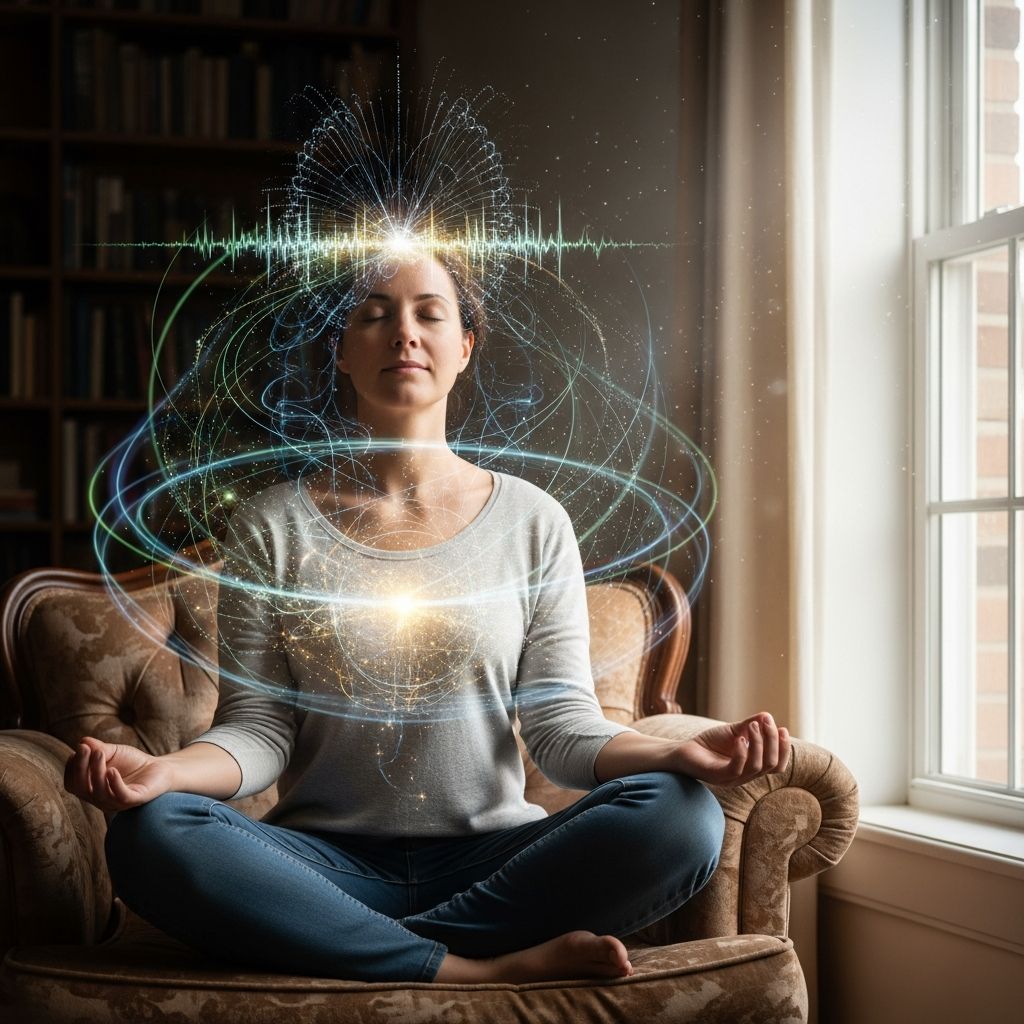
Empaths are individuals with heightened emotional sensitivity, intuitively absorbing and experiencing the feelings of others as if they were their own. This profound empathy fosters deep connections but can lead to overwhelm without proper boundaries.
What Does It Mean to Be an Empath?
An empath goes beyond typical empathy, which is understanding another’s perspective. Empaths physically and emotionally feel others’ joy, pain, or stress in their bodies, often without verbal cues. As described by experts, they lack natural filters against overstimulation from crowds, noise, or intense personalities.
This sensitivity stems from a combination of cognitive, emotional, and behavioral dimensions. Cognitive empathy involves understanding thoughts; emotional empathy shares feelings; and behavioral empathy responds compassionately. Research shows empaths excel in these areas, making them natural caregivers.
Unlike a clinical diagnosis, ’empath’ describes a personality trait on a spectrum. Many empaths report lifelong patterns of deep intuition and emotional attunement.
Signs You Might Be an Empath
Recognizing empath traits can explain overwhelming experiences. Common indicators include:
- Absorbing others’ emotions: You feel a friend’s anxiety as physical tension or a stranger’s sadness as your own tears.
- Overwhelm in crowds: Social gatherings drain you due to sensory and emotional overload.
- Strong intuition: You predict others’ needs or moods accurately, often before they speak.
- Emotional exhaustion: After helping others, you need solitude to recharge.
- Avoiding negativity: You skip violent media or tense arguments to protect your energy.
- Deep compassion: You’re compelled to aid those in distress, even at personal cost.
- Sensitivity to environments: Noisy or chaotic settings cause fatigue or irritability.
- Mirroring behaviors: You unconsciously mimic others’ postures or speech patterns.
- Needing alone time: Solitude restores your equilibrium after interactions.
- Physical symptoms: Others’ stress manifests as headaches, nausea, or fatigue in you.
These signs align with highly sensitive person (HSP) research, where 15-20% of people exhibit similar traits.
Types of Empaths
Empaths vary in sensitivities. Key types include:
- Emotional empaths: Most common; feel others’ moods intensely.
- Physical empaths: Sense bodily pains or illnesses.
- Intuitive empaths: Receive gut feelings or visions about people.
- Earth empaths: Affected by natural disasters or environmental harm.
- Animal empaths: Deeply connected to pets’ emotions.
Understanding your type helps tailor self-care.
Pros and Cons of Being an Empath
Empathy offers gifts alongside challenges. Here’s a comparison:
| Pros | Cons |
|---|---|
| Deep connections: Form meaningful relationships quickly. | Emotional burnout: Frequent exhaustion from absorption. |
| Strong intuition: Avoid manipulation; sense truth. | Boundary issues: Vulnerable to toxic people or ’emotion dumps’. |
| Compassion satisfaction: Joy from helping others. | Overstimulation: Crowds, noise cause distress. |
| Creative insight: Heightened perception fuels art or innovation. | Neglect of self: Prioritize others’ needs. |
| Healing presence: Provide comfort effortlessly. | Physical toll: Chronic fatigue or illness mimicry. |
Balanced management maximizes pros while mitigating cons.
How to Know If You’re an Empath: Quiz
Test your traits with these questions (score 7+ yes responses as strong indicator):
- Do you often feel drained after being around certain people?
- Can you sense a room’s mood upon entering?
- Do crowds or public transport overwhelm you?
- Do you cry easily at movies or stories?
- Do you need significant alone time to recharge?
- Do you intuitively know others’ unspoken feelings?
- Are you deeply affected by news or violence?
- Do you prefer small groups or one-on-one?
- Do you feel others’ physical pain empathetically?
- Are boundaries hard to maintain?
This self-assessment draws from clinical observations; consult a therapist for deeper evaluation.
Challenges Faced by Empaths
Unchecked empathy risks burnout, anxiety, and resentment. Empaths often:
- Absorb negativity, leading to mood swings.
- Struggle with ‘no,’ attracting energy vampires.
- Experience compassion fatigue in caregiving roles.
- Mimic health issues psychosomatically.
Studies link high empathy to increased burnout in healthcare, underscoring boundary needs.
Self-Care Strategies for Empaths
Thrive by protecting your energy:
- Set boundaries: Practice ‘no’ without guilt; limit time with drainers.
- Recharge rituals: Daily nature walks, meditation, or baths.
- Grounding techniques: Deep breathing or visualization shields.
- Selective exposure: Curate environments; avoid toxic media.
- Journaling: Process absorbed emotions nightly.
- Physical outlets: Yoga or exercise releases stored tension.
- Sleep hygiene: 8+ hours prevents amplification.
- Support network: Connect with fellow empaths.
These habits, rooted in therapy practices, reduce overwhelm.
Frequently Asked Questions (FAQs)
Q: Can empaths turn off their sensitivity?
A: Not completely, but techniques like mindfulness and boundaries can regulate it effectively.
Q: Are empaths more prone to anxiety?
A: Yes, due to emotional overload, but self-care mitigates this risk.
Q: What’s the difference between an empath and a highly sensitive person (HSP)?
A: HSPs are sensitive to stimuli broadly; empaths specifically to emotions.
Q: Do empaths make good therapists?
A: Often yes, with strong attunement, but they must manage personal energy.
Q: Can children be empaths?
A: Absolutely; traits appear early, needing gentle nurturing.
Final Thoughts
Being an empath is a superpower when harnessed. Embrace your gifts, prioritize self-preservation, and seek professional support if overwhelmed. Your sensitivity enriches the world.
References
- The Role of Empathy in Health and Social Care Professionals — PMC (National Library of Medicine). 2020-04-07. https://pmc.ncbi.nlm.nih.gov/articles/PMC7151200/
- What is an Empath?: Signs and Traits — Psych Central. Recent (post-2023 update). https://psychcentral.com/health/what-is-an-empath
- What Is an Empath and How Do You Know If You Are One? — Healthline. Recent (post-2023). https://www.healthline.com/health/what-is-an-empath
- What is an empath? — Medical News Today. Recent (post-2023). https://www.medicalnewstoday.com/articles/what-is-an-empath
- Health.com: How to Tell If You’re an Empath — Dr. Judith Orloff via Health.com. Recent. https://drjudithorloff.com/health-com/
- 10 Traits Empathic People Share — Psychology Today. 2016-02-19 (seminal, widely cited). https://www.psychologytoday.com/us/blog/emotional-freedom/201602/10-traits-empathic-people-share
Similar Articles





Read full bio of medha deb