Emphysema: Causes, Symptoms, Diagnosis & Treatment
Complete guide to emphysema: understanding causes, recognizing symptoms, getting diagnosed, and exploring treatment options.
Emphysema: Understanding a Progressive Lung Disease
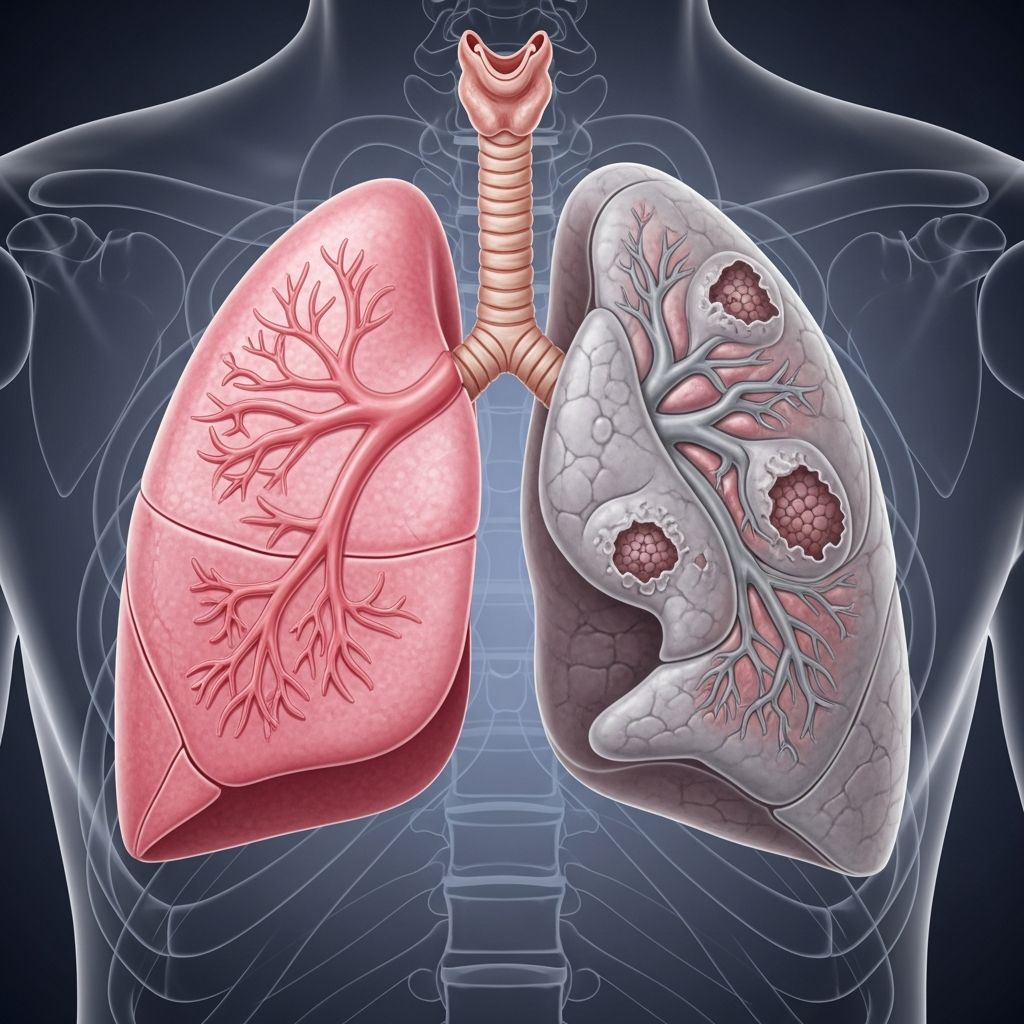
Emphysema is a serious chronic lung disease that gradually destroys the air sacs (alveoli) in your lungs, making it increasingly difficult to breathe. This condition is a form of chronic obstructive pulmonary disease (COPD) that develops slowly over time, often without obvious symptoms in its early stages. The disease damages the walls of the alveoli, preventing them from effectively exchanging oxygen and carbon dioxide between the lungs and the bloodstream. As emphysema progresses, the bronchioles lose their elasticity and collapse when you exhale, trapping stale air in your lungs and preventing fresh air and oxygen from entering. Understanding emphysema, its causes, symptoms, and available treatments is crucial for managing this progressive condition and maintaining the best possible quality of life.
What Causes Emphysema?
The primary cause of emphysema is smoking. Long-term exposure to cigarette smoke damages the delicate structures of the lungs, leading to the breakdown of alveolar walls over time. However, emphysema can develop from other causes as well. Environmental and occupational exposure to certain substances can trigger emphysema, including chemical fumes, air pollutants, and toxic particles in the workplace. In some cases, emphysema develops due to alpha-1 antitrypsin (AAT) deficiency, a genetic condition that makes individuals more susceptible to lung damage even with minimal exposure to irritants. Nonsmokers who develop emphysema symptoms earlier than typical should undergo testing for these less common causes, particularly AAT deficiency, to ensure appropriate management strategies.
Recognizing Emphysema Symptoms
Emphysema symptoms typically develop gradually and worsen over time. The initial and most common symptom is shortness of breath (dyspnea), which may start during strenuous activities and eventually progress to occur during everyday tasks. As the disease advances, additional symptoms emerge and become more pronounced.
Common symptoms of emphysema include:
– Shortness of breath during physical activity or at rest- Chronic cough that may or may not produce sputum- Wheezing sounds when breathing- Chest tightness or discomfort- Mucous production with cough- Persistent fatigue and low energy levels- Difficulty sleeping due to breathing problems- Unintentional weight loss
It is important to note that symptoms can vary significantly between individuals. Some people may experience predominantly cough and mucus production, while others may be more bothered by breathing difficulties. If you experience persistent breathing problems, especially if you smoke or have a significant smoking history, it is essential to consult with your healthcare provider for evaluation.
How Emphysema Differs from Chronic Bronchitis
While both emphysema and chronic bronchitis are forms of COPD, they affect the lungs differently. Chronic bronchitis primarily involves destruction of the cilia in the airways. Cilia are hair-like structures that normally move germs and debris out of the respiratory passages. The main symptom of chronic bronchitis is mucus production, characterized by a wet cough that produces thick, discolored mucus (yellow, green, or yellow-grey) from the lungs, known as a productive cough. Emphysema, by contrast, causes broader lung damage and presents with more varied symptoms, including significant shortness of breath and cough. Many patients have features of both conditions, a presentation sometimes called mixed COPD. Understanding which condition predominates in your case helps guide treatment decisions and symptom management strategies.
Diagnostic Methods for Emphysema
Your healthcare provider will begin with a thorough physical examination to evaluate your lungs and overall respiratory health. During this examination, your provider will use a stethoscope to listen to your lung sounds, a process called auscultation. Additionally, your healthcare provider may tap on your chest with their fingers and listen for a hollow sound, which indicates that your lungs are trapping air—a classical sign of emphysema. When air becomes trapped in the lungs, it produces a distinctive hollow resonance that differs from the normal sound of healthy lung tissue.
Diagnostic tests your healthcare provider may order include:
Related Stories



– Spirometry: This pulmonary function test measures how much air your lungs can hold and how well you inhale and exhale air- Lung volume tests: These determine how much air remains in your lungs after exhalation- Diffusion capacity testing: This measures how well your lungs transfer oxygen to your bloodstream and remove carbon dioxide- Chest X-ray: Imaging that can reveal small pockets of air in your lungs, though it may not detect early-stage emphysema effectively- Chest CT scan: Computed tomography provides more detailed images of lung tissue and can show the severity and location of emphysema- Arterial blood gas testing: Blood tests that measure oxygen and carbon dioxide levels in your blood- Electrocardiogram (ECG): Heart function testing to rule out cardiac conditions that may contribute to breathing difficulties
An early diagnosis of emphysema is invaluable because it allows you to begin treatment promptly and maintain your quality of life for a longer period. If you have breathing problems, particularly if you smoke or have significant smoking exposure, discussing screening with your healthcare provider is important.
Understanding Emphysema Stages
Emphysema is classified into four stages based on the severity of lung function impairment, which helps guide treatment decisions and predict prognosis.
| Stage | Severity | Lung Function | Symptoms | Life Expectancy Impact |
|---|---|---|---|---|
| Stage 1 | Mild | At least 80% of normal | Shortness of breath during strenuous activities | Nearly normal with smoking cessation and healthy lifestyle |
| Stage 2 | Moderate | 50-79% of normal | Increased shortness of breath with activity; cough | Reasonable life expectancy with proper management |
| Stage 3 | Severe | 30-49% of normal | Significant breathing difficulty; frequent symptoms | May be reduced; requires active management |
| Stage 4 | Very Severe | Less than 30% of normal | Severe breathing difficulty at rest; limited daily activities | Typically 1-5 years; requires intensive support |
Treatment Approaches for Emphysema
While the lungs cannot heal from emphysema damage, multiple treatments can help reduce symptoms, improve your quality of life, and slow disease progression. The specific treatment plan depends on the severity of your emphysema and your individual circumstances. Treatment focuses on slowing emphysema progression and maximizing the function of your remaining healthy lung tissue.
Medications
Your healthcare provider may prescribe several types of medications to manage emphysema symptoms:
– Bronchodilators: These medications open airways to improve breathing difficulty and reduce coughing by relaxing smooth muscles around the airways- Corticosteroids: Inhaled corticosteroids reduce inflammation in the lungs and improve breathing; however, long-term use may increase risks of high blood pressure, diabetes, or cataracts- Antibiotics: Prescribed when you develop infections such as bacterial pneumonia or bronchitis to prevent complications
Oxygen Therapy
For people who need extra oxygen, your doctor may prescribe supplemental oxygen therapy. You will use either a nasal cannula device or wear a facemask to breathe oxygen through a machine. Oxygen therapy helps maintain adequate oxygen levels in your blood, reduces strain on your heart, and enables you to participate in daily activities more comfortably.
Pulmonary Rehabilitation
Pulmonary rehabilitation programs are highly beneficial for emphysema patients. These comprehensive programs typically include breathing exercises that teach special techniques to maximize oxygen intake, nutrition counseling to maintain healthy weight and energy levels, physical conditioning, and educational sessions about disease management. Rehabilitation helps strengthen your lungs and improves your overall fitness and endurance.
Lifestyle Modifications
Smoking cessation is the most effective intervention regardless of disease stage. Quitting smoking is the best way to slow emphysema progression and support life expectancy. Additional lifestyle modifications include avoiding environmental pollutants, exercising regularly as tolerated, and maintaining proper nutrition to support immune function and overall health.
Surgical Interventions
For people with advanced emphysema who have not benefited adequately from medical therapy, surgical options may be considered. Lung volume reduction surgery (LVRS) involves removing the most damaged portions of lung tissue to improve the function of remaining healthy tissue. In select cases of very advanced emphysema, lung transplantation may be considered for eligible patients. These surgical approaches are typically reserved for younger adults without additional complications and require careful evaluation to determine suitability.
Factors Affecting Life Expectancy with Emphysema
Multiple factors influence life expectancy in emphysema patients. Age and overall health status significantly impact prognosis, as older individuals generally have a less favorable prognosis. Current and past smoking status dramatically affects disease progression and outcomes. The presence of other conditions such as heart disease, recurrent respiratory infections, or AAT deficiency can substantially reduce life expectancy. Patients with Stage 1 emphysema who quit smoking and adopt healthy lifestyles often maintain nearly normal life expectancy, while those with Stage 4 emphysema typically have life expectancy ranging from a few months to several years depending on treatment adherence and overall health status.
Managing Complications
Emphysema patients are susceptible to several complications that require proactive management. Common complications include pneumonia, pneumothorax (collapsed lung), and recurrent respiratory tract infections such as bronchitis, pneumonia, influenza, and tuberculosis. Respiratory failure represents the most serious potential complication. Management and prevention of these conditions through vaccinations, early treatment of infections, and avoiding environmental triggers help improve quality of life and support life expectancy.
The Importance of Early Diagnosis and Treatment
Early diagnosis and treatment of emphysema can significantly support life expectancy and quality of life. Beginning treatment as soon as possible allows for more effective symptom management and helps preserve remaining lung function. An early diagnosis enables you to maintain your quality of life for a longer period and continue engaging in the activities you enjoy. If you have breathing problems, especially if you smoke, discussing your symptoms with your healthcare provider is essential for timely diagnosis and intervention.
Frequently Asked Questions About Emphysema
Q: Can emphysema be cured?
A: No, the lung damage from emphysema cannot be reversed. However, treatments can help reduce symptoms, improve your quality of life, and slow disease progression. Early diagnosis and treatment are crucial for maintaining the best possible outcomes.
Q: Is emphysema only caused by smoking?
A: While smoking is the primary cause of emphysema, other causes include long-term exposure to chemical fumes and air pollutants, occupational hazards, and alpha-1 antitrypsin deficiency. Nonsmokers developing emphysema should be evaluated for these alternative causes.
Q: What is the most important step in managing emphysema?
A: Smoking cessation is the single most effective intervention for emphysema. Quitting smoking slows disease progression more significantly than any other treatment and can substantially improve life expectancy.
Q: How does emphysema progress?
A: Emphysema is a progressive disease that gradually worsens over time. Symptoms typically start with shortness of breath during strenuous activity and advance to difficulty breathing during everyday tasks as lung function deteriorates.
Q: When should I seek medical attention for breathing problems?
A: If you experience persistent breathing difficulties, chronic cough, or other respiratory symptoms, especially if you smoke or have significant smoking exposure, you should consult your healthcare provider promptly for evaluation and diagnosis.
Conclusion
Emphysema is a serious but manageable chronic lung disease that requires a comprehensive treatment approach. While the condition cannot be cured, modern medical interventions can significantly improve symptoms and quality of life when diagnosed early and treated appropriately. The key to living well with emphysema involves smoking cessation, medication management, pulmonary rehabilitation, and close collaboration with your healthcare team. If you have concerns about emphysema or experience breathing difficulties, consult with your healthcare provider to discuss diagnostic testing and develop a personalized treatment plan that allows you to continue enjoying your daily activities for as long as possible.
References
- Emphysema: Causes, Symptoms, Diagnosis & Treatment — Cleveland Clinic. 2024. https://my.clevelandclinic.org/health/diseases/9370-emphysema
- Chronic Obstructive Pulmonary Disease (COPD) — Cleveland Clinic. 2024. https://my.clevelandclinic.org/health/diseases/8709-chronic-obstructive-pulmonary-disease-copd
- Emphysema Stages: Symptoms, Complications, and Treatment — Healthline. 2024. https://www.healthline.com/health/emphysema-stages
- Understanding Emphysema Life Expectancy: A Comprehensive Guide — Rupa Health. 2024. https://www.rupahealth.com/post/understanding-emphysema-life-expectancy-a-comprehensive-guide
- Understanding COPD — Cleveland Clinic Abu Dhabi. 2024. https://www.clevelandclinicabudhabi.ae/en/health-hub/health-resource/diseases-and-conditions/understanding-copd
- Emphysema in Nonsmokers: Alpha 1-Antitrypsin Deficiency and Other Causes — Cleveland Clinic Journal of Medicine. 2002. https://www.ccjm.org/content/ccjom/69/12/928.full.pdf
Similar Articles








Read full bio of medha deb