Emphysema Symptoms: 9 Key Signs to Watch For
Recognizing the signs of emphysema early can lead to better management of this progressive lung condition affecting millions worldwide.
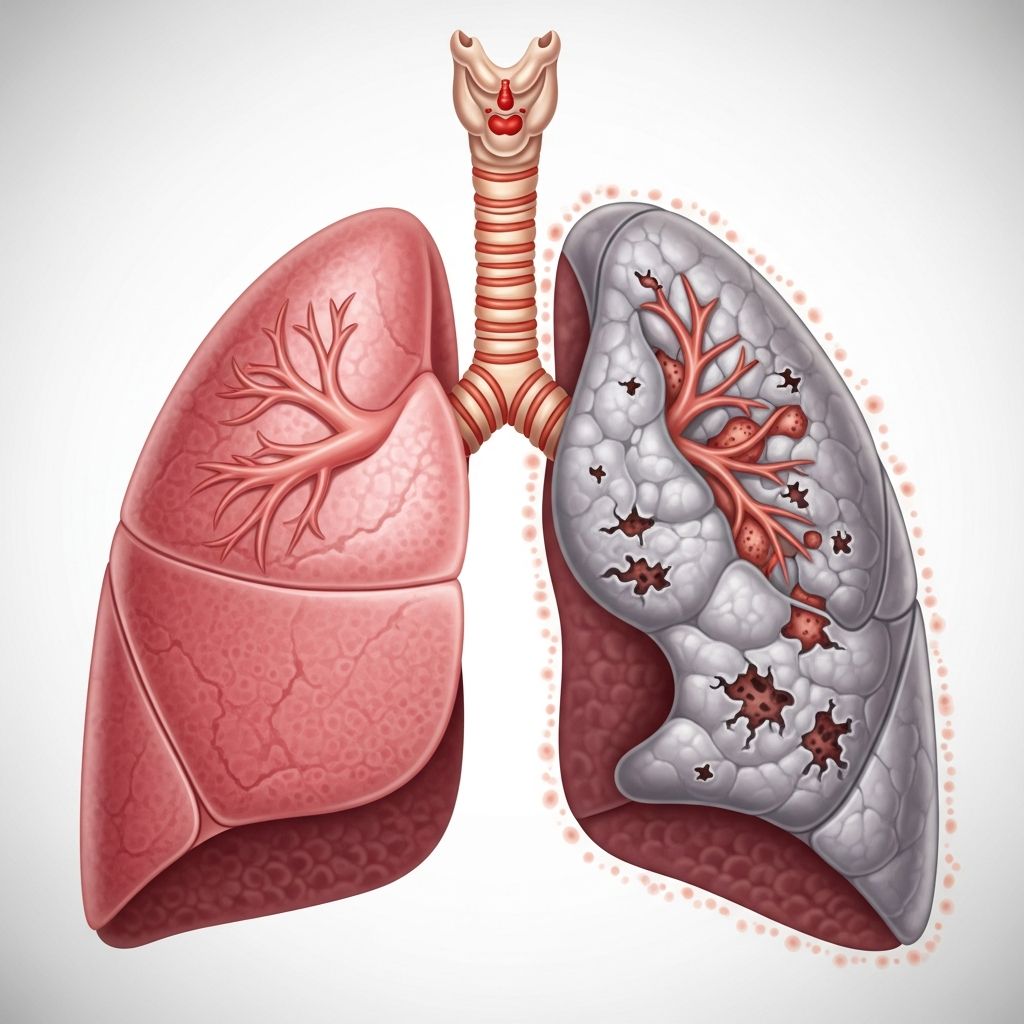
Emphysema is a progressive lung disease that damages the air sacs (alveoli) in the lungs, making breathing difficult over time. As a form of chronic obstructive pulmonary disease (COPD), it primarily affects oxygen exchange, leading to symptoms like shortness of breath and chronic cough.
What Is Emphysema?
Emphysema occurs when the thin walls separating the lung’s air sacs are destroyed, causing them to lose elasticity and merge into larger, less efficient spaces. Normally, alveoli stretch like tiny balloons to fill with air during inhalation and deflate to expel carbon dioxide. In emphysema, this process fails, trapping air and reducing oxygen intake.
This damage reduces the lungs’ surface area for gas exchange, leading to impaired breathing. Emphysema often develops alongside chronic bronchitis, another COPD type, but focuses more on alveolar destruction rather than airway inflammation.
Emphysema Symptoms
Symptoms of emphysema typically emerge gradually and worsen over years. Early stages may be asymptomatic, but as damage progresses, individuals notice significant respiratory challenges.
- Shortness of breath (dyspnea): The hallmark symptom, starting with exertion and advancing to rest. Patients struggle during activities like walking or climbing stairs.
- Chronic cough: Often produces mucus (phlegm), especially in smokers.
- Wheezing: A whistling or squeaky sound during exhalation due to narrowed airways.
- Chest tightness: A feeling of heaviness or pressure in the chest.
- Fatigue: From constant breathing effort and low oxygen levels.
- Frequent respiratory infections: Increased susceptibility to colds, flu, and pneumonia.
- Barrel-shaped chest: Ribcage expands to accommodate enlarged lungs.
- Cyanosis: Bluish skin tint from oxygen deficiency.
- Weight loss and ankle swelling: In advanced stages, due to muscle wasting and heart strain.
In severe cases, patients may experience pursed-lip breathing to maintain airway pressure and avoid collapse. “Pink puffers” describe thin, non-cyanotic emphysema patients relying on rapid, shallow breaths.
Types of Emphysema
Emphysema is classified by the acinus (lung unit) affected:
- Centrilobular (proximal acinar): Most common, linked to smoking; affects upper lung lobes.
- Panacinar: Involves entire acinus; associated with alpha-1 antitrypsin deficiency.
- Paraseptal (distal acinar): Near pleura; can cause pneumothorax in young adults.
Causes and Risk Factors
The primary cause is long-term exposure to irritants damaging alveoli.
- Smoking: Leading cause; tobacco smoke triggers inflammation and enzyme imbalance destroying lung tissue.
- Air pollution and chemicals: Fumes, dust, and secondhand smoke contribute.
- Alpha-1 antitrypsin deficiency: Genetic condition causing early-onset panacinar emphysema, even in nonsmokers.
- Aging and occupational exposure: Coal dust or manufacturing irritants heighten risk.
Pathophysiology involves proteinase-antiproteinase imbalance; enzymes like elastase break down alveolar walls without sufficient inhibitors.
Emphysema Diagnosis
Diagnosis combines history, exams, and tests:
- Medical history: Smoking history, symptoms, family genetics.
- Physical exam: Listening for wheezes, checking for hyperinflation or cyanosis.
- Spirometry: Measures airflow limitation; FEV1/FVC ratio <0.70 confirms obstruction.
- Imaging: Chest X-ray shows hyperinflation; CT scan reveals bullae or low-attenuation areas.
- Arterial blood gas: Assesses oxygenation and CO2 levels.
- Alpha-1 antitrypsin test: For suspected genetic cases.
| Test | Purpose | Key Findings in Emphysema |
|---|---|---|
| Spirometry | Lung function | Reduced FEV1, low FEV1/FVC |
| Chest X-ray | Structural view | Flattened diaphragm, barrel chest |
| CT Scan | Detailed imaging | Bullae, destroyed alveoli |
| Blood Gas | Oxygen/CO2 levels | Hypoxemia, hypercapnia in advanced disease |
Related Stories



Emphysema Treatment
No cure exists, but treatments relieve symptoms and slow progression:
- Smoking cessation: Most critical; improves lung function and halts damage.
- Bronchodilators: Inhaled meds (beta-agonists, anticholinergics) relax airways.
- Inhaled steroids: Reduce inflammation during exacerbations.
- Oxygen therapy: For low blood oxygen; extends life in severe cases.
- Pulmonary rehabilitation:
- Surgery: Lung volume reduction or transplant for select patients.
Exercise, nutrition, education to boost endurance.
Manage exacerbations promptly with antibiotics for infections or steroids.
Emphysema Complications
Untreated emphysema leads to:
- Pneumonia: Frequent due to poor clearance.
- Pneumothorax: Bullae rupture causes lung collapse.
- Cor pulmonale: Right heart failure from lung strain.
- Respiratory failure: During exacerbations.
- Weight loss and muscle wasting: Systemic effects.
Prevention and Management Tips
Prevent by avoiding smoke and pollutants; get vaccinated against flu/pneumonia. Maintain healthy weight, exercise, and follow rehab programs.
Monitor for exacerbations: worsening dyspnea, increased sputum, confusion signal emergency care.
Frequently Asked Questions (FAQs)
What is the main symptom of emphysema?
Shortness of breath, especially during physical activity, is the primary symptom.
Is emphysema reversible?
No, lung damage is permanent, but quitting smoking and treatments can slow progression.
How does emphysema differ from chronic bronchitis?
Emphysema destroys air sacs causing breathlessness; bronchitis inflames airways with mucus cough.
Can nonsmokers get emphysema?
Yes, via genetics (alpha-1 deficiency), pollution, or secondhand smoke.
When should I see a doctor for emphysema symptoms?
Seek care for persistent cough, wheezing, or breathlessness interfering with daily life.
References
- Emphysema | Better Health Channel — Better Health Channel, Victorian Government. 2023. https://www.betterhealth.vic.gov.au/health/conditionsandtreatments/emphysema
- Emphysema — MedlinePlus, U.S. National Library of Medicine. 2024-01-10. https://medlineplus.gov/emphysema.html
- Emphysema – Symptoms and causes — Mayo Clinic. 2023-11-20. https://www.mayoclinic.org/diseases-conditions/emphysema/symptoms-causes/syc-20355555
- Emphysema — StatPearls, NCBI Bookshelf. 2023-07-17. https://www.ncbi.nlm.nih.gov/books/NBK482217/
- Emphysema: Causes, Symptoms, Diagnosis & Treatment — Cleveland Clinic. 2023-09-28. https://my.clevelandclinic.org/health/diseases/9370-emphysema
Similar Articles








Read full bio of medha deb