Undefined Emphysema Guide: Symptoms, Causes, Treatment
Understand emphysema: a progressive lung condition causing breathlessness, its causes like smoking, symptoms, diagnosis, and management strategies for better living.
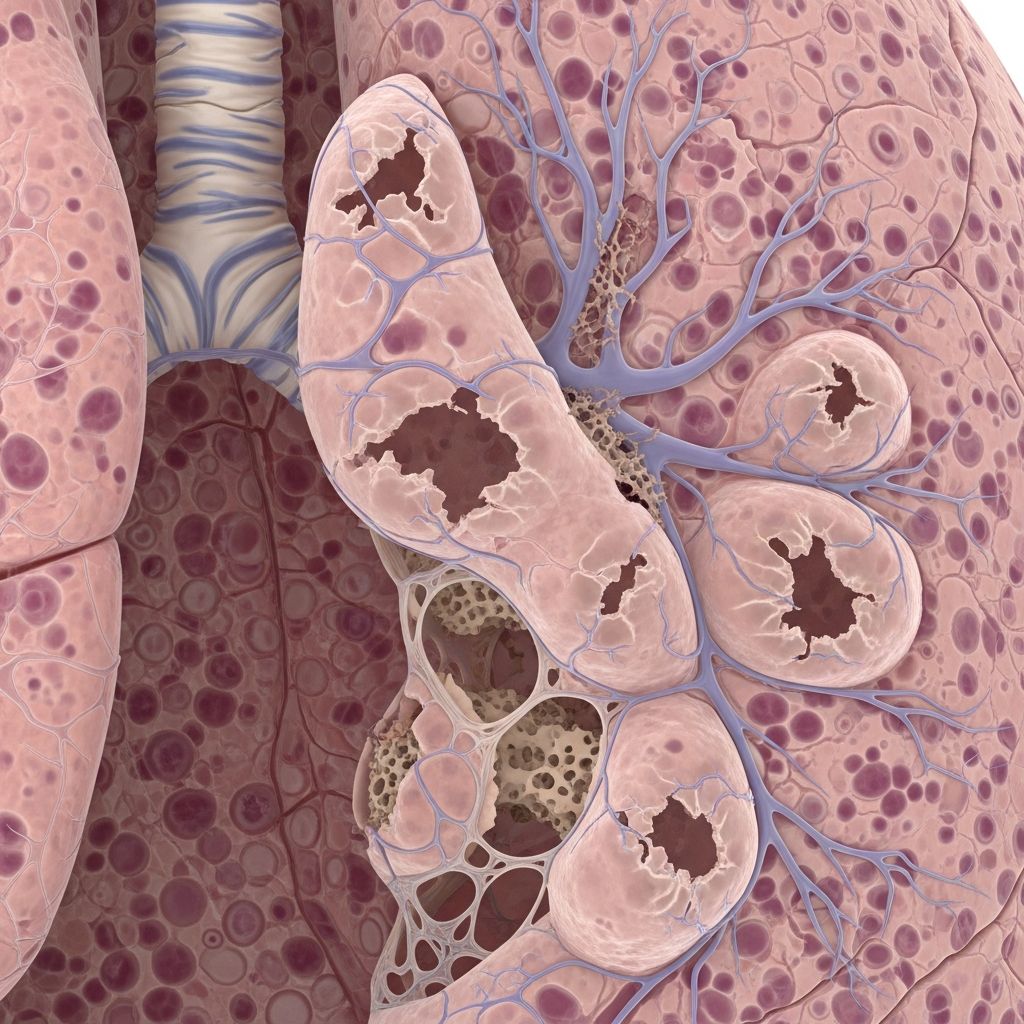
Emphysema represents a serious, irreversible damage to the lungs’ delicate air sacs, fundamentally altering how individuals breathe and live daily. As a primary component of chronic obstructive pulmonary disease (COPD), it progressively impairs airflow, leading to persistent breathlessness that worsens over time. This condition arises mainly from long-term exposure to irritants, with smoking being the predominant culprit, though genetic factors and environmental pollutants also contribute significantly.
The Pathophysiology of Lung Destruction in Emphysema
At the heart of emphysema lies the breakdown of alveoli, the tiny grape-like clusters at the lung’s ends responsible for gas exchange. In healthy lungs, these structures expand and contract efficiently, facilitating oxygen intake and carbon dioxide expulsion. However, in emphysema, destructive enzymes like neutrophil elastase overpower protective proteins, eroding alveolar walls and merging small sacs into larger, inefficient bullae. This results in hyperinflated lungs that trap stale air, diminish elastic recoil, and reduce surface area for oxygenation.
The process often begins insidiously, with damage accumulating over years. Bronchioles narrow and collapse during exhalation, compounding air trapping. Oxygen levels in the blood drop, while carbon dioxide builds up, straining the heart and other organs. Unlike chronic bronchitis, which emphasizes mucus hypersecretion, emphysema focuses on parenchymal destruction, though the two frequently coexist in COPD patients.
Primary Causes and Risk Factors
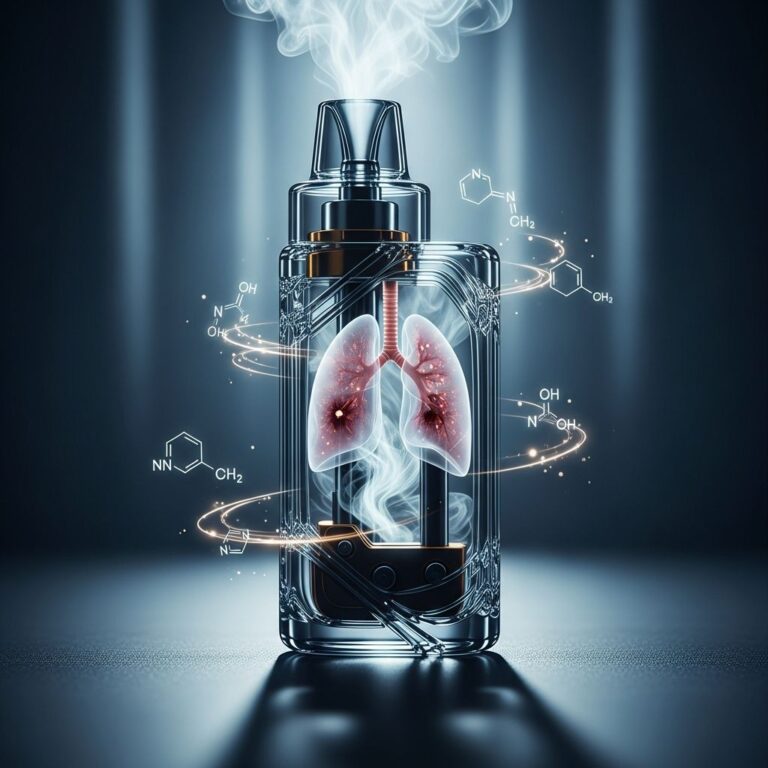
Smoking tobacco remains the leading cause, accounting for approximately 85-90% of cases worldwide. Cigarette smoke triggers inflammation and protease-antiprotease imbalance, accelerating alveolar demise. Even secondhand smoke or vaping poses risks, though to a lesser degree.
Occupational and environmental exposures follow, including prolonged inhalation of coal dust, silica, grain dust, or chemical fumes in industries like mining, farming, or manufacturing. Indoor air pollution from biomass fuel combustion affects millions in developing regions.
A critical genetic risk is alpha-1 antitrypsin (AAT) deficiency, a hereditary disorder where the liver produces insufficient AAT protein to neutralize elastase. Affecting 1 in 3,000-5,000 individuals, it predisposes even nonsmokers to early-onset emphysema, particularly in the lower lobes. Smoking exacerbates this dramatically.
Other contributors include aging, recurrent respiratory infections, asthma, and connective tissue disorders like Marfan syndrome. Women may be more susceptible due to smaller airways and hormonal influences.
Recognizing the Signs: Symptoms and Progression
Early emphysema often masquerades as fatigue or mild breathlessness during exertion. As it advances, symptoms intensify:
- Progressive
dyspnea
(shortness of breath), initially with activity, later at rest. - Chronic cough, often productive with clear or mucoid sputum.
- Wheezing and chest tightness, resembling asthma but unrelieved by bronchodilators alone.
- Frequent lung infections like bronchitis or pneumonia.
- Barrel chest from hyperinflation, weight loss from increased breathing effort, and cyanosis (bluish extremities).
- Fatigue, reduced exercise tolerance, and sleep disturbances.
Symptoms typically emerge after age 40-50 in smokers with 20+ pack-years. Advanced stages bring cor pulmonale (right heart strain), respiratory failure, and pneumothorax from ruptured bullae.
Related Stories



Diagnostic Approaches: Confirming Emphysema
Diagnosis combines clinical evaluation, imaging, and pulmonary function tests. Physicians start with history—smoking pack-years, exposures, family AAT history—and physical exam revealing prolonged exhalation, wheezes, or pursed-lip breathing.
Spirometry is gold standard: post-bronchodilator FEV1/FVC ratio <0.7 confirms obstruction. Reduced DLCO (diffusing capacity) distinguishes emphysema from chronic bronchitis.
Chest X-ray shows hyperinflation, flattened diaphragms, bullae, or increased retrosternal space. High-resolution CT scans precisely delineate emphysema subtype (centrilobular vs. panlobular) and extent, guiding surgical candidacy.
Additional tests include arterial blood gases for hypoxemia/hypercapnia, 6-minute walk test for functional status, and AAT level/genotyping. Pulse oximetry monitors daily oxygenation.
| Test | Purpose | Key Findings in Emphysema |
|---|---|---|
| Spirometry | Measure airflow | FEV1/FVC <70%, reduced FEV1 |
| Chest CT | Visualize damage | Bullae, hyperinflation, vascular pruning |
| DLCO | Gas exchange | Markedly reduced |
| ABG | Blood gases | Hypoxemia, hypercapnia in advanced disease |
Comprehensive Treatment Strategies
No cure exists, but multimodal management slows progression, relieves symptoms, and averts exacerbations. Central is smoking cessation: quitting at any stage halts further damage, improving survival by 50% within five years. Nicotine replacement, counseling, and medications like varenicline aid success.
Bronchodilators (LABA like salmeterol, LAMA like tiotropium) relax airways via inhalers, reducing dyspnea. Inhaled corticosteroids (ICS) like fluticasone benefit frequent exacerbators, though pneumonia risk rises.
Pulmonary rehabilitation—exercise, nutrition, education—boosts endurance and quality of life. Oxygen therapy for PaO2 ≤55 mmHg or SpO2 ≤88% prevents organ damage.
Exacerbations (acute worsenings) warrant antibiotics, systemic steroids, and hospitalization if severe. Vaccinations (influenza, pneumococcal, COVID-19) prevent triggers.
Advanced Interventions
- LVRS (Lung Volume Reduction Surgery): Resects 20-35% damaged tissue in upper-lobe predominant emphysema, improving mechanics for select GOLD 3-4 patients.
- Endobronchial valves: One-way valves collapse hyperinflated lobes bronchoscopically.
- Lung transplant: For end-stage (<50 years, no comorbidities), offering 5-year survival ~50%.
Lifestyle Modifications for Optimal Management
Beyond meds, patients thrive by avoiding irritants, staying active, and optimizing nutrition. High-protein diets combat cachexia; energy conservation techniques like pacing activities help. Breathing retraining (pursed-lip, diaphragmatic) eases work of breathing.
Manage comorbidities: osteoporosis screening, cardiovascular risk reduction. Psychological support addresses anxiety/depression common in COPD.
Complications and Prognosis
Untreated emphysema heightens risks of pneumonia, heart failure, pulmonary hypertension, and sudden death from pneumothorax. Exacerbations accelerate decline; AAT-deficient patients progress faster.
Prognosis hinges on FEV1, exacerbation frequency, and adherence. BODE index predicts mortality: low scores (better dyspnea, obstruction, BMI, exercise) yield 10-year survival >80%. Early intervention transforms lives.
Prevention: Halting Emphysema Before It Starts
Public health emphasizes tobacco control, workplace protections, and AAT screening for at-risk families. Clean air policies and smoking bans reduce incidence. For high-risk individuals, annual spirometry detects preclinical disease.
Frequently Asked Questions (FAQs)
Is emphysema reversible?
No, alveolar damage is permanent, but quitting smoking and treatments can stabilize function and alleviate symptoms dramatically.
Can you get emphysema from vaping?
Yes, e-cigarette aerosols contain irritants damaging lungs, with cases of EVALI mimicking emphysema.
How does emphysema differ from asthma?
Asthma is reversible with inflammation; emphysema involves fixed structural destruction.
At what age does emphysema typically appear?
Usually 40-60 in smokers; earlier (30s) in AAT deficiency.
Can emphysema be cured with surgery?
Not cured, but procedures like LVRS or transplant significantly improve select patients’ breathing and survival.
References
- Emphysema – Form of COPD, permanent lung damage — Yale Medicine. 2023. https://www.yalemedicine.org/conditions/emphysema
- Emphysema | Diagnosis & Disease Information — Pulmonology Advisor. 2024. https://www.pulmonologyadvisor.com/ddi/emphysema/
- COPD & Emphysema: Causes and Treatment — Columbia Surgery. 2023. https://columbiasurgery.org/conditions-and-treatments/emphysema-and-chronic-obstructive-pulmonary-disease-copd
- Emphysema — American Lung Association. 2024. https://www.lung.org/lung-health-diseases/lung-disease-lookup/emphysema
- Emphysema: Causes, Symptoms, Diagnosis & Treatment — Cleveland Clinic. 2024-02-15. https://my.clevelandclinic.org/health/diseases/9370-emphysema
- Emphysema | Conditions — UCSF Health. 2023. https://www.ucsfhealth.org/conditions/emphysema
Similar Articles








Read full bio of medha deb