Self-Management: 5 Practical Skills For Everyday Health
Master your health journey with proven self-management strategies that boost confidence, cut costs, and enhance daily living for chronic conditions.
Self-management empowers individuals to take charge of their chronic health conditions through targeted skills, knowledge, and confidence-building strategies. This approach transforms patients from passive recipients into active partners in care, yielding measurable improvements in daily functioning, emotional well-being, and system-wide efficiency.
Understanding the Foundations of Self-Management
At its core, self-management involves daily practices that individuals adopt to monitor, treat, and cope with ongoing health challenges. It encompasses symptom tracking, medication adherence, lifestyle adjustments, and emotional regulation, all tailored to personal needs. Unlike traditional care models focused solely on provider interventions, self-management integrates personal agency with professional guidance, creating a balanced partnership.
Key components include developing problem-solving abilities to navigate flare-ups, decision-making tools for treatment choices, and resource utilization for sustained support. These elements enable people to maintain routines, work, and relationships despite illness burdens.
Building Self-Efficacy: The Confidence Cornerstone
**Self-efficacy**—one’s belief in their capacity to manage health tasks—stands as a primary driver of successful self-management. High self-efficacy correlates with better adherence, symptom relief, and long-term behavior maintenance. Programs foster this through progressive mastery, where small wins build toward complex challenges, reinforcing capability perceptions.
Techniques like motivational interviewing encourage goal-aligned actions, while shared decision-making ensures plans reflect individual priorities. This shift enhances engagement, reduces distress, and promotes resilience against setbacks.
- Mastery experiences: Completing achievable tasks sequentially.
- Modeling: Observing peers succeed in similar situations.
- Persuasion: Provider encouragement tailored to strengths.
- Emotional regulation: Stress management to interpret challenges positively.
Practical Skills for Everyday Health Control
Effective self-management equips individuals with actionable skills. Core competencies cover symptom coping, fatigue management, stress handling, and provider communication. Participants learn goal-setting and self-monitoring to track progress and adjust behaviors proactively.
| Skill Area | Description | Benefits |
|---|---|---|
| Symptom Monitoring | Regularly assessing pain, energy levels, or vital signs | Early detection prevents escalations |
| Medication Adherence | Organizing schedules and reminders | Stabilizes conditions like diabetes |
| Physical Activity Planning | Custom exercise routines fitting daily life | Boosts mobility and mood |
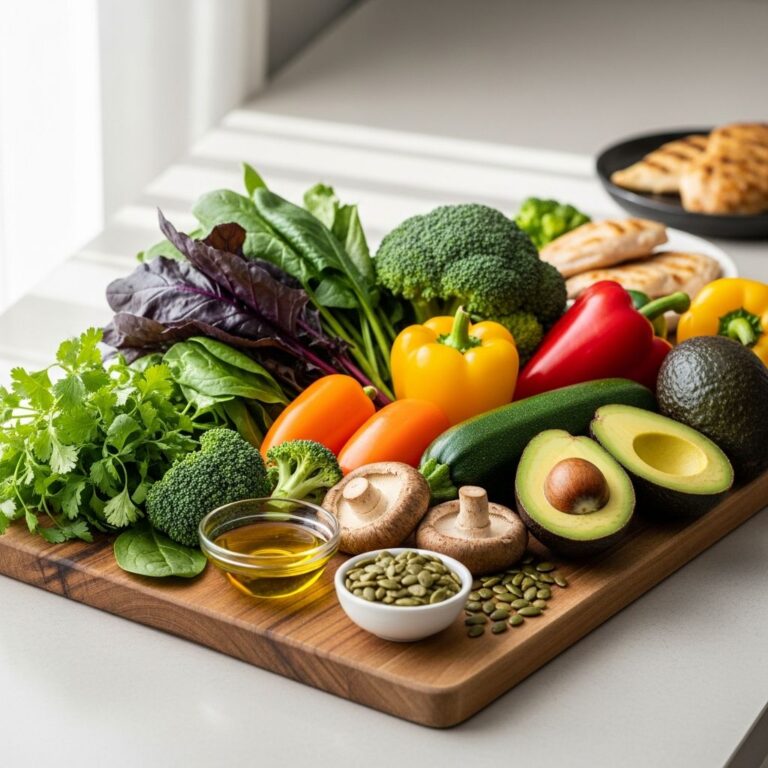
| Nutrition Management | Balanced eating aligned with health goals | Supports weight control and energy |
| Emotional Coping | Techniques for anxiety or depression | Improves quality of life |
These skills extend to forming patient-provider partnerships, where open dialogue ensures aligned care plans.
Proven Health Outcomes from Self-Management
Structured programs deliver tangible results across physical, mental, and social domains. Participants report lower pain, enhanced self-efficacy, and elevated quality of life, effects lasting years post-intervention. For instance, diabetes patients achieve better glycemic control, while those with pain conditions experience reduced disability.
Mental health gains include diminished distress and improved coping, amplified by family involvement. Overall, these interventions minimize impairments, enabling fuller participation in work, hobbies, and relationships.
- Reduced symptoms: Better pain and fatigue control.
- Improved clinical markers: e.g., HbA1c in diabetes.
- Sustained independence: Longer maintenance of daily activities.
System-Wide Benefits and Cost Savings
Beyond individuals, self-management alleviates healthcare pressures. Evidence shows fewer GP visits (19% reduction), A&E attendances (38% drop), and emergency admissions (up to 436,000 prevented annually in modeled scenarios). Hospital stays shorten when admissions occur, optimizing resource use.
Cost-effectiveness stems from proactive behaviors replacing reactive care. Systems gain from population segmentation, targeting intensive support to low-efficacy groups, enhancing allocation efficiency. This model integrates seamlessly with primary care, promoting prevention alongside management.
Related Stories



Strategies for Providers to Support Self-Management
Healthcare professionals play pivotal roles by assessing self-efficacy levels and delivering tailored interventions. Tools like patient activation measures guide support intensity, from basic education to intensive coaching.
Implementation involves:
- Goal-focused discussions prioritizing patient values.
- Evidence-based programs like group workshops or digital tools.
- Continuous monitoring to adapt plans dynamically.
- Interdisciplinary collaboration including nurses and coordinators.
24/7 access via telehealth further empowers timely responses, preventing crises.
Overcoming Barriers to Effective Self-Management
Challenges such as low motivation, complex regimens, or socioeconomic factors can hinder progress. Solutions include accessible programs, cultural tailoring, and family integration to bolster adherence.
Digital platforms offer scalable support, while community groups provide peer modeling. Providers address disparities by stratifying needs and allocating resources accordingly.
Real-World Program Examples and Evidence
Landmark initiatives like the Chronic Disease Self-Management Program demonstrate cross-condition efficacy, reducing hospitalizations and costs while improving health status. NHS England’s supported self-management framework emphasizes personalized, proactive aid, yielding system savings.
CDC-backed education programs teach coping strategies, fostering control and better provider interactions. Rural adaptations highlight universal applicability.
Future Directions in Self-Management Support
Emerging trends incorporate AI-driven monitoring, virtual reality training, and integrated self-care policies per WHO guidelines. Emphasis grows on holistic wellness, blending management with prevention to sustain health amid aging populations.
Frequently Asked Questions (FAQs)
What conditions benefit most from self-management?
Chronic illnesses like diabetes, heart disease, arthritis, COPD, and mental health disorders see substantial gains.
How long do self-management benefits last?
Improvements in self-efficacy, pain reduction, and quality of life persist 4+ years post-program.
Can anyone participate in self-management programs?
Yes, suitable for all ages and conditions, with adaptations for multiple morbidities.
Do these programs replace doctor visits?
No, they complement care by reducing unnecessary visits while strengthening partnerships.
How to start self-management today?
Begin with goal-setting, symptom journaling, and discussing with your provider.
References
- Patient Self-Management: A Vital Asset in Chronic Care Management — LocalMD. 2023. https://www.localmd.nyc/patient-self-management-a-vital-asset-in-chronic-care-management/
- Supported self-management — NHS England. 2023-10-01. https://www.england.nhs.uk/personalisedcare/supported-self-management/
- A Comprehensive Approach to Management of Chronic Conditions — PMC (NIH). 2014-08-06. https://pmc.ncbi.nlm.nih.gov/articles/PMC4103232/
- Self-Management Education: Learn More. Feel Better. — CDC Archive. 2023. https://archive.cdc.gov/www_cdc_gov/learnmorefeelbetter/sme/index.htm
- What is Patient Self-Management? How to Empower Patients in Your Practice — ChartSpan. 2024. https://www.chartspan.com/blog/what-is-patient-self-management-how-to-empower-patients-in-your-practice/
- Chronic Disease Self-Management Program — Rural Health Information Hub. 2023. https://www.ruralhealthinfo.org/toolkits/chronic-disease/2/self-management
- Self-care for health and well-being — World Health Organization (WHO). 2024-05-22. https://www.who.int/news-room/fact-sheets/detail/self-care-health-interventions
Similar Articles








Read full bio of medha deb