Emulsifying Ointment: 4 Key Uses And How To Apply
Comprehensive guide to using emulsifying ointment for managing dry, eczematous skin effectively and safely.
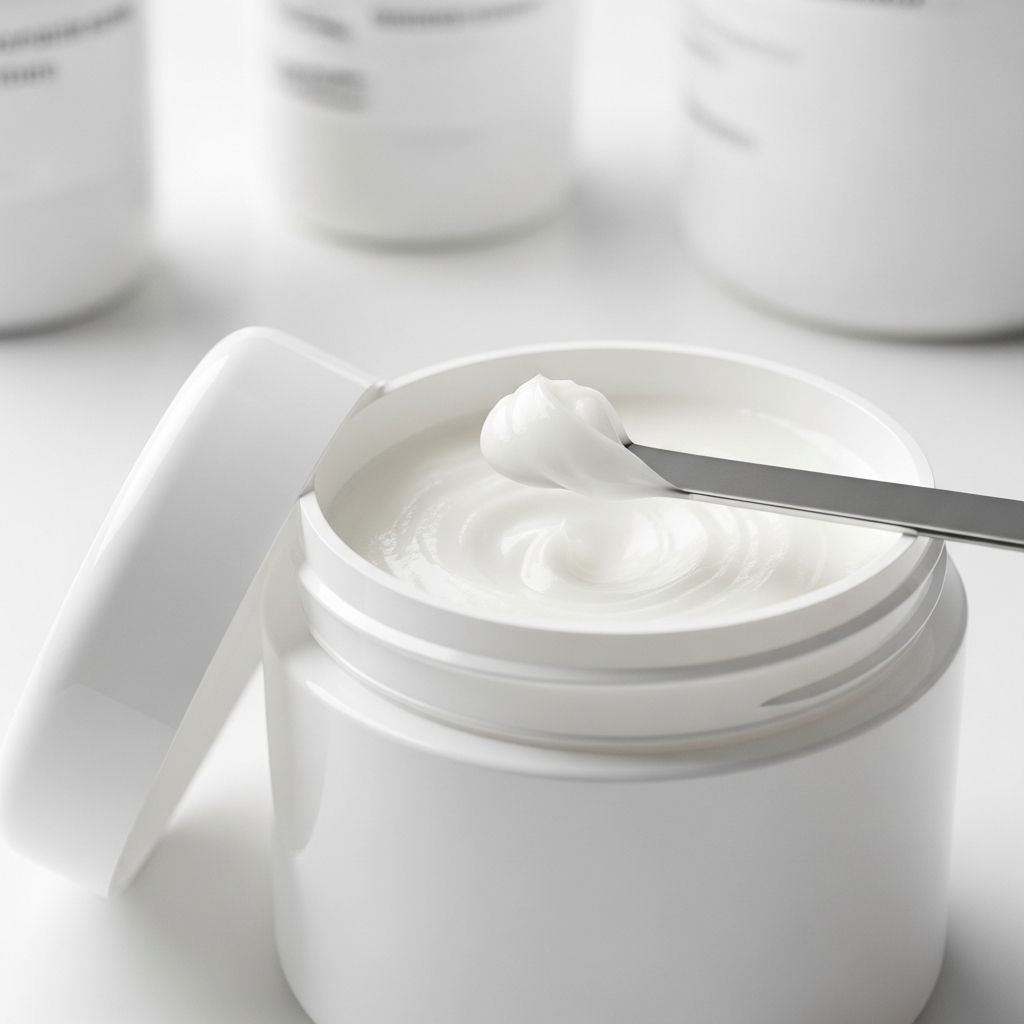
Emulsifying ointment stands out as a highly effective topical preparation designed primarily to combat severe dryness associated with conditions like eczema and dermatitis. Composed mainly of paraffin-based ingredients, it forms a protective barrier on the skin’s surface, locking in essential moisture and preventing evaporation. This makes it an indispensable tool in dermatological care for individuals experiencing chronic skin barrier disruptions.
Understanding the Composition and Mechanism
At its core, emulsifying ointment blends liquid paraffin, white soft paraffin, and emulsifying wax. These components create a stable, greasy emulsion that adheres well to the skin. The paraffin oils dominate, providing an occlusive effect that minimizes transepidermal water loss—a key factor in dry skin pathology. Unlike lighter lotions, its high lipid profile ensures prolonged hydration, making it particularly suitable for thickened, scaly patches.
The ointment’s thickness contributes to its efficacy but also its messiness. It fills intercellular gaps, smoothing rough textures and enhancing overall skin integrity. This barrier not only retains moisture but also shields against environmental irritants, allergens, and microbes, reducing flare-up risks.
Primary Applications in Skin Care
Emulsifying ointment excels in treating very dry, itchy, or inflamed skin. It is routinely recommended for:
- Eczema (atopic dermatitis): Soothes acute flares and maintains remission.
- Contact dermatitis: Protects irritated areas from further aggravation.
- Psoriasis-related scaling: Softens plaques without thinning the skin.
- General xerosis: Prevents cracking in winter or low-humidity environments.
Beyond direct application, it serves as a soap alternative, avoiding the drying effects of traditional cleansers. This dual functionality positions it as a cornerstone of emollient therapy regimens.
Detailed Application Techniques
Proper use maximizes benefits. Always consult a healthcare provider for personalized dosing, but general guidelines include:
As a Leave-On Moisturizer
Apply generously to affected areas several times daily, ideally within minutes after bathing while skin remains damp. This ‘wet-wrap’ principle enhances absorption. Use a clean spatula to extract from the tub, reducing bacterial contamination risks. Stroke gently in the direction of hair growth to avoid folliculitis.
- Frequency: Every 2-4 hours for severe cases; adults may need 500g weekly, children 150-250g.
- Quantity: Liberal amounts are safe—no upper limit due to lack of systemic absorption.
As a Soap Substitute
Wet skin first, then lather ointment with warm water between palms. Massage over the body (avoiding face/scalp unless advised), rinse lightly, and pat dry. A residual film persists, providing ongoing protection.
Bath Additive Method
Scoop ointment into a jug, dissolve in hot water, cool slightly, and pour into bath. Soak for 10-20 minutes, then apply more as a sealant post-bath.
| Method | Best For | Frequency | Tips |
|---|---|---|---|
| Leave-On | Daily hydration | 3-6x/day | Post-bath application |
| Soap Sub | Cleansing | Daily washes | Downward strokes |
| Bath Oil | Full-body relief | 2-3x/week | Stir well before use |
Distinguishing SLS-Containing vs. SLS-Free Variants
Sodium lauryl sulphate (SLS) in some formulations acts as a surfactant, making it ideal for washing but unsuitable as a leave-on product due to potential irritation. SLS-free versions are preferred for moisturizing, offering pure occlusion without foaming agents. Always check labels: SLS variants rinse off easily, while pure ones stay put.
Related Stories



Safety Profile and Side Effects
Generally well-tolerated, emulsifying ointment has a low risk profile. Common issues include:
- Messiness and greasiness, staining fabrics.
- Rare folliculitis from trapped bacteria if not hygienically applied.
- Contact dermatitis in paraffin-sensitive individuals (uncommon).
No systemic effects occur as it doesn’t penetrate deeply. Safe for long-term use, pregnancy, and pediatrics, though infants require supervision to prevent inhalation risks during bathing. Discontinue if rash worsens and seek medical advice.
Special Considerations for Vulnerable Groups
Children and Infants
Young skin absorbs more, but ointments are first-line for pediatric eczema. Use smaller amounts frequently; wet-wrap techniques under medical guidance amplify efficacy.
Pregnant and Breastfeeding Individuals
Topical safety is high; no contraindications noted. Apply sparingly around nipples if breastfeeding to avoid infant ingestion.
Elderly or Immunocompromised
Enhanced barrier protection aids healing in wounds or post-procedure skin. Monitor for infections.
Integrating into a Comprehensive Skin Routine
Pair with topical steroids during flares for synergy: apply emollient 30 minutes after meds to avoid dilution. Combine with bath oils for sensory-sensitive patients. Lifestyle tips include humidifiers, cotton clothing, and avoiding triggers like wool or harsh detergents.
Storage: Keep at room temperature; discard if contaminated. Shelf life typically 12-24 months unopened.
Frequently Asked Questions (FAQs)
Can emulsifying ointment cure eczema?
No, it manages symptoms by restoring the barrier but doesn’t address underlying inflammation. Use alongside prescribed treatments.
Is it safe for facial use?
Limited to non-facial areas unless directed; risk of milia or acne around eyes/mouth.
How much should I apply?
Thumb-tip unit (0.5g) covers two adult hands. Scale up for body areas.
Does it expire?
Check packaging; post-opening, use within advised period to prevent microbial growth.
Alternatives if allergic to paraffin?
Consult for lanolin-based or silicone emollients.
Evidence-Based Benefits and Research Insights
Clinical guidelines from dermatological societies endorse occlusive ointments like this for moderate-severe eczema, showing reduced steroid needs by 50% in trials. Its role in preventing infections via barrier repair is well-documented.
References
- Emulsifying ointment | Healthify — Healthify.nz. 2023. https://healthify.nz/medicines-a-z/e/emulsifying-ointment
- Emulsifying Ointment – HealthHub — HealthHub.sg. 2024. https://www.healthhub.sg/medication-devices-and-treatment/medications/emulsifying-ointment
- Emulsifying Ointment – Manufacturer — AdvaCare Pharma. 2023. https://www.advacarepharma.com/en/pharmaceuticals/emulsifying-ointment
- Emulsifying Ointment | National Skin Centre — NSC.com.sg. 2024. https://www.nsc.com.sg/patients-and-visitors/Health-Library/Dermatology-Drugs/Pages/Emulsifying-Ointment.aspx
- Emulsifying Ointment Leaflet — Hospital Authority (HA.org.hk). 2022. https://www.ha.org.hk/hadf/Portals/0/Docs/Leaflets/Eng/Emulsifying_ointment.pdf
- Emollients – National Eczema Society — Eczema.org. 2025. https://eczema.org/information-and-advice/treatments-for-eczema/emollients/
Similar Articles








Read full bio of medha deb