Encephalitis: Causes, Symptoms, and Treatment
Understanding encephalitis: Learn about causes, symptoms, diagnosis, and treatment options.
What Is Encephalitis?
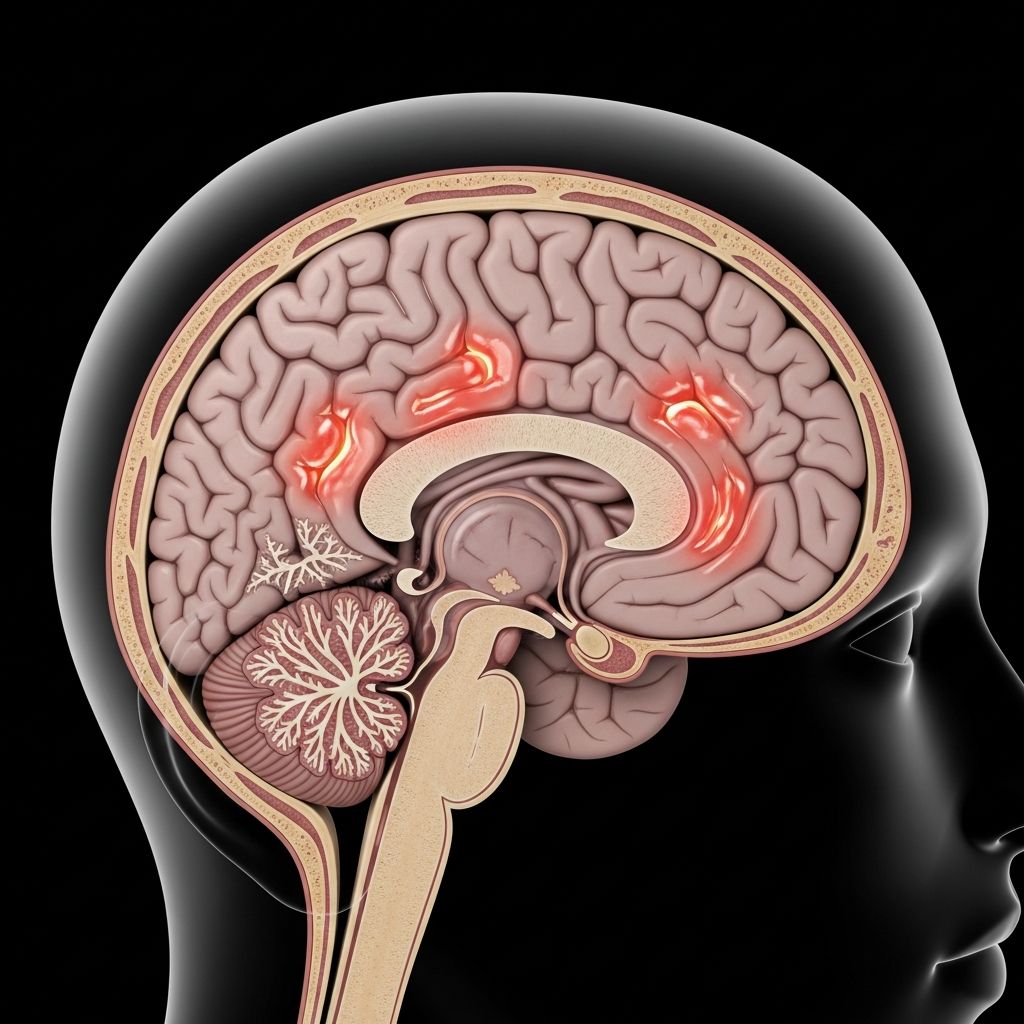
Encephalitis is an inflammation of the brain that occurs when the brain tissue becomes swollen due to infection or an autoimmune reaction. This serious medical condition requires immediate medical attention and hospitalization in most cases. The inflammation can affect how the brain functions and may lead to severe complications if not treated promptly. Understanding encephalitis is crucial for recognizing symptoms early and seeking appropriate medical care.
Causes of Encephalitis
Encephalitis can develop from various causes, which are generally categorized into infectious and autoimmune types. Understanding the underlying cause is essential for determining the appropriate treatment approach.
Viral Causes
Viruses represent the most common cause of encephalitis worldwide. Several specific viruses are known to trigger this condition:
– Herpes simplex virus (HSV) types 1 and 2, with HSV-1 being particularly dangerous and potentially causing significant brain damage- Mosquito-borne viruses including West Nile virus, La Crosse encephalitis, St. Louis encephalitis, western equine encephalitis, and eastern equine encephalitis- Tick-borne viruses such as Powassan virus, which is prevalent in the Midwestern United States- Measles, mumps, and rubella viruses, though vaccination has significantly reduced encephalitis cases from these infections- Chickenpox virus (varicella-zoster virus)- Rabies virus
Bacterial and Parasitic Causes
While less common than viral causes, bacterial and parasitic infections can also trigger encephalitis. These include Lyme disease, tuberculosis, syphilis, and toxoplasmosis. Additionally, fungal infections may cause encephalitis in certain individuals, particularly those with compromised immune systems.
Autoimmune Causes
Autoimmune encephalitis occurs when the body’s immune system mistakenly attacks brain tissue. This can be triggered by various factors, including antibodies against specific proteins such as NMDA receptors. In some cases, tumors elsewhere in the body can trigger autoimmune encephalitis through paraneoplastic syndromes.
Risk Factors for Encephalitis
Certain factors increase the likelihood of developing encephalitis:
– A weakened immune system due to HIV/AIDS, immunosuppressive medications, or other immunocompromising conditions- Geographic location in areas where mosquito- or tick-borne viruses are prevalent- Season of the year, as mosquito- and tick-borne diseases are more common during summer months- Recent upper respiratory infections or gastrointestinal illnesses- Existing autoimmune conditions- Smoking, which increases the risk of lung cancer and associated paraneoplastic syndromes
Symptoms of Encephalitis
The symptoms of encephalitis can vary widely depending on the severity of the inflammation and which areas of the brain are affected. Symptoms may appear suddenly or develop gradually over several days.
Common Symptoms
The most frequently reported symptoms include:
– High fever- Severe headache- Neck stiffness- Sensitivity to light- Confusion or altered mental status- Drowsiness or lethargy- Seizures or convulsions- Weakness or paralysis in parts of the body- Behavioral changes or personality changes- Difficulty with movement or coordination- Nausea and vomiting
Severe Symptoms
In severe cases, encephalitis may cause loss of consciousness, coma, or status epilepticus (prolonged seizures). These serious manifestations require immediate emergency medical intervention.
Related Stories



Diagnosis of Encephalitis
Diagnosing encephalitis requires a combination of clinical evaluation and diagnostic testing. Healthcare providers use several methods to confirm the diagnosis and identify the underlying cause.
Diagnostic Tests
Common diagnostic procedures include:
– Lumbar puncture (spinal tap) to analyze cerebrospinal fluid for signs of infection or inflammation- Magnetic resonance imaging (MRI) to visualize brain inflammation and identify affected areas- Computed tomography (CT) scan to assess brain structure and detect abnormalities- Blood tests to identify specific viruses or antibodies- Electroencephalogram (EEG) to monitor brain electrical activity and detect seizures- Brain biopsy in rare cases when diagnosis remains unclear
Treatment of Encephalitis
Treatment for encephalitis depends on the underlying cause and severity of the condition. Most patients require hospitalization for close monitoring and supportive care. The primary goals of treatment are to eliminate the cause of infection, reduce brain swelling, control symptoms, and prevent complications.
Cause-Specific Treatments
When a specific cause is identified, targeted treatment is initiated:
Antiviral Therapy
For viral encephalitis caused by herpes simplex virus or other responsive viruses, antiviral medications are administered intravenously. Acyclovir is the most commonly used antiviral agent and is typically given three times daily for two to three weeks. Ganciclovir and foscarnet are alternative antiviral options for certain viral infections. These medications work by inhibiting viral replication and reducing brain inflammation.
Antibiotics and Antifungal Therapy
When bacterial or fungal infections cause encephalitis, appropriate antibiotics or antifungal medications are prescribed based on the identified pathogen. Treatment duration varies depending on the specific infection.
Immunomodulatory Therapy
For autoimmune encephalitis, treatments targeting the immune system are employed. These include corticosteroids administered intravenously or orally, intravenous immunoglobulin therapy, and plasma exchange (plasmapheresis). Plasma exchange removes harmful antibodies from the blood. For chronic autoimmune encephalitis, long-term immunosuppressive medications such as azathioprine, mycophenolate mofetil, rituximab, or tocilizumab may be necessary.
Surgical Intervention
When encephalitis is triggered by a tumor, surgical removal of the abnormal growth may be required. Additional cancer treatments such as radiation therapy or chemotherapy might also be necessary.
Supportive Care
Regardless of the underlying cause, patients with encephalitis receive comprehensive supportive care to help their bodies fight infection and promote recovery. This includes:
– Intravenous fluid administration to maintain proper hydration and electrolyte balance- Pain management with acetaminophen, ibuprofen, or naproxen to relieve headaches and reduce fever- Anti-seizure medications to prevent or control seizures- Sedative medications for agitated patients- Oxygen therapy delivered through a face mask or mechanical ventilation for patients with breathing difficulties- Corticosteroids to reduce brain swelling and intracranial pressure- Careful monitoring of vital signs and neurological function
Mild Encephalitis Treatment
For milder cases of encephalitis, treatment typically involves bed rest, increased fluid intake, and over-the-counter pain relievers. However, even mild cases require medical evaluation to rule out serious complications.
Recovery and Rehabilitation
Recovery from encephalitis varies significantly depending on the severity of the infection and the individual’s overall health. Some people recover completely within weeks, while others may experience long-term effects including cognitive impairment, memory problems, personality changes, weakness, or movement difficulties.
After the acute phase of illness is controlled, many patients benefit from rehabilitation services including physical therapy, occupational therapy, and speech therapy. These therapies help restore function and promote independence during recovery.
Complications of Encephalitis
Untreated or severe encephalitis can lead to serious complications including permanent brain damage, cognitive impairment, movement disorders, seizure disorders, memory loss, behavioral changes, and in severe cases, death. Early diagnosis and prompt treatment significantly reduce the risk of these complications.
Prevention of Encephalitis
Several strategies can help reduce the risk of encephalitis:
– Maintain current vaccinations against measles, mumps, rubella, varicella, and other preventable diseases- Use insect repellent containing DEET when outdoors during mosquito and tick season- Wear protective clothing such as long sleeves and pants in areas with high insect populations- Eliminate standing water around homes to reduce mosquito breeding sites- Practice safe hygiene and foodhandling to reduce infection risk- Seek prompt treatment for infections that could trigger encephalitis
When to Seek Medical Attention
Encephalitis is a medical emergency requiring immediate professional evaluation. Seek emergency medical care if you or a family member experiences sudden fever accompanied by severe headache, stiff neck, confusion, seizures, unusual drowsiness, personality changes, or difficulty with movement. Early recognition and treatment are critical for the best outcomes.
Frequently Asked Questions
Q: Is encephalitis contagious?
A: Encephalitis itself is not contagious, but the viruses, bacteria, or parasites that cause it may be transmissible. Proper hygiene and preventive measures can reduce transmission risk.
Q: Can children develop encephalitis?
A: Yes, children can develop encephalitis from various causes. Vaccination programs have significantly reduced encephalitis cases in children from preventable diseases like measles and mumps.
Q: How long does encephalitis treatment last?
A: Treatment duration varies depending on the cause and severity. Antiviral therapy typically lasts 2-3 weeks, while supportive care continues until symptoms resolve and the patient is stable for discharge.
Q: What is the prognosis for encephalitis?
A: Prognosis depends on the cause, severity, patient age, and how quickly treatment is started. Many people recover fully, but some may experience long-term neurological effects requiring ongoing rehabilitation.
Q: Are there long-term effects after encephalitis?
A: Some individuals experience long-term complications such as memory problems, difficulty concentrating, weakness, movement disorders, or personality changes. Rehabilitation therapy can help address these effects.
References
- Encephalitis – Treatment — National Health Service (NHS). 2024. https://www.nhs.uk/conditions/encephalitis/treatment/
- Encephalitis — MedlinePlus, National Library of Medicine. 2024. https://medlineplus.gov/encephalitis.html
- Encephalitis – Diagnosis and Treatment — Mayo Clinic. 2024. https://www.mayoclinic.org/diseases-conditions/encephalitis/diagnosis-treatment/drc-20356142
- Encephalitis – Symptoms and Causes — Mayo Clinic. 2024. https://www.mayoclinic.org/diseases-conditions/encephalitis/symptoms-causes/syc-20356136
- Encephalitis — St. Louis Children’s Hospital. 2024. https://www.stlouischildrens.org/conditions-treatments/encephalitis
- Symptoms, Diagnosis, and Treatment of Eastern Equine Encephalitis — Centers for Disease Control and Prevention (CDC). 2024. https://www.cdc.gov/eastern-equine-encephalitis/symptoms-diagnosis-treatment/index.html
Similar Articles








Read full bio of Sneha Tete