Encephalitis: What To Know About Causes, Symptoms & Treatment
Encephalitis is a serious brain inflammation often caused by viruses like herpes simplex, with symptoms from fever to coma requiring urgent treatment.
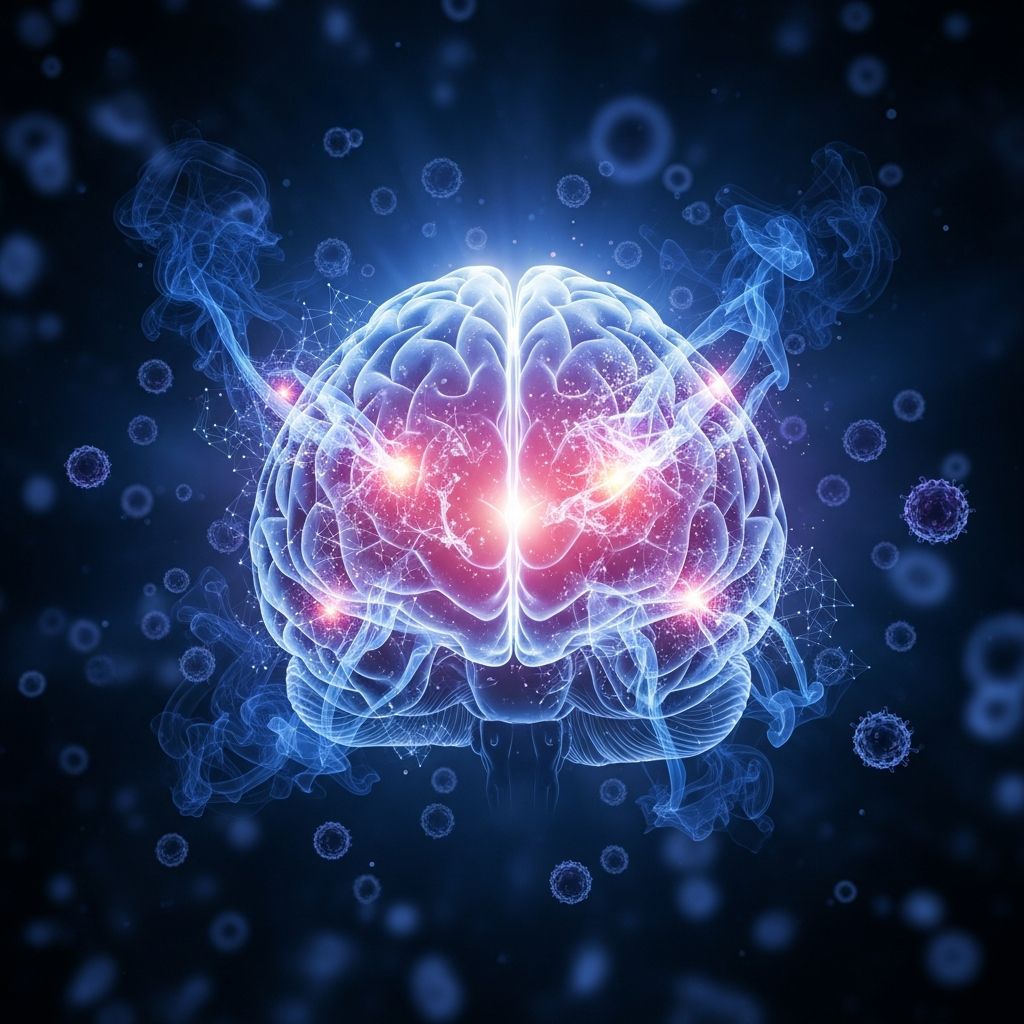
Encephalitis is
inflammation of the brain
, most commonly caused by a viral infection. In the UK, the herpes simplex virus is the leading cause. It typically begins with flu-like symptoms such as high fever, headache, muscle aches, fatigue, and nausea, progressing to severe neurological issues like confusion, drowsiness, and potentially coma.This condition demands prompt medical attention, as delays can lead to life-threatening complications or permanent brain damage. While some individuals recover fully, others experience lasting effects requiring rehabilitation.
What causes encephalitis?
The primary cause of encephalitis is
direct viral infection of the brain tissue
. Herpes simplex virus (HSV), particularly type 1, accounts for most cases in the UK and other developed countries. Other viruses include enteroviruses, varicella-zoster (chickenpox/shingles virus), and arboviruses like Japanese encephalitis or tick-borne encephalitis in endemic areas.In some instances, encephalitis arises indirectly through an
immune-mediated response
. Known as post-infectious or autoimmune encephalitis, the body’s immune system, while fighting a virus, mistakenly attacks brain cells. This can occur after common infections or, rarely, following immunisation. Autoimmune forms, such as anti-NMDAR encephalitis, are increasingly recognised and may present without a clear infectious trigger.Rarely, non-viral pathogens like bacteria (e.g., Listeria), fungi, or parasites cause encephalitis, often in immunocompromised individuals. Toxoplasmosis or amoebic infections are examples in specific populations.
- Viral causes: HSV (most common), VZV, enteroviruses, EBV, CMV.
- Autoimmune: Post-infectious or primary autoimmune (e.g., NMDAR antibodies).
- Other: Bacterial, fungal, parasitic (rare).
Encephalitis symptoms
Symptoms often start subtly with a
viral prodrome
: high temperature (fever), severe headache, muscle aches, tiredness, nausea, and vomiting. As the brain becomes involved, neurological symptoms emerge rapidly—over hours to days.Key brain-related signs include:
- Behavioural changes: confusion, irritability, odd behaviour, personality shifts.
- Drowsiness or altered consciousness, progressing to coma.
- Severe headache, neck stiffness, photophobia (light sensitivity).
- Muscle weakness, paralysis, or sensory loss.
- Seizures (fits), tremors.
- Speech difficulties, movement disorders.
In severe cases, signs of raised intracranial pressure appear: vertigo, worsening nausea, unconsciousness. Infants may show poor feeding, irritability, drowsiness, or seizures.
Autoimmune encephalitis may have a subacute onset with prominent psychiatric features like aggression, memory loss, or hallucinations before neurological decline.
What is the difference between encephalitis and meningitis?
**Encephalitis** specifically involves brain parenchyma inflammation, leading to altered mental status, seizures, and focal deficits.
Meningitis
inflames the meninges (brain/spinal cord coverings), causing fever, headache, neck stiffness, and photophobia, but typically without deep brain involvement.Meningoencephalitis combines both. Viral meningitis is often milder and self-limiting, while encephalitis carries higher mortality and morbidity risks. Differentiation requires clinical assessment and tests like lumbar puncture.
| Feature | Encephalitis | Meningitis |
|---|---|---|
| Main site | Brain tissue | Meninges |
| Key symptoms | Confusion, seizures, coma | Neck stiffness, fever, headache |
| Severity | Often severe, potential permanent damage | Usually milder |
| Common cause | HSV | Enteroviruses, bacteria |
Related Stories



Who gets encephalitis?
Encephalitis affects all ages but is rare, with incidence around 1-2 per 100,000 annually in the UK. Risk factors include:
- Young children and elderly (higher HSV risk).
- Immunocompromised states (HIV, chemotherapy, transplants).
- Travel to endemic areas (e.g., tick-borne in Europe, Japanese encephalitis in Asia).
- Recent viral illness or vaccination (rare autoimmune trigger).
No strong gender bias exists, though some autoimmune types predominate in young females.
How is encephalitis diagnosed?
Diagnosis is challenging due to non-specific early symptoms. It relies on:
- History and exam: Fever, headache, altered consciousness, recent illness.
- Lumbar puncture (LP): CSF analysis for cells, protein, glucose, PCR for viruses (HSV most sensitive).
- Imaging: MRI/CT to detect inflammation, oedema, or temporal lobe involvement (HSV classic).
- EEG: For seizures or encephalopathic patterns.
- Blood tests: Serology, antibodies for autoimmune types.
Brain biopsy is rare, reserved for unclear cases. Prompt suspicion triggers empirical aciclovir.
Encephalitis treatment
Treatment is urgent and supportive:
- Antivirals: IV aciclovir for suspected HSV (life-saving if given early, before coma).
- Autoimmune: Corticosteroids, IVIG, plasmapheresis; rituximab/cyclophosphamide if refractory.
- Supportive: ICU for ventilation, seizure control (e.g., phenytoin), reduce brain swelling (mannitol).
- Other: Antibiotics if bacterial suspected.
Rehabilitation follows: physiotherapy, speech therapy, neuropsychology for cognitive/behavioural issues.
What is the outlook for encephalitis?
Outcomes vary widely:
- Good prognosis: Mild cases or early treatment; 50-70% HSV survivors recover well with aciclovir.
- Poor prognosis: Delayed treatment, coma at onset; mortality 10-30% for HSV, higher for others. Survivors may have neurological deficits: memory loss, epilepsy, weakness, mood changes, fatigue.
- Long-term: Many need rehab; autoimmune types often improve with immunotherapy.
Follow-up monitors seizures, cognition; some achieve independence, others require lifelong support.
Can encephalitis be prevented?
Limited prevention options exist:
- Vaccines: Tick-borne encephalitis vaccine for travellers; Japanese encephalitis vaccine for Asia travel.
- Hygiene: Handwashing, mosquito bite avoidance in endemic areas.
- Early treatment: Aciclovir for herpes zoster to prevent dissemination.
- No routine HSV vaccine; avoid triggers where possible.
Public health measures reduce vector-borne risks.[10]
Frequently Asked Questions (FAQs)
Q: Is encephalitis contagious?
A: No, encephalitis itself is not contagious. It results from brain infection or immune response, not person-to-person brain transmission.
Q: How quickly does encephalitis progress?
A: Symptoms can escalate over hours to days from flu-like illness to severe neurological involvement.
Q: Can children get encephalitis?
A: Yes, especially infants showing poor feeding, irritability, seizures. HSV neonatal encephalitis is serious.
Q: What are long-term effects?
A: Possible memory issues, epilepsy, fatigue, behavioural changes, physical disabilities; rehab helps many.
Q: Is aciclovir always effective?
A: Best for HSV if given early; ineffective against non-herpes viruses or autoimmune types.
References
- Encephalitis: Care Instructions — MyHealth Alberta. 2023. https://myhealth.alberta.ca/Health/aftercareinformation/pages/conditions.aspx?hwid=uh4924
- What is encephalitis? — Encephalitis International. 2024-02. https://www.encephalitis.info/wp-content/uploads/2024/02/What-is-encephalitis-2024-FINAL.pdf
- Encephalitis | Causes and Treatment — Patient.info. 2024. https://patient.info/brain-nerves/encephalitis-leaflet
- Autoimmune encephalitis – Overview — Beacon Health System (Mayo Clinic affiliate). 2023. https://www.beaconhealthsystem.org/library/diseases-and-conditions/autoimmune-encephalitis?content_id=CON-20117612
- Encephalitis Treatment — Royal Buckinghamshire Hospital (NHS-affiliated). 2024. https://www.royalbucks.co.uk/conditions-and-symptoms/encephalitis/
- Encephalitis and Meningoencephalitis — Patient.info Professional. 2024. https://patient.info/doctor/neurology/encephalitis-pro
Similar Articles








Read full bio of Sneha Tete