Encephalitis Symptoms: 12 Severe Signs To Watch
Recognizing the signs of encephalitis early can be lifesaving. Learn the symptoms, causes, and urgent steps to take.
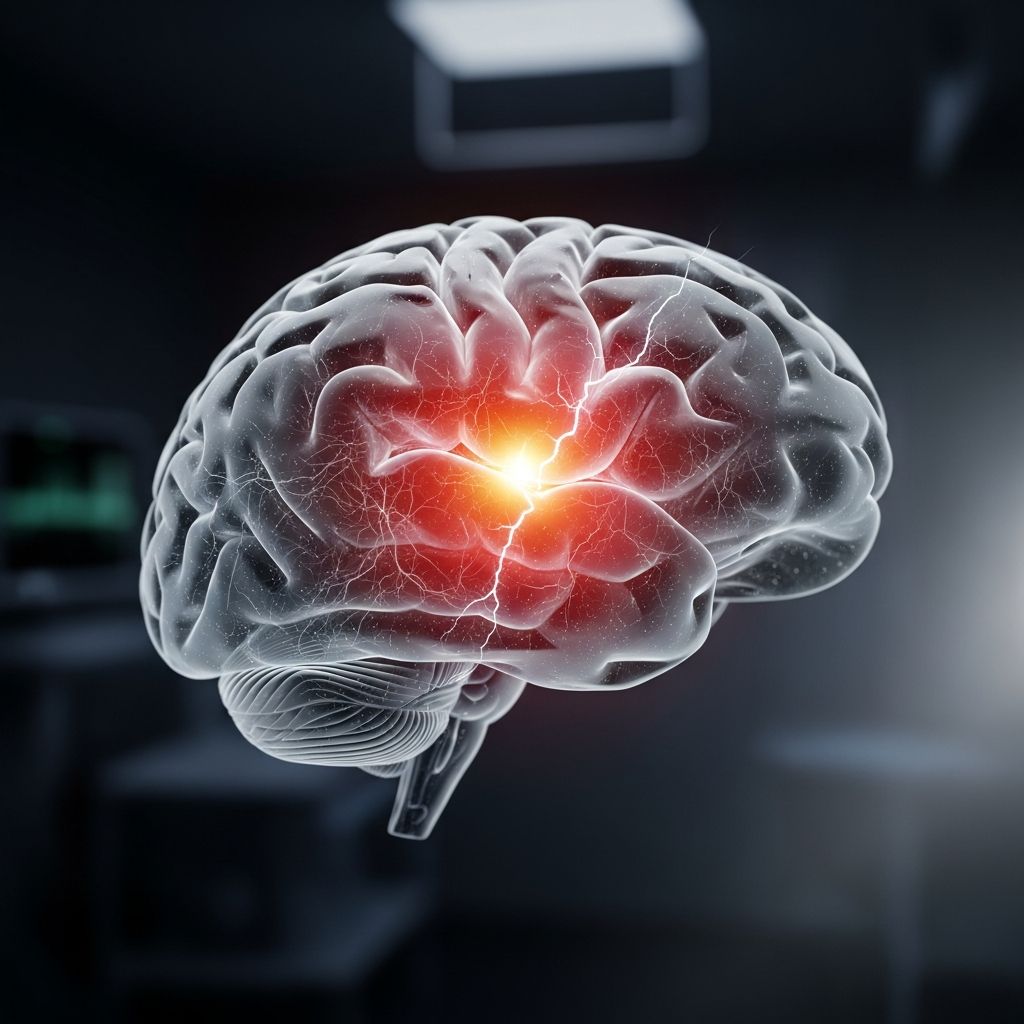
Encephalitis refers to inflammation of the brain tissue, often triggered by viral infections or autoimmune responses, leading to a range of symptoms from mild flu-like illness to life-threatening neurological emergencies.12 While many cases resolve with treatment, severe instances can result in permanent damage or death, making prompt recognition essential.
What Is Encephalitis?
Encephalitis is defined as inflammation of the brain parenchyma, distinguishing it from meningitis, which affects the protective membranes around the brain.3 It can arise from infectious agents like viruses (e.g., herpes simplex, enteroviruses) or non-infectious causes such as autoimmune reactions.26 Globally, encephalitis affects thousands annually, with higher risks in children, older adults, and immunocompromised individuals. The condition often follows a viral illness, but it can strike suddenly without warning.1
Infectious encephalitis typically progresses rapidly over hours to days, while autoimmune forms develop more gradually over weeks.25 Both types disrupt normal brain function, potentially causing swelling that presses on vital areas, leading to severe complications if untreated.
Encephalitis Symptoms
Symptoms of encephalitis vary by severity, age, and underlying cause. Most begin with nonspecific flu-like signs before escalating to neurological involvement.12
Mild Symptoms
Early stages mimic common illnesses:
- Fever
- Headache
- Muscle or joint aches
- Fatigue or weakness
- Poor appetite
- Sore throat
- Nausea or vomiting
These can last days and are often overlooked.13
Severe Symptoms
Progression signals brain involvement and requires immediate care:
- High fever
- Severe headache
- Stiff neck
- Confusion or disorientation
- Personality changes or agitation
- Seizures or convulsions
- Hallucinations
- Speech or hearing difficulties
- Muscle weakness or paralysis
- Loss of coordination or unsteady gait
- Memory loss
- Drowsiness leading to coma
These symptoms can evolve rapidly, with irregular movements, sensory loss, or autonomic instability also reported.26
Symptoms in Infants and Children
Younger patients show subtler signs, complicating diagnosis:
- Bulging fontanel (soft spot)
- Persistent vomiting
- Excessive crying, especially when handled
- Body stiffness or floppiness
- Lethargy or poor feeding
- Irritability
- Fever over 100.4°F (38°C) in infants under 3 months
Parents should watch for reduced activity or feeding refusal, as these demand urgent evaluation.12
Causes of Encephalitis
Over 100 pathogens and immune factors cause encephalitis. Primary categories include:
Infectious Causes
- Viral: Herpes simplex virus (most common in adults), varicella-zoster, enteroviruses, arboviruses (e.g., West Nile, Eastern Equine).2
- Bacterial/Other: Rarely, mycoplasma, Lyme disease, or parasites like toxoplasmosis.3
Autoimmune Encephalitis
The immune system mistakenly attacks brain tissue, often post-infection or linked to tumors (paraneoplastic). Symptoms include psychosis, sleep issues, and movement disorders.26
Risk Factors
- Age extremes (infants, elderly)
- Weakened immunity (HIV, chemotherapy)
- Geographic exposure to mosquitoes/ticks
- Recent viral illness
Anyone can develop encephalitis, but these groups face higher risks.5
Related Stories



When to See a Doctor
Seek emergency care for any combination of fever with neurological changes like confusion, seizures, stiff neck, or severe headache. In children, bulging fontanel, persistent crying, or lethargy warrants immediate attention.14 Do not delay—even mild symptoms progressing to drowsiness or personality shifts signal urgency.
| Symptom | Action |
|---|---|
| Flu-like symptoms alone | Monitor closely; see doctor if worsening |
| Fever + stiff neck/seizures | ER immediately |
| Infant: Bulging spot, poor feeding | ER or pediatrician urgently |
Diagnosis and Treatment
Diagnosis involves:
- Physical/neurological exam
- Lumbar puncture (CSF analysis for pleocytosis)6
- MRI/CT scans for brain inflammation
- EEG for seizure activity
- Blood tests, PCR for pathogens
Treatment targets the cause:
- Antivirals: Acyclovir for herpes.2
- Immunotherapy: Steroids, IVIG for autoimmune cases.
- Supportive: Fever control, anticonvulsants, ventilation if comatose.
Hospitalization in ICU is common for severe cases.
Complications
Untreated encephalitis risks:
- Permanent brain damage (memory, speech, motor)
- Fatigue, weakness
- Personality/mood changes
- Sensory losses (vision, hearing)
- Death (5-30% in severe viral cases)3
Recovery varies; mild cases resolve fully, while others require rehab.2
Prevention
- Vaccines (measles, mumps, rubella, Japanese encephalitis)
- Mosquito repellent in endemic areas
- Hand hygiene to curb viral spread
- Avoid ticks
Early intervention improves outcomes dramatically.5
Frequently Asked Questions (FAQs)
What is the most common cause of encephalitis?
Viral infections, particularly herpes simplex virus, are the leading cause in adults.2
Can encephalitis be cured?
Many cases resolve with prompt antiviral or supportive treatment, but severe damage may persist.3
How quickly does encephalitis progress?
Infectious types worsen in hours to days; autoimmune over weeks.25
Is encephalitis contagious?
The viruses causing it can be (e.g., enteroviruses), but encephalitis itself is not directly transmissible.1
What are long-term effects?
Possible memory issues, fatigue, seizures, or coordination problems.4
This comprehensive overview draws from authoritative sources to equip you with knowledge for early action. Always consult healthcare professionals for personalized advice.
References
- Encephalitis | Nemours KidsHealth — Nemours Foundation. 2023. https://kidshealth.org/en/parents/encephalitis.html
- Encephalitis – Symptoms and causes — Mayo Clinic. 2024-01-15. https://www.mayoclinic.org/diseases-conditions/encephalitis/symptoms-causes/syc-20356136
- Encephalitis: Causes, Symptoms, Treatment — eMedicineHealth. 2024. https://www.emedicinehealth.com/encephalitis/article_em.htm
- Encephalitis: MedlinePlus Medical Encyclopedia — MedlinePlus (NIH). 2023-11-08. https://medlineplus.gov/ency/article/001415.htm
- Encephalitis: What It Is, Causes, Symptoms — Cleveland Clinic. 2024. https://my.clevelandclinic.org/health/diseases/6058-encephalitis
- Encephalitis: diagnosis, management and recent advances — Oxford Academic (Postgraduate Medical Journal). 2023-08-01. https://academic.oup.com/pmj/article/99/1174/815/7227945
Similar Articles








Read full bio of medha deb