Encephalopathy: What It Is, Symptoms, Types & Treatment
Understanding encephalopathy: causes, symptoms, diagnosis and treatment options explained.
Understanding Encephalopathy: A Comprehensive Guide
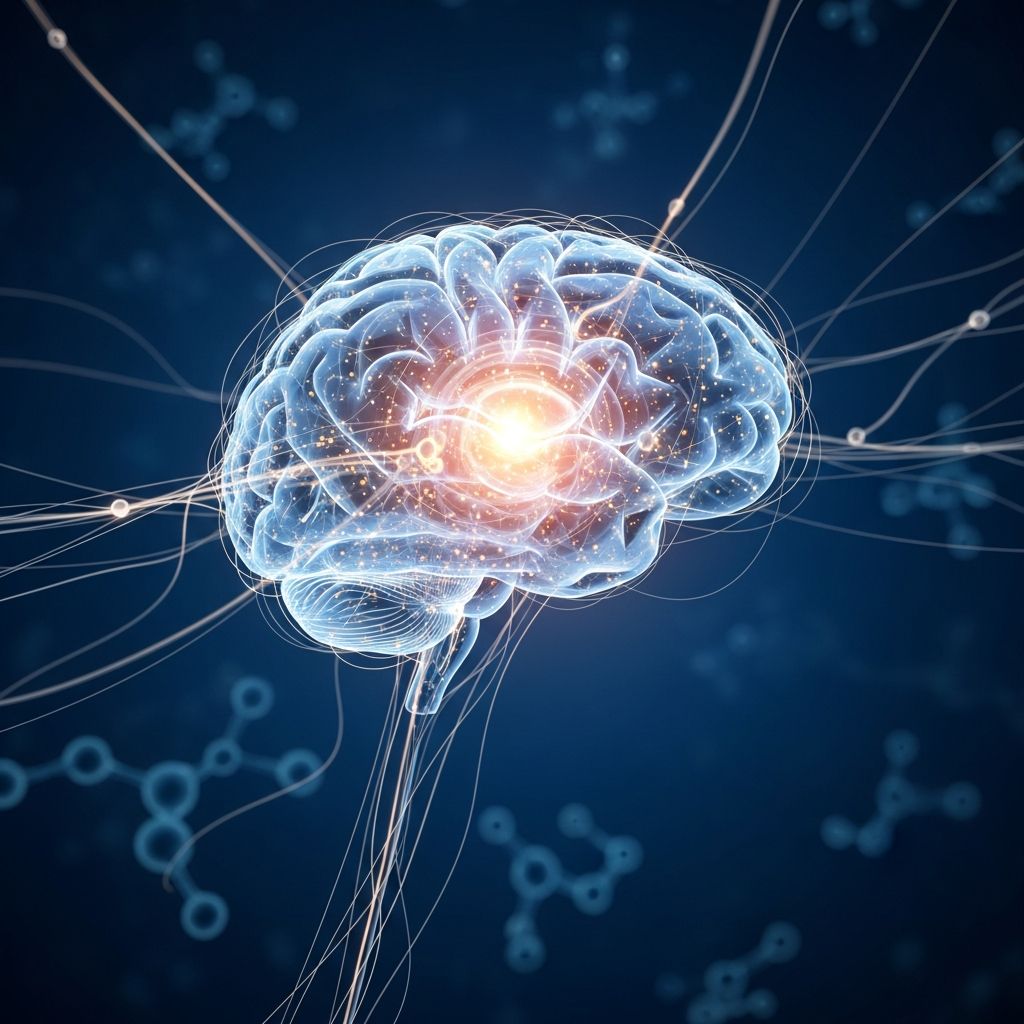
Encephalopathy is a broad medical term that describes a disturbance of brain function resulting in altered mental status. This condition can range from mild cognitive impairment to severe neurological complications including confusion, memory loss, and in the most severe cases, coma. The term encompasses various underlying causes that affect how the brain operates, making it essential for patients and healthcare providers to understand its manifestations and management strategies. Encephalopathy is not a single disease but rather a symptom complex indicating that something is affecting the normal functioning of the brain.
What is Encephalopathy?
Encephalopathy refers to any condition that causes changes in how your brain works. Unlike encephalitis, which specifically involves inflammation of the brain tissue, encephalopathy is a broader category encompassing various disturbances in brain function. These disturbances can be acute, occurring suddenly, or chronic, developing gradually over time. The condition can affect multiple aspects of neurological function, including cognition, behavior, consciousness, and motor control. Understanding that encephalopathy is a symptom of an underlying condition rather than a disease itself is crucial for proper diagnosis and treatment.
The brain’s function depends on maintaining proper balance of various metabolic, chemical, and electrical processes. When these processes are disrupted due to organ dysfunction, infections, toxins, or other factors, encephalopathy can develop. The severity and presentation depend on the underlying cause and the extent of brain function disruption.
Common Symptoms of Encephalopathy
The symptoms of encephalopathy vary depending on the severity and underlying cause, but several common manifestations characterize this condition:
Cognitive and Mental Symptoms
Patients with encephalopathy frequently experience confusion, disorientation in time and space, memory problems, and difficulty concentrating. These cognitive changes can range from subtle to severe, affecting the patient’s ability to perform daily activities and recognize familiar people or places.
Behavioral and Emotional Changes
Personality changes, inappropriate behavior, agitation, and emotional instability are common presentations. Patients may exhibit irritability, aggression, or unusual behavioral patterns that deviate significantly from their baseline personality.
Physical and Neurological Symptoms
Motor coordination problems, tremors, muscle weakness, and involuntary movements may occur. In more severe cases, patients can experience seizures, muscle rigidity, and hyperreflexia. Slurred speech and difficulty with coordination are also frequently observed.
Consciousness Alterations
Encephalopathy can cause lethargy, drowsiness, and in severe cases, profound changes in consciousness ranging from somnolence to complete coma. The level of consciousness often correlates with the severity of the condition.
Types of Encephalopathy
Encephalopathy encompasses several distinct types, each with different underlying causes and treatment approaches:
Hepatic Encephalopathy
Hepatic encephalopathy describes a spectrum of potentially reversible neuropsychiatric abnormalities seen in patients with liver dysfunction. This condition develops when the liver cannot adequately process toxins, particularly ammonia, leading to their accumulation in the blood and subsequent effects on brain function. Hepatic encephalopathy can be graded in severity from Stage 0 (minimal hepatic encephalopathy with normal consciousness and intellect but possible impaired psychomotor testing) to Stage 4 (coma with decerebrate posturing). The condition is more common in patients with cirrhosis or acute liver failure and represents a serious complication requiring immediate medical intervention.
Related Stories



Metabolic Encephalopathy
Metabolic encephalopathy results from changes in brain function due to underlying metabolic conditions or organ failure. Common causes include hypoglycemia, electrolyte imbalances, anoxia, hypercarbia, and uremia. This type represents one of the most common forms of encephalopathy and is often reversible when the underlying metabolic abnormality is corrected. The condition develops when the brain lacks essential nutrients or oxygen, or when toxins accumulate due to organ dysfunction.
Autoimmune Encephalitis
Autoimmune encephalitis is considered a rare and difficult-to-diagnose condition where the immune system mistakenly attacks brain tissue, causing inflammation and dysfunction. This type presents with a subacute onset of neurological symptoms including cognitive impairment, seizures, and sometimes psychiatric symptoms. Autoimmune encephalitis requires specialized diagnostic workup and prompt treatment to prevent permanent neurological damage.
Other Types
Additional types include infectious encephalopathy (from viral, bacterial, or parasitic infections), toxic encephalopathy (from drug toxicity or environmental toxins), and post-infectious encephalopathy (following certain infections). Each type requires specific diagnostic approaches and targeted treatment strategies.
Causes and Risk Factors
The causes of encephalopathy are diverse and depend on the type involved. Hepatic encephalopathy results from liver disease and cirrhosis. Metabolic encephalopathy can stem from kidney failure, diabetes complications, liver disease, respiratory failure, or electrolyte disturbances. Autoimmune encephalitis may be associated with certain cancers or occur as a primary autoimmune condition. Infectious causes include meningitis, viral encephalitis, and various intracranial infections. Differential diagnoses of encephalopathy must exclude intracranial lesions such as subdural hematoma, intracranial bleeding, stroke, tumor, and abscess, as well as metabolic causes and infections.
Diagnosis of Encephalopathy
Diagnosing encephalopathy involves a systematic approach combining clinical assessment with appropriate diagnostic testing. The diagnostic approach comprises exclusion of other causes of encephalopathy, identification of the precipitating cause, and a trial of empiric treatment. A rapid response to empiric treatment confirms a diagnosis, whereas lack of response within 72 hours indicates that further diagnostic options should be considered.
Clinical Assessment
Careful patient history and physical examination form the foundation of diagnosis. Healthcare providers compare the patient’s current mental status to their baseline mental status to identify changes. The clinical presentation typically includes altered mental status, confusion, cognitive impairment, and behavioral changes.
Laboratory Testing
Standard laboratory evaluation should include assessment of serum electrolytes, liver and kidney function tests, complete blood count (CBC), coagulation assays, and infectious disease workup. Additional specialized testing may include neural antibody testing, cerebrospinal fluid analysis, and specific markers depending on the suspected type of encephalopathy.
Imaging Studies
Although encephalopathy will not typically show abnormalities on imaging, patients with altered mental status should undergo computed tomography (CT) scanning to rule out hemorrhage or edema. Magnetic resonance imaging (MRI) may be helpful, particularly in suspected autoimmune encephalitis to identify classical features of limbic encephalitis.
Electroencephalography
Electroencephalography (EEG) changes associated with encephalopathy include high-amplitude low-frequency waves and triphasic waves. While these findings are not specific for encephalopathy, EEG may be helpful when seizure activity must be ruled out in the initial workup of a patient with altered mental status. EEG studies are not required to make a confident diagnosis of encephalopathy but can provide valuable supporting information.
Treatment Approaches
Treatment for encephalopathy focuses on managing the underlying condition or organ failure that caused the symptoms and addressing associated side effects. The specific approach varies depending on the type and underlying cause.
General Management Measures
Patients require care in a quiet, stress-free environment, typically in a hospital setting. Healthcare teams provide supportive care including monitoring of vital signs, maintaining proper nutrition, and preventing complications from prolonged bed rest. When safe, patients are encouraged to get out of bed and move around under observation. Sedatives and narcotics should generally be avoided as they can worsen mental status.
Treatment of Underlying Causes
For hepatic encephalopathy, treatment involves managing liver disease and correcting precipitating factors. For metabolic encephalopathy, treatment focuses on correcting the underlying metabolic abnormality, whether that involves blood glucose management, electrolyte correction, or organ support. For autoimmune encephalitis, first-line therapies include high-dose intravenous corticosteroids, intravenous immunoglobulin, or plasmapheresis, which may be used sequentially or in combination.
Specific Therapies for Autoimmune Encephalitis
Intravenous methylprednisolone at 1 gram daily for five days followed by oral prednisone is commonly used. Intravenous immunoglobulin at 400mg/kg/day for five days represents another first-line option. Plasmapheresis involving 5-7 exchanges over 10-14 days may also be employed. Once infectious etiologies are reasonably excluded, empiric treatment may be appropriate, especially in severe cases.
Severe Cases
Tracheal intubation should be considered in patients with severe hepatic encephalopathy (Stage 3 or 4). A nasogastric tube is placed for patients in deep encephalopathy to ensure adequate nutrition and medication delivery. In severe cases of acute liver failure, many patients ultimately require orthotopic liver transplant.
Long-term Management and Complications
Long-term sequelae from encephalopathy can significantly impact quality of life. Common complications include neurocognitive symptoms such as impaired concentration, memory problems, and processing speed difficulties. Mood disorders, sleeping difficulties, seizures, and fatigue are commonly observed in recovery. A multidisciplinary approach is recommended to help patients manage these complications and may include consultations with occupational therapy, speech therapy, neuropsychology, social work, and psychology.
Disease monitoring is primarily based on clinical history and examination combined with objective measures such as validated bedside cognitive tests like the Montreal Cognitive Assessment (MoCA), formal neuropsychological testing, EEG monitoring, and in some cases serial neuroimaging. Neuropsychological testing is useful for quantifying cognitive impairment and has been applied for diagnosis and monitoring for more than 50 years.
When to Seek Immediate Care
Any symptoms of overt hepatic encephalopathy or severe encephalopathy are serious and require prompt treatment to prevent worsening or permanent damage. Grade 3 symptoms including severe drowsiness, confusion, amnesia, disorientation in space and time, or involuntary movements demand especially urgent treatment. Severe encephalopathy can advance to coma or even death if not properly managed.
Frequently Asked Questions
Q: Is encephalopathy reversible?
A: Many cases of encephalopathy are potentially reversible, particularly metabolic and hepatic encephalopathy when the underlying cause is identified and treated promptly. However, severe or prolonged encephalopathy can result in permanent brain damage. Early diagnosis and treatment significantly improve the chances of full recovery.
Q: How does hepatic encephalopathy differ from metabolic encephalopathy?
A: Hepatic encephalopathy specifically results from liver dysfunction and the accumulation of toxins like ammonia. Metabolic encephalopathy results from various metabolic disturbances including kidney failure, electrolyte imbalances, or diabetes complications. While both affect brain function, their underlying causes and treatment approaches differ.
Q: Can encephalopathy cause permanent damage?
A: Prolonged or severe encephalopathy can result in permanent neurological damage including persistent cognitive impairment, memory loss, or motor dysfunction. Early recognition and aggressive treatment are crucial to minimize the risk of permanent complications.
Q: What tests are essential for diagnosing encephalopathy?
A: Essential tests include serum electrolytes, liver and kidney function tests, complete blood count, and CT imaging to exclude intracranial lesions. Additional testing depends on the suspected cause and may include cerebrospinal fluid analysis, EEG, MRI, and specialized antibody testing for suspected autoimmune encephalitis.
Q: How long does recovery from encephalopathy typically take?
A: Recovery time varies depending on the type, severity, and underlying cause of encephalopathy. Mild cases may resolve within days to weeks with appropriate treatment, while severe cases may require months of recovery with ongoing rehabilitation and neuropsychological support.
References
- Diagnosis and Management of Autoimmune Encephalitis — Cleveland Clinic. 2024. https://my.clevelandclinic.org/departments/neurological/depts/multiple-sclerosis/ms-approaches/diagnosis-and-management-of-autoimmune-encephalitis
- Hepatic Encephalopathy — Cleveland Clinic. 2024. https://my.clevelandclinic.org/departments/digestive/medical-professionals/hepatology/hepatic-encephalopathy
- Hepatic Encephalopathy: Symptoms, Causes, Grading & Treatment — Cleveland Clinic. 2024. https://my.clevelandclinic.org/health/diseases/21220-hepatic-encephalopathy
- Metabolic Encephalopathy: What It Is, Causes & Symptoms — Cleveland Clinic. 2024. https://my.clevelandclinic.org/health/diseases/metabolic-encephalopathy
- Encephalopathy: What It Is, Symptoms, Types & Treatment — Cleveland Clinic. 2024. https://my.clevelandclinic.org/health/diseases/encephalopathy
- Current Challenges in Encephalopathy Documentation and Coding — American Health Information Management Association. 2024. https://ahisp.ahima.org/Page/current-challenges-in-encephalopathy-documentation-and-coding
- Autoimmune Encephalitis: A Practical Guide to Diagnosis and Management — Cleveland Clinic Podcasts. 2024. https://my.clevelandclinic.org/podcasts/neuro-pathways/autoimmune-encephalitis-a-practical-guide-to-diagnosis-and-management
Similar Articles








Read full bio of medha deb