End-Stage Renal Failure: Causes, Symptoms & Treatment
Complete guide to end-stage renal failure: understanding causes, recognizing symptoms, and exploring treatment options.
Understanding End-Stage Renal Failure
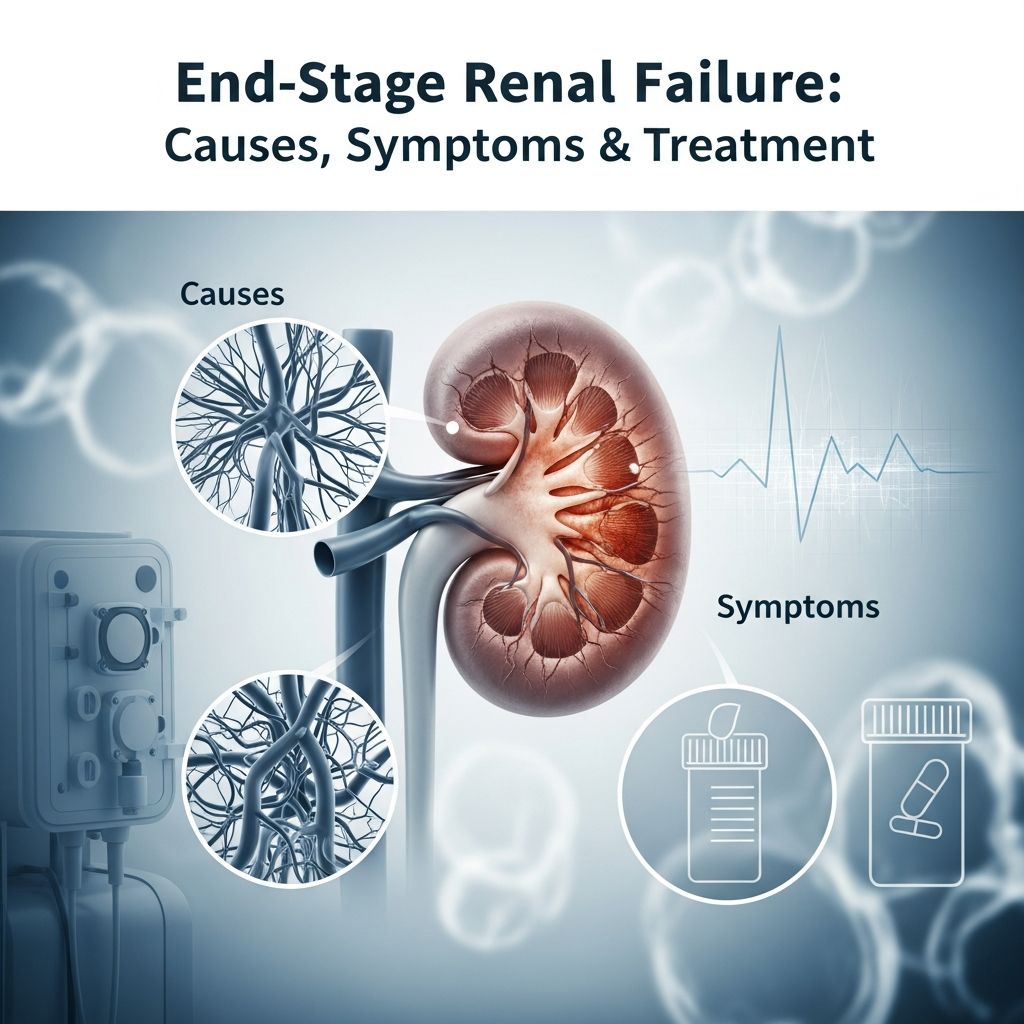
End-stage renal failure, also known as end-stage renal disease (ESRD) or kidney failure, represents the final stage of chronic kidney disease. At this critical stage, the kidneys have lost approximately 85-90% of their function and can no longer adequately filter waste products and excess fluid from the blood. When kidney function declines to this level, the accumulation of toxins and fluids in the body becomes life-threatening, requiring immediate medical intervention. Understanding this condition is crucial for patients and families facing this diagnosis, as it significantly impacts quality of life and treatment decisions.
What Causes End-Stage Renal Failure?
End-stage renal failure develops as a result of progressive kidney damage from chronic kidney disease. Multiple underlying conditions can lead to this serious complication. The most common causes vary by region but typically include metabolic and vascular disorders.
Primary Causes of ESRD
Diabetes mellitus stands as the leading cause of end-stage renal failure in both developed and developing countries. High blood pressure represents the second most common cause, as sustained hypertension damages the delicate blood vessels within the kidneys over time. These two conditions account for the majority of ESRD cases in clinical practice.
Other Contributing Conditions
Beyond diabetes and hypertension, several other medical conditions can progress to kidney failure:
– Heart disease and cardiovascular complications- Glomerulonephritis and primary glomerular diseases- Polycystic kidney disease, an inherited condition characterized by fluid-filled cysts developing in the kidneys- Recurrent or chronic kidney infections and pyelonephritis- Persistent kidney stones- Systemic autoimmune conditions such as lupus- Prolonged urinary tract obstruction from conditions like enlarged prostate or certain cancers- Vesicoureteral reflux, where urine abnormally backs up into the kidneys
Specific Glomerular Diseases
Certain primary glomerular diseases require specialized attention, including membranous nephropathy, Alport syndrome, immunoglobulin A nephropathy, focal and segmental glomerulosclerosis, minimal change disease, membranoproliferative glomerulonephritis, and complement-related diseases such as atypical hemolytic-uremic syndrome and C3 glomerulopathy.
Recognizing the Symptoms of End-Stage Renal Failure
As kidney function deteriorates, patients experience a range of symptoms resulting from the buildup of uremic toxins and electrolyte imbalances. Recognizing these warning signs is essential for seeking timely medical care.
General Symptoms
Patients commonly experience persistent fatigue and weakness that interferes with daily activities. A general feeling of malaise accompanies the physical exhaustion. Loss of appetite becomes pronounced, often accompanied by a metallic taste in the mouth that makes eating unpleasant.
Gastrointestinal Symptoms
Nausea and vomiting are frequent complaints, particularly in advanced stages of the disease. These symptoms can lead to decreased oral intake and nutritional deficiencies. Some patients experience abdominal distension and bloating.
Neurological and Mental Changes
Decreased alertness and mental confusion represent serious neurological manifestations of uremia. Patients may experience difficulty concentrating, personality changes, headaches, and in severe cases, seizures. The accumulation of uremic toxins can cause cerebral atrophy and osmotic demyelination syndrome, leading to brain cell dysfunction.
Respiratory and Cardiovascular Symptoms
Shortness of breath occurs due to fluid accumulation in the lungs, a condition called pulmonary edema. Chest pain may develop if fluid builds up around the heart. Some patients experience pericarditis, an inflammation of the membrane surrounding the heart.
Related Stories



Fluid and Electrolyte-Related Symptoms
Significant changes in urination patterns occur, with patients experiencing either decreased urine output or changes in urine consistency. Foaming urine indicates the presence of excessive protein. Fluid retention leads to visible swelling in the arms and legs, elevated blood pressure, and dangerous elevations in potassium levels, known as hyperkalemia.
Dermatological Symptoms
Intense itching (pruritus) and dry skin become bothersome complications. Some patients develop rashes or other skin manifestations related to uremic toxins.
Additional Systemic Effects
Other symptoms include cold intolerance, unexplained weight gain or loss, anemia-related symptoms, bone pain from weakened bones, decreased sex drive and erectile dysfunction, and an overall increased susceptibility to infections due to immune system compromise.
How End-Stage Renal Failure Develops
Understanding the progression from chronic kidney disease to end-stage renal failure helps patients recognize the importance of early intervention. Kidney function is assessed using the glomerular filtration rate (GFR), which measures how efficiently the kidneys filter waste.
Stages of Kidney Disease Progression
Chronic kidney disease develops gradually over time, typically progressing over at least three months. As the GFR drops below 15 mL/min/1.73 m², kidney function progressively worsens, signaling the onset of end-stage renal disease. Early detection and aggressive management of the underlying cause—such as controlling blood pressure to below 130/80 mm Hg in patients with proteinuria—can slow disease progression.
The Adaptive Response
When kidney tissue is damaged, the remaining functional nephrons attempt to compensate through adaptive mechanisms, continuing normal clearance of plasma solutes. However, this adaptive response eventually exhausts itself, causing damage to the glomeruli of remaining nephrons and leading to proteinuria. At this point, medications such as angiotensin-converting enzyme inhibitors (ACEIs) or angiotensin receptor blockers (ARBs) may help slow progression and preserve remaining renal function.
Treatment Options for End-Stage Renal Failure
Although chronic kidney disease has no cure, multiple evidence-based treatment approaches can extend life and improve quality of life. Treatment decisions depend on patient preference, overall health status, and clinical factors.
Dialysis Therapy
Dialysis artificially performs the kidney’s filtration function when kidney function becomes critically impaired. This treatment removes excess salt, water, waste products, and helps maintain safe mineral and vitamin levels while controlling blood pressure and supporting red blood cell production.
Hemodialysis
In hemodialysis, blood is filtered through a dialysis machine using a vascular access point. This procedure typically occurs three times weekly for three to five hours per session. The nephrologist determines the appropriate dialysis modality based on patient preferences and vascular access options.
Peritoneal Dialysis
Peritoneal dialysis uses the peritoneal membrane within the abdomen as a filter, allowing patients greater flexibility and independence. This treatment can often be performed at home, making it an attractive option for many patients.
Kidney Transplantation
Kidney transplantation is often considered the treatment of choice for end-stage renal disease compared with a lifetime on dialysis. This surgical procedure involves removing the damaged kidney and replacing it with a healthy kidney from a donor. Transplants can come from deceased or living donors, with living donor transplants often showing better long-term outcomes.
Complementary Medical Management
Additional treatments support dialysis or transplantation and manage complications:
– Blood pressure management medications to prevent further kidney damage- Phosphate binders to prevent dangerous elevation of blood phosphorous levels- Extra calcium and vitamin D supplementation under medical supervision- Treatment for anemia through dietary iron, iron supplements or injections, erythropoietin therapy, or blood transfusions- Specialized diet modifications to control sodium, potassium, and fluid intake- Fluid management strategies to treat metabolic acidosis
Conservative Management
Some patients choose conservative care, focusing on symptom management and quality of life rather than pursuing dialysis or transplantation. This approach aims to maintain comfort and dignity during the remaining time.
Comparing Acute and Chronic Kidney Failure
Understanding the distinction between acute and chronic kidney failure helps clarify treatment approaches:
| Characteristic | Acute Kidney Failure | Chronic Kidney Failure |
|---|---|---|
| Onset | Abrupt and sudden | Gradual, developing over months or years |
| Cause | Illness, injury, or medication toxicity | Diabetes, hypertension, glomerulonephritis, polycystic kidney disease |
| Reversibility | Potentially reversible with treatment | Usually irreversible, progresses to ESRD |
| Progression | Can progress to CKD if severe | Progresses to ESRD requiring dialysis or transplant |
| Dialysis Use | Short-term until recovery of kidney function | Long-term, often until kidney transplant |
Complications of End-Stage Renal Failure
Without appropriate treatment, end-stage renal failure leads to serious, life-threatening complications. These complications result partly from accumulation of uremic toxins, though the exact cause-and-effect relationships continue to be studied in medical research.
Cardiovascular Complications
Heart disease develops frequently in ESRD patients. Fluid retention can cause dangerous rises in blood pressure and pulmonary edema. Hyperkalemia can impair heart function and trigger life-threatening arrhythmias. Pericarditis represents a specific inflammatory complication.
Metabolic Complications
Weak bones and increased fracture risk result from electrolyte imbalances and mineral metabolism dysfunction. Anemia develops due to decreased erythropoietin production. Malnutrition occurs from persistent nausea, vomiting, and loss of appetite.
Neurological Complications
Seizures, dementia from cerebral atrophy, and osmotic demyelination syndrome represent serious neurological consequences. Decreased immune response increases infection vulnerability.
Reproductive Complications
Decreased sex drive, erectile dysfunction, reduced fertility, and pregnancy complications with risks to both mother and fetus occur with ESRD.
Importance of Early Detection and Specialist Referral
Vigilant monitoring of GFR and proteinuria in both diabetic and non-diabetic patients is essential for managing chronic kidney disease progression. Early referral to nephrology specialists enables timely planning for dialysis initiation or kidney transplant evaluation, improving long-term outcomes and quality of life.
Living with End-Stage Renal Failure
With appropriate treatment and medical management, patients with end-stage renal failure can live longer and productive lives. Dialysis treatments or a transplanted kidney take over the work of damaged kidneys, removing wastes and extra fluid that improve many symptoms. Adherence to prescribed medications, dietary restrictions, and medical appointments significantly impacts treatment success and overall health outcomes.
Frequently Asked Questions About End-Stage Renal Failure
Q: What is the difference between end-stage renal failure and chronic kidney disease?
A: Chronic kidney disease is the progressive loss of kidney function over time, while end-stage renal failure (stage 5 CKD) is the final stage where kidney function has declined to below 15% and treatment with dialysis or transplantation becomes necessary for survival.
Q: Can end-stage renal failure be cured?
A: There is no cure for chronic kidney disease or end-stage renal failure. However, dialysis, kidney transplantation, and medical management can extend life and improve quality of life significantly.
Q: How long can someone live with end-stage renal failure?
A: Life expectancy depends on age at diagnosis, overall health, treatment type, and adherence to medical recommendations. With appropriate treatment, many patients live 10-20 years or more, though individual outcomes vary considerably.
Q: Is a kidney transplant better than dialysis?
A: Kidney transplantation is often considered the treatment of choice compared with a lifetime on dialysis, as it generally provides better long-term health outcomes and quality of life. However, the best option depends on individual circumstances and medical suitability.
Q: What dietary restrictions are necessary with end-stage renal failure?
A: Patients typically need to restrict sodium, potassium, and phosphorus intake, and often must limit fluid consumption. A nephrologist or renal dietitian provides personalized dietary recommendations based on individual lab values and treatment type.
Q: Can medications prevent progression to end-stage renal failure?
A: While end-stage failure cannot always be prevented, early treatment with blood pressure medications, particularly ACEIs or ARBs, can slow kidney disease progression in some patients when combined with careful management of underlying conditions like diabetes and hypertension.
Q: What should I do if I suspect I have kidney disease?
A: Seek prompt medical evaluation from your primary care physician or a nephrologist. Early detection through blood tests (GFR, creatinine) and urine tests (proteinuria) enables earlier intervention and better management of disease progression.
References
- End-Stage Renal Failure: Causes, Symptoms & Treatment — Tampa General Hospital. 2024. https://www.tgh.org/institutes-and-services/conditions/end-stage-renal-failure
- End-Stage Renal Disease (ESRD): Symptoms, Causes and Treatment — PACE Hospital. 2024. https://www.pacehospital.com/kidney-failure-end-stage-renal-disease-symptoms-causes-treatment
- End-Stage Renal Disease — National Center for Biotechnology Information, StatPearls. 2024. https://www.ncbi.nlm.nih.gov/books/NBK499861/
- End-Stage Renal Disease: Symptoms and Causes — Mayo Clinic. 2024. https://www.mayoclinic.org/diseases-conditions/end-stage-renal-disease/symptoms-causes/syc-20354532
- End-Stage Kidney Disease — Penn Medicine. 2024. https://www.pennmedicine.org/conditions/end-stage-kidney-disease
- Kidney Failure (ESRD): Symptoms, Stages, & Treatment — National Kidney Foundation. 2024. https://www.kidney.org/kidney-topics/kidney-failure
- End-Stage Renal Disease: Diagnosis and Treatment — Mayo Clinic. 2024. https://www.mayoclinic.org/diseases-conditions/end-stage-renal-disease/diagnosis-treatment/drc-20354538
Similar Articles








Read full bio of medha deb