Endo Belly: Understanding Endometriosis-Related Bloating
Comprehensive guide to endo belly: causes, symptoms, and effective management strategies.
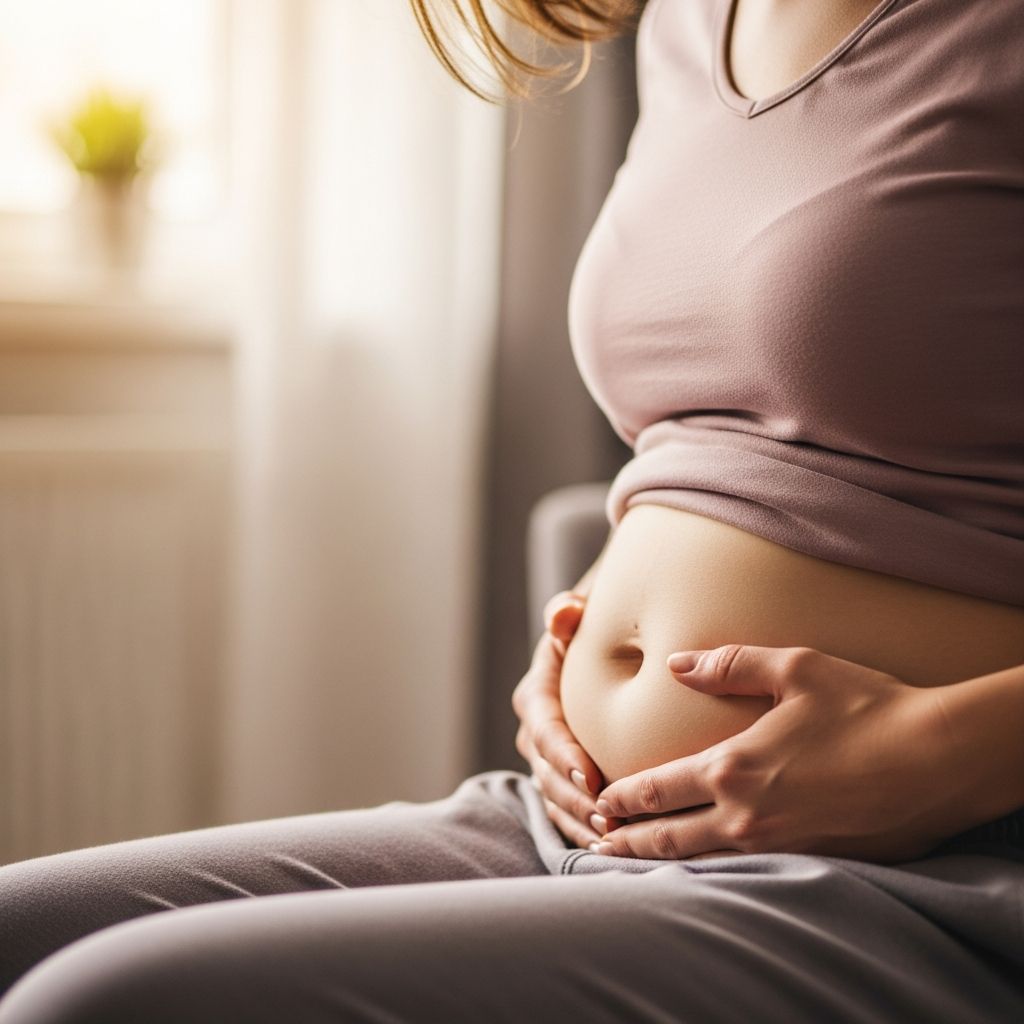
Endo belly is a term used to describe the painful and often severe abdominal bloating associated with endometriosis. While not an official medical term, it has become widely recognized among those living with this chronic condition. The bloating can be particularly distressing because it is often visible, firm to the touch, and may make the abdomen appear noticeably larger—sometimes resembling pregnancy. Understanding the causes, symptoms, and available treatment options is essential for individuals seeking relief from this uncomfortable manifestation of endometriosis.
What Is Endo Belly?
Endo belly refers to the abdominal bloating and swelling that occurs as a result of endometriosis. The bloating is typically painful and can range from mild to severe. Many people with endo belly describe their abdomen as feeling tight, swollen, and visibly enlarged. This symptom often occurs before or during menstrual periods and can persist anywhere from a few hours to several weeks, significantly impacting daily life and overall well-being.
The visibility of endo belly distinguishes it from many other endometriosis symptoms. Unlike pelvic pain or infertility, which may not be apparent to others, the abdominal swelling is often noticeable and can lead to social discomfort or embarrassment. Some individuals report that others comment on their appearance or assume they are pregnant, adding an emotional component to the physical symptoms.
Understanding Endometriosis
To understand endo belly, it is important to first understand endometriosis itself. Endometriosis is a chronic condition in which tissue similar to the uterine lining (endometrium) grows outside the uterus. This tissue can develop on various reproductive structures, including the fallopian tubes, ovaries, and the outer surface of the uterus. In some cases, it may even spread to non-reproductive areas such as the bowels, bladder, or the lining of the abdominal cavity.
Typically, the endometrial tissue inside the uterus builds up and sheds each month during menstruation. However, the endometrial-like tissue that grows outside the uterus also builds up and sheds but has no way to exit the body. This creates a cycle of inflammation, tissue accumulation, and scar formation that can lead to various symptoms, including the characteristic abdominal bloating known as endo belly.
Causes of Endo Belly
Endo belly develops through several interconnected mechanisms related to endometriosis:
- Inflammation: The endometrial-like tissue outside the uterus triggers inflammatory responses in the abdomen. This inflammation causes the abdominal tissues to swell and become distended, creating the visible bloating characteristic of endo belly.
- Tissue Buildup: As endometrial tissue accumulates outside the uterus, it can physically occupy space within the abdominal cavity, causing visible enlargement and a feeling of fullness or pressure.
- Ovarian Cysts: When endometrial-like tissue covers or invades the ovaries, it can trap blood and form ovarian cysts. These cysts contribute to abdominal swelling and discomfort.
- Gas and Digestive Issues: Endometriosis frequently causes gastrointestinal complications such as gas, bloating, constipation, and diarrhea. These digestive symptoms contribute significantly to the overall abdominal distension experienced with endo belly.
- Fibroids and Adhesions: Endometriosis can lead to the formation of fibroids (benign growths) and adhesions (scar tissue that binds organs together), both of which can contribute to abdominal bloating.
Symptoms of Endo Belly
The primary symptom of endo belly is abdominal bloating and swelling. However, this visible symptom often accompanies other manifestations of endometriosis:
- Visible abdominal swelling or enlargement
- Firmness or tightness in the abdominal area
- Abdominal pain or discomfort
- Excessive gas and bloating
- Constipation or diarrhea
- Nausea
- Heavy or prolonged menstrual periods
- Pelvic pain and cramping
- Lower back pain
- Pain during intercourse
- Fatigue
Endo belly symptoms often fluctuate throughout the menstrual cycle, typically worsening in the days leading up to and during menstruation. The severity and duration of symptoms vary significantly among individuals, and some may experience relief at certain times of the month while others deal with persistent bloating.
Related Stories



Diagnosis Challenges
One significant challenge with endometriosis and endo belly is obtaining an accurate diagnosis. The symptoms of endometriosis overlap considerably with those of other gastrointestinal disorders, particularly irritable bowel syndrome (IBS). Because of these similarities, healthcare providers may misdiagnose or overlook endometriosis entirely, attributing symptoms to digestive issues instead.
Research indicates that it can take between 4 to 11 years for individuals to receive a correct endometriosis diagnosis. Additionally, as many as 6 in 10 cases of endometriosis may remain undiagnosed altogether. This diagnostic delay means many people suffer unnecessarily without receiving appropriate treatment or management strategies specifically tailored to their condition.
Treatment and Management Options
Treating endo belly typically involves addressing the underlying endometriosis. The most suitable treatment approach depends on various individual factors, including age, severity of pain, desire for pregnancy, and response to previous treatments.
Pain Relief Medications
For individuals experiencing mild to moderate pain associated with endo belly, over-the-counter (OTC) pain medications may provide relief. Nonsteroidal anti-inflammatory drugs (NSAIDs) such as ibuprofen or naproxen can help reduce both pain and inflammation. For more severe pain, healthcare providers may prescribe stronger pain medications or other pharmaceutical options to manage symptoms more effectively.
Hormonal Treatments
Hormonal therapies work by regulating or suppressing the hormonal fluctuations that drive endometrial tissue growth. These treatments can significantly reduce the buildup of tissue, thereby alleviating endo belly and other endometriosis symptoms. Common hormonal options include birth control pills, progestin-only medications, and gonadotropin-releasing hormone (GnRH) agonists.
Surgical Interventions
For individuals with severe, treatment-resistant endo belly and endometriosis pain, surgical options may be considered. Laparoscopic surgery allows surgeons to visualize, diagnose, and remove endometrial lesions, cysts, and scar tissue. In cases where other treatments have failed and the individual does not plan to become pregnant, a hysterectomy (removal of the uterus) may be recommended as a last-resort option.
Dietary and Lifestyle Modifications
Making targeted dietary changes can help manage endo belly symptoms. Since endometriosis often involves inflammation and digestive issues, reducing inflammatory foods, increasing fiber intake (when constipation is an issue), and staying well-hydrated may provide relief. Additionally, stress management, regular gentle exercise, and adequate sleep support overall symptom management.
At-Home Management Strategies
Several practical approaches can help individuals manage endo belly symptoms at home:
- Heat Therapy: Applying heating pads to the lower abdomen or pelvic area can reduce pain and ease cramping associated with endo belly.
- Gentle Exercise: Low-impact activities such as walking, yoga, or swimming may help reduce bloating and improve overall well-being without exacerbating symptoms.
- Dietary Adjustments: Identifying and avoiding foods that trigger bloating or digestive distress can significantly improve comfort levels. Keeping a food diary can help identify problematic foods.
- Hydration: Drinking adequate water supports digestive health and may help reduce bloating.
- Stress Reduction: Practices such as meditation, deep breathing, or mindfulness can help manage pain perception and reduce stress-related symptom exacerbation.
- Abdominal Massage: Gentle massage of the abdominal area may help ease gas-related bloating and improve comfort.
When to Seek Medical Attention
It is important for individuals to seek medical evaluation if they experience persistent abdominal bloating, pelvic pain, heavy menstrual periods, or other symptoms suggestive of endometriosis. Those who have not yet received an endometriosis diagnosis but regularly experience pelvic pain, lower back pain, or menstrual cramps should discuss these symptoms with a healthcare provider.
Additionally, if abdominal bloating occurs alongside significant gastrointestinal distress, professional medical evaluation is warranted. Healthcare providers can determine whether symptoms relate to endometriosis or another underlying condition and recommend appropriate treatment strategies.
Distinguishing Endo Belly from Other Conditions
Because endo belly symptoms overlap with those of other gastrointestinal conditions, proper diagnosis is crucial. Conditions such as IBS, food intolerances, inflammatory bowel disease, and other abdominal disorders can cause similar bloating and digestive symptoms. A healthcare provider can perform appropriate diagnostic tests, imaging studies, and evaluations to distinguish endo belly from other causes of abdominal bloating.
Living with Endo Belly
Managing endo belly requires a multifaceted approach tailored to individual needs and circumstances. Regular medical checkups, open communication with healthcare providers about symptom changes, and proactive management strategies can help individuals reduce the impact of endo belly on their daily lives. Connecting with support groups and educational resources about endometriosis can also provide valuable emotional support and practical management tips.
Frequently Asked Questions
Q: How long does endo belly typically last?
A: Endo belly can last anywhere from a few hours to several weeks. Duration varies among individuals and often correlates with the menstrual cycle, with symptoms typically worsening before and during menstruation.
Q: Can endo belly be treated without surgery?
A: Yes, many individuals successfully manage endo belly through pain medications, hormonal treatments, dietary modifications, and lifestyle changes. Surgery is typically reserved for cases that do not respond to conservative treatments or when complications develop.
Q: Is endo belly the same as IBS?
A: No, endo belly is specifically related to endometriosis, while IBS is a separate gastrointestinal disorder. However, symptoms can be similar, which sometimes leads to misdiagnosis. It is possible for individuals to have both conditions simultaneously.
Q: What foods should I avoid if I have endo belly?
A: Foods that commonly trigger bloating and inflammation in individuals with endometriosis include red meat, processed foods, refined carbohydrates, caffeine, and alcohol. However, dietary triggers vary among individuals, and working with a healthcare provider or dietitian can help identify personal food sensitivities.
Q: Can endo belly affect pregnancy?
A: Endo belly itself does not directly prevent pregnancy, but endometriosis—the underlying condition—can impact fertility through various mechanisms including inflammation, scar tissue, and hormonal imbalances. Individuals concerned about fertility should discuss their concerns with a fertility specialist.
References
- Endo Belly: Causes, Symptoms, and Treatment Options — Medical News Today. 2024. https://www.medicalnewstoday.com/articles/endo-belly
- Endometriosis — National Institute of Child Health and Human Development (NICHD), U.S. Department of Health and Human Services. 2021. https://www.nichd.nih.gov/health/topics/endometriosis
- Endometriosis: A Clinical Review — American College of Obstetricians and Gynecologists. 2023. https://www.acog.org/clinical/clinical-guidance/practice-bulletin
- Gastrointestinal Manifestations of Endometriosis — PubMed Central, National Institutes of Health. 2023. https://www.ncbi.nlm.nih.gov/pmc/articles/
Similar Articles








Read full bio of Sneha Tete