The Endocannabinoid System: Essential and Mysterious
Discover how your body's endocannabinoid system maintains balance and regulates vital functions.
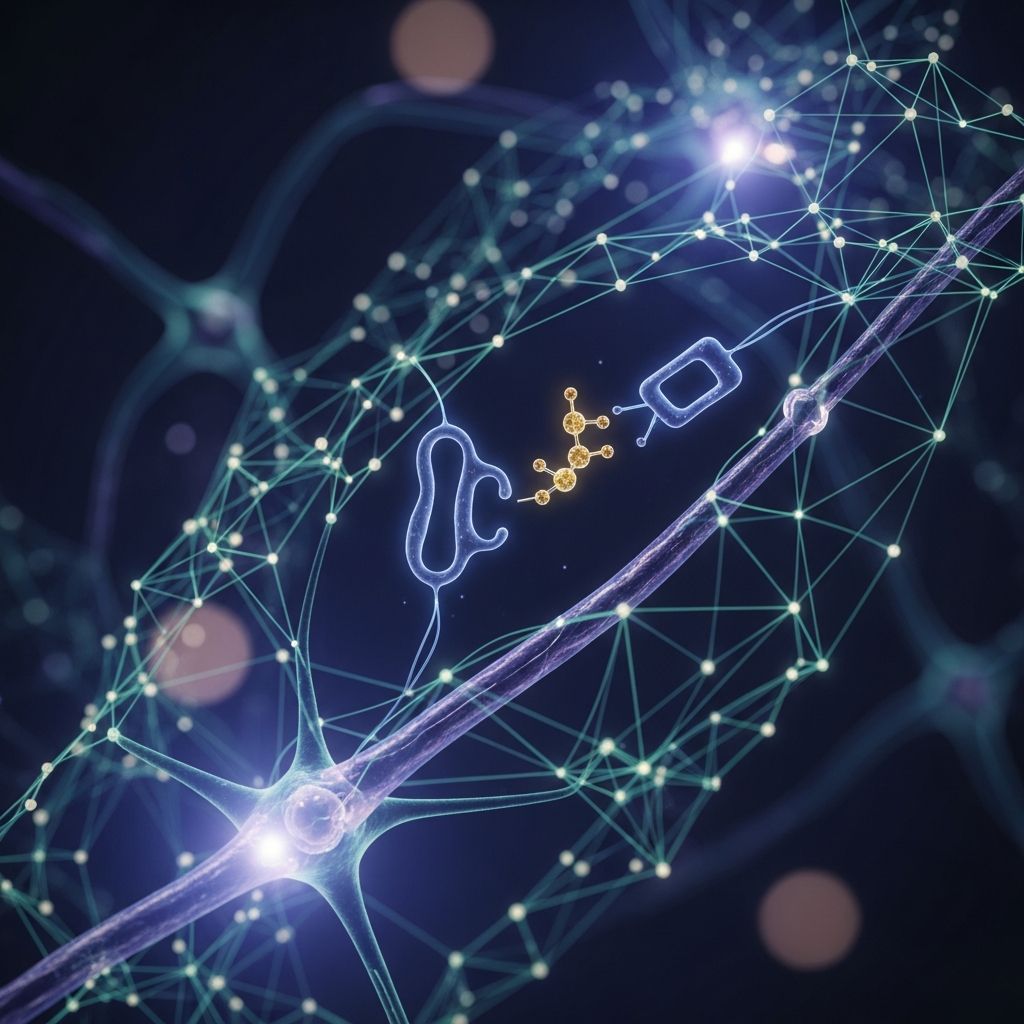
The endocannabinoid system (ECS) represents one of the most fascinating and complex regulatory networks within the human body, yet it remains relatively unknown to the general public. Despite its crucial role in maintaining health and homeostasis, this system has only been extensively studied over the past few decades. The discovery of the endocannabinoid system fundamentally changed our understanding of how the body regulates itself and opened new avenues for understanding both natural bodily functions and the effects of cannabis consumption.
What Is the Endocannabinoid System?
The endocannabinoid system is a sophisticated biological signaling network that exists throughout your body, spanning your brain, organs, connective tissues, and immune cells. This intricate system functions as a bridge between your body and mind, working continuously to maintain stability and optimal functioning. The term ”endocannabinoid” refers to cannabinoids that your body produces naturally, distinguishing them from phytocannabinoids, which are cannabinoids found in plants like cannabis.
The ECS operates through a series of chemical signals and cellular receptors that coordinate with each other to regulate numerous biological processes. Rather than performing a single function, the endocannabinoid system acts as a master regulatory network, influencing multiple body systems simultaneously. This distributed nature of the ECS allows it to respond to various stimuli and maintain equilibrium across different biological domains.
The Three Core Components of the ECS
Understanding the endocannabinoid system requires familiarity with its three primary components: endocannabinoids, receptors, and enzymes. Each of these elements plays a vital role in how the system functions and maintains homeostasis.
Endocannabinoids: The Body’s Natural Messengers
Endocannabinoids are small molecules produced naturally by your body that serve as chemical messengers within the endocannabinoid system. The two primary endocannabinoids identified by researchers are anandamide and 2-arachidonoylglycerol (2-AG). These molecules are synthesized on demand in response to various physiological signals and work to correct imbalances in the body.
Anandamide, often called the ”bliss molecule,” was the first endocannabinoid discovered and shares structural similarities with THC, the psychoactive compound in cannabis. Meanwhile, 2-AG is more abundant in the brain and plays significant roles in regulating neurological functions. Both molecules are produced in postsynaptic neurons and released to interact with cannabinoid receptors in a retrograde signaling pattern, meaning they travel backward across synapses to influence neurotransmitter release.
Cannabinoid Receptors: The System’s Receivers
Cannabinoid receptors are proteins distributed throughout your body that receive signals from endocannabinoids and cannabis compounds. The two primary cannabinoid receptors are CB1 and CB2, though research suggests additional receptor types may exist. These receptors belong to the superfamily of G-protein coupled receptors (GPCRs), characterized by their seven transmembrane domains.
CB1 receptors are predominantly found in the central and peripheral nervous systems, with particularly high concentrations in the brain regions responsible for memory, emotion, and motor control. When endocannabinoids bind to CB1 receptors, they influence cognitive function, mood, appetite, and pain perception. CB2 receptors, conversely, are primarily located in immune cells, lymph nodes, and peripheral tissues, focusing on immune regulation and inflammation control. The distribution and function of these receptors explain why the endocannabinoid system affects such diverse biological processes.
Related Stories



Enzymes: The System’s Recyclers
Enzymes play the crucial role of breaking down endocannabinoids after they have delivered their messages, preventing excessive accumulation in the system. The two primary enzymes responsible for this degradation are fatty acid amide hydrolase (FAAH) and monoacylglycerol lipase (MAGL). FAAH breaks down anandamide primarily in postsynaptic neurons, while MAGL degrades 2-AG in presynaptic neurons following CB1 receptor activation. This careful regulation ensures that endocannabinoid signaling remains balanced and responsive to the body’s needs.
How the Endocannabinoid System Maintains Balance
The primary function of the endocannabinoid system is to maintain homeostasis—the stable internal environment necessary for optimal health. When any system in your body becomes imbalanced, the ECS springs into action by releasing endocannabinoids that bind to appropriate receptors and trigger corrective responses.
This regulatory mechanism operates like a biological thermostat. If body temperature drops, the ECS helps generate heat. If inflammation rises after injury, CB2 receptor activation promotes an anti-inflammatory response. If stress hormones surge, CB1 activation in the brain can reduce anxiety and promote relaxation. This constant monitoring and correction occurs largely without conscious awareness, keeping your body functioning optimally despite external challenges.
Functions Regulated by the Endocannabinoid System
The endocannabinoid system influences an impressively broad range of physiological and psychological processes. When functioning optimally, the ECS maintains balance across these diverse domains:
| Physiological Function | ECS Role |
|---|---|
| Appetite and Eating | Regulates hunger signals and satiety |
| Metabolism | Influences energy balance and metabolic rate |
| Pain Management | Modulates pain perception and response |
| Sleep Regulation | Promotes sleep initiation and quality |
| Immune Response | Regulates inflammation and immune cell function |
| Nausea Control | Reduces nausea and promotes appetite |
| Mood and Stress | Regulates emotional response and stress resilience |
| Neurological Function | Modulates neurotransmitter release |
When the endocannabinoid system functions optimally, these processes remain in equilibrium. However, when the ECS becomes dysregulated—a condition called ”clinical endocannabinoid deficiency”—symptoms may manifest across multiple systems simultaneously. For instance, an imbalanced ECS might result in both poor sleep and increased stress sensitivity, or inadequate appetite regulation combined with chronic pain.
How Cannabis Interacts With the Endocannabinoid System
Cannabis contains over 100 different cannabinoids, with THC and CBD being the most studied and recognized compounds. These phytocannabinoids interact with the endocannabinoid system in ways that differ fundamentally from how natural endocannabinoids function.
THC: The Primary Psychoactive Compound
Tetrahydrocannabinol (THC) is cannabis’s primary psychoactive component and produces the characteristic ”high” associated with marijuana consumption. THC achieves this effect by binding directly to both CB1 and CB2 receptors, similar to how natural endocannabinoids function, though typically with greater affinity and duration.
When THC enters the bloodstream through smoking, vaping, or ingestion, it travels to the brain where it locks into CB1 receptors with remarkable efficiency. This binding triggers the release of dopamine and other neurotransmitters, producing the euphoric sensation, altered perception of time, and enhanced sensory experiences associated with cannabis use. Beyond the brain, THC’s interaction with CB1 receptors throughout the body also influences pain perception, appetite stimulation, and motor control.
The reason THC fits so perfectly into cannabinoid receptors is structural similarity to endocannabinoids. Your body’s natural anandamide and 2-AG molecules resemble THC sufficiently that the external compound can activate the same receptors. This fortunate biochemical match explains why cannabis affects human physiology so profoundly, despite humans not evolving specifically to use cannabis.
CBD: The Non-Intoxicating Cannabinoid
Cannabidiol (CBD) presents a more enigmatic relationship with the endocannabinoid system. Unlike THC, CBD does not produce intoxication or a psychoactive high, despite influencing multiple biological processes. The exact mechanisms by which CBD produces its effects remain partially mysterious to researchers.
Current theories suggest CBD may operate through several pathways. One prominent hypothesis proposes that CBD inhibits the enzymes responsible for breaking down endocannabinoids, particularly FAAH, thereby allowing natural endocannabinoids to accumulate and exert greater effects. Another theory suggests CBD interacts with previously undiscovered endocannabinoid receptors or modulates non-cannabinoid receptor systems. Unlike THC’s direct receptor binding, CBD’s pharmacology appears more complex and distributed across multiple biological systems.
Cannabinoid Signaling Complexity
The interaction between cannabis compounds and the endocannabinoid system explains why different cannabis products produce such varied effects across individuals and even within the same person across different consumption events. Factors including cannabinoid ratios, dosage, route of administration, individual genetic variation, and prior cannabis exposure all influence how the ECS responds to exogenous cannabinoids. This complexity underscores why the endocannabinoid system remains ”mysterious” despite decades of research.
The Endocannabinoid System and Mental Health
Emerging evidence suggests dysregulation of the endocannabinoid system plays a significant role in anxiety and depression. In animal models of depression, anxiety, and stress exposure, researchers consistently observe compromised ECS function. Conversely, enhancing endocannabinoid signaling through various pharmacological approaches produces antidepressant-like and anxiolytic effects.
The retrograde signaling mechanism of endocannabinoids appears particularly important for mental health. By inhibiting excessive glutamate and GABA release at synapses, endocannabinoids help prevent the overexcitation and hyperactivity patterns associated with anxiety and trauma-related disorders. When this regulatory capacity becomes impaired, mental health symptoms may emerge or intensify.
Why the Endocannabinoid System Remains Mysterious
Despite significant advances in endocannabinoid research, substantial mysteries remain. The complete range of cannabinoid receptors has not been fully characterized. The precise mechanisms underlying many of CBD’s therapeutic effects remain unknown. Individual variations in ECS function and responsiveness to cannabinoids are not fully understood. Additionally, the optimal strategies for therapeutically modulating the ECS—whether through supplementation, lifestyle modifications, or pharmaceutical interventions—continue to be refined.
The ECS’s distributed nature across multiple organ systems and its involvement in so many physiological processes makes comprehensive study challenging. Progress requires multidisciplinary research spanning neuroscience, immunology, endocrinology, and pharmacology.
Frequently Asked Questions
Q: Can the endocannabinoid system function without cannabis?
A: Yes, absolutely. Your endocannabinoid system evolved millions of years before humans discovered cannabis and functions independently of any external cannabinoid sources. The ECS maintains homeostasis through your body’s naturally produced endocannabinoids alone. Cannabis consumption simply introduces additional compounds that interact with this pre-existing system.
Q: What is clinical endocannabinoid deficiency?
A: Clinical endocannabinoid deficiency is a proposed condition in which the ECS becomes chronically dysregulated, producing inadequate endocannabinoid signaling. This may result from genetic factors, lifestyle stress, poor nutrition, or other factors that compromise ECS function. The hypothesis remains under investigation, but researchers theorize it contributes to various chronic conditions.
Q: How do lifestyle factors affect the endocannabinoid system?
A: Exercise, stress management, adequate sleep, and proper nutrition all influence ECS function. Physical activity stimulates endocannabinoid production (contributing to the ”runner’s high”), while chronic stress and poor sleep impair the system. These lifestyle factors represent non-pharmacological approaches to supporting ECS health.
Q: Is CBD safer than THC due to how it interacts with the ECS?
A: CBD and THC produce different effects through distinct mechanisms. CBD doesn’t produce intoxication and typically shows excellent safety profiles, but ”safer” depends on individual circumstances and the specific health concern. Both interact with the ECS in meaningful ways, and the appropriateness of either depends on personal health status, goals, and local regulations.
Q: Can the endocannabinoid system be overactive?
A: Yes, dysregulation can occur in multiple directions. Just as insufficient ECS signaling creates problems, excessive endocannabinoid activity may also contribute to certain conditions. Maintaining optimal ECS balance, rather than simply maximizing or minimizing activity, appears to be the goal for health.
References
- Endocannabinoid System — Solful Dispensary. Accessed 2025-12-01. https://solful.com/learning_center/endocannabinoid-system/
- Endocannabinoid System and Exogenous Cannabinoids in Depression and Anxiety — PubMed Central, National Center for Biotechnology Information. 2023. https://pmc.ncbi.nlm.nih.gov/articles/PMC9953886/
- How THC Gets You High: The Endocannabinoid System Explained — Seattle Hashtag. 2025-01-01. https://seattlehashtag.com/blog/2025/01/how-thc-gets-you-high-the-endocannabinoid-system-explained
Similar Articles








Read full bio of medha deb