Endometrial Polyp Symptoms: Signs, Risks, When To See A Doctor
Recognizing the signs of endometrial polyps: abnormal bleeding, infertility risks, and when to seek medical help for uterine health.
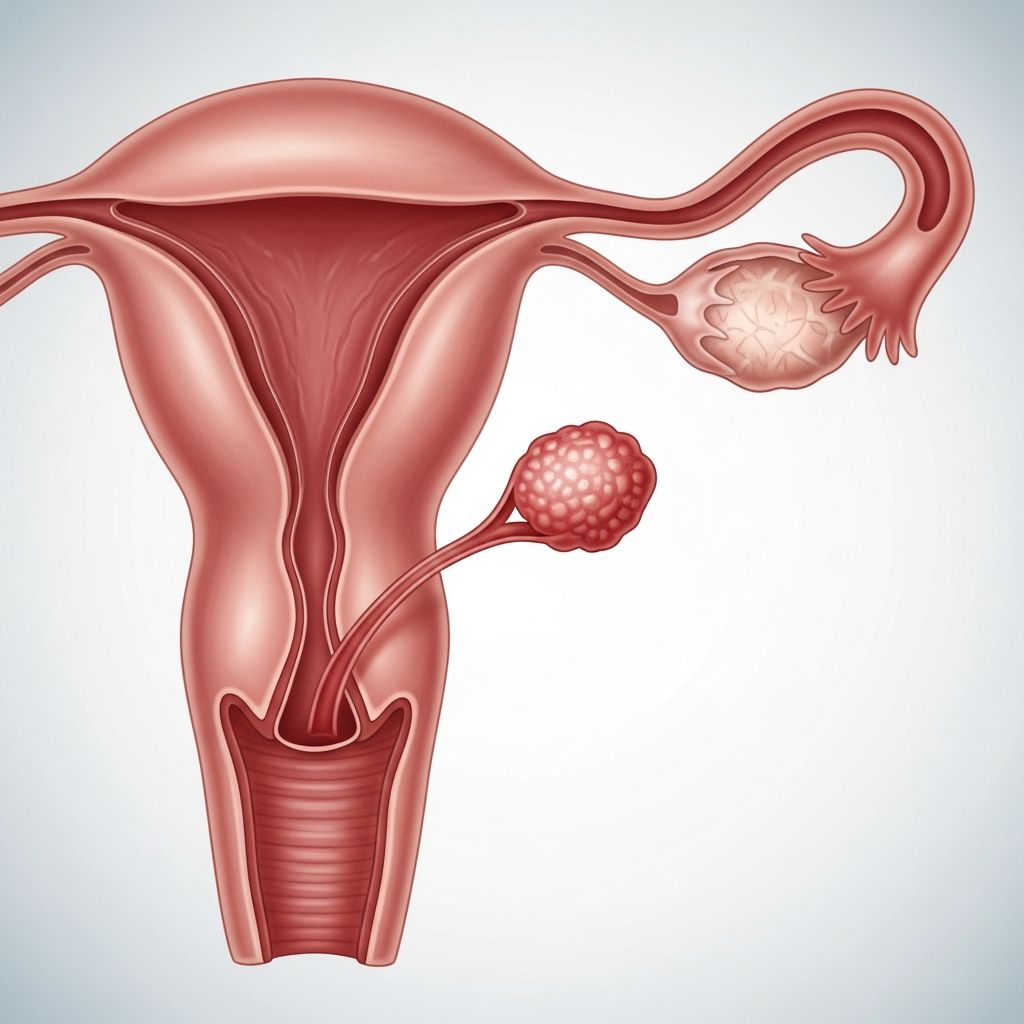
Endometrial polyps, also known as uterine polyps, are benign growths that develop on the inner lining of the uterus, known as the endometrium. These overgrowths of glandular tissue can vary in size from a few millimeters to several centimeters and may be attached by a thin stalk or a broad base. While many individuals with endometrial polyps experience no symptoms, they are a common cause of abnormal uterine bleeding, affecting up to 68% of those diagnosed. This condition impacts both premenopausal and postmenopausal women, with prevalence increasing after menopause.
Understanding endometrial polyp symptoms is crucial because they can mimic other gynecological issues, including more serious conditions like endometrial cancer. Early recognition prompts timely medical evaluation, potentially preventing complications such as infertility or malignant transformation, which occurs in about 0.5-3% of cases. Common presentations include irregular menstrual cycles, heavy bleeding, and spotting, but pain is rare unless polyps are large.
What Are Endometrial Polyps?
Endometrial polyps are localized overgrowths of the endometrial mucosa that protrude into the uterine cavity. They consist of endometrial glands, stroma, and blood vessels, often appearing as soft, fragile structures. Unlike fibroids, which arise from the muscular wall of the uterus, polyps originate from the lining and are typically smaller and pedunculated (stalk-like).
These growths are estrogen-sensitive, thriving in environments of unopposed estrogen exposure. They can be single or multiple, and while most are benign, atypical features like rapid growth or occurrence in postmenopausal women raise concern for premalignant changes. Histologically, polyps show dilated glands, thick-walled vessels, and proliferative activity even outside the menstrual cycle.
- Key characteristics: Benign in 97-99% of cases, hormone-dependent, common in ages 40-50.
- Location: Inner uterine wall, near fundus or cervix.
- Size range: 1 mm to 4 cm or larger.
Symptoms of Endometrial Polyps
The hallmark symptom of abnormal uterine bleeding (AUB), reported in most symptomatic cases. This disrupts normal menstrual patterns, which typically last 4-7 days every 21-35 days. Polyps interfere with the uniform shedding of the endometrium, causing irregular or excessive blood loss due to fragile surface vessels and stromal congestion.
Many polyps are asymptomatic and discovered incidentally during imaging for other reasons. Small polyps (<1 cm) rarely cause issues, while larger ones provoke symptoms through irritation or ulceration.
Common Symptoms
- Irregular menstrual bleeding: Cycles shorter/longer than usual or unpredictable timing.
- Heavy menstrual bleeding (menorrhagia): Soaking through pads/tampons hourly, lasting over 7 days.
- Spotting or intermenstrual bleeding: Light bleeding between periods.
- Postmenopausal bleeding: Any vaginal bleeding after 12 months without periods—requires urgent evaluation.
- Postcoital bleeding: Spotting after intercourse due to mechanical irritation.
- Brown discharge post-period: Old blood from incomplete shedding.
Rare Symptoms
- Infertility: Polyps may block sperm transport or embryo implantation; removal improves fertility rates.
- Dull abdominal/pelvic pain: From large polyps causing cramping, mimicking dysmenorrhea.
- Prolonged periods: Bleeding beyond a week.
Pain is uncommon unless polyps are sizable or infected. Symptoms often worsen with estrogen surges, like perimenopause.
Related Stories



Causes and Risk Factors
The exact cause of endometrial polyps remains unclear, but estrogen dominance is central. Estrogen stimulates endometrial proliferation without progesterone opposition, leading to focal hyperplasia. Polyps express high levels of estrogen receptors (ER) and progesterone receptors (PR) in glands, promoting growth.
Chronic inflammation may contribute via mast cells and cytokines, fostering angiogenesis and tissue overgrowth. Genetic factors, like mutations in PTEN or KRAS, are implicated in atypical polyps.
Risk Factors
| Risk Factor | Description | Impact |
|---|---|---|
| Age >45 | Peak incidence in perimenopause/postmenopause. | Highest prevalence. |
| Obesity | Increases peripheral estrogen from fat tissue. | 2-3x risk. |
| Tamoxifen use | Breast cancer drug with estrogenic uterine effects. | Up to 36% develop polyps. |
| Hormone therapy | Unopposed estrogen without progesterone. | Elevates growth. |
| Hypertension/Diabetes | Metabolic conditions linked to inflammation. | Moderate increase. |
| Family history | Endometrial/colon cancer genetics (e.g., Lynch syndrome). | Higher malignancy risk. |
Protective factors include multiparity (multiple pregnancies) and progesterone therapy.
Diagnosis of Endometrial Polyps
Diagnosis begins with a thorough history focusing on bleeding patterns, then progresses to imaging and invasive tests. No single method is 100% accurate; a multimodal approach is standard.
- Transvaginal ultrasound (TVUS): First-line; detects polyps as hyperechoic masses. Sensitivity 80-90%.
- Saline infusion sonohysterography (SIS): Enhances visualization by distending uterus; 95% accuracy.
- Hysteroscopy: Gold standard—direct visualization and biopsy. Outpatient feasible.
- Endometrial biopsy: Rules out hyperplasia/cancer; dilation and curettage (D&C) if needed.
In postmenopausal bleeding, evaluation is mandatory to exclude malignancy. MRI or CT rarely used unless suspicion of spread.
Treatment Options
Treatment depends on symptoms, size, age, and fertility desires. Asymptomatic small polyps (<1.5 cm) in premenopausal women may regress spontaneously (25-50% chance).
Conservative Management
- Watchful waiting with serial ultrasounds.
- Progestins or NSAIDs for bleeding control.
- Levonorgestrel IUD suppresses growth.
Surgical Interventions
- Hysteroscopic polypectomy: Preferred; removes polyps under visualization, preserves fertility. Success >90%, low recurrence.
- Dilation and curettage (D&C): Blind scraping; higher recurrence, used if hysteroscopy unavailable.
Post-treatment, bleeding resolves in 75-90%. GnRH agonists for large/recurrent polyps pre-surgery.
When to See a Doctor
Seek immediate care for:
- Postmenopausal bleeding.
- Heavy bleeding interfering with daily life.
- Infertility with AUB.
- Persistent spotting >2 weeks.
Early intervention prevents anemia, hyperplasia, or cancer.
Complications and Prognosis
Complications are rare: anemia from chronic bleeding, infection, or 1-5% malignancy risk (higher postmenopausal). Prognosis excellent post-removal; recurrence 15-30% in 5 years. Fertility improves significantly after excision.
Prevention
Maintain healthy weight, manage diabetes/hypertension, use combined hormone therapy if indicated. Regular gyn exams screen high-risk groups.
Frequently Asked Questions (FAQs)
Do endometrial polyps cause pain?
Pain is uncommon; large polyps may cause dull cramps, but it’s not typical.
Can endometrial polyps go away on their own?
Yes, small polyps regress spontaneously in 25-50% of premenopausal cases.
Are endometrial polyps cancerous?
Most (97-99%) are benign, but 0.5-3% harbor cancer, especially in older women.
How are endometrial polyps removed?
Hysteroscopic polypectomy is the gold standard, minimally invasive.
Can polyps cause infertility?
Yes, by disrupting implantation; removal boosts conception rates.
References
- Endometrial Polyps: Symptoms, Causes and Treatment — Ada Health. 2023. https://ada.com/conditions/endometrial-polyps/
- The Link Between Heavy Bleeding and Endometrial Polyps — Raveco. 2024. https://www.raveco.com/blog/the-link-between-heavy-bleeding-and-endometrial-polyps
- Uterine Polyps – Symptoms & Causes — Mayo Clinic. 2025-01-10. https://www.mayoclinic.org/diseases-conditions/uterine-polyps/symptoms-causes/syc-20378709
- Endometrial Polyps — MedlinePlus (NIH). 2024. https://medlineplus.gov/ency/article/007636.htm
- Uterine Polyps: Causes, Symptoms, Diagnosis & Treatment — Cleveland Clinic. 2025. https://my.clevelandclinic.org/health/diseases/14683-uterine-polyps
- Uterine Polyps: Causes, Symptoms and Treatment — Clue. 2023. https://helloclue.com/articles/issues-and-conditions/uterine-polyps-causes-symptoms-and-treatment
- Endometrial Polyps: Pathogenesis, Sequelae and Treatment — PMC (NCBI). 2019-04-12. https://pmc.ncbi.nlm.nih.gov/articles/PMC6501471/
Similar Articles








Read full bio of Sneha Tete