Endometriosis Diet Comprehensive Guide: Foods To Eat And Avoid
Dietary strategies to manage endometriosis symptoms: anti-inflammatory foods, foods to avoid, and evidence-based nutrition tips for pain relief.
Endometriosis affects millions of women worldwide, causing chronic pelvic pain, painful periods, and fertility challenges due to tissue similar to the uterine lining growing outside the uterus. While there’s no cure, dietary changes can significantly alleviate symptoms by reducing inflammation and modulating estrogen levels, as supported by recent research. Studies show that up to 66% of women with endometriosis alter their eating habits post-diagnosis, often increasing fruits, vegetables, and omega-3-rich foods while cutting dairy and saturated fats. This article outlines evidence-based dietary strategies, foods to embrace and avoid, and lifestyle tips for better symptom management.
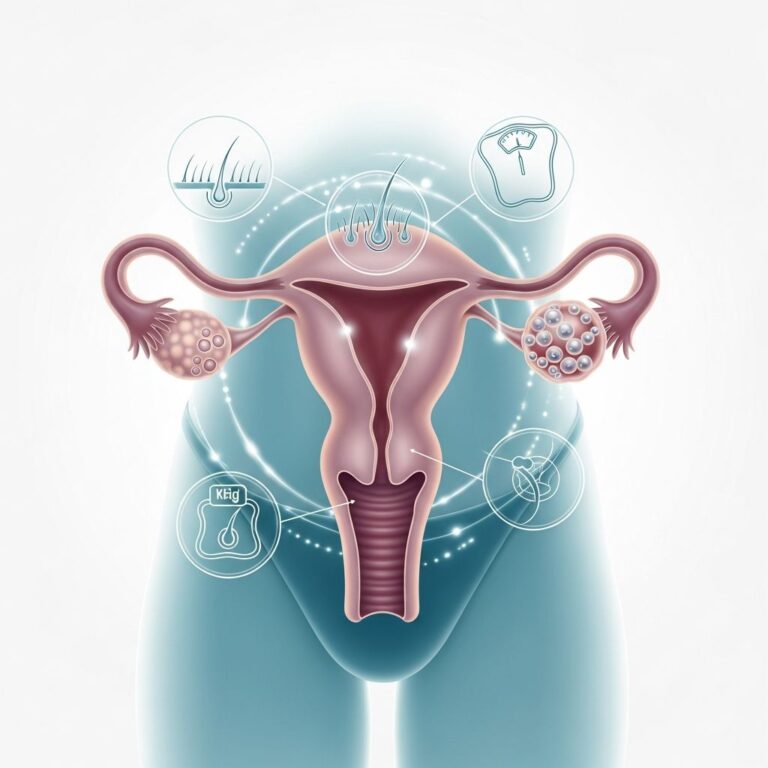
What Is Endometriosis?
Endometriosis is a chronic condition where endometrial-like tissue grows outside the uterus, leading to inflammation, scarring, and pain. It impacts daily life for 92% of affected women, with symptoms worsening based on disease stage. Hormonal therapies exist but often cause side effects like weight gain and mood changes, prompting many to seek dietary interventions. Nutrition plays a key role because endometriosis is estrogen-dependent; diets that lower circulating estrogen—via reduced fats and increased fiber—offer potential benefits.
Does Diet Help Endometriosis Symptoms?
Yes, diet can help manage endometriosis symptoms. A large survey of over 4,000 women found 66% changed eating habits after diagnosis, reporting symptom relief from anti-inflammatory and gluten-free diets. Another study showed 55.5% noted food influences symptoms, with modifications providing relief. Plant-based diets reduce inflammation and estrogen activity, with low-fat vegan diets easing dysmenorrhea pain—a related condition—in trials. Popular changes include cutting alcohol (53% pain improvement), gluten (45%), dairy (45%), and caffeine (43%). A 2022 systematic review confirmed diet positively impacts pain perception.
Foods to Eat With Endometriosis
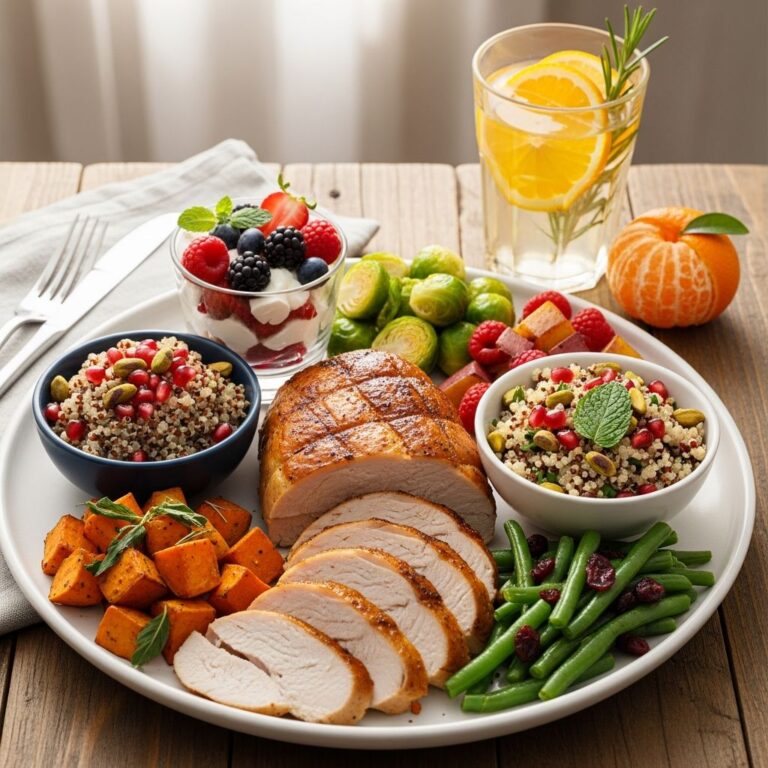
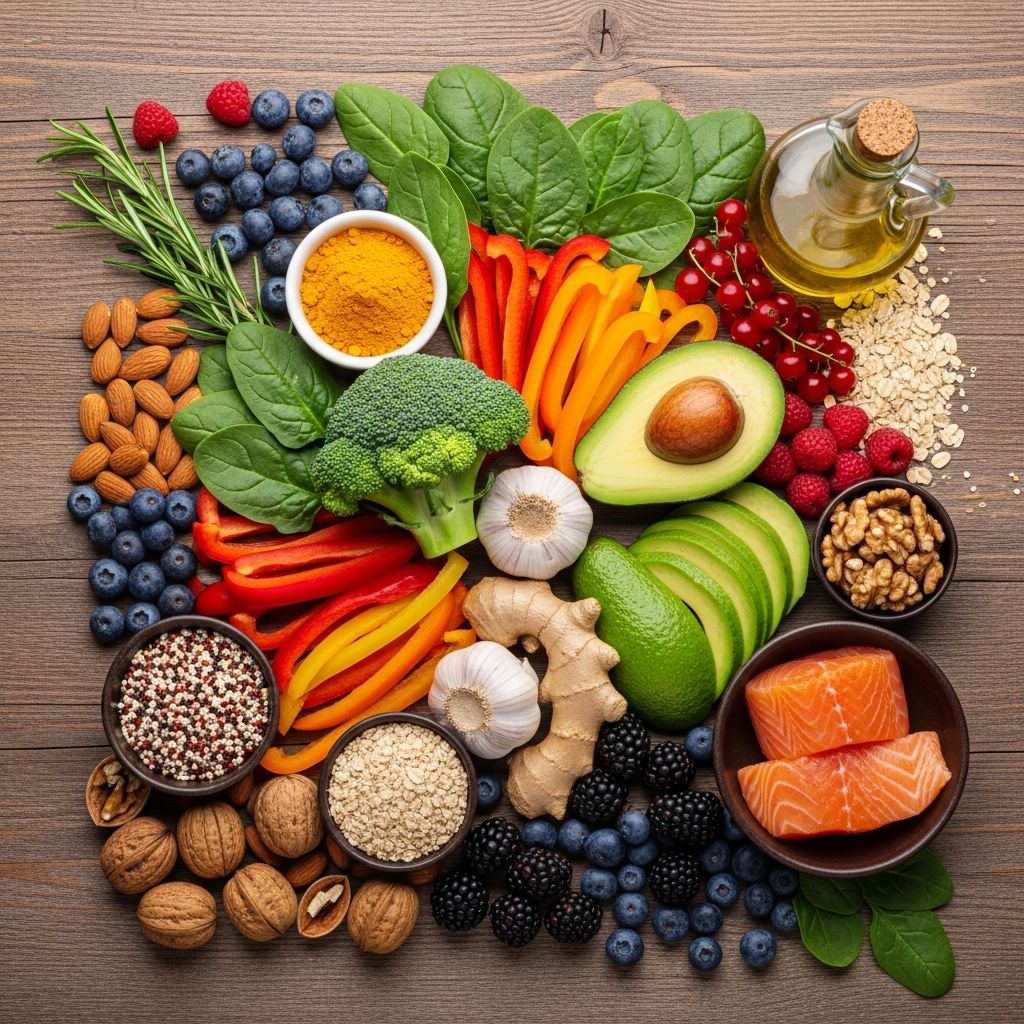
Focus on anti-inflammatory, nutrient-dense foods rich in omega-3s, antioxidants, and fiber to combat inflammation and support hormone balance. Women with advanced stages (III-IV) particularly increase vegetables, fruits, cereals, legumes, and fish.
- Fruits and Vegetables: High in antioxidants like curcumin, quercetin, and resveratrol; aim for 10+ servings daily. Berries, leafy greens, and cruciferous veggies (broccoli, kale) reduce estrogen and inflammation.
- Fatty Fish: Salmon, mackerel, sardines provide omega-3 PUFAs, linked to better pain management; increased intake by 4.5% post-diagnosis.
- Whole Grains and Legumes: Oats, quinoa, lentils boost fiber, lowering estrogen by 10-25%; up 6.6% in studies.
- Nuts and Seeds: Walnuts, flaxseeds, chia for omega-3s and lignans that bind excess estrogen.
- Extra Virgin Olive Oil: Core of Mediterranean diet, rich in anti-inflammatory polyphenols.
- Herbs and Spices: Turmeric (curcumin), ginger for potent anti-inflammatory effects.
Sample Anti-Inflammatory Foods Table
| Food Category | Examples | Key Benefits |
|---|---|---|
| Omega-3 Sources | Salmon, flaxseeds | Reduces pelvic pain |
| Antioxidants | Berries, spinach | Lowers inflammation |
| Fiber-Rich | Quinoa, beans | Decreases estrogen |
| Healthy Fats | Avocado, olive oil | Supports hormone balance |
Foods to Avoid With Endometriosis
Limit pro-inflammatory and estrogen-promoting foods. Reductions include dairy (18.4%), soy (6.7%), and saturated fats (8%).
- Red Meat: High in saturated fats and palmitic acid, linked to higher risk.
- Dairy Products: Contain estradiol; 45% report pain relief from reduction.
- Gluten: 45% pain improvement; 15% adopt gluten-free diets.
- Soy: Phytoestrogens may exacerbate symptoms; cut by 6.7%.
- Processed Foods and Trans Fats: Promote inflammation and estrogen.
- Caffeine and Alcohol: 43-53% relief from cuts.
- High-Sugar Foods: Fuel inflammation, especially in severe stages.
Related Stories



Best Diets for Endometriosis
Several diets show promise:
- Anti-Inflammatory Diet: 8% adoption; emphasizes omega-3s, antioxidants; women with stage IV favor it.
- Mediterranean Diet: Fruits, veggies, fish, olive oil; Australian study showed pain reduction.
- Gluten-Free Diet: 15% use; correlates with quality-of-life improvements.
- Plant-Based/Vegan: Reduces estrogen via fiber, polyphenols; anti-inflammatory benefits.
- Ketogenic/Low-Nickel: 4% try for pain management.
Low-GI foods and high fruit fiber link to lower risk.
Supplements for Endometriosis
Supplements with anti-inflammatory properties may help:
- Vitamin D: Anti-inflammatory; deficiency common.
- Vitamins C & E: Antioxidants; trial reduced symptoms.
- Omega-3s: If diet insufficient.
- Curcumin, Resveratrol: From turmeric, grapes; antiestrogenic.
Consult a doctor before starting.
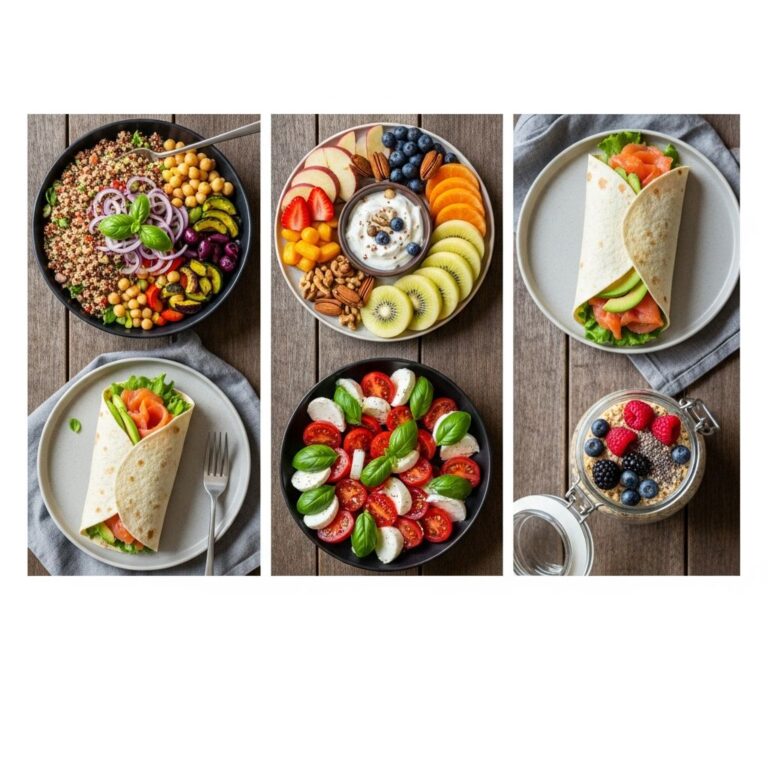
Meal Plan and Recipes for Endometriosis
A 7-day anti-inflammatory meal plan:
| Day | Breakfast | Lunch | Dinner |
|---|---|---|---|
| 1 | Berry smoothie w/ flax | Quinoa salad w/ veggies | Grilled salmon, broccoli |
| 2 | Oatmeal w/ nuts | Lentil soup | Turkey stir-fry w/ greens |
| 3 | Chia pudding | Avocado toast (gluten-free) | Baked mackerel, kale |
| 4 | Green smoothie | Chickpea salad | Veggie curry w/ turmeric |
| 5 | Yogurt alt (coconut) w/ fruit | Fish tacos (lettuce wrap) | Stuffed peppers w/ quinoa |
| 6 | Nut butter on rice cake | Bean bowl | Sardine salad |
| 7 | Fruit salad w/ seeds | Veggie wrap | Olive oil chicken, asparagus |
Recipe: Turmeric Golden Milk – Simmer almond milk with turmeric, ginger, black pepper. Anti-inflammatory nightcap.
Lifestyle Changes Beyond Diet
Combine diet with exercise, stress reduction, and sleep. 76% use self-management, 44% dietary. Mediterranean diet adherents add magnesium-rich foods and spices.
Frequently Asked Questions (FAQs)
What is the best diet for endometriosis?
Anti-inflammatory or Mediterranean diets, rich in fruits, veggies, fish, and olive oil, show strongest evidence for pain relief.
Does dairy worsen endometriosis?
Yes, 45% report pain improvement after reducing dairy due to its estrogen content.
Can gluten-free help endometriosis?
45% note benefits; 15% adopt it for symptom management.
Are omega-3 supplements useful?
PUFAs from fish or supplements aid pain; dietary sources preferred.
How does fiber affect endometriosis?
Increases reduce estrogen by 10-25%, potentially lowering risk and symptoms.
References
- The impact of endometriosis on dietary choices and activities of daily living: a large international survey — Frontiers in Nutrition. 2023-10-12. https://www.frontiersin.org/journals/nutrition/articles/10.3389/fnut.2023.1273976/full
- Nutrition in the prevention and treatment of endometriosis: A review — PMC / Frontiers in Nutrition. 2023-03-01. https://pmc.ncbi.nlm.nih.gov/articles/PMC9983692/
- Dietary Modification and Supplement Use For Endometriosis Pain — JAMA Network Open. 2024-09-04. https://jamanetwork.com/journals/jamanetworkopen/fullarticle/2831953
- Endometriosis & Lifestyle-Based Therapies — Institute for Functional Medicine. 2022-01-01. http://www.ifm.org/articles/endometriosis-root-causes-lifestyle-interventions
Similar Articles








Read full bio of medha deb