Endometriosis Symptoms: 18 Key Signs And Daily Life Impacts
Recognize the key signs of endometriosis, from pelvic pain to heavy bleeding, and understand their profound impact on daily life and well-being.
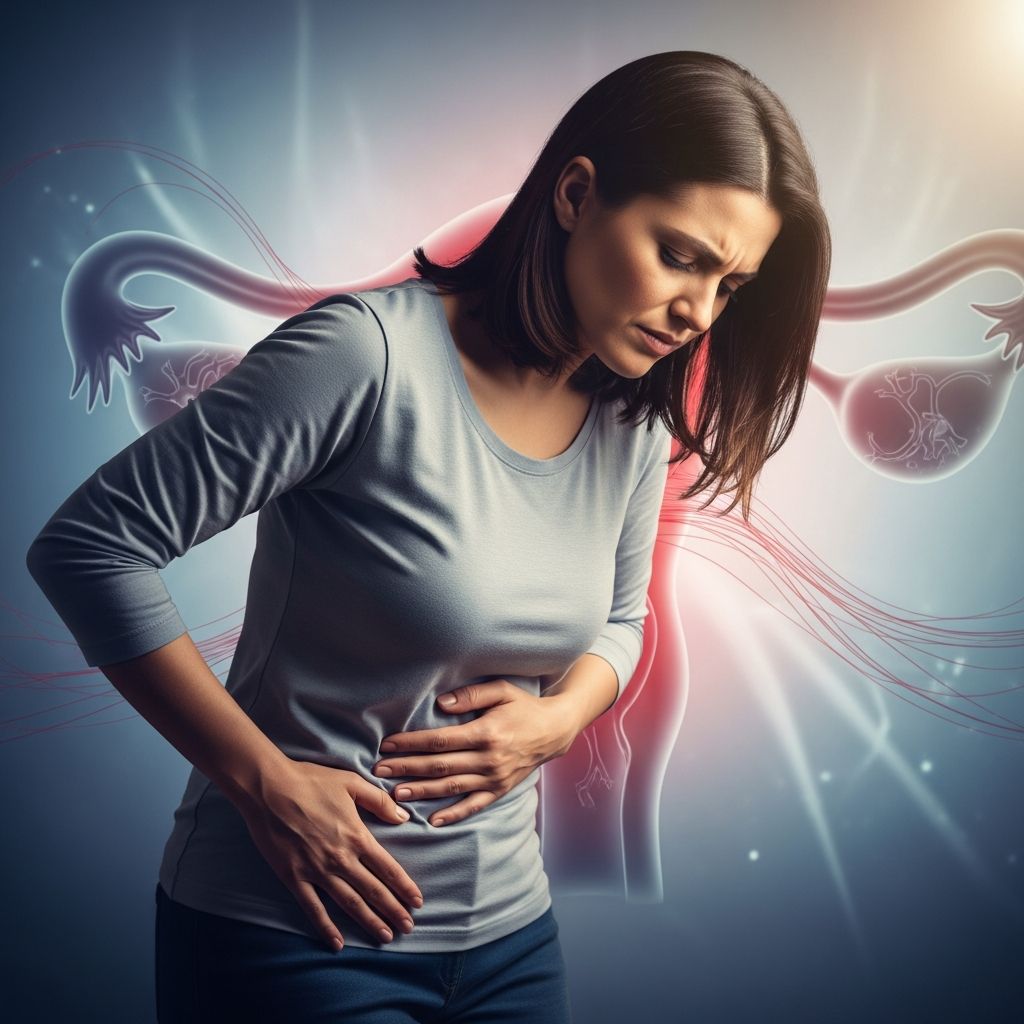
Endometriosis is a chronic condition where tissue similar to the uterine lining grows outside the uterus, leading to a range of debilitating symptoms that affect millions of women worldwide. Common symptoms include pelvic pain, dyspareunia (pain during intercourse), and heavy menstrual bleeding, reported by over 75% of affected individuals in recent studies. These symptoms not only cause physical discomfort but also profoundly disrupt daily activities, emotional well-being, relationships, work, and fertility.
What Is Endometriosis?
Endometriosis occurs when endometrial-like tissue implants on organs such as the ovaries, fallopian tubes, or pelvic lining. This tissue responds to hormonal changes during the menstrual cycle, thickening, breaking down, and bleeding—but unlike normal uterine tissue, it has no exit, causing inflammation, scar tissue, and adhesions. The condition affects approximately 10% of reproductive-age women, often leading to chronic pain and infertility. Symptoms can vary widely in intensity and may worsen over time without treatment.
Diagnosis is challenging, frequently taking 7-10 years due to overlapping symptoms with other conditions like irritable bowel syndrome or fibroids. Key symptoms emerge from patient-reported data, highlighting pelvic pain as the most prevalent, experienced by 92.5% of women in a U.S. study of 40 participants.
Endometriosis Symptoms
Patients describe 18 unique symptoms, with pelvic pain, dyspareunia, and heavy bleeding topping the list. Pain often occurs during menstruation (dysmenorrhea) and non-menstrually (non-menstrual pelvic pain or NMPP). Over 60% of women report pain on both menstrual and non-menstrual days, underscoring its chronic nature.
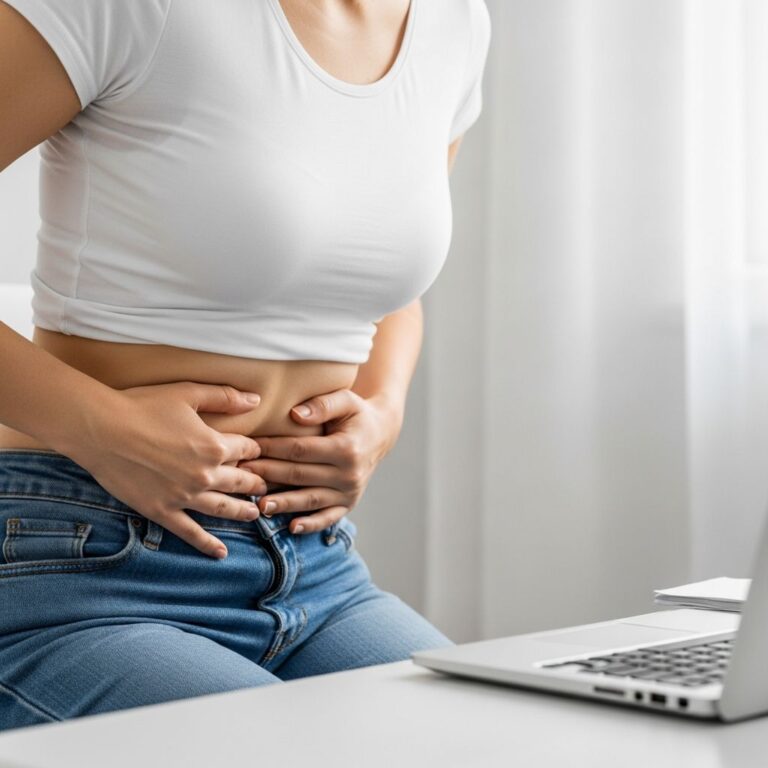
- Pelvic pain: The hallmark symptom, affecting 92.5% of cases. Described as sharp, cramping, or constant, it radiates to the lower back or abdomen and intensifies during periods.
- Dyspareunia (painful intercourse): Reported by 80%, this deeply impacts intimacy and relationships, often described as stabbing pain during or after sex.
- Heavy menstrual bleeding (menorrhagia): Noted by 75%, leading to anemia, fatigue, and frequent pad/tampon changes.
- Dysmenorrhea (painful periods): Severe cramps that interfere with daily function, often requiring painkillers or bed rest.
- Non-menstrual pelvic pain (NMPP): Persistent ache unrelated to cycles, affecting mobility and work.
- Bloating and gastrointestinal issues: Including nausea, diarrhea, constipation, or IBS-like symptoms, linked to inflammation near bowels.
- Fatigue: Overwhelming exhaustion from pain and blood loss.
- Back pain and headaches: Radiating discomfort and migraines triggered by hormonal fluctuations.
- Irregular or lengthy cycles: Prolonged bleeding extending beyond a week.
- Other symptoms: Infertility, urinary pain, leg pain, or shoulder pain post-intercourse from diaphragmatic involvement.
These symptoms align with prior research, confirming pelvic pain, dysmenorrhea, and dyspareunia as core features.
How Endometriosis Symptoms Impact Daily Life
Endometriosis imposes a multifaceted burden, with 33 unique impacts across 11 domains identified in patient interviews. Physical limitations cascade into emotional distress, financial strain, and social isolation, reducing quality of life.
Physical Impacts
Women frequently need to lie down due to pain, limiting mobility. Overexertion exacerbates symptoms, creating a cycle of fatigue and deconditioning.
Impacts on Activities of Daily Living
Household chores become insurmountable; many report inability to cook, clean, or shop, relying on family or paid help.
Social Impacts
Social withdrawal is common, with missed events, holidays, or gatherings due to pain or bloating. This leads to isolation and strained friendships.
Related Stories



Sleep Impacts
Pain disrupts sleep, causing insomnia or poor-quality rest, worsening fatigue and mood.
Emotional Impacts
Frustration, crying, and inability to cope affect 80% of patients. Anxiety, depression, and feelings of distress are prevalent.
Appearance Impacts
Bloating, weight fluctuations, and teeth grinding (bruxism) from pain alter self-image, with 62.5% reporting negative effects.
Financial Impacts
Costs of treatments, surgeries, medications, and lost wages accumulate, burdening individuals and healthcare systems.
Sex-Related Impacts
Beyond dyspareunia, symptoms harm romantic relationships, leading to avoidance of intimacy and partner frustration.
Work/School-Related Impacts
Missing days, reduced productivity, or job loss occur frequently, impacting careers and education.
Fertility Impacts
Infertility affects 30-50% of cases, causing distress over family planning.
Cognitive Impacts
Brain fog, difficulty concentrating, and memory issues stem from chronic pain and sleep deprivation.
| Impact Category | Prevalence (%) | Common Descriptions |
|---|---|---|
| Physical | High | Needing to lie down, limited mobility |
| Emotional | 80% | Frustration, crying, unable to cope |
| Appearance | 62.5% | Bloated, weight gain |
| Social | High | Missing events |
| Work/School | High | Missing work/school |
Diagnosis and Treatment Challenges
Delayed diagnosis stems from symptom normalization or misattribution. Laparoscopy remains the gold standard for confirmation. Treatments include hormonal therapies, pain management, and surgery, but none cure the condition. Patient advocacy emphasizes holistic care addressing all impacts.
Frequently Asked Questions (FAQs)
What are the most common endometriosis symptoms?
The top symptoms are pelvic pain (92.5%), dyspareunia (80%), and heavy bleeding (75%), often accompanied by dysmenorrhea and fatigue.
How does endometriosis affect daily life?
It impacts physical function, emotions, work, relationships, and finances, with many women unable to perform routine tasks or maintain social connections.
Is pelvic pain always a sign of endometriosis?
No, but chronic pelvic pain, especially with menstrual ties, warrants evaluation. Consult a gynecologist for differential diagnosis.
Can endometriosis cause infertility?
Yes, up to 50% of women with endometriosis face fertility challenges due to adhesions and inflammation.
How is endometriosis diagnosed?
Through medical history, exams, imaging, and often laparoscopy to visualize lesions.
References
- Endometriosis Symptoms and Their Impacts on the Daily Lives of US Women: A Qualitative Study — Nogueira et al., PMC. 2023-05-23. https://pmc.ncbi.nlm.nih.gov/articles/PMC10241351/
- Endometriosis — World Health Organization (WHO). 2023. https://www.who.int/news-room/fact-sheets/detail/endometriosis
- Endometriosis: Clinical Features, MR Imaging Findings and Pathologic Correlation — American College of Radiology. 2024. https://pubs.rsna.org/doi/full/10.1148/radiol.2020201484
- Diagnosis and Management of Endometriosis: ACOG Guidelines — American College of Obstetricians and Gynecologists (ACOG). 2025-01-15. https://www.acog.org/clinical/clinical-guidance/committee-opinion/articles/2024/01/diagnosis-and-management-of-endometriosis
- Endometriosis Burden and Quality of Life — Centers for Disease Control and Prevention (CDC). 2024. https://www.cdc.gov/reproductivehealth/womensrh/endometriosis.htm
Similar Articles








Read full bio of medha deb