Endometriosis Treatment Options: 7 Ways To Ease Symptoms
Comprehensive guide to managing endometriosis symptoms through medications, surgery, and emerging therapies for better quality of life.
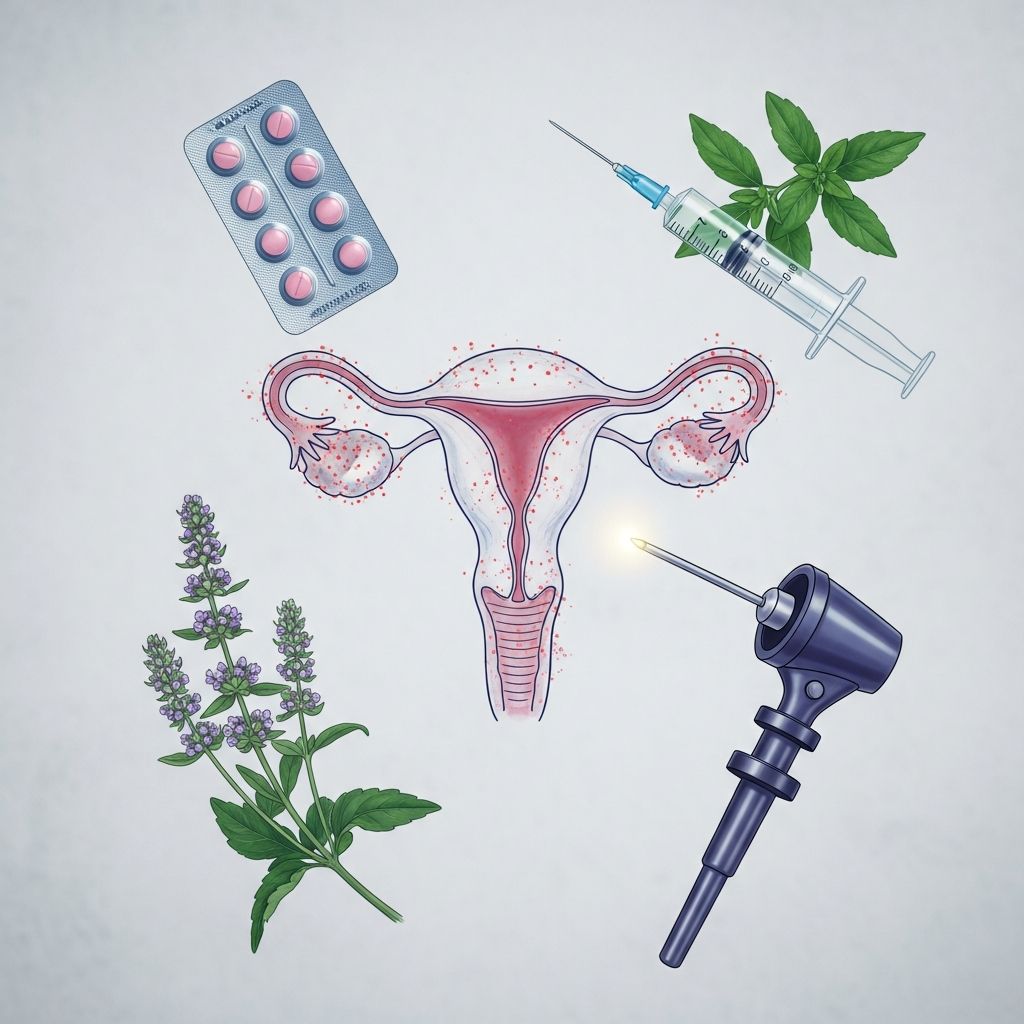
Endometriosis affects millions of women worldwide, causing chronic pelvic pain, painful periods, and infertility challenges. While there is no cure for this progressive condition, a range of treatments can effectively manage symptoms, slow disease progression, and enhance quality of life. Treatments are tailored based on symptom severity, fertility goals, and individual preferences, drawing from hormonal therapies, pain medications, surgery, and supportive measures.
What Is Endometriosis?
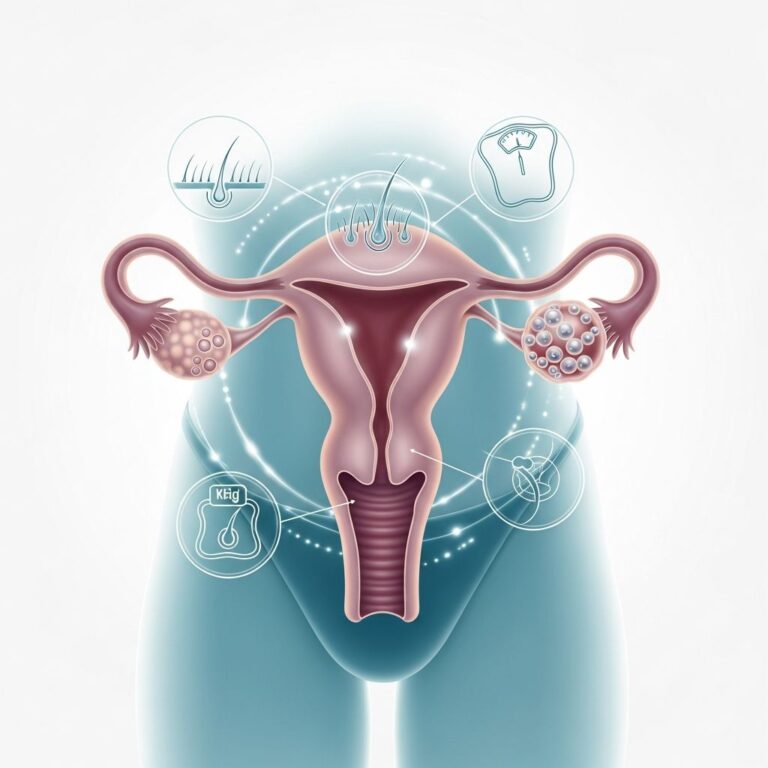
Endometriosis occurs when tissue similar to the uterine lining grows outside the uterus, often on ovaries, fallopian tubes, or pelvic lining. This leads to inflammation, scar tissue formation, and adhesions that cause debilitating pain and fertility issues. Symptoms include severe menstrual cramps, pain during intercourse, heavy bleeding, and gastrointestinal problems. The condition varies in progression; for some, it remains stable, while for others, it worsens over time without intervention.
Diagnosis typically involves pelvic exams, ultrasounds, or laparoscopy to confirm endometrial lesions. Early treatment is crucial to prevent complications like ovarian cysts or bowel obstruction.
Pain Medications for Endometriosis
Over-the-counter and prescription pain relievers form the first line of defense for managing endometriosis-associated pain. Nonsteroidal anti-inflammatory drugs (NSAIDs) like ibuprofen and naproxen reduce inflammation and alleviate cramps by blocking prostaglandin production, which triggers uterine contractions.
- Ibuprofen or Naproxen: Taken at the start of menstruation, these can significantly lessen pain intensity without hormonal side effects.
- Acetaminophen: Useful for milder pain or when NSAIDs are contraindicated, such as in cases of stomach ulcers.
- Prescription Opioids: Reserved for severe, unresponsive pain due to addiction risks and limited long-term efficacy.
While effective short-term, pain medications do not address underlying endometrial growth. Patients should consult providers about long-term use to avoid gastrointestinal or kidney issues.
Hormone Therapy for Endometriosis
Hormonal treatments suppress estrogen production, which fuels endometrial tissue growth, mimicking a menopausal state to shrink lesions and reduce symptoms. These are often first-line after pain meds fail.
Combined Hormonal Contraceptives
Oral contraceptive pills, patches, rings, or vaginal rings containing estrogen and progestin thin the uterine lining, decrease menstrual flow, and prevent ovulation. Continuous use (skipping placebo weeks) minimizes periods and associated pain. Studies show up to 80% symptom relief in mild cases.
Progestin-Only Therapies
Progestins like pills, injections (e.g., depot medroxyprogesterone acetate), or intrauterine devices (IUDs) such as Mirena® stop menstruation entirely in many users. Mirena® reduces lesion size and menstrual bleeding; one-third of women amenorrheic after one year. Injections every three months suppress ovulation but may cause initial irregular bleeding.
GnRH Agonists and Antagonists
Gonadotropin-releasing hormone (GnRH) agonists (e.g., leuprolide injections, nasal sprays) or antagonists like elagolix (Orilissa®) drastically lower estrogen levels, halting endometrial activity. Used for 6-12 months with add-back therapy (low-dose hormones) to mitigate menopausal side effects like bone loss and hot flashes.
Hormone therapy limitations include infertility during treatment (not suitable for pregnancy seekers) and symptom recurrence upon discontinuation. Side effects vary: mood changes, weight gain, or breakthrough bleeding.
Related Stories



Surgical Treatments for Endometriosis
Surgery is recommended when medications fail, for infertility evaluation, or severe disease. Laparoscopy, a minimally invasive procedure, allows visualization and excision of lesions using small incisions and specialized tools.
- Excisional Surgery: Removes lesions, cysts, and adhesions, providing pain relief in 60-80% of cases short-term. More effective for moderate disease than minimal.
- Ablation: Burns or vaporizes superficial tissue with lasers but less effective for deep lesions.
- Hysterectomy: Uterus removal (with/without ovaries) for non-fertility-seeking patients with refractory pain. Bilateral salpingo-oophorectomy enhances efficacy but induces surgical menopause.
Pain recurs in about 80% within two years post-conservative surgery; repeat procedures risk ovarian reserve damage. Nerve-severing like presacral neurectomy or LUNA shows limited benefit and is not routinely recommended.
Fertility Treatments and Endometriosis
Endometriosis impairs fertility in 30-50% of cases via tubal distortion or inflammation. Surgery improves outcomes for mild disease, boosting pregnancy rates post-laparoscopy. For advanced stages, assisted reproductive technologies are preferred.
| Treatment | Indication | Success Rate |
|---|---|---|
| Laparoscopic Surgery | Mild/Moderate | Improved pregnancy rates |
| Intrauterine Insemination (IUI) | Mild, patent tubes | 10-20% per cycle |
| In Vitro Fertilization (IVF) | Moderate/Severe | 30-50% live birth rate |
IVF bypasses tubal issues; multiple surgeries should be avoided pre-IVF to preserve卵巢 function. Hormonal suppression delays fertility efforts.
Complementary and Alternative Therapies
Lifestyle and alternative approaches complement medical treatments. Limited evidence supports:
- Diet: Anti-inflammatory diets (omega-3s, low processed foods) may reduce pain.
- Exercise: Yoga or aerobic activity alleviates symptoms via endorphin release.
- Acupuncture: Meta-analyses show pelvic pain reduction vs. placebo.
- Supplements: Curcumin or omega-3s for inflammation, though not FDA-approved.
These lack robust trials but empower patients. Always disclose to providers to avoid interactions.
Emerging and Experimental Treatments
Research explores anti-angiogenic drugs, immunomodulators, and stem cell therapy to target root causes. Dienogest (progestin) and aromatase inhibitors show promise in trials. Long-term GnRH antagonists with improved safety profiles are in development. Patients should enroll in clinical trials via NIH or WHO resources.
Living with Endometriosis: Lifestyle Tips
Beyond treatments, heat therapy, pelvic floor physical therapy, and mental health support (CBT for pain coping) enhance management. Support groups foster community. Track symptoms via apps for personalized care.
Frequently Asked Questions (FAQs)
What is the most effective first-line treatment for endometriosis pain?
Combined hormonal contraceptives or NSAIDs are typically first-line, offering relief without invasive procedures.
Does surgery cure endometriosis?
No, surgery removes visible lesions but does not prevent recurrence; pain returns in up to 80% within two years.
Can I get pregnant with endometriosis?
Yes, especially with early intervention; IVF succeeds in 30-50% of severe cases.
Are there non-hormonal options?
NSAIDs, surgery, and alternatives like acupuncture provide non-hormonal relief.
How does hormone therapy work?
It suppresses ovulation and estrogen, shrinking lesions and halting menstrual cycles.
References
- Outlook for endometriosis: Progression, treatment success, and more — Medical News Today. 2023-10-15. https://www.medicalnewstoday.com/articles/endometriosis-prognosis
- What are the treatments for endometriosis? — NICHD, Eunice Kennedy Shriver National Institute of Child Health and Human Development. 2024-05-20. https://www.nichd.nih.gov/health/topics/endometri/conditioninfo/treatment
- Endometriosis — World Health Organization (WHO). 2023-03-08. https://www.who.int/news-room/fact-sheets/detail/endometriosis
- Endometriosis: Evaluation and Treatment — American Academy of Family Physicians (AAFP). 2022-10-01. https://www.aafp.org/pubs/afp/issues/2022/1000/endometriosis.html
Similar Articles








Read full bio of Sneha Tete