Endorphins: The Brain’s Natural Pain Reliever
Discover how endorphins work as your body's natural pain relief system and mood enhancer.
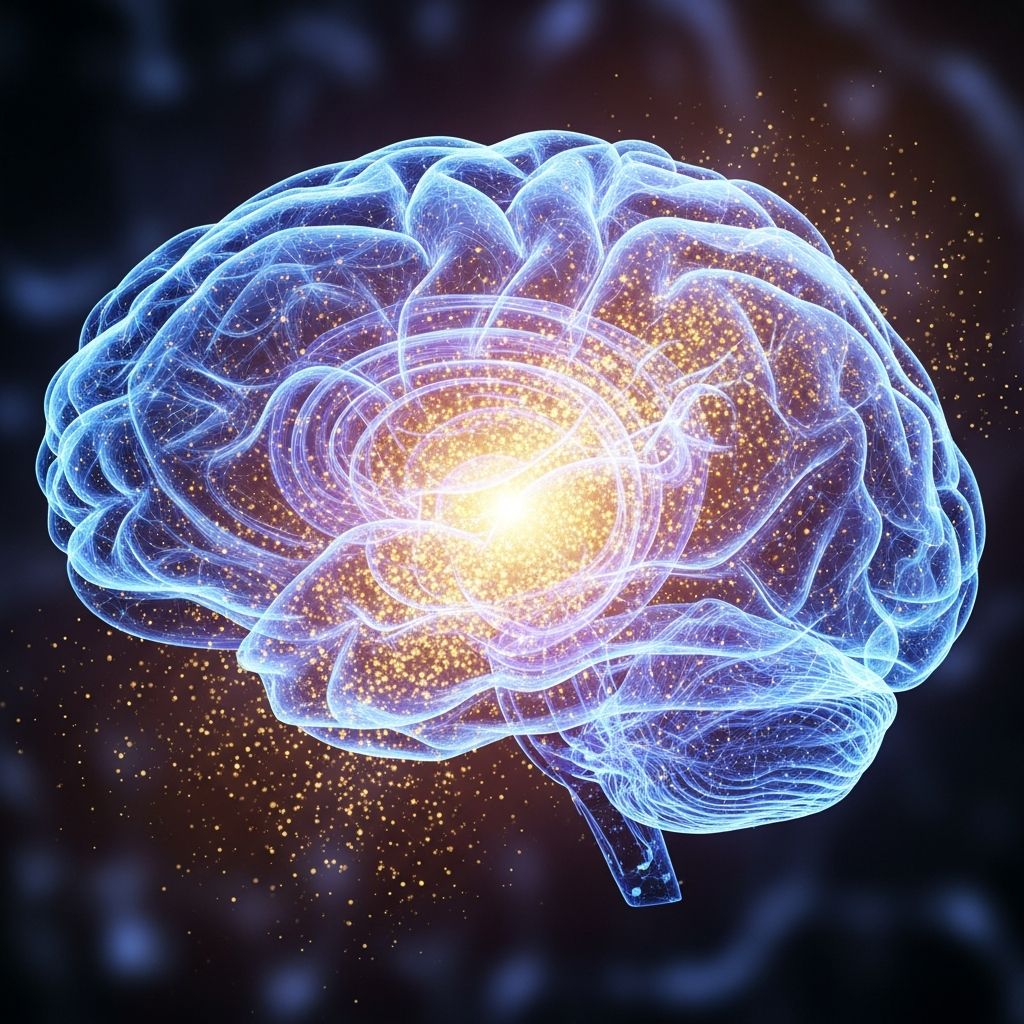
Understanding Endorphins: Nature’s Natural Pain Reliever
Your body is equipped with an remarkable internal system for managing pain and regulating mood—one that doesn’t require a prescription. Endorphins are neurochemicals produced by your brain that act as natural pain relievers and mood enhancers. The term “endorphins” comes from two words: “endogenous,” meaning internally produced, and “morphine,” the powerful pain-relieving medication. This origin explains why endorphins are often called “nature’s morphine.” Understanding how these chemical messengers work can help you appreciate the body’s innate healing capabilities and discover ways to naturally boost their production.
What Are Endorphins?
Endorphins are neuropeptides—specialized proteins that function as neurotransmitters in your nervous system. Your body produces these compounds naturally in response to various stimuli, particularly stress and pain. Scientists have identified approximately 20 different types of endorphins, though beta-endorphins are the most extensively studied and are most commonly associated with the phenomenon known as a “runner’s high.” These chemical messengers work throughout your body to produce beneficial effects that extend far beyond simple pain relief.
Endorphins exist in two primary locations: your central nervous system (brain and spinal cord) and your circulatory system. In your circulatory system, endorphins act as hormones, produced by your pituitary gland and released into your bloodstream. These peripheral endorphins have a similar chemical structure to those in your central nervous system and perform essentially identical functions, blocking pain signals throughout your body.
How Do Endorphins Work?
The mechanism by which endorphins provide pain relief involves sophisticated biochemistry. These neuropeptides work by binding to opioid receptors, particularly the mu-opioid receptors, throughout your nervous system. When endorphins attach to these receptors, they trigger a cascade of interactions that ultimately inhibit the transmission of pain signals. In the peripheral nervous system, endorphins prevent the release of substance P, a crucial protein involved in pain transmission. In the central nervous system, endorphins work by inhibiting the release of GABA, an inhibitory neurotransmitter, which results in increased dopamine production—a chemical that creates feelings of pleasure and well-being.
This dual-action mechanism makes endorphins incredibly effective at both blocking pain perception and improving mood simultaneously. The pain-relieving effects of endorphins are relatively short-lived; however, they trigger the release of other feel-good chemicals, such as dopamine, that have longer-lasting effects. This explains why pain relief from endorphin release doesn’t last indefinitely but why people often report sustained mood improvements following activities that boost endorphin production.
The Runner’s High: Separating Fact from Fiction
A common misconception exists about what causes the “runner’s high”—that pleasurable, almost euphoric sensation athletes experience during intense exercise. Many people attribute this feeling directly to endorphins flooding the brain. However, scientific research has revealed a surprising truth: endorphins cannot actually cross the blood-brain barrier (BBB), a semi-permeable membrane that protects your brain from most substances circulating in your bloodstream. Because of this biological limitation, endorphins released during exercise cannot directly cause the feelings of euphoria associated with a runner’s high.
This discovery prompted researchers to investigate other hormones released during exercise. They identified endocannabinoids—different neurochemicals that can cross the blood-brain barrier—as the likely culprits behind that runner’s high sensation. While endorphins don’t directly create this euphoric feeling, they still play an important role during exercise by managing pain and reducing stress throughout your body. The lesson here is that your body’s response to exercise involves a complex interplay of multiple neurochemical systems working in concert.
Primary Functions of Endorphins
Pain Relief and Management
The most well-known function of endorphins is their ability to relieve pain. Your body releases endorphins as an immediate response to painful stimuli, essentially flooding your system with natural pain killers. This response explains why people often don’t feel severe pain immediately after an injury—their endorphins are working to protect them from the full impact of the trauma. This pain-relieving function makes endorphins particularly valuable in surgical contexts, where studies show that plasma beta-endorphin levels correlate positively with pain severity. Medical professionals increasingly recognize the importance of supporting the body’s natural endorphin production as part of comprehensive pain management strategies.
Related Stories



Immune and Inflammatory Response Regulation
Beyond pain relief, endorphins play a crucial role in regulating your immune system and inflammatory responses. By decreasing inflammation and calming your immune system, endorphins prevent your body from experiencing exaggerated reactions to various immune triggers. This regulatory function helps maintain homeostasis and prevents the body from overreacting to minor threats. The immune-modulating properties of endorphins suggest why maintaining healthy endorphin levels through lifestyle choices may support overall wellness.
Stress Reduction
Endorphins are your body’s built-in stress management system. Whenever your body experiences stress, endorphins are released to calm your physiological responses and help you cope appropriately. These neurochemicals work to lower your body temperature, slow your heart rate, and reduce the intensity of your stress response. This stress-buffering function explains why people often feel calmer and more capable of handling challenges after engaging in endorphin-boosting activities.
Distinguishing Endorphins from Opioids
While endorphins and pharmaceutical opioids work similarly—both bind to opioid receptors to block pain signals—they differ in several important ways. Opioids reach their target much more quickly than endorphins, achieving their pain-relieving effect in approximately 20 seconds compared to over a minute for endorphins. Additionally, opioids are external substances that can lead to dependency and tolerance, whereas endorphins are your body’s naturally produced compounds. Understanding this distinction helps explain why relying solely on pharmaceutical opioids for long-term pain management can be problematic, as chronic opioid use can actually suppress your body’s natural endorphin production. This suppression can lead to tolerance, requiring increasingly larger doses to achieve the same effect.
Health Conditions Related to Endorphin Dysfunction
Depression
Research suggests a strong connection between endorphin dysfunction and depression. Scientists believe that depression may cause endorphin receptors to malfunction, preventing them from properly utilizing available endorphins. This receptor dysfunction could explain why some people with depression don’t respond well to conventional treatments. Researchers are actively exploring medications that target opioid receptors as a potential new treatment approach for depression, recognizing that supporting endorphin signaling might be therapeutic.
Chronic Headaches and Migraines
Individuals who suffer from chronic headaches and migraines typically have lower levels of endorphins circulating in their bloodstream and cerebrospinal fluid. Since endorphins function as pain relievers, these reduced levels likely contribute to headache severity and frequency. Furthermore, endorphins counter neural inflammation, which is a known trigger for migraines. This connection suggests that increasing endorphin levels through natural means could potentially reduce both the frequency and intensity of headaches.
Anxiety and Post-Traumatic Stress Disorder (PTSD)
Because endorphins help relieve stress, researchers speculate that endorphin deficiency could contribute to anxiety disorders. Studies have demonstrated that individuals with lower overall endorphin levels are more likely to experience anxiety. Similarly, the stress-reducing properties of endorphins suggest that deficiency may play a role in PTSD, where the body’s ability to manage stress responses is compromised. This understanding opens new avenues for both pharmaceutical and lifestyle-based interventions to support those with anxiety and trauma-related disorders.
Fibromyalgia
Damage to endorphin receptors may also explain why many people with fibromyalgia don’t experience pain relief from opioid medications. If the receptors that respond to opioids are damaged, neither natural endorphins nor pharmaceutical opioids can effectively bind to them, leaving patients without adequate pain relief options. This insight emphasizes the importance of understanding endorphin receptor health in developing better treatment approaches for fibromyalgia.
Natural Ways to Boost Endorphin Production
Exercise and Physical Activity
Physical activity is one of the most reliable ways to boost endorphin production. Whether you’re running, dancing, swimming, or engaging in any form of exercise, your body responds by releasing endorphins. Regular exercise not only increases endorphin production but also supports overall physical and mental health.
Music and Creative Expression
Listening to or playing music provides significant endorphin benefits. Studies show that people who play music together have a higher threshold for pain, suggesting increased endorphin release. Simply listening to music has a similar pain-relieving effect. This demonstrates that you don’t need to be a musician to benefit from music’s endorphin-boosting properties.
Social Connection
Positive social interactions and meaningful relationships stimulate endorphin production. Spending quality time with loved ones, laughing, and engaging in community activities all trigger endorphin release, contributing to improved mood and stress resilience.
Meditation and Mindfulness
Practices that reduce stress and promote relaxation naturally support endorphin production. Meditation, deep breathing exercises, and mindfulness practices activate your body’s natural stress-relief systems, including endorphin release.
Frequently Asked Questions
Q: Can endorphins actually cross into the brain?
A: No, endorphins cannot cross the blood-brain barrier. This is why the “runner’s high” isn’t actually caused by endorphins, but rather by other neurochemicals like endocannabinoids that can cross this protective barrier.
Q: How long do the effects of endorphins last?
A: The direct pain-relieving effects of endorphins are relatively short-lived. However, they trigger the release of longer-lasting feel-good chemicals like dopamine, which can provide sustained mood benefits.
Q: Are endorphins the same as opioids?
A: While endorphins and opioids work similarly by binding to opioid receptors, they are different. Endorphins are naturally produced by your body, while opioids are external medications. Opioids also work faster (20 seconds versus over a minute) but carry risks of dependency and tolerance.
Q: Can low endorphin levels cause depression?
A: Research suggests a connection between endorphin dysfunction and depression. Scientists believe depression may impair endorphin receptors’ ability to utilize available endorphins, and new medications targeting opioid receptors are being explored as potential treatments.
Q: What’s the best way to increase endorphins naturally?
A: Regular exercise is one of the most effective methods. Other beneficial activities include playing or listening to music, social interaction, meditation, and engaging in activities you enjoy.
References
- What are Endorphins? — Mental Health America. N.D. https://mhanational.org/resources/what-are-endorphins/
- Understanding Endorphins and Their Importance in Pain Management — National Center for Biotechnology Information (NCBI/NIH). 2010. https://pmc.ncbi.nlm.nih.gov/articles/PMC3104618/
Similar Articles








Read full bio of Sneha Tete