Endorphins: What They Are and How to Boost Them
Discover the science behind endorphins and learn how to naturally boost your mood and well-being.
What Are Endorphins?
Endorphins are hormones produced by your body, primarily in the brain, in response to pain or stress. These chemicals act as natural messengers, helping to relieve pain, reduce stress, and improve your overall sense of well-being. The term “endorphin” comes from the words “endogenous” (meaning within the body) and “morphine” (an opiate pain reliever), highlighting their role as the body’s own painkillers.
How Endorphins Work
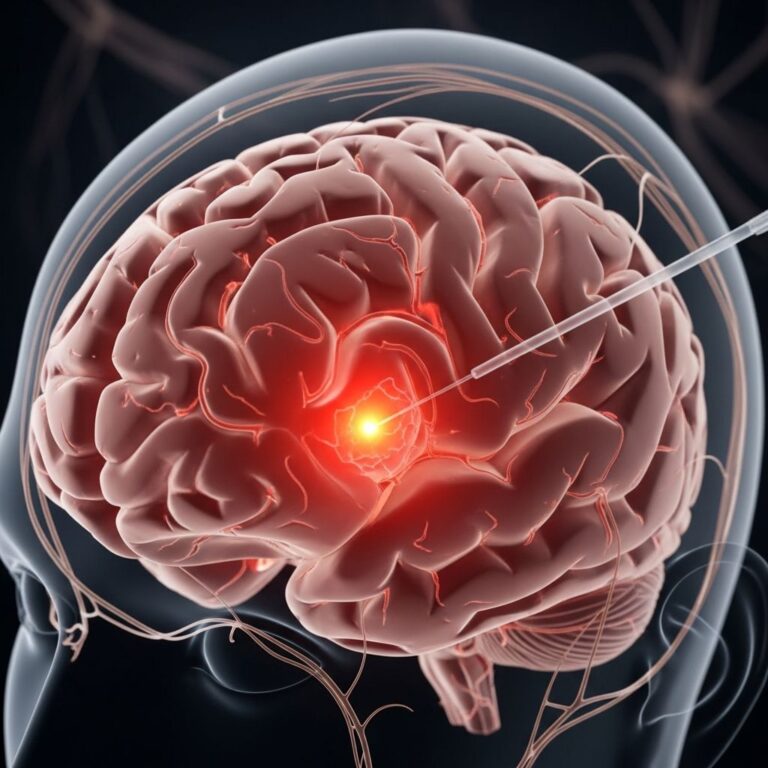
Endorphins are created in the pituitary gland and hypothalamus, both located in the brain. They are a type of neurotransmitter, or chemical messenger, that travels through your nervous system. When your body feels pain or stress, nerves send signals to your brain. In response, your brain releases endorphins, which attach to opioid receptors in your brain’s reward centers. This process blocks the nerve cells that receive pain signals, effectively turning off your pain and allowing you to continue functioning even in stressful or painful situations.
There are more than 20 different types of endorphins in your body, but beta-endorphins are the most well-known. Beta-endorphins are particularly effective in stress relief and pain management, and their effects can be stronger than morphine.
Benefits of Endorphins
Endorphins offer a wide range of benefits for both physical and mental health. Some of the key benefits include:
- Pain Relief: Endorphins help block pain signals, making them effective natural pain relievers.
- Stress Reduction: By reducing stress, endorphins help you feel more relaxed and calm.
- Mood Improvement: Endorphins can improve your mood and put you in a positive state of mind.
- Enhanced Well-Being: The release of endorphins can lead to a greater sense of well-being and happiness.
- Improved Cognitive Function: Some studies suggest that endorphins may also help sharpen memory and cognitive function.
How to Boost Endorphins
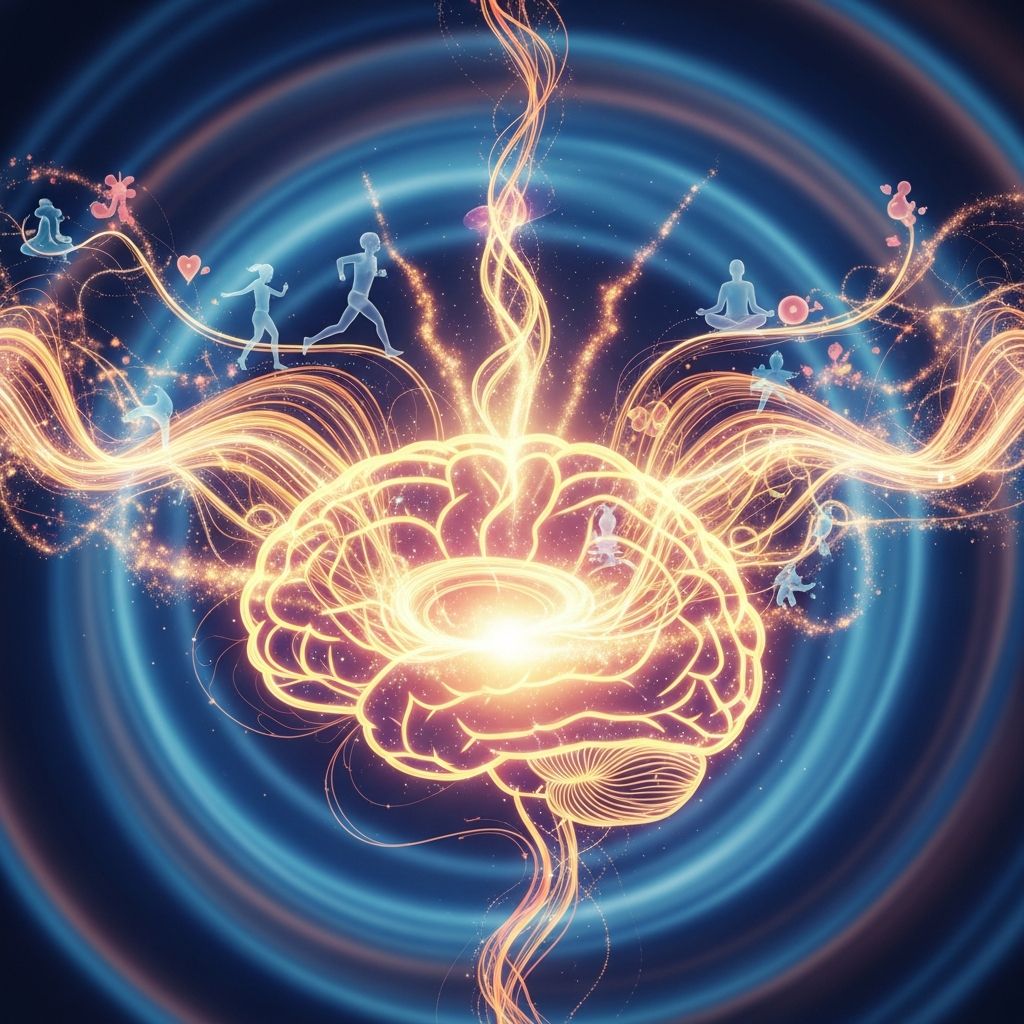
There are many ways to naturally boost your endorphin levels. Some of the most effective methods include:
- Exercise: Physical activity is one of the easiest and most effective ways to release endorphins. The “runner’s high” is a well-known example of the endorphin release that occurs during exercise. However, you don’t have to run to experience this effect—any form of exercise, from walking to weightlifting, can help boost endorphins.
- Eating: Certain foods, especially those that are spicy, can stimulate the release of endorphins.
- Massage: Getting a massage can help relax your body and stimulate endorphin release.
- Sex: Sexual activity can also trigger the release of endorphins, leading to feelings of calm and serenity.
- Laughter: A genuine hearty laugh can stimulate endorphin release, as well as increase levels of other feel-good chemicals like serotonin and dopamine.
- Meditation: The focus and deep breathing involved in meditation can help calm your mind and ease pain, in part due to endorphin release.
- Acupuncture: This ancient practice involves placing fine needles into specific points on the body, which can stimulate endorphin release.
- Exposure to Ultraviolet Light: Small doses of UV light, whether from the sun or artificial sources, can stimulate the release of beta-endorphins in your skin.
- Playing Music: Singing, dancing, or drumming to your favorite music can trigger your body to release endorphins.
Endorphins and Other Feel-Good Chemicals
Endorphins are not the only chemicals in your body that make you feel good. Other important hormones include dopamine, serotonin, and oxytocin. While endorphins are focused on pain relief and stress relief, dopamine is involved in motivation and reward, serotonin helps stabilize mood and well-being, and oxytocin is associated with social bonding and trust. These chemicals work together to create a sense of happiness and well-being.
Endorphin Deficiency
Low levels of endorphins can put your health at risk. Symptoms of endorphin deficiency may include:
- Anxiety
- Depression
- Aches and pains
- Low self-esteem
- Difficulty coping with stress
Related Stories



If you experience these symptoms, it’s important to consult with a healthcare provider. There are many ways to boost your endorphin levels, and a healthcare provider can help you develop a plan that’s right for you.
Endorphins and Migraine
Research has shown that levels of beta-endorphins are reduced in the cerebrospinal fluid of patients with migraine. Exercise programs may help increase these levels, which can reduce headache frequency and duration. However, it’s important to note that exercise may not change the underlying pain pathways, but rather alter avoidance behavior, making it easier to manage migraines.
FAQs About Endorphins
What is the “runner’s high”?
The “runner’s high” is a term used to describe the feeling of euphoria and reduced pain that occurs after a long run or intense exercise. This feeling is caused by the release of endorphins in the brain.
Can endorphins help with depression?
Yes, endorphins can help control symptoms of depression by improving mood and reducing stress. However, if you are experiencing symptoms of depression, it’s important to seek help from a healthcare provider.
How do endorphins differ from serotonin?
Endorphins are focused on pain relief and stress relief, while serotonin helps stabilize mood and well-being. Both chemicals play important roles in mental health, but they function in different ways.
Can endorphins help with weight loss?
Endorphins can help with weight loss by suppressing appetite and increasing feelings of well-being. However, weight loss should be approached as part of a comprehensive health plan that includes diet and exercise.
Are there any risks associated with boosting endorphins?
Boosting endorphins through natural methods like exercise, eating, and meditation is generally safe. However, if you are considering more invasive methods like acupuncture or exposure to UV light, it’s important to consult with a healthcare provider.
Conclusion
Endorphins are powerful natural chemicals that play a crucial role in pain relief, stress reduction, and mood improvement. By understanding how endorphins work and learning how to boost them, you can improve your overall health and well-being. Whether through exercise, eating, or other activities, there are many ways to naturally increase your endorphin levels and enjoy the benefits they provide.
References
- Endorphins: What They Are and How to Boost Them — Cleveland Clinic. 2022-05-19. https://my.clevelandclinic.org/health/body/23040-endorphins
- SEEDS for success: Lifestyle management in migraine — Cleveland Clinic Journal of Medicine. 2019-11. https://www.ccjm.org/content/86/11/741
- Neurotransmitters: What They Are, Functions & Types — Cleveland Clinic. https://my.clevelandclinic.org/health/articles/22513-neurotransmitters
Similar Articles








Read full bio of Sneha Tete