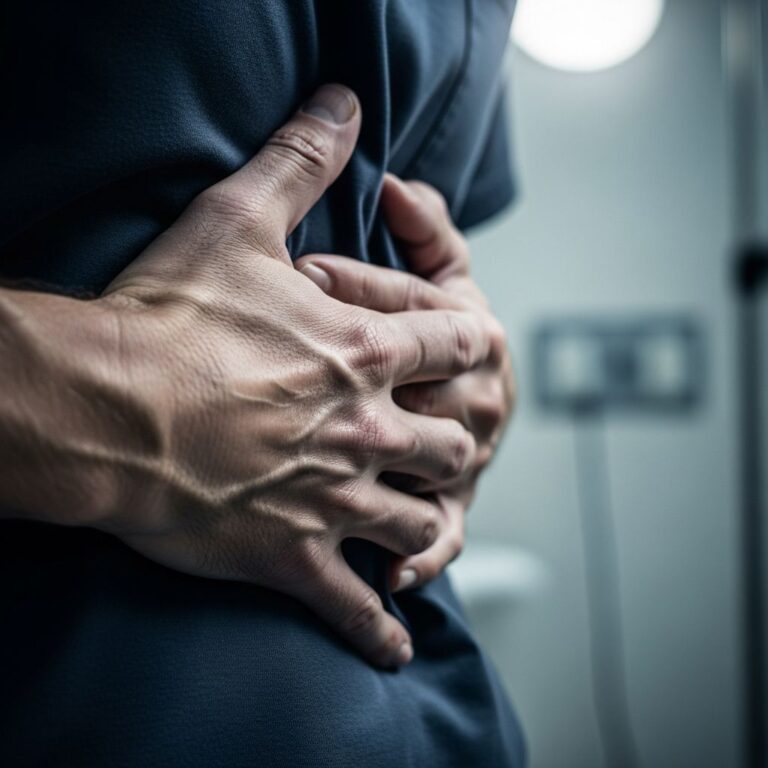
Endoscopic Retrograde Cholangiopancreatography (ERCP)
Understanding ERCP: A comprehensive guide to diagnosis and treatment of bile and pancreatic duct disorders.
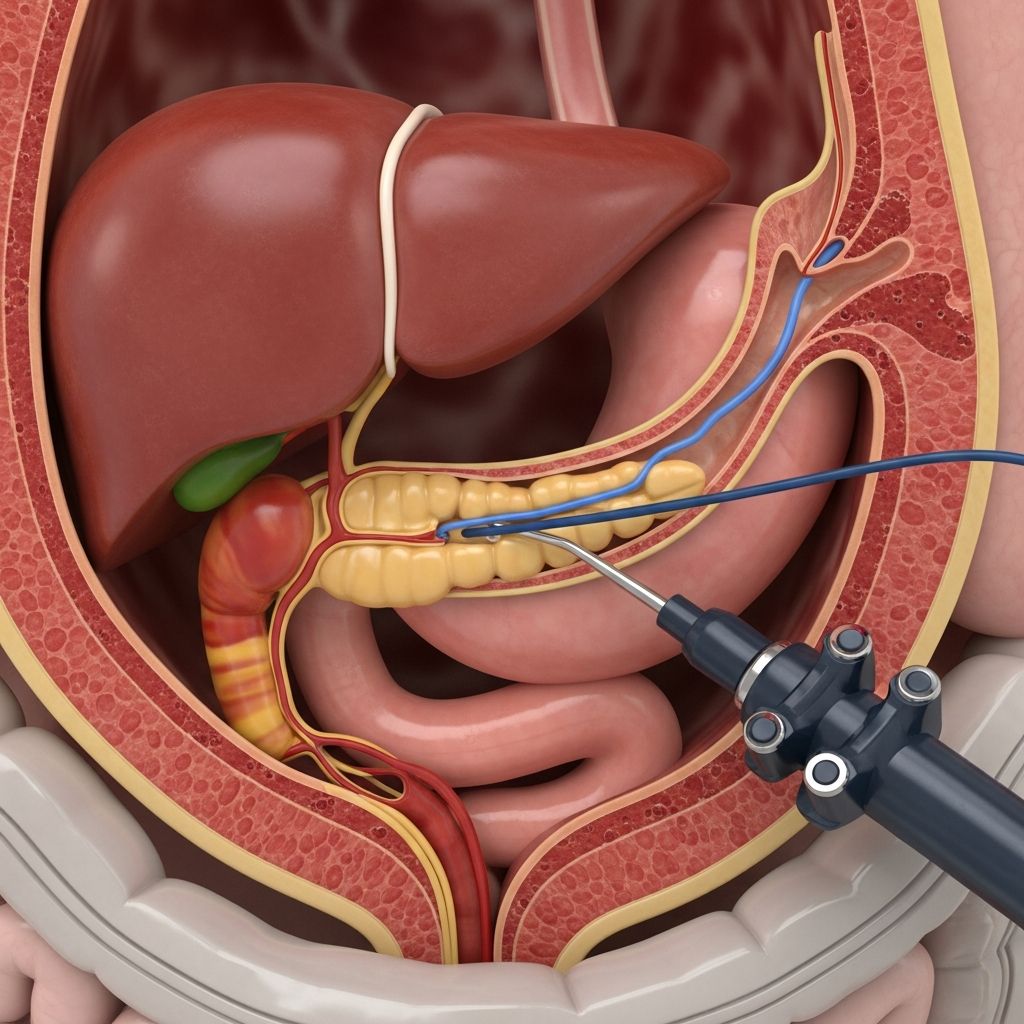
What is ERCP?
Endoscopic retrograde cholangiopancreatography, commonly known as ERCP, is a specialized procedure that combines endoscopy and x-ray imaging to diagnose and treat problems of the bile and pancreatic ducts. The procedure allows healthcare providers to visualize the ductal systems and perform therapeutic interventions when necessary. ERCP stands out as a unique diagnostic and treatment tool because it provides real-time visualization while allowing simultaneous therapeutic intervention through the same instrument.
The procedure involves inserting a flexible tube called an endoscope through the mouth, passing it down the esophagus and through the stomach into the duodenum, which is the first part of the small intestine. From this vantage point, the doctor can access the ampulla—the opening where the bile and pancreatic ducts empty into the small intestine. A thin catheter is then passed through the endoscope, and a special contrast dye is injected to make the ducts visible on x-ray images. This combination of endoscopy and fluoroscopy enables precise diagnosis and treatment of various ductal disorders.
Understanding the Bile and Pancreatic Ducts
To understand why ERCP is important, it helps to know the function of these ductal systems. The bile ducts are tubes that carry bile from the liver to the gallbladder and small intestine. Bile is essential for digestion and the absorption of fats and fat-soluble vitamins. The pancreatic ducts, on the other hand, carry digestive enzymes and bicarbonate from the pancreas into the small intestine, where they help break down food and neutralize stomach acid.
When these ducts become blocked or narrowed, they can cause significant health problems, including pain, jaundice (yellowing of skin and eyes), and digestive complications. This is where ERCP becomes invaluable as both a diagnostic and therapeutic tool.
Why ERCP is Performed
ERCP is primarily used to treat blockages in the bile or pancreatic ducts and to collect tissue samples for analysis. Because ERCP carries a higher risk of serious complications compared to other endoscopic procedures, it is mainly reserved for therapeutic purposes rather than diagnostic-only investigations. Modern imaging techniques like magnetic resonance cholangiopancreatography (MRCP) and endoscopic ultrasound are now often used first for diagnosis, with ERCP typically reserved for cases where treatment is needed.
Common Reasons for ERCP
Healthcare providers may recommend ERCP for several specific conditions and situations:
Gallstone Removal: ERCP is commonly used to remove gallstones that have become lodged in the bile duct. The doctor can use specialized instruments such as a snare or basket to extract these stones.
Duct Dilation and Stricture Treatment: When a bile or pancreatic duct becomes narrowed (stricture), ERCP can be used to widen the affected area. A catheter with a balloon is passed through the endoscope to dilate the narrow segment. In some cases, a temporary plastic or metal stent may be placed to keep the duct open for several months while healing occurs.
Related Stories



Sphincterotomy: The sphincter of Oddi is a muscle that controls the opening where the ducts empty into the small intestine. ERCP can be used to cut this sphincter using an electrified wire called a sphincterotome, allowing better access to the ducts for stone removal or other therapeutic procedures.
Fluid Drainage: ERCP may be used to drain fluid that has accumulated in the pancreas, particularly in cases of pancreatic pseudocysts or fluid collections resulting from pancreatitis or trauma.
Diagnostic Purposes: Although used less frequently for diagnosis alone, ERCP can help identify the cause of pancreatitis, measure pressure in the pancreatic duct, and allow for tissue sampling using a brush or biopsy forceps to check for cancer cells. The procedure can also be used to examine the bile or pancreatic ducts with ultrasound.
Cancer Diagnosis: ERCP may be used to take tissue samples to diagnose tumors of the pancreas, bile ducts, or gallbladder. These samples are crucial for determining treatment options and prognosis.
Treatment of Specific Conditions: ERCP is used to diagnose and treat various biliary and pancreatic conditions including primary biliary cholangitis, sclerosing cholangitis, and pancreatic duct leaks from trauma or surgery.
Preparation for ERCP
Proper preparation is essential for a successful ERCP procedure. Patients should discuss any medications they are taking with their healthcare provider, as some medications may need to be adjusted or discontinued before the procedure. Blood-thinning medications, for example, may need to be stopped several days before ERCP to reduce the risk of bleeding.
Fasting is typically required for at least six to eight hours before the procedure. Patients should arrange for someone to drive them home, as sedation used during ERCP affects judgment and reaction time. Wearing comfortable, loose-fitting clothing and removing all jewelry, dentures, and eyeglasses is recommended.
Before the procedure begins, an intravenous (IV) line will be placed in the arm to deliver sedation and any necessary medications. The healthcare team will review the procedure, discuss risks and benefits, and answer any questions the patient may have.
How ERCP is Performed
Sedation and Anesthesia
ERCP typically requires sedation to help patients relax and minimize discomfort. A healthcare professional may give you a liquid medicine to gargle or a spray medicine to numb your throat, which helps prevent gagging during the procedure. In some cases, general anesthesia may be used. Medicines to relax or sedate you will be given through the IV line, and the healthcare team will monitor your vital signs throughout the procedure.
Endoscope Insertion
Once the sedative takes effect, the doctor will carefully insert the endoscope through your mouth. You may be asked to swallow to help move the endoscope along, and you might feel some discomfort or pressure. The endoscope is advanced down the esophagus, through the stomach, and into the duodenum. A small amount of air is pumped through the endoscope into your stomach and duodenum, making the internal structures easier to visualize on the monitor.
Locating and Accessing the Ducts
The doctor identifies the ampulla—the opening where the bile and pancreatic ducts empty into the duodenum. A small tube called a catheter is then passed through the endoscope and carefully positioned into the appropriate duct. The doctor uses fluoroscopy, a type of x-ray imaging, to guide the catheter and ensure proper positioning.
Contrast Dye Injection and Imaging
A special contrast dye is injected through the catheter into the bile and pancreatic ducts. This dye makes the ducts more visible on x-ray images. The doctor uses fluoroscopy to examine the ducts, looking for narrowed areas, blockages, stones, or other abnormalities. The real-time imaging allows the doctor to assess the situation and determine the best course of action.
Therapeutic Interventions
Depending on the findings, the doctor may perform one or more therapeutic procedures through the endoscope:
Stone Removal: A snare or basket instrument can be passed through the endoscope to remove gallstones from the bile duct or stones from the pancreatic duct.
Stent Placement: A plastic or metal stent may be inserted to hold open a narrowed bile or pancreatic duct.
Duct Dilation: A catheter with a balloon can be used to widen a narrow duct (stricture).
Tissue Sampling: A small brush or biopsy forceps may be used to collect cells or tissue samples for analysis.
Sphincterotomy: The sphincter of Oddi may be cut using an electrified wire to improve access to the ducts.
What to Expect During the Procedure
The entire ERCP procedure typically lasts between 30 minutes to an hour, though complex cases may take longer. Most patients report little to no memory of the procedure due to the sedation used. You may experience some mild discomfort as the endoscope is advanced, and you may feel stretching sensations as the scope is positioned. Some patients report gagging as the tube is passed down the esophagus, but the throat numbing spray usually helps minimize this sensation.
Throughout the procedure, healthcare staff will monitor your heart rate, blood pressure, oxygen levels, and breathing to ensure your safety.
After the Procedure
After ERCP is completed, you will be taken to a recovery area where you can rest as the sedation wears off. You should expect to remain at the facility for one to two hours for observation. During this time, your vital signs will be monitored, and staff will assess for any immediate complications.
You may experience mild throat soreness, bloating, or mild abdominal discomfort after the procedure. These symptoms are typically temporary and resolve within a few hours. You should not drive or operate machinery for the remainder of the day due to residual effects of the sedation. Arrange for someone to drive you home.
Most patients can return to their normal diet and activities the next day, unless otherwise instructed by their healthcare provider. Your doctor will discuss the findings and any treatment that was performed during the procedure.
Risks and Complications
While ERCP is generally safe when performed by experienced healthcare professionals, it does carry some risks. The most common complication is pancreatitis (inflammation of the pancreas), which occurs in approximately 3-7% of ERCP procedures. Other potential complications include:
– Perforation of the digestive tract
– Bleeding, particularly after sphincterotomy
– Infection
– Allergic reaction to the contrast dye
– Respiratory depression from sedation
– Aspiration
Most complications are mild and resolve with appropriate medical management. However, serious complications can occur, which is why ERCP is typically reserved for cases where the therapeutic benefit outweighs the risks.
Success Rates
ERCP is highly effective for treating obstructive bile and pancreatic duct disorders. Success rates for stone removal typically exceed 90%, and the procedure is successful in relieving obstruction in most cases. The effectiveness of the procedure depends on various factors, including the type and location of the obstruction, the skill and experience of the endoscopist, and patient-related factors.
Alternatives to ERCP
In some cases, alternative diagnostic and therapeutic approaches may be considered. Magnetic resonance cholangiopancreatography (MRCP) is a non-invasive imaging technique that can visualize the bile and pancreatic ducts without requiring endoscopy. Endoscopic ultrasound (EUS) can provide detailed images of the pancreas and ducts and can be used for tissue sampling. However, these techniques are primarily diagnostic and cannot provide the same therapeutic capabilities as ERCP.
Frequently Asked Questions
Q: Is ERCP painful?
A: Most patients experience minimal discomfort during ERCP due to sedation and throat numbing spray. You may feel mild pressure or stretching sensations, but the procedure should not be painful. If you experience significant pain during the procedure, inform your healthcare provider immediately.
Q: How long does recovery take after ERCP?
A: Most patients recover quickly from ERCP. You can typically return to normal activities and diet the next day. However, if complications develop, recovery may take longer.
Q: Can ERCP be repeated if needed?
A: Yes, ERCP can be repeated if necessary, though the risk of complications may increase with multiple procedures. Your healthcare provider will discuss whether repeat ERCP is appropriate for your situation.
Q: What if gallstones return after ERCP removal?
A: Gallstones can recur after ERCP stone removal. Your healthcare provider may recommend cholecystectomy (gallbladder removal surgery) to prevent recurrence if you are a suitable surgical candidate.
Q: Are there any long-term effects of ERCP?
A: Most patients experience no long-term effects from ERCP. However, repeated sphincterotomies may increase the risk of long-term complications such as chronic pancreatitis in some patients.
Q: Can patients with altered anatomy undergo ERCP?
A: ERCP can be more challenging in patients with altered anatomy from previous surgery, such as gastric bypass. Specialized techniques and equipment may be required, and success rates may be lower.
References
- ERCP (endoscopic retrograde cholangiopancreatography) — Canadian Cancer Society. 2024. https://cancer.ca/en/treatments/tests-and-procedures/ercp-endoscopic-retrograde-cholangiopancreatography
- Endoscopic retrograde cholangiopancreatography — National Institute of Diabetes and Digestive and Kidney Diseases (NIDDK). 2023. https://www.niddk.nih.gov/health-information/diagnostic-tests/endoscopic-retrograde-cholangiopancreatography
- ERCP (Endoscopic Retrograde Cholangiopancreatography) — Cleveland Clinic. 2024. https://my.clevelandclinic.org/health/diagnostics/4951-ercp-endoscopic-retrograde-cholangiopancreatography
- ERCP Information — Mount Sinai Health System. 2024. https://www.mountsinai.org/health-library/surgery/ercp
- Endoscopic Retrograde Cholangiopancreatography (ERCP) — University of Michigan Health. 2024. https://www.uofmhealth.org/our-care/specialties-services/endoscopic-retrograde-cholangiopancreatography-ercp
Similar Articles








Read full bio of Sneha Tete