Endoscopic Sinus Surgery: Treatment & Recovery Guide
Minimally invasive sinus surgery relief for chronic sinusitis and nasal obstruction.
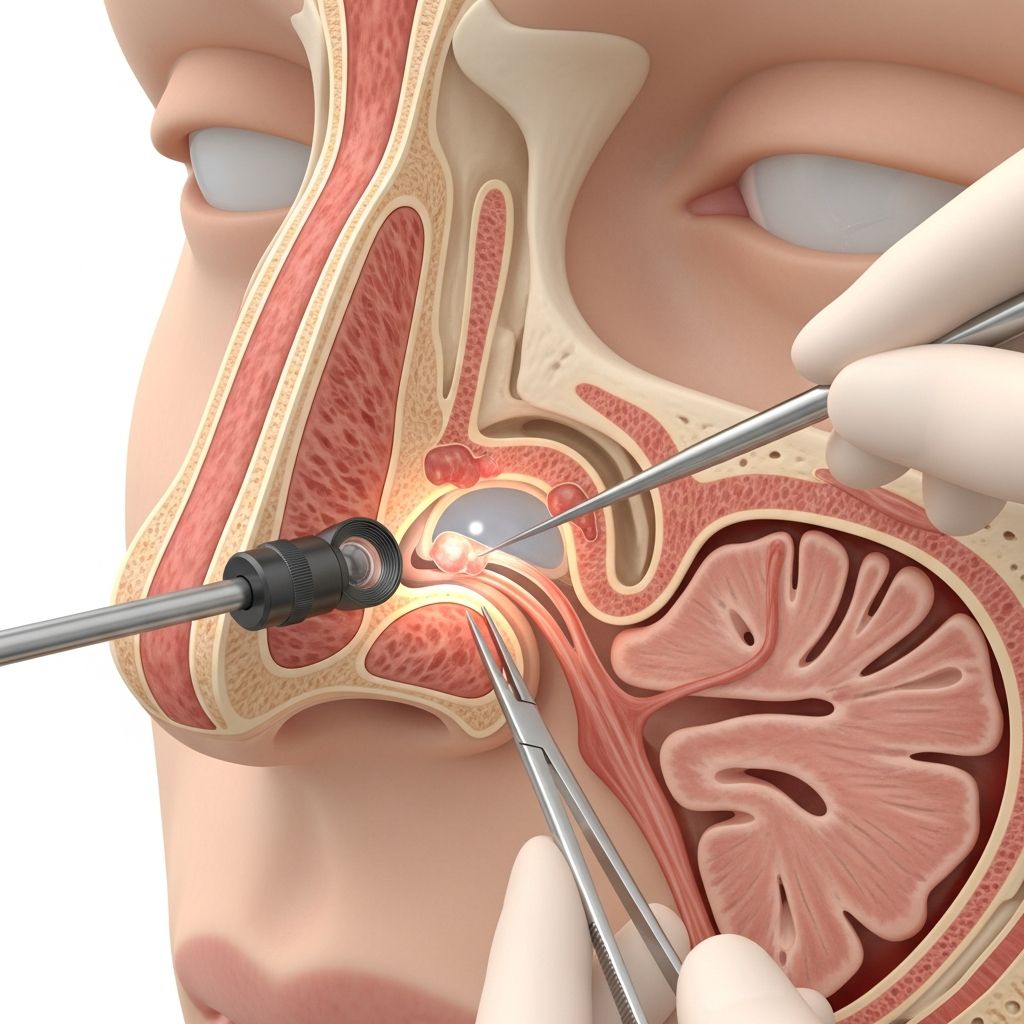
Endoscopic Sinus Surgery: A Comprehensive Treatment Guide
Chronic sinus problems can significantly impact your quality of life, causing persistent congestion, recurrent infections, and difficulty breathing through your nose. When conservative treatments fail to provide relief, endoscopic sinus surgery (ESS) offers an effective minimally invasive solution. This procedure has revolutionized sinus treatment by allowing surgeons to precisely address the underlying causes of chronic sinusitis while minimizing trauma and recovery time.
What Is Endoscopic Sinus Surgery?
Endoscopic sinus surgery is a minimally invasive surgical procedure performed by an ear, nose, and throat (ENT) specialist to treat chronic sinus problems that do not respond adequately to medical management. During the procedure, the surgeon uses a specialized instrument called an endoscope—a thin, rigid tube equipped with a high-definition camera and light source—which is gently inserted through your nostrils into the nasal passages and sinuses.
The endoscope provides the surgeon with a magnified, detailed view of the sinus anatomy displayed on a monitor, allowing for precise visualization and treatment of affected areas. Using specialized micro-instruments, the surgeon can remove blockages such as nasal polyps, diseased tissue, and bone obstructions that prevent proper sinus drainage and cause infection.
Key Advantages of Endoscopic Sinus Surgery
Unlike traditional open sinus surgery, which required external incisions on the face or inside the mouth, endoscopic sinus surgery offers several significant benefits:
- No visible scarring – All work is performed through natural nasal passages
- Reduced trauma – Minimally invasive approach preserves healthy tissue
- Less post-operative pain – Patients typically experience mild discomfort
- Faster recovery – Most patients return to normal activities within one to two weeks
- Improved outcomes – Better access to affected sinus areas with enhanced precision
Conditions Treated With Endoscopic Sinus Surgery
Endoscopic sinus surgery can effectively treat a variety of sinus and nasal conditions that do not respond adequately to medical therapy:
Chronic Rhinosinusitis
Chronic sinusitis involves persistent inflammation of the sinus cavities lasting longer than 12 weeks despite appropriate medical treatment. The procedure removes obstructive tissue and polyps, allowing medications to better penetrate the sinuses and reduce ongoing inflammation.
Nasal Polyps
Nasal polyps are benign, soft tissue growths that develop in the nasal passages and sinuses. These growths can block airflow, impair drainage, and cause recurrent infections. Endoscopic surgery allows for precise removal of polyps while preserving healthy tissue. The functional endoscopic approach provides an accurate diagnostic tool and enables meticulous, atraumatic removal of polyp disease with precise postoperative follow-up care.
Nasal Obstruction
Functional endoscopic sinus surgery has emerged as the preferred treatment for chronic rhinosinusitis after failure of medical therapy, including cases presenting with nasal obstruction. The procedure can address both inflammatory disease and structural abnormalities contributing to breathing difficulties.
Related Stories



Other Conditions
Endoscopic sinus surgery can also treat benign sinus tumors, persistent sinus blockages unresponsive to medication, and structural problems such as deviated septum when combined with septoplasty for optimal nasal function.
Who Needs Endoscopic Sinus Surgery?
Not all patients with sinus problems require surgery. ESS is typically recommended only after comprehensive medical management has been exhausted. Patient selection is the cornerstone of determining whether surgery is appropriate.
Criteria for Surgery Consideration
Your ENT specialist will evaluate whether you are a candidate for endoscopic sinus surgery based on the following factors:
- Failed medical optimization with antibiotics, nasal corticosteroid sprays, allergy treatments, and saline irrigation
- Symptoms persisting longer than 12 weeks despite appropriate treatment
- Imaging confirmation of sinus disease (CT scan)
- Symptoms significantly affecting quality of life and daily function
- Documented recurrent or chronic infections
Common Symptoms Indicating Need for Surgery
If you experience any of the following symptoms that have not improved with medical treatment, discuss ESS with your ENT specialist:
- Frequent or prolonged sinus infections lasting more than 12 weeks
- Persistent facial pain, pressure, or headaches unrelieved by medications
- Difficulty breathing comfortably through your nose
- Chronic nasal congestion affecting sleep quality
- Recurring nasal polyps causing drainage and congestion issues
- Fatigue and difficulty concentrating due to poor sleep
- Worsening asthma or frequent respiratory infections
What Happens During Endoscopic Sinus Surgery?
Preparation and Anesthesia
Before your procedure, your surgical team will provide specific preoperative instructions. Most patients receive general anesthesia to ensure complete comfort and allow the surgeon to work without patient movement. While local anesthesia with sedation is sometimes an option, general anesthesia is more commonly used for patient safety and comfort.
The Surgical Procedure
The endoscopic sinus surgery procedure follows these general steps:
Step 1: Endoscopic Visualization
Once you are under anesthesia, the surgeon gently inserts the endoscope into your nose, providing a magnified view of the nasal passages and sinus openings on a high-definition monitor.
Step 2: Removal of Obstructions
Using specialized micro-instruments, the surgeon carefully removes nasal polyps, diseased tissue, mucus-filled cysts, and bone obstructions blocking sinus drainage. The surgeon precisely enlarges the natural sinus openings to restore proper drainage pathways.
Step 3: Restoration of Drainage
By opening the sinuses and removing blockages, the procedure restores normal drainage and allows topical steroid therapy and medications to effectively reach affected sinus tissue to control inflammation and infection.
Step 4: Surgical Completion
Once all necessary corrections have been made, the endoscope is carefully withdrawn. No external incisions or stitches are required since the entire procedure occurs within the nasal passages.
Procedure Duration
The typical endoscopic sinus surgery procedure lasts between one to three hours, depending on the complexity of your condition and the extent of disease present. More complex cases or revision surgeries may require additional time.
Recovery After Endoscopic Sinus Surgery
Immediate Post-Operative Period
Most patients undergoing endoscopic sinus surgery return home the same day. You should expect:
- A mild sore throat from the breathing tube, typically lasting one to two days
- Minimal discomfort, usually controlled with over-the-counter or prescribed pain medications
- Nasal congestion and drainage as swelling subsides
- Small amounts of blood-tinged drainage, which is normal
Return to Normal Activities
Most patients return to normal daily activities within one to two weeks. However, complete healing takes several weeks to months as sinus linings regenerate and inflammation subsides.
Post-Operative Care Instructions
Following your surgeon’s specific instructions is crucial for optimal healing:
- Use saline nasal irrigation or rinse kits as directed
- Apply prescribed topical medications to surgical sites
- Avoid strenuous activity and heavy lifting for the first week
- Keep your head elevated, especially when sleeping
- Avoid blowing your nose forcefully for several weeks
- Attend all follow-up appointments for monitoring
- Contact your surgeon immediately if you experience severe pain, excessive bleeding, or fever
Effectiveness and Long-Term Outcomes
Evidence demonstrates that endoscopic sinus surgery is highly effective when performed on appropriately selected patients. Sinus surgery does work and is very helpful in the correct patients. However, it is important to understand that endoscopic sinus surgery is not a cure for chronic rhinosinusitis, but rather an effective way of managing the condition by improving medication delivery and drainage.
Many patients experience significant improvement in symptoms, including better breathing, fewer infections, and improved quality of life following surgery. Success rates are higher when patients have been appropriately medically optimized before surgery and when they comply with postoperative care instructions.
Risks and Considerations
While endoscopic sinus surgery is generally safe and well-tolerated, like any surgical procedure, it carries some potential risks. Your surgeon will discuss these with you during your consultation, including:
- Bleeding or excessive drainage
- Infection
- Temporary or persistent nasal congestion
- Changes in sense of smell or taste
- Cerebrospinal fluid leak (rare)
- Eye injury or vision changes (rare)
These complications are uncommon, and your surgical team takes extensive precautions to prevent them. Discussing your specific risk factors with your surgeon helps ensure the best possible outcome.
Frequently Asked Questions
How long does endoscopic sinus surgery take?
The procedure typically lasts between one and three hours, depending on the severity and extent of your sinus disease and the complexity of your condition. Your surgeon will provide a more specific estimate based on your individual situation.
Is endoscopic sinus surgery painful?
Pain levels vary among patients, but most report only mild discomfort after ESS, which is typically controlled with over-the-counter or prescribed pain medications. The most common complaint is mild throat soreness from the breathing tube, lasting one to two days.
How long is recovery after endoscopic sinus surgery?
Most patients return to normal daily activities within one to two weeks, though complete healing takes several weeks to months. Your surgeon will provide specific activity restrictions and timeline for your return to work and exercise.
Will endoscopic sinus surgery cure my sinusitis?
Endoscopic sinus surgery is not a cure but an effective management tool. It restores drainage, allows medications to work better, and provides lasting relief for many patients when combined with ongoing medical management as needed.
Do I need to follow up with my surgeon after surgery?
Yes, follow-up appointments are important to monitor healing, manage any complications, and ensure optimal outcomes. Your surgeon will typically see you several times during the first few weeks and may schedule additional visits depending on your individual healing and symptoms.
Why should I choose an academic medical center for endoscopic sinus surgery?
Academic medical centers like Johns Hopkins offer advantages including access to expert surgeons, advanced technology, comprehensive multidisciplinary care for complex cases, and continuous research improving surgical outcomes. If you have a complex or revision case, seeking expertise at an academic center may provide superior results.
Conclusion
Endoscopic sinus surgery represents a significant advancement in the treatment of chronic sinus disease, offering patients suffering from persistent sinus problems a minimally invasive option with excellent outcomes. When appropriate candidates who have failed medical therapy undergo this procedure, they often experience meaningful improvement in symptoms, better breathing, fewer infections, and significantly enhanced quality of life.
The key to successful endoscopic sinus surgery is careful patient selection, appropriate preoperative optimization with medical therapy, and meticulous surgical technique. If you suffer from chronic sinus problems despite medical treatment, discussing endoscopic sinus surgery with a qualified ENT specialist can help you determine whether this procedure is right for you. With proper preparation, surgical expertise, and postoperative care, endoscopic sinus surgery can help you breathe easier and return to enjoying daily life with improved comfort and function.
References
- Endoscopic Sinus Surgery: What Patients Should Know — Sleep and Sinus Centers. 2024. https://www.sleepandsinuscenters.com/blog/endoscopic-sinus-surgery-what-patients-should-know
- The role of endoscopic sinus surgery for the treatment of nasal polyposis — Josephson, J.S. Otolaryngology Clinics of North America. 1989 Aug;22(4):831-40. PubMed. https://pubmed.ncbi.nlm.nih.gov/2771425/
- Sinus Surgery Myths — Ramanathan, M.D., Murray. Johns Hopkins Medicine. YouTube. https://www.youtube.com/watch?v=62FAPGeeX2M
- Endoscopic Sinus Surgery in the Management of Nasal Obstruction — Johns Hopkins University. Johns Hopkins Research Repository. https://pure.johnshopkins.edu/en/publications/endoscopic-sinus-surgery-in-the-management-of-nasal-obstruction-3/
Similar Articles








Read full bio of Sneha Tete